
 Worksheets
Units 1-5 AP Biology Review
Total questions: 100
Worksheet time: 2hrs 1mins
Which of the following is the monomer of a protein?
Amino acid
Monosaccharide
Nucleotide
Steroid
Which end of the water molecule has a slightly positive charge?
The hydrogen end
The oxygen end
Both ends are slightly positive
Neither end is positive
Which statement explains why water molecules stick together?
Both sides are negative
One side has a positive charge and the other side has a negative charge
One side has a negative charge and the other side has a neutral charge
Both sides are positive
Identify the pairing and number of bonds in DNA double helix
A pairs with T (2 bonds) & G pairs with C (3 bonds)
A pairs with G (2 bonds) & T pairs with C (3 bonds)
A pairs with T (3 bonds) & G pairs with C (2 bonds)
A pairs with G (3 bonds) & T pairs with C (2 bonds)
How is DNA/RNA synthesis directionally oriented?
new nucleotides are added to 5' phosphate
new nucleotides are added to 3' phosphate
new nucleotides are added to 5' hydroxyl
new nucleotides are added to 3' hydroxyl
Which protein structure involves the peptide bonds between amino acids?
primary
secondary
tertiary
quaternary

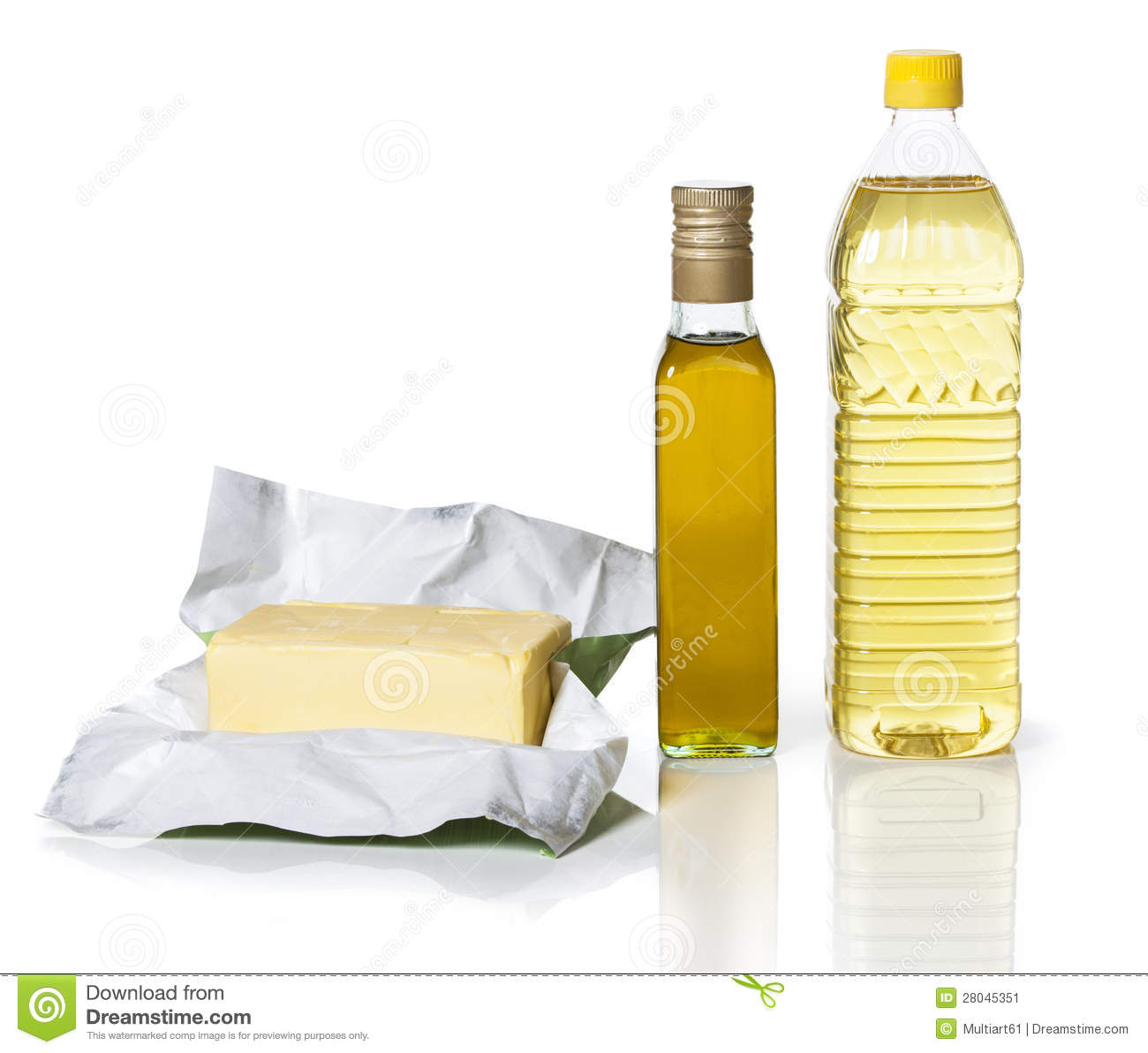
monosaccharides, fatty acid and glycerol, amino acids, and nucleotides are examples of _____________.
Elements
Compounds
Macromolecules
Monomers
Which of the following examples explains how biological activity relies on water's adhesive properties?
Water travels through vascular tissue (xylem) from the roots to the leaves of a plant.
Stomata (openings) in leaves control transpiration of water out of the leaf as water vapor.
Vacuoles in plant cells swell as water dilutes the contents of the vacuole.
Feathers retain an oily coating that repels water droplets.
Given the structure of water (H2O), which of the following must be true?
Each water molecule can form four hydrogen bonds.
Each water molecule will form covalent bonds with its neighbors.
Water has an overall negative charge.
Water is able to easily dissolve nonpolar substances.
Which of the following describes a covalent bond?
It involves an atom that gains an electron.
Two or more atoms share electron pairs.
Molecules linked by covalent bonds are less dense when in solid form than when in liquid form.
A hydrogen atom with a partial positive charge is attracted to another atom with a partial negative charge.
Which of the following statements regarding carbon is FALSE?
Carbon has the capacity to form single and double bonds.
Carbon has the ability to bond together to form extensive branched or unbranched "carbon skeletons."
Carbon has the ability to bond with up to six other atoms.
Carbon has a tendency to form covalent bonds.
A researcher wants to identify a newly isolated DNA strand. The first step in identifying the DNA strand is to measure its length. To do this, the researcher wants to develop a fluorescent tag that emits light once it binds to both ends of the strand.
Which of the following best describes how the researcher should develop a fluorescent tag with an ability to bind to both ends of the strand?
The tag should have an affinity to bind only guanine (G) and cytosine (C) nitrogenous bases.
The tag should have an affinity to bind only free amino (-NH2) and carboxyl (-COOH) functional groups.
The tag should have an affinity to bind only adenine (A) and thymine (T) nitrogenous bases.
The tag should have an affinity to bind only free 3' hydroxyl (-OH) and 5' phosphate (-PO4) functional groups.

The image depicts how the bacterial protein barnase undergoes modifications that involve changing its conformation, or shape. In order to function in the cell, barnase has to be folded from a nonfunctional conformation into a functional conformation.
The functional conformation of barnase has a tertiary structure because it consists of a polypeptide chain folded into a three-dimensional shape.
The functional composition of barnase has a quaternary structure because it consists of interactions between multiple polypeptide units.
The functional composition of barnase has a secondary structure because it consists of a single alpha-helix.
The functional composition of barnase has a primary structure because it consists of a linear chain of amino acids.
Your first big biology exam is coming up in a few days, and in order to prepare for late-night study sessions, you buy a box of Yummies, a delicious type of snack cake. After checking out the nutrition facts label on the side of the box, you discover that a single Yummie cake contains 4.5 grams of total fat, 27 grams of carbohydrate, 0 grams of fiber, and 1 gram of protein.
The pH of the stomach is extremely acidic (~ pH 2). If you ate a Yummie cake, what do you think would happen to the protein that you ingested as it passes through the stomach?
The protein would form longer proteins via dehydration reactions.
The protein would get broken down via dehydration reactions.
The protein would become denatured due to the acidic environment.
The protein would speed up digestion because it is an enzyme.

In the early 1950’s, a team of researchers led by Erwin Chargaff conducted a series of experiments related to deciphering the chemical composition of DNA. In one experiment, Chargaff’s team examined samples of DNA from different species of sea urchins. The results of this experiment are summarized in the table pictured. Which of the following results from the experiment is most consistent with the base-pairing rules of DNA?
The average molar ratio of guanine to cytosine is less than the average molar ratio of adenine to guanine across all species in the experiment.
The percentage of adenine nucleotides is roughly equal to the percentage of thymine nucleotides across all species in the experiment.
The average molar ratio of adenine to guanine is greater than the average molar ratio of thymine to cytosine across all species in the experiment.
The percentage of thymine nucleotides is roughly equal to the percentage of cytosine nucleotides across all species in the experiment.
What are the three parts of signal transduction pathway?
reception, transduction, response
confirmation, transduction, transcription
reception, amplification, transcription
confirmation, amplification, response
Transduction step traditionally amplifies the signal, which of the following are NOT involved with transduction?
secondary messengers
protein modification
phosphorylation cascade
ligands
Describe what occurs when the ligand binds to the receptor.
confirmation change in shape of receptor
phosphorylation of ligand
ligand passes through the membrane
receptor binds additional ligands
Which of the following is NOT a response by the cell from a signal transduction pathway?
cell growth
gene expression
secretion of molecules
all of the above are responses
Which of the following is NOT a stage of the cell cycle?
interphase
cytokinesis
mitosis
apoptosis
Which of the following is the stage where the cell no longer divides?
G0
G1
G2
S
Which of the following describes the order of the steps in mitosis?
metaphase, telophase, anaphase, prophase
prophase, metaphase, anaphase, telophase
telophase, anaphase, metaphase, prophase
prophase, anaphase, metaphase, telophase
Describe the interaction between cyclin and CdK.
cyclin interacts with CdK to initiate the mitotic phase
cyclin is the precursor to CdK, when synthesized allow for mitosis proceed
cyclin acts as an inhibitor to CdK to wait for all DNA to be synthesized
cyclin binds to CdK to initiate DNA replication
Mitosis results in...
2 identical diploid cells
4 unique diploid cells
2 unique haploid cells
4 identical haploid cells
Plant cells can exchange small soluble compounds with neighboring cells directly through junctions in the cell wall called -
gap junctions
thylakoids
stomata
plasmodesmata
Glucagon causes the breakdown of stored glycogen into glucose for cells. What conditions would trigger the release of glucagon?
High blood sugar
Low blood pH
High heart rate
Low cellular ATP concentration
If a medicine works by blocking a secondary messenger, what effect would it have on that cell signaling pathway?
It would increase the response if the pathway
It would trigger the release of more ligands
It would activate the transcription of a desired gene
It would inhibit transduction, thus deactivating the response
Which of the following describes anaphase?
Chromatin condenses into chromosomes, and the nuclear membrane is broken down
Sister chromatids are separated and kinetochores begin pulling chromosomes to opposite poles
Spindle fibers attach to centromeres and begin moving sister chromatids towards the cell's equator
Chromosomes decondense and two nuclei form within the cell
What is the end result of mitosis?
An undifferentiated stem cell
4 genetically unique haploid cells
2 genetically identical diploid cells
2 genetically unique daughter cells
What would happen is protein phosphatases were defective?
Cancerous cells would take advantage and grow uncontrollably because the cell cycle will shut down.
Gametes would take advantage and grow uncontrollably because the cell cycle cannot shut down.
Gametes would take advantage and grow uncontrollably because the cell cycle will shut down.
Cancerous cells would take advantage and grow uncontrollably because the cell cycle cannot shut down.
Which type of feedback loop would mammals use to maintain a constant body temperature or say 124.6 C?
Homeostatic
Postive
Negative
Isotonic
Which of the following is NOT a part of photosynthesis?
Calvin cycle
Light reactions
Light independent reactions
Krebs cycle
Where do the light reactions take place?
Cytosol
Thylakoid membrane
Stroma
Mitochondrial matrix
What is the input for the light reactions?
Light energy
ATP
NADPH
H2O
What is the output for the light reactions?
Light energy
ATP
NADPH
H2O
Where does the Calvin cycle take place?
Cytosol
Thylakoid membrane
Stroma
Mitochondrial matrix
What is the input for the Calvin cycle?
CO2
H2O
NADPH
ATP
G3P
What is the output for the Calvin cycle?
CO2
H2O
NADPH
ATP
G3P
How many CO2 molecules are needed to make 1 G3P?
1
2
3
6


The fact that water can stick to other substances is called:
Ph
Adhesion
Cohesion
Insulation
A polymer of glucose that serves as a storage macromolecule in animals is
chitin
cellulose
glycogen
amylase

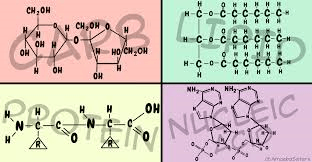
What macromolecule is shown above?
Carbohydrate
Lipid
Protein
Nucleic Acid

Which biomolecule is this a picture of?
Protein
Nucleic Acid
Lipid
Carbohydrate
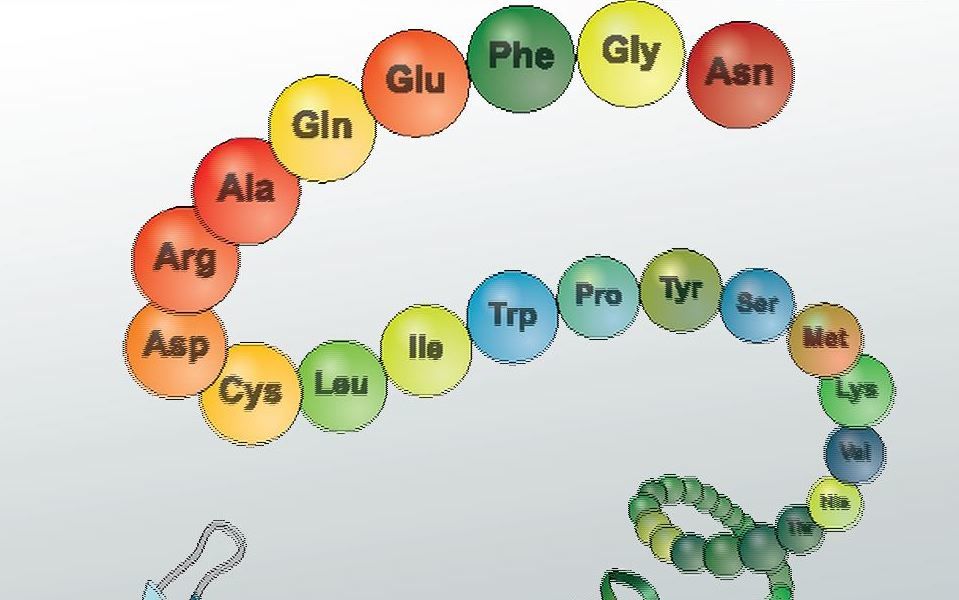
Genetic information stored in DNA is coded in...
the directionality of the molecule
the complementary base pairs
the sugar phosphate backbone
the sequence of bases in a single strand
Substitution of amino acids in primary struture does not affect subsequent levels of protein folding.
True
False
DNA and RNA have the same 5-carbon sugar and the same nucleotides.
True
False
n the 1950s, the scientist Alfred Hershey and Marth Chase carried out an experiment using bacteriophages, which are viruese that infect bacteria. During the experiment, the scientists allowed bacteriophages that had been labeled with a radioactive element to infect the cells.
After carrying out their experiment, the scientists concluded that bacteriophages inject DAN, but not protein, into the host bacterial cell during infection.
To be able to reach this conclusion the scientists found which element inside the bacteria cells?
radioactive carbon
radioactive phosphorus
radioactive hydrogen
radioactive sulfur
1.) They act like gatekeepers, only let certain things in.
2.) Enzyme receptors embedded in the membrane.
when some molecules can cross the membrane while others cannot.


When particles move from low to high concentration
Passive Transport
Active Transport

Your gums are swollen. How will rinsing with warm salt water help the swelling?
swollen gums will absorb the salt
salt lowers the temp
salt goes against the concentration gradient
water in the gums will diffuse out of the cells


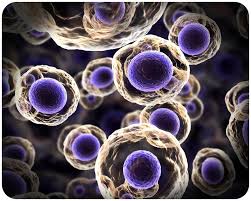


The difference in electric potential between the interior and the exterior of a cell is called:
Concentration Difference
Membrane Potential
Cotransport
Concentration Potential
The combination of an ion's concentration gradient and membrane potential is called
action potential
electrochemical potential
electrochemical gradient
action gradient
What is the relationship between an enzymes active site and its substrate?
The active site has the right polarity to interact with the substrate.
The active site is hydrophobic and interacts with other hydrophobic amino acids on the substrate
The active site has a specific shape that fits the shape of the substrate
The active site uses energy to form covalent bonds with the substrate
How does a competitive inhibitor affect an enzymes function?
It binds to an allosteric site that alters the shape of the enzyme
It changes the polarity of the enzyme, decreasing the rate of reaction
It denatures the enzyme which increases the activation energy for the reaction.
It binds to the active site, preventing the enzyme from catalyzing the reaction
Which of these factors can affect the initial rate of an enzyme reaction?
Enzyme concentration
Substrate concentration
Temperature
pH
All of the above
In scientific experiments what is a control?
The variable that is manipulated by the researcher
A test that does not have the independent variable, to show a baseline with no reaction
A test where the researcher does not know which sample contains which variable
The variable that changes based on the experimental conditions
What is chemiosmosis?
The diffusion of electrons through the electron transport chain
The breakdown of a glucose molecule
The diffusion of protons down their concentration gradient
The active transport of NADH into the mitochondria
Why is chemiosmosis important to cellular respiration?
It provides the energy needed to catabolize glucose
It is the force that powers ATP synthase
It provides the energy needed to breakdown pyruvate into carbon dioxide
It generates the electrons needed for the electron transport chain
Why do plants not store 100% of the light energy absorbed by chlorophyll in glucose molecules?
Most of the energy is used to power the reaction or is lost as heat
Plants do not have a high energy requirement, so they do not need to convert 100% of the energy
The energy is used to power ATP synthase proteins on the thylakoid membrane
The remaining energy is used actively transport oxygen out of the cell.
What are the net products of photosynthesis?
6 CO2, 6 H2O, Energy
6 O2 and 6 H2O
C6H12O6 and 6 O2
6 CO2 and C6H12O6

