
NEW
Font size
 Worksheets
ES Chapter 6
Total questions: 62
Worksheet time: 39mins

What are the 3 main fossil fuels?
Coal, Oil, and nuclear fuel
Coal, Oil, and Natural Gas
Electricity, Gas, Petroleum
Coal, Oil, Non-renewable Resources
Why are fossils fuels so widely used?
They are renewable so they won't run out.
They pollution they produce is less compared to renewable energy sources.
They are easy to obtain and process.
They don't disrupt the environment when mined from the earth.
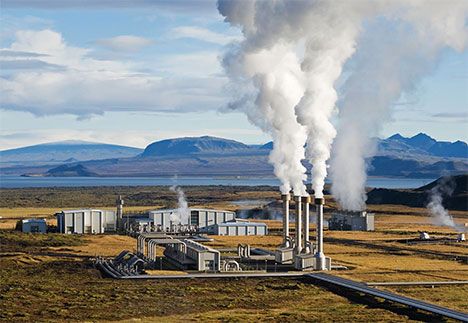
All of the following are considered renewable energy sources EXCEPT –
Wind
Coal
Biomass
Solar

This type of alternative energy is formed from burning living things.
Biomass Energy
Geothermal Energy
Hydropower Energy

This type of alternative energy is formed from energy from moving air.
Solar Energy
Geothermal Energy
Wind Energy
Renewable energy resources produce less_____________ than fossil fuels.
pollution
energy
wind
light

The pictures show a forest before and after deforestation, a process where many trees are cut down.
Which of the following best explains why trees are called a renewable resources?
If a tree is cut down, a new tree can be planted in its place.
If a tree is cut down, the animals that depended on the tree will help the tree grow back.
Only humans use trees, so tree populations will never fall below the number that are needed.
Only paper is made from trees, so the tree population will never run out.
What are fossil fuels?
energy sources that dinosaurs made when they were alive coal, oil, uranium
energy sources that are made in a factory and we will never run out of like oil, natural gas, uranium
sources of enery that take millions of years to form from the remains of dead animals and plants like coal, oil, natural gas
energy sources that the earth gives us for our birthdays like geothemals, coal, natural gas
Renewable resources ...
are not replaceable
are used more frequently than non renewables
are never going to run out
going to run out
energy created from the movement of water
Hydroelectric Power
Geothermal Power
Biomass
Nuclear Power
energy gathered from the natural movement of air
wind
coal
oil
solar
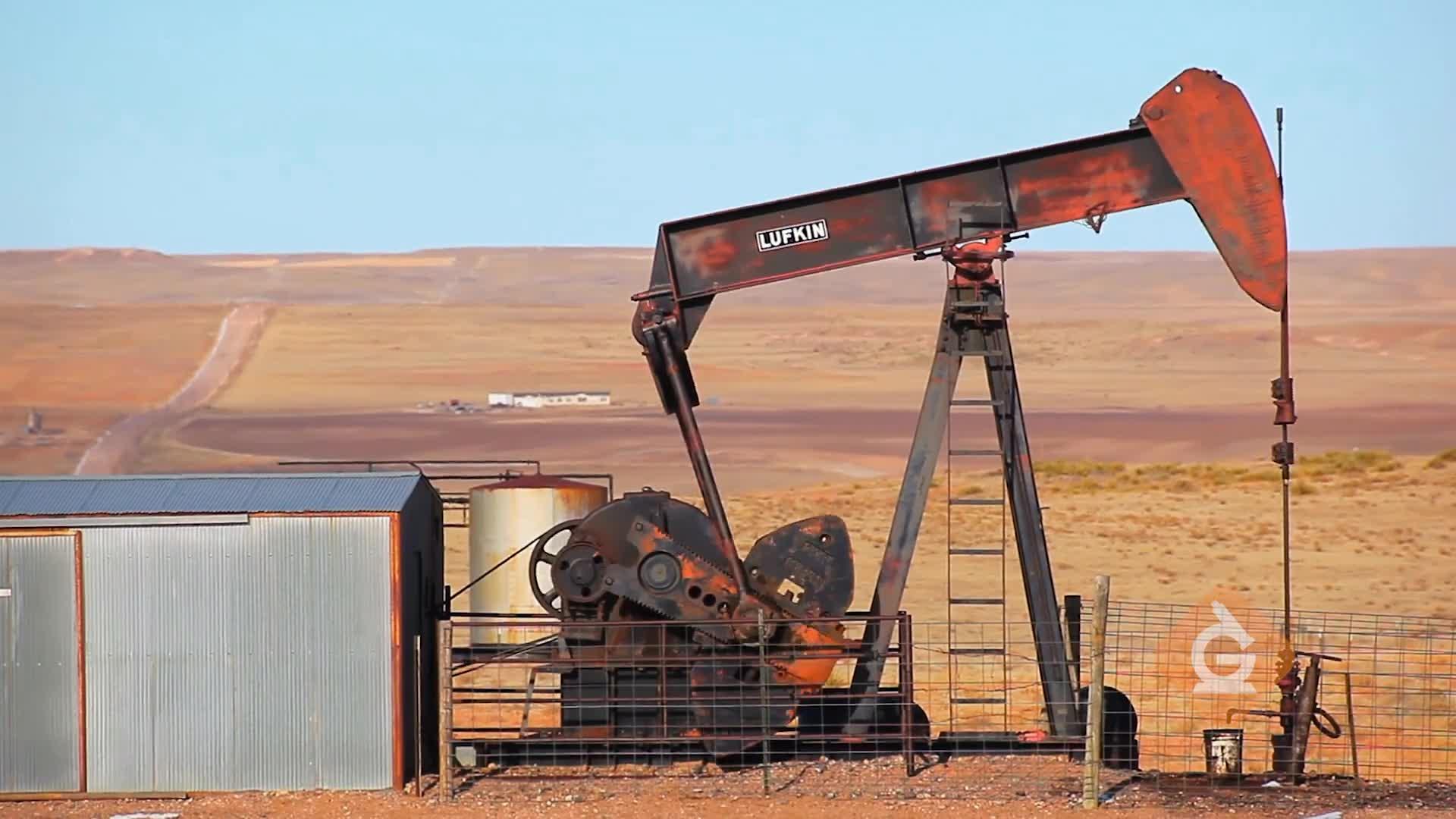
Which are ways we use fossil fuels?
eating and drinking
arts and crafts
paper and building
cars and heat
Why is water a renewable resource?
It can be frozen into ice.
It evaporates into air.
It is constantly replaced.
Energy from the sun
solar
wind
coal
nuclear
a resource that can be replaced quickly and is used repeatedly
a resource that cannot be replaced once it has been used up
are limited on earth and can run out


a resource that CANNOT be replaced once it is used, or there is only a fixed amount of
renewable resource
nonrenewable resources
natural resources
Resources we get from our house that mom makes
Resources we get from the store that were made in a factory
a material that comes from the Earth or the environment and occurs naturally
they take a short time to form
A resource is considered renewable if it -
can be created only over millions of years
is made of Earths’ materials like rocks and minerals
can be replaced in a relatively short amount of time
is useful to humans in making energy and materials
Which of the following is a non-renewable resource?
Paper
Coal
Milk
Water

Students were asked to generate a list that contained nothing but renewable resources. Which student was the the only one to make a correct list?
Student A
Student B
Student C
Student D
Why is water classified as a renewable rather than a nonrenewable resource? Water is classified as renewable because it -
is constantly replaced
is important to all life
can be frozen into ice
evaporates into the air

Which of the following resources is collected by the panels on the roof of this home?
air
water
wind
sunlight
Choose an example of how nonrenewable resources can be used up.
Mining for coal and using it to heat homes
Rainwater collecting in a barrel
Sun rays being changed into solar energy
Planting plants to create more oxygen
Which of the following is a renewable source of energy?
coal
fossil fuel
natural gas
sunlight
Which of the following is a nonrenewable energy source?
coal
hydroelectric
solar
wind

According to the graph, which location would have the MOST efficient solar-powered electrical plant?
Africa
Antarctica
China
Florida
Which of the following is a sustainable alternative energy source to fossil fuel?
oil
petroleum
moving water
burning coal
Which of the following is a clean (non-polluting) source of energy?
coal
oil
natural gas
hydroelectric power
Paige discovered that the cost of oil has increased from $3 per barrel in the 1970s to over $100 per barrel today. Which of the following explains the large rise in cost?
The use of oil has decreased.
The supply of oil is limited.
Alternative energy sources are now used.
Oil is now more easily accessible.
Freshwater from precipitation that flows across the earth's land surface and into rivers , lakes , wetlands, and ultimately to the oceans
Surface Water
Freshwater Runoff
Saltwater Runoff
Ground Water
Removing dissolved salts from ocean water or from brackish water in aquifers for domestic use. It is another way to increase supplies of freshwater
Saltwater Transformation
Salt Removal Process (SRP)
De-Saltation
Desalination
Structure built across a river to control the river's flow
Dam
Bridge
Draw-Bridge
Reservoir
Precipitation that infiltrates the ground and percolates downward through spaces in soil, gravel, and rock until an impenetrable layer of rock stops it
Tap Water
Ground Water
Water Table
Well Water
Underground caverns and porous layers of sand, gravel, or bedrock through which groundwater flows.
Ground Water
Aquifers
Caves
Tap Water
Which is NOT a source of surface water?
lakes
wetlands
streams
water vapor
Which makes up the larger percent of all water on Earth?
freshwater
salt water
stale water
sugar water
Most of Earth's freshwater is
surface water
ground water
frozen
bottled
A flowing network of water
river system
watershed
basin
NBC
The continuous movement of water between Earth and its atmosphere
precipitation
water cycle
homeostasis
infiltration
Underground formation that contains groundwater
aquifer
percolator
recharge zone
watershed
Which makes up a greater percentage of the freshwater on Earth?
groundwater
surface water
Water is naturally renewed by circulating through the water cycle.
true
false
Contamination of air, water, or soil by materials that are harmful to living things
Pollution
Fossil Fuels
Non Renewable Resource
Renewable energy resources produce less_____________ than fossil fuels.
pollution
energy
wind
light

