
Font size
 Worksheets
Chapter 10: The Periodic Table
Total questions: 39
Worksheet time: 21mins
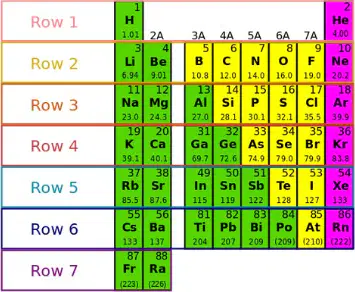
What is the scientific term used for rows on the periodic table?
A) periods
B) groups
C) columns
D) series
Name the scientific term used for columns on the periodic table.
groups
periods
rows
series
The ___ increases by one for each element as you move left to right across a period.
atomic number
atomic mass
melting point
density
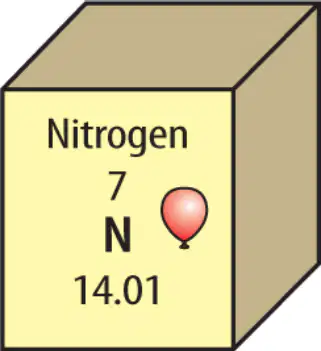
What does the decimal number in an element key represent?
average atomic mass
atomic number
number of neutrons
top number
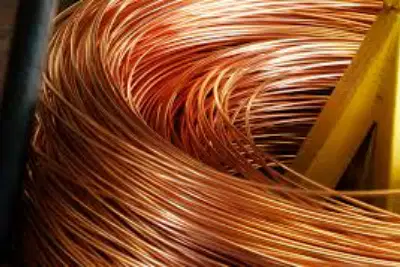
Identify the property that makes copper (Cu) ideal for wiring.
ductility
malleability
luster
gusto
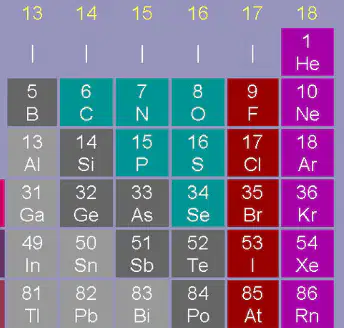
An element in group 17 of the periodic table is called __
A) halogen
B) noble gas
C) alkaline earth metal
D) fluorine family element
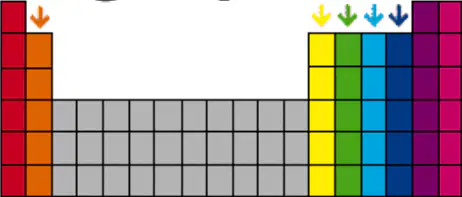
Elements in group 1 are called
alkali metals
alkaline earth metals
transition elements
hydrogen family
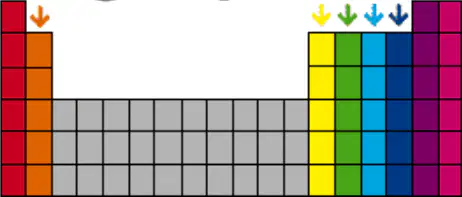
Elements in group 2 are called:
alkaline earth metals
alkali metals
noble gases
halogens
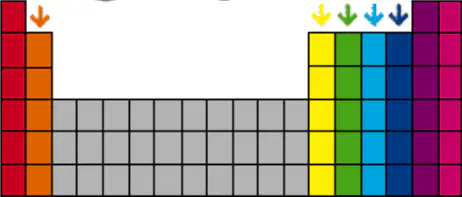
Elements in groups 3-12 are called:
transition elements
transitional atoms
lanthanide series
actinide series

Which TWO groups on the periodic table are the most reactive? CHOOSE TWO ANSWERS!
group 1
group 17
group 18
group 2
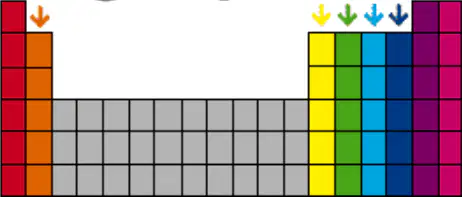
Which group on the periodic table DOES NOT form bonds with other elements naturally?
noble gases
alkali metals
transition elements
halogens
What determines the order of elements on today's periodic table?
increasing atomic number
decreasing atomic number
increasing atomic mass
decreasing atomic mass
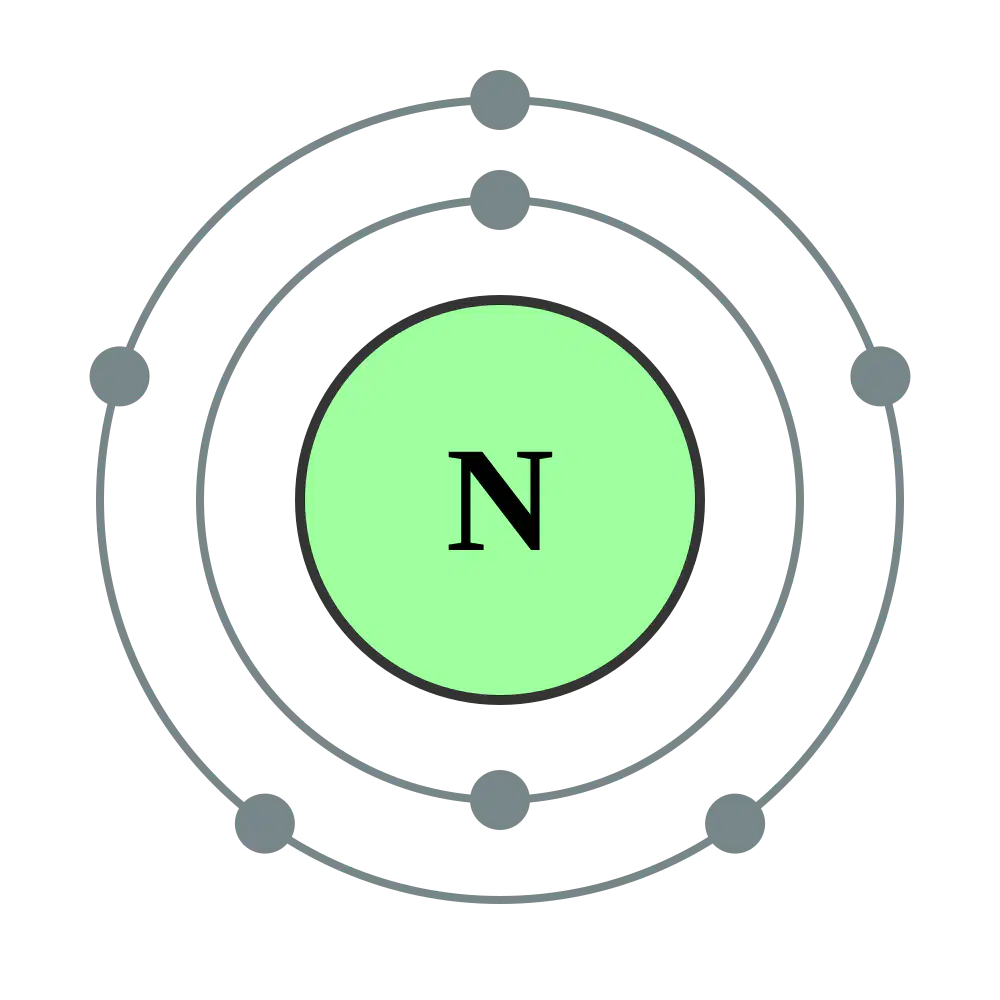
Using the periodic table, determine the atomic mass of nitrogen.
7
7.01
14.01
21.01
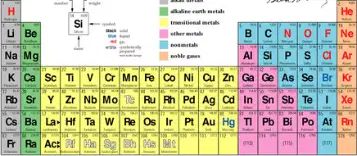
Look at the periodic table, which list of elements forms a group on the periodic table?
Li, Be, B, C, N, O, F, and Ne
He, Ne, Ar, Kr, Xe, and Rn
B, Si, As, Te, and At
Sc, Ti, V, Cr, Mn, Fe, Co, Cu, Ni, and Zn
Which is NOT a property of metals?
brittle
conductivity
ductility
luster
Where are most nonmetals located on the periodic table?
left side
middle in between the other two
right side
Which of the elements below is a metalloid?
carbon
silicon
oxygen
aluminum

Iodine is a solid nonmetal. What is one property of iodine?
dull
shiny
malleable
conductive
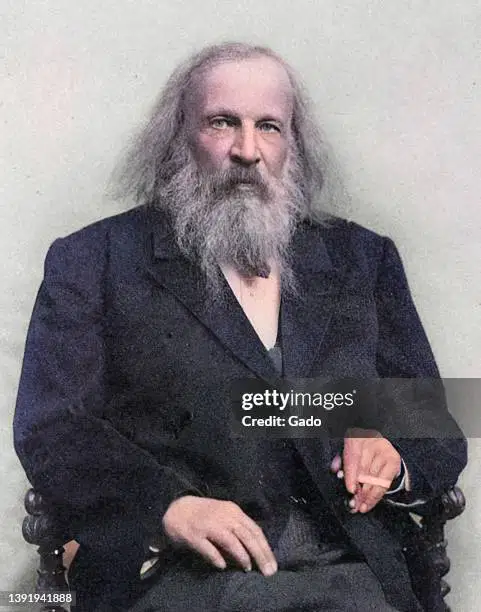
Dmitri Mendeleev is known as the father of the periodic table
True
False

Mendeleev grouped all the known elements together on his table and left no spots for undiscovered elements.
True
False
The word periodic means repeating pattern.
True
False
There are 7 groups on the periodic table.
True
False
There are 7 periods on the periodic table.
True
False
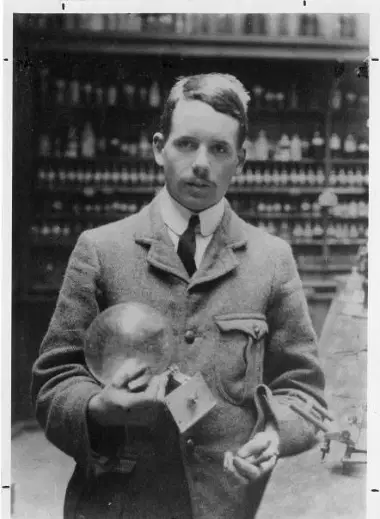
Henry Moseley is called the 'Father of the Periodic Table'.
True
False
Which one of these is NOT usually included on an element key?
A) atomic number
B) symbol
C) state of matter at room temperature
D) melting point
If two elements are in the same group, then we can determine that they have:
same number of protons
same atomic mass
similar properties
same person discovered them
Which group of elements do the lanthanide and actinide series belong to? (These are the two rows of elements at the bottom of the periodic table)
group 3
transition metals
alkali metals
nonmetals
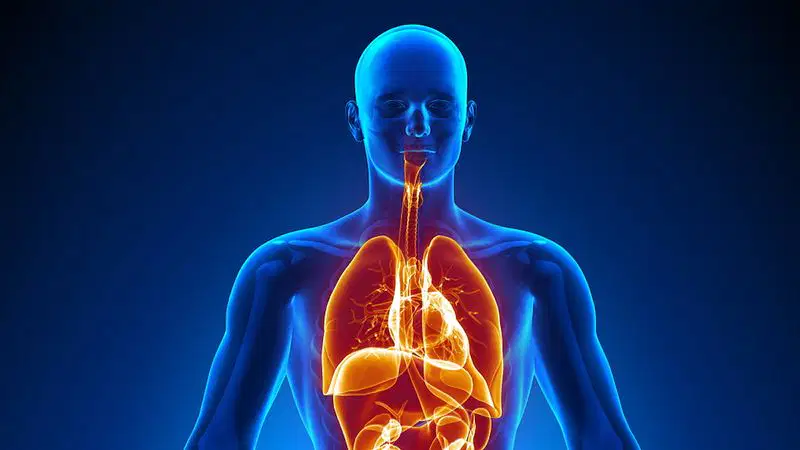
Which group of elements are also called the "elements of life"?
nonmetals
metals
metalloids
transition metals

Nonmetals are used in electronics because they are great semiconductors.
True
False

What is calcium (Ca)?
metal
nonmetal
metalloid

What is iron (Fe)?
metal
nonmetal
metalloid
What is chlorine (Cl)?
metal
nonmetal
metalloid
The majority of the elements are:
metals
nonmetals
metalloids
noble gases
How many groups are on the Periodic Table?
(a)
How many periods are on the Periodic Table?
(a)
Who reorganized Mendeleev's Periodic Table?
Democritus
John Dalton
Henry Moseley
Marcus Auerillus
Shiny, good conductors of heat and electricity, high density, etc. are characteristics of...
metals
nonmetals
metalloids
Dull, most are gases at room temperature, brittle if a solid, bad conductors, etc. are properties of ...
metals
nonmetals
metalloids
Properties of these elements are mixed. Some are shiny, some are dull, some are good conductors, some are bad, etc.
metals
nonmetals
metalloids

