
 Worksheets
DA 5 Review
Total questions: 35
Worksheet time: 35mins

Number 3 is found in plant cells. It surrounds the cell membrane to support the cell and help control water entering and exiting the cell.
Vacuole
Cell Wall
Chloroplast
Lysosome

Energy for the organism is made in the:
Mitochondria
Endoplasmic Reticulum
Golgi Body
Ribosomes
_________________ store water and other important materials in plant cells.
chloroplasts
cell wall
vacuoles
ribosomes
______________________ help turn energy from the sun into food for the cell during photosynthesis.
Chloroplasts
Vacuoles
Cell Wall
Endoplasmic Reticulum
In a Eukaryotic cell, the genes that code for genetic ____ are found on ____ and located in the _____.
Traits, chromosomes, nucleus.
Traits, ribosomes, mitochondria.
DNA, centromeres, cytoplasm.
Chromosomes, the cytoskeleton and cytoplasm.
A cell membrane:
Controls what enters and exits the cell.
Makes protein for the cell.
Is found in all cells.
Is found in plant and animal cells only.
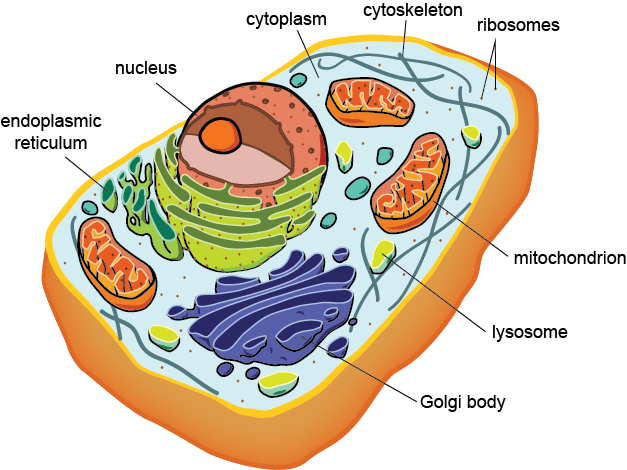

Which pair of words could be used to describe this organism?
Autotrophic, unicellular, and prokaryotic
Autotrophic, multicellular, and eukaryotic
Heterotrophic, multicellular, and eukaryotic
Heterotrophic, prokaryotic, and unicellular
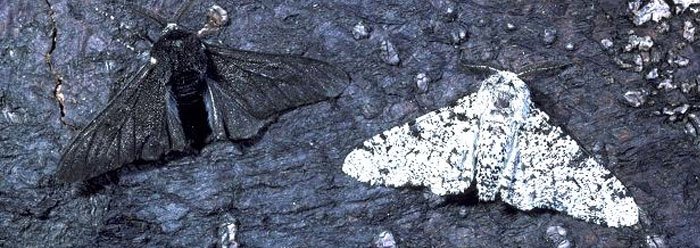
The trees these moths used to live on were white, but have been covered in soot(pollution) from coal factories. Which moth will be more successful in this environment?
Dark moth
Light moth
Both will be equally successful
Neither will be successful
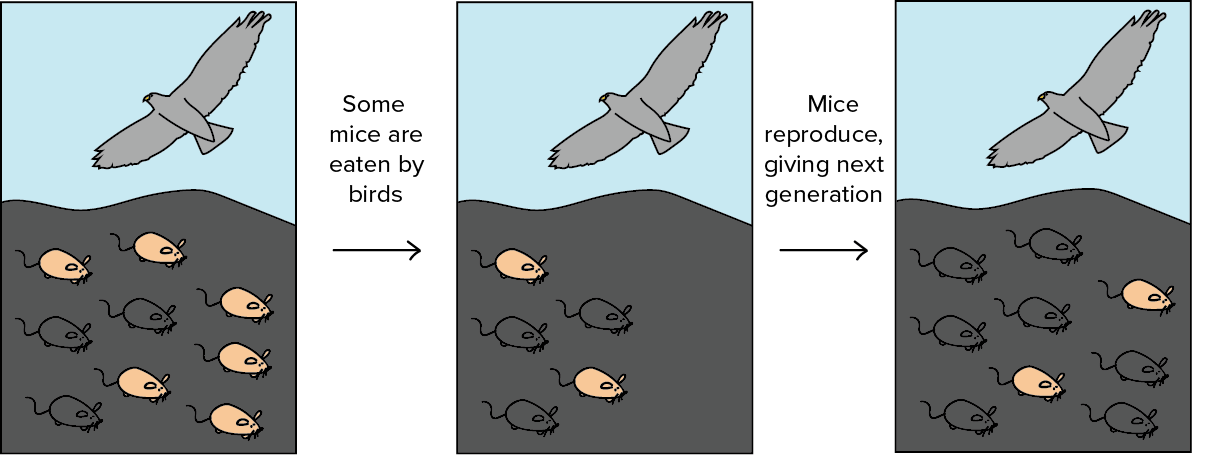
Why is the mouse population changing over time?
The light mice can reproduce more successfully than the dark mice
The hawks eat more dark mice than light mice because the dark mice taste better
The hawks eat more light mice than dark mice because they can see the light mice more easily
The hawks eat more dark mice than light mice because they can see the dark mice more easily


Scientist have created larger and sweeter strawberries for humans to consume (eat). What process was used?
Natural Selection
Artificial Selection

When food is scarce ( not much available), bears hibernate.What type of adaptation is this?
Structural and Behavioral
Physiological and Behavioral
Physiological and Structural

Skunk releases and sprays odor at predator
Structural
Behavioral
Physiological
How do environmental changes affect genetic variation?
Environmental changes can create new challenges that may favor certain genetic variations, leading to changes in the population over time.
Environmental changes have no impact on genetic variation.
Genetic variation is solely determined by random mutations, unaffected by environmental factors.
Environmental changes only affect the physical traits of organisms, not their genetic makeup.

Food Web B is an example of...
Low biodiversity and low sustainability. If the producer dies then the entire food web may experience major effects.
High biodiversity and high sustainability. If an organism is removed the food web will continue with no effect.
Natural Disasters such as earthquakes, flooding, and fires can cause ____. What type of succession does this represent?
short term changes; Primary succession.
long term changes; Primary succession
short term changes; Secondary succession.
long term changes; Secondary succession


Biodiversity is important to keep an area (biome) healthy. In this example "Food Web A" is sustainable. Why is sustainability important for an ecosystem in "Food Web A".
If one organism is removed the food web can still operate (work) with little or no negative effect.
If an organism is removed the food web will collapse and will affect the environment.
Which level would have the LEAST amount of energy available?
Primary Consumers
Tertiary Consumers
Producers
Secondary Consumers


Which adaptation would benefit a plant growing on the ground in a rainforest?
Thorns to stay safe from predators
Large flowers to attract different animals
Thick stems to survive drought
Large leaves to take in as much sunlight as possible
Potential consequences of introducing exotic species to new environments may include:
Outcompeting native species, and disrupting ecosystems
Promoting biodiversity and ecosystem stability
Reducing competition for resources
Improving the health of native species

Which is the best model for long-term ecological stability?
A. Because primary consumers supply energy to the rest of the ecosystem.
B. Because any ecosystem can support only a small number of top-level consumers.
C. Producers provide energy for the entire ecosystem.
A. Primary consumers keep the number of producers low so there is enough energy for the rest of the members of an ecosystem.

Organism X feeds mainly on small fish, amphibians, and reptiles. With which organism is organism X most likely to compete?
Great blue heron
Mallard
Pied-billed grebe
Great egret

Select the most correct answer.
F
G
H
j

F
G
H
J

F
G
H
J

A
B
C
D
Which organelle produces proteins?
Ribosomes
Lysosomes
Nucleus
Vacuoles

