
 Worksheets
European Middle Ages (Ch 13)
Total questions: 104
Worksheet time: 52mins
All of the following resulted from the repeated invasions of the Germanic tribes that led to the fall of the Roman Empire EXCEPT :

The leader who brought Christianity to the Franks was:
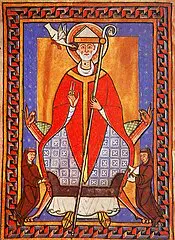
The person who was chiefly responsible for increasing the Church's secular (non-religious) role during the Middle Ages was:
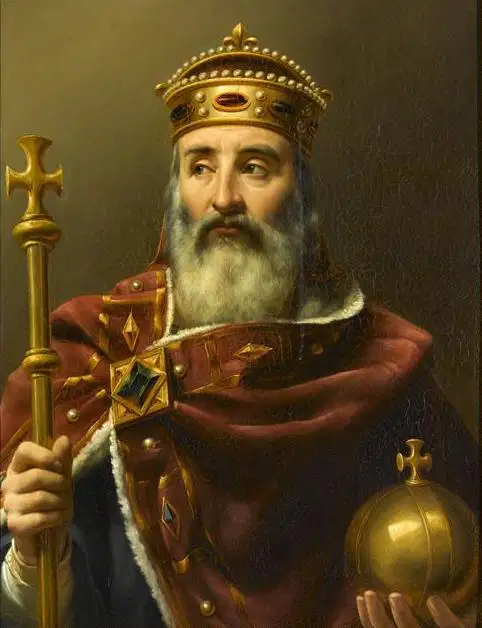
The achievement for which Charlemagne is most remembered was:
The Treaty of Verdun resulted in:

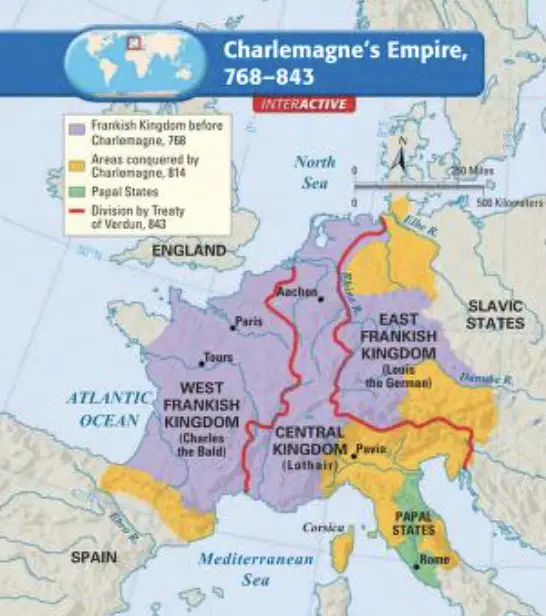
By 814, what was the extent of Charlemagne's empire (north to south, east to west)?
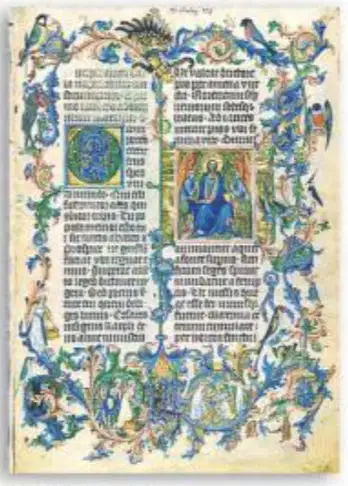
To adapt to rural conditions during the middle ages, the Church built religious communities called ______________________ where Christian men called __________ gave up their private possessions and devoted their lives to serving God and creating illuminated manuscripts, such as the one shown here.

What was the ethnic background of the Vikings?

Which of the following groups was called the Northmen?
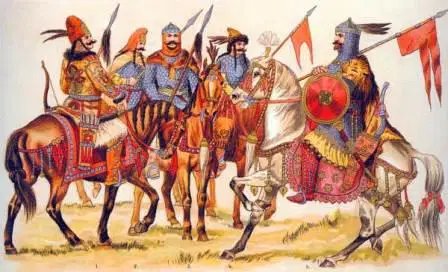
Which of the following groups were Turkish nomads?

Under the system of feudalism, a fief belonged to which category?
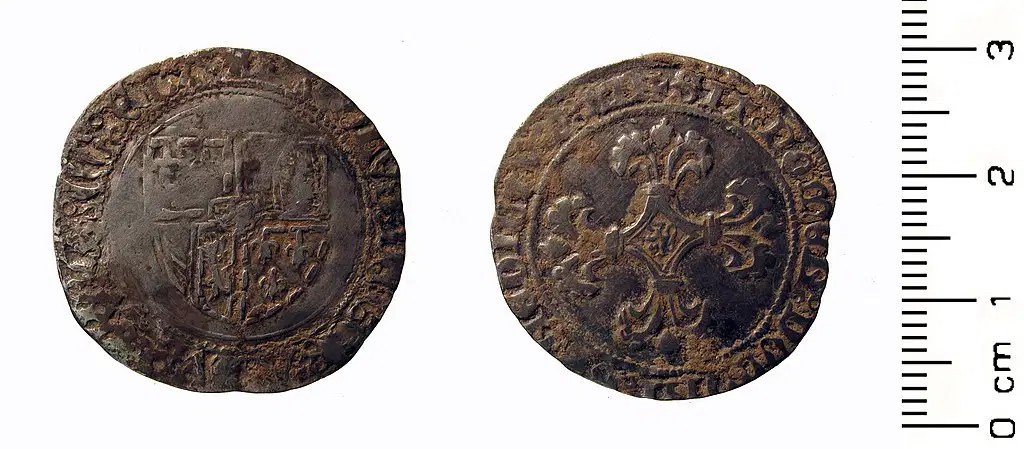
In the feudal system, a tithe represented what part of a peasant's income?

A tithe was a payment made to which type of person?

In the feudal system, what was a manor?
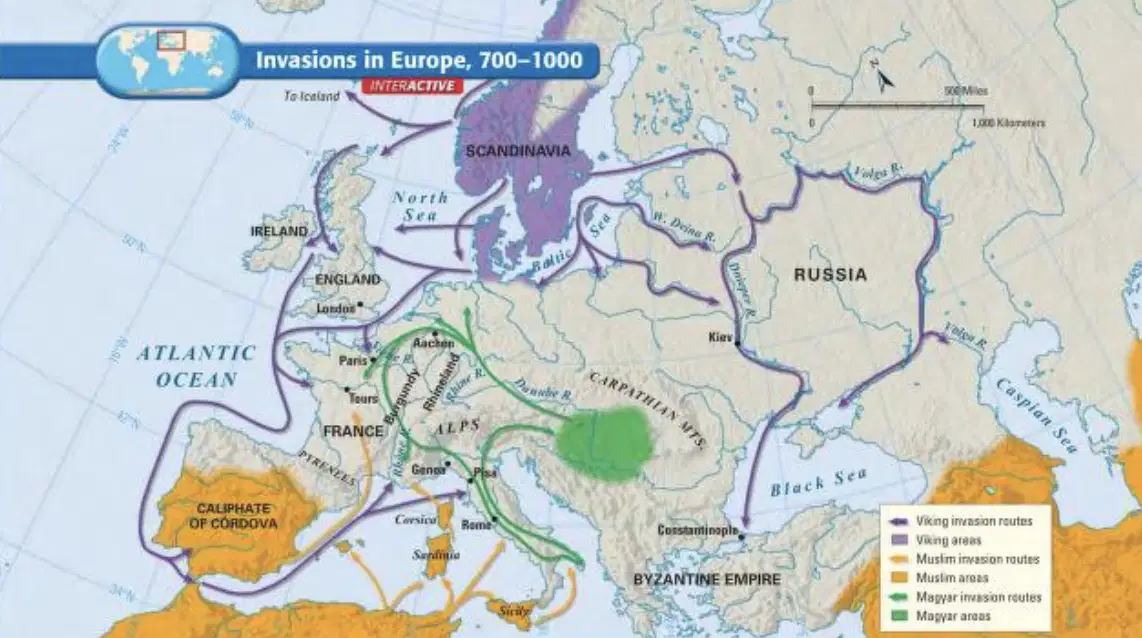
Use the map to answer the question: What lands did the Vikings raid? Check all that apply:

The Code of Chivalry required knights to be loyal, brave, and courteous. All knights, without exception, were able to meet these high standards.

Which invaders' inland routes tended to follow rivers?
How were feudalism and the manor system related?

Knights most commonly traded military service for

Troubadours were
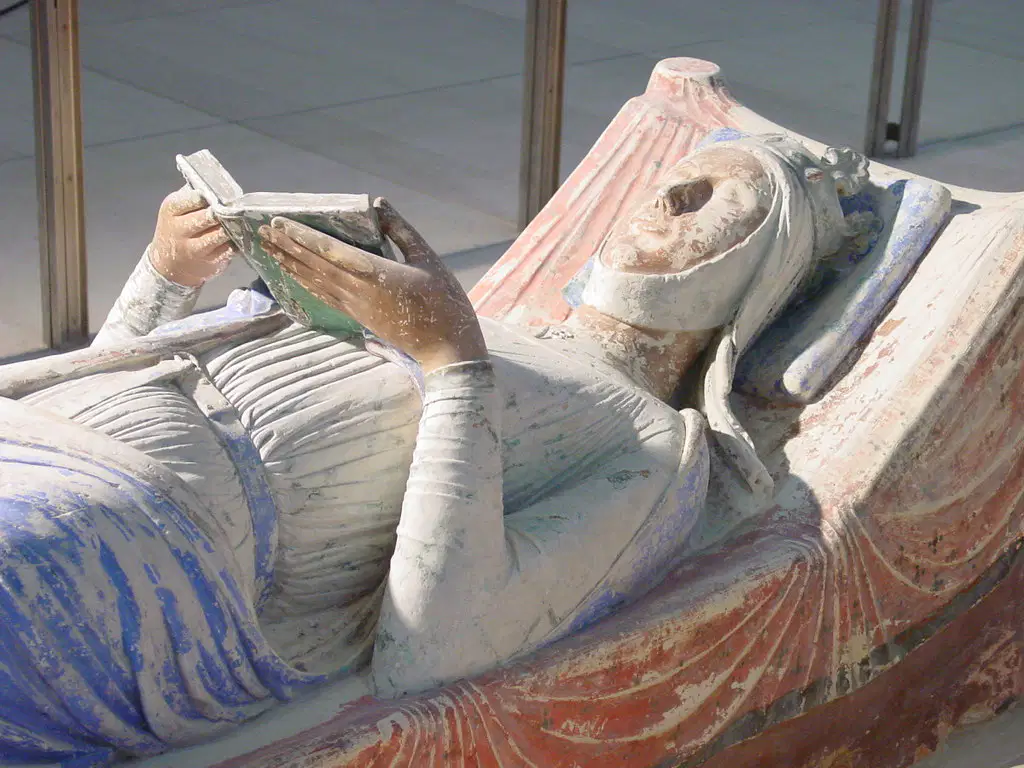
Eleanor of Aquitaine is famous for
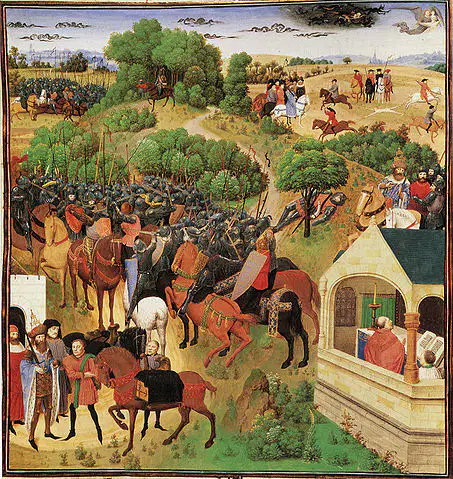
The Song of Roland is an epic poem about a battle between French knights and
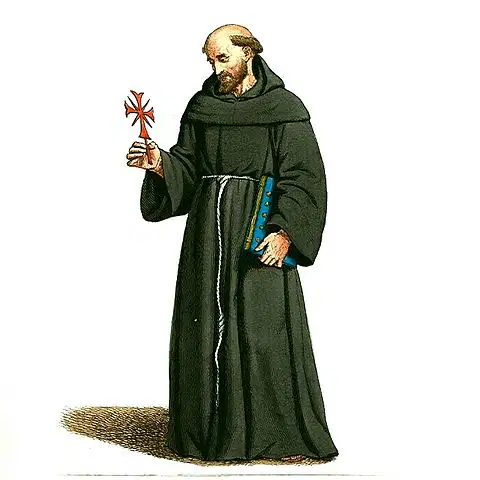
During the Middle Ages, the lowest-ranking members of the clergy were

A knight was expected to fight bravely in defense of three masters, including

All of the following could be said about the tournaments held in the Middle Ages EXCEPT that they were
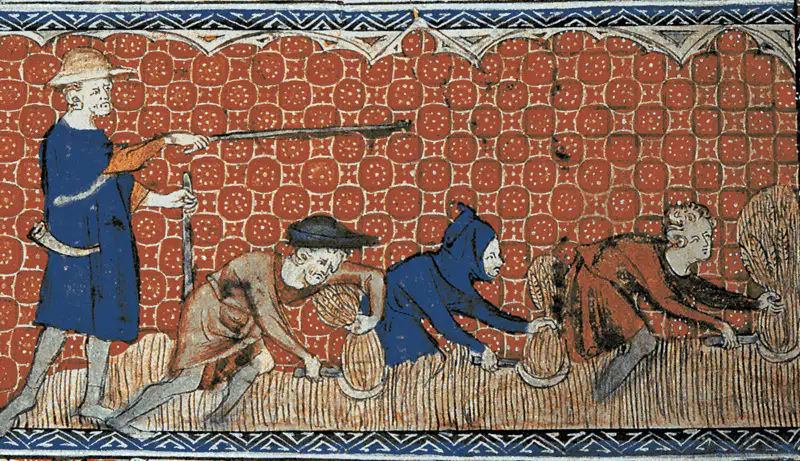
Which of the following is a synonym for serf?

One example of a sacrament is
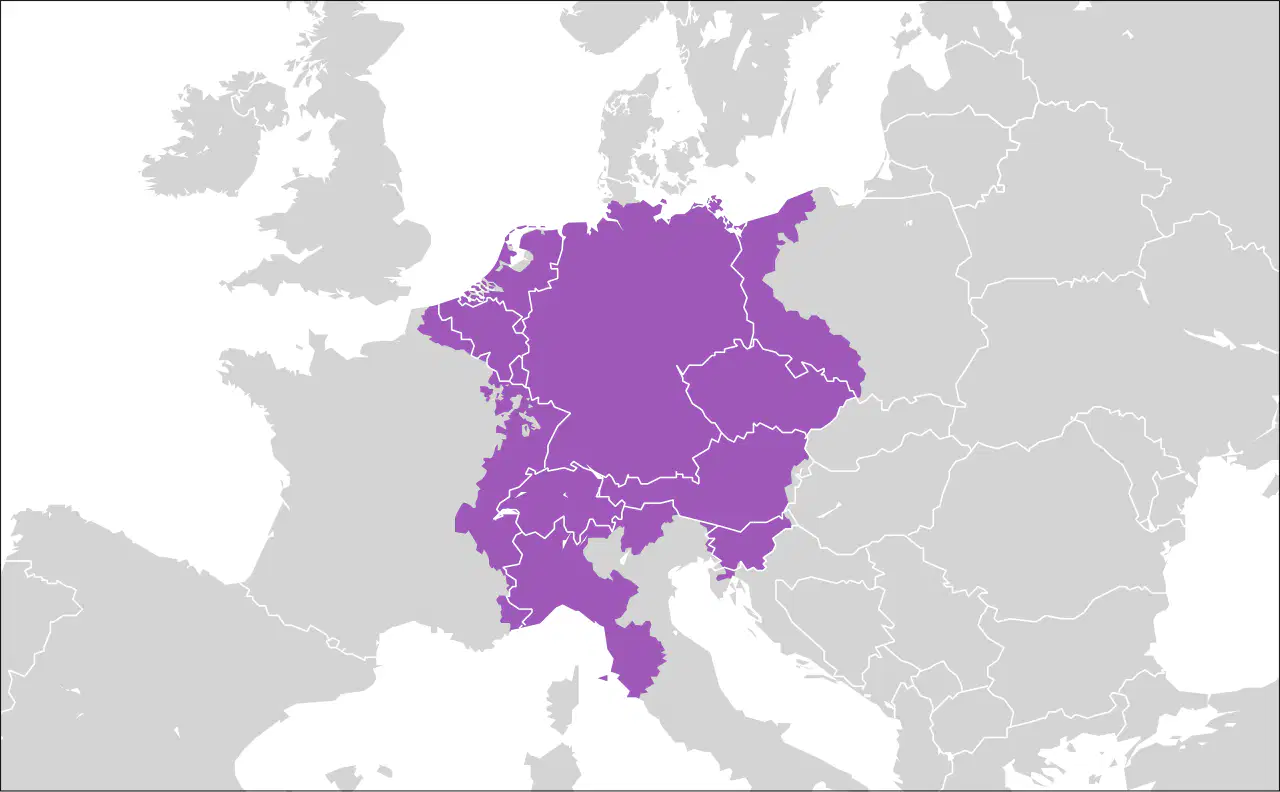
In 1100, The Holy Roman Empire covered most of:

Canon law deals with issues under the authority of:
Emperor Henry IV's punishment for defying the pope was:
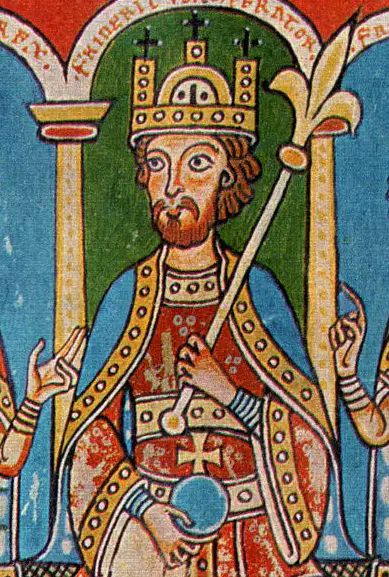
The person who was so famous for his red beard that he was nicknamed Barbarossa was:
What did knights receive in exchange for their pledge of loyalty to a lord?
a sword
a fief
a holy relic
an indulgence
What did knights receive in exchange for their pledge of loyalty to a lord?
a sword
a fief
a holy relic
an indulgence
What was manorialism?
The knights code of honor
The economic system of feudalism
The social structure of feudalism
The jobs done by groups of Christian monks
What brought stability to Western Europe after the fall of the Roman Empire?
the election of government officials
the development of the feudal system
the development of the caste system
the creation of well-structured cities
What caused the growth of feudalism in Europe during the Middle Ages?
the rivalry between the ancient empires
the unification of European rulers
the decline of the Roman Catholic Church
the collapse of a strong central government
Under manorialism, who did most of the actual work on the landholdings of the lords?
king
knights
lords
peasants
Which would be the most accurate description of a vassal?
one who buys land from the government
one who has a person working for him
one who is the leader of the manor and gives away land
one who is obligated to another because of land received
How did feudalism help to create nation-states in Western Europe?
it changed the economy to be based on trade
it weakened the power of the Roman Catholic Church
it strengthened the kings army and centralized their power
it did not make an impact on Western Europe
Why did Europeans in the Middle Ages turn towards feudalism?
it offered the people protection and stability
it was forced upon them by the traders along the Silk Road
The feudal system was similar to the Roman government
The Pope told them to do it or they would not go to heaven
Which of the following could be considered vassals under the feudal system?
King
Lord/Noble
Knight
Samurai
What was a major characteristic of the Middle Ages in Western Europe?
the manor system and the importance of land ownership
limited monarchies and strong central governments
decreased emphasis on religion in daily life
increased educational opportunities
"Serfs were tied to the land."
What does the above statement mean?
Serfs were not allowed to sell crops that they grew on the lord's manor
Serfs were not allowed to leave the lord's manor without permission
Serfs were not allowed to perform more than one job on the manor
Serfs were not allowed to attend mass without the lord of the manor
Which of the following contributed to the growth of feudalism in Europe?
farmers looking for fair wages
loss of a strong central government
tribal warfare and invasion
weak economy

What does this diagram reveal about the feudal system?
It was based on educational achievement
It was based on social advancement
It was based on social class structure
It was based on Protestant or Catholic faith
The era in European history that followed the fall of the Roman Empire, lasting from about 500 to 1500 also called the medieval period.
Monastery
Franks
Middle ages
Secular
Germanic people who settled in the Roman province of Gaul /rough.y the area now occupied by France) and established a great empire during the Middle Ages.
Monastery
Franks
Secular
Dynasty
A religious community of men (called monks) who have given up their possessions to devote themselves to a life of prayer and warship
Monastery
Middle ages
Lord
Secular
Concerned with worldly rather than spiritual matters
Dynasty
Franks
Lord
secular
A dynasty of Frankish rulers lasting from A.D. 75 to 987.
Secular
Carolingian
Fief
Lord
A series of rulers from a single family.
Vassal
Lord
Dynasty
Tithe
In feudal Europe, a person who controlled land and could therefore grant estates to vassals.
Lord
Fief
Vassal
Knight
An estate granted to a vassal by a lord under the feudal system in medieval Europe.
Vassal
Fief
Tournament
Troubadour
In feudal Europe, a person who received a grant of land from a lord in exchange for a pledge of loyalty and service.
Manor
Vassal
Middle ages
Lord

in medieval Europe, an armored warrior who fought on horseback.
Knight
Tithe
Troubadour
Fief
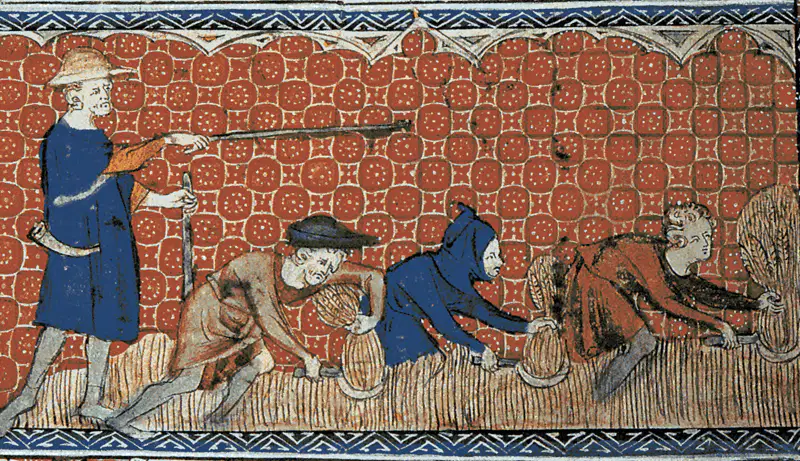
A medieval peasant legally bound to live on a lord's estate.
Vassal
Lord
serf
Troubadour
A lord's estate in feudal Europe.
Troubadour
Serf
Knight
Manor

A family's payment of one-tenth of its income.
Lord
tithe
Manor
Dynasty
A code of behavior for knights in medieval Europe, stressing ideals such as courage, loyalty, and devotion.
Chivalry
Holy Roman Empire
Vassal
Canon

A mock battle between groups of knight.
Canon
Clergy
Tournament
Tithe
A medieval poet and musician who traveled from place to place, entertaining people with songs courtly love.
Troubadour
Clergy
Middle ages
Franks
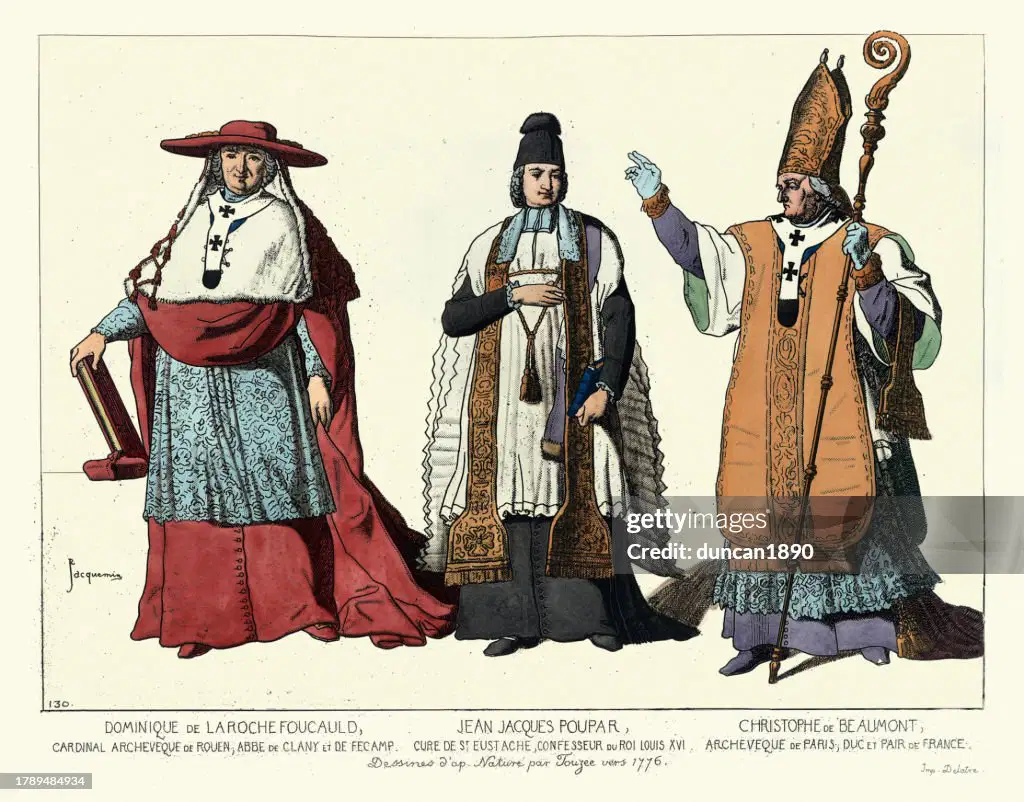
a body of officials who preform religious services-such as priests, ministers, and rabbis.
Tithe
Canon
Holy Roman Empire
Clergy
One of the Christian ceremonies in which God's grace is transmitted to people
Franks
Sacrament
Serf
Calvary
law the body of laws governing the religious practices of a Christian church.
Canon
Middle ages
Holy roman empire
Serf
An empire established in Europe in the 10th century A.D., originally consisting mainly of lands in what is now Germany and Italy.
Holy Roman Empire
Canon
Sacrament
Tournament
The appointment of religious officials by kings or nobles.
Middle ages
Lay investiture
Franks
Clergy

Political system used during Middle Ages where land was exchanged for loyalty and service.
Fief
Kingdom
Feudalism
Monarch
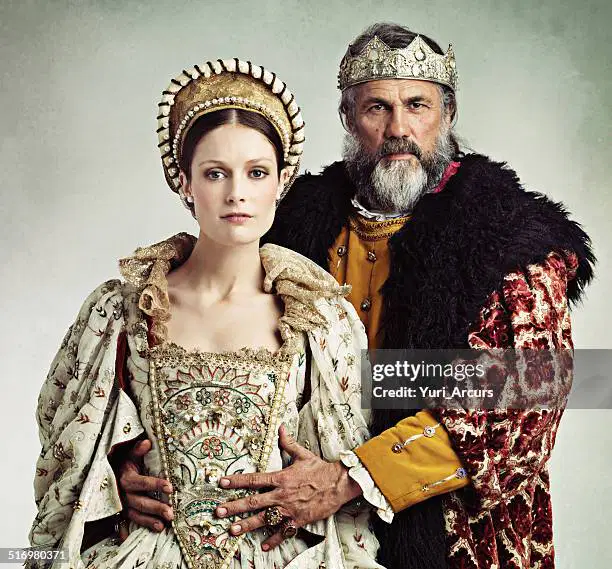
Another name for a king or queen.
Prince
Princess
President
Monarch
A land owner in the Middle Ages who is in charge of the people on his land and the lesser lords he gave land to.
Lord
Squire
Page
Fief
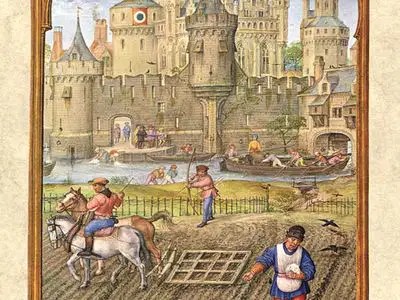
A piece of land given from lord to a lesser lord.
Vassal
Royalty
Kingdom
Fief
Upper class land owners
Vassal
Noble
Serf
Plebeian
A lesser lord who accepts land from a more powerful lord and pledges loyalty and service to that lord
King
Monarch
Vassal
Peasant
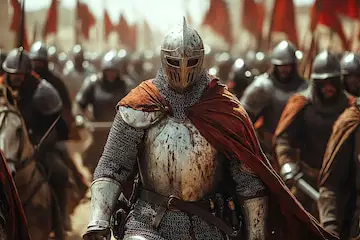
A nobleman who was trained as a warrior and lived their live according to a code of chivalry
Samurai
Navy
Vassal
Knight
Young man from the age of 14-18 who was a servant to a knight and was also training to become a knight
Patron
Squire
Apprentice
Spartan

Lower class during the Middle Ages who worked on a manor in exchange for protection.
Knight
Noble
Lord
Peasant
A peasant who was bound to the land
Serf
Apprentice
Page
Squire
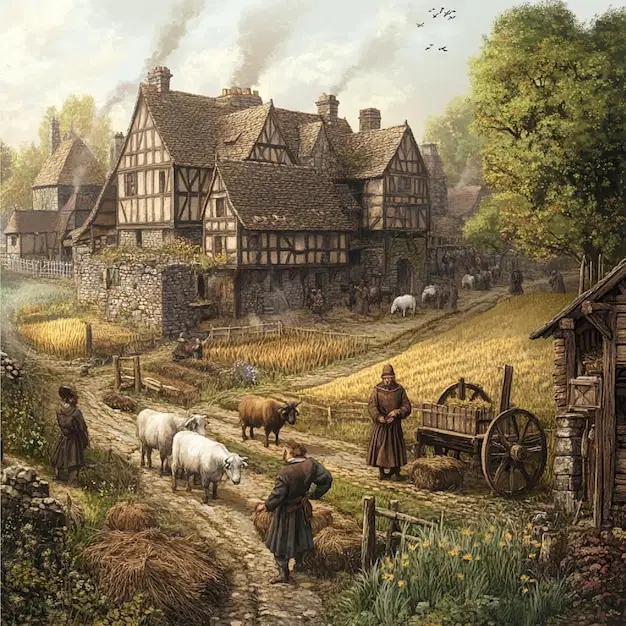
The village where nobles and peasants lived, also where all the economic activity took place during the Middle Ages.
Province
County
Manor
Vassal
Men who lived in a religious community who take vows of poverty, chastity, and obedience
Manor
Squire
Monk
Vassal
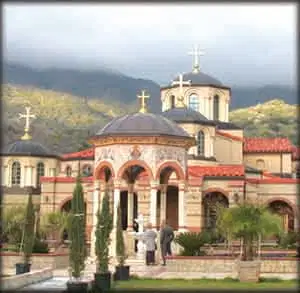
Place where monks live and study
Convent
Monastery
Castle
Manor
Title given to a young boy, ages 7-13, who was training to become a knight
Monk
Apprentice
Monarch
Page
Code of conduct which a knight swore to uphold
Ethics
Semper Fi
Chivalry
Tithe
Event where knights would ride towards each other with blunted lances (long poles) in attempt to knock each other off of their horse
Joust
Chivalry
Squire
Page
A tax of one-tenth of a person's produce or earnings given to the church
Fallow
Joust
Chivalry
Tithe
A piece of land which is not farmed for a year to restore the nutrients in the soil
Fief
Vassal
Fallow
Serf
A way to show levels of power
Chivalry
Manor
Hierarchy
Fiefdom
Because it was too dangerous to travel to trade, each manor had to be _________________________, or able to provide everything they needed.
nobility
self-sufficient
vegan
monastic
What nationality was Charlemagne part of?
Romans
Gauls
Franks
Goths

Who was Charlemagne's grandfather?
Charles the Hammer
Constantine the Great
Leo IX
Henry VIII
What story is about Charlemagne?
A Knight's Tale
Ivanhoe
Catcher in the Rye
The Song of Roland
What important battle did Charles the Hammer win?
Battle of Rome
Battle of Paris
Battle of Tours
Battle of Manzikert
What year was Charlemagne crowned Emperor?
700
800
850
750
Where was Charlemagne crowned Emperor?
Rome
Aachen
Paris
Ravenna
What dynasty came before the Carolingian?
Tudor
Merovingian
Capetian
Napoleonic
Which Pope crowned Charlemagne?
John XII
Benedict XVI
Gregory the Great
Leo III
What people was Charlemagne not the king of?
Lombards
Franks
Romans
Arabs
What empire(s) claims descent from Charlemagne?
Holy Roman Empire
Austrian Empire
French Empire
Prussian Empire
What was Charlemagne's capital?
Rome
Paris
Aachen
Poitier
What was the primary purpose of a castle in medieval Europe?
To serve as a marketplace
To provide protection and defense
To host tournaments
To train knights
Which term describes the economic system where peasants worked the land for lords in exchange for protection?
Capitalism
Socialism
Mercantilism
Feudalism
What was the main role of a lord in the feudal system?
To write laws for the king
To serve as a religious leader
To protect and govern the land
To work the fields
Which group was responsible for preserving knowledge and learning during the Middle Ages?
Monks
Vassals
Knights
Serfs
What was a fief in the context of medieval Europe?
A code of conduct
A religious ceremony
A grant of land
A type of weapon

