
 Worksheets
APHUG Unit 6 Review
Total questions: 56
Worksheet time: 31mins
What are you most likely to find in a central business district (CBD)?
places of worship & government offices
parks/green space & farmland
schools, single family homes, shopping malls
businesses, financial services, shops, restaurants
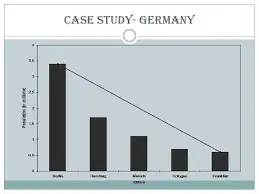
If the 3rd largest city in a region has 1/3 the population of the largest city, this shows...
central place theory
core-periphery
rank-size rule
redlining
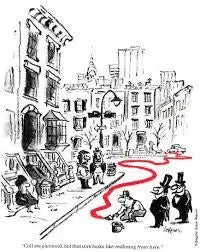
When a bank refuses to give home loans in poor neighborhoods:
blockbusting
white flight
gentrification
redlining
The creation of the highway system and affordability of the automobile led to:
Gentrification
Primate Cities
urban sprawl
new urbanism
Getting white or wealthy homeowners to sell homes cheaply out of fear of poor people moving in:
redlining
gentrification
urban hierarchy
blockbusting

Which model is this?
Gravity Model
Borchert's Epochs
Hoyt Sector Model
Christaller's Central Place Theory

Which model is this?
Gravity Model
Burgess Concentric Zones Model
Latin American City Model
Harris-Ullman Multiple Nuclei Model
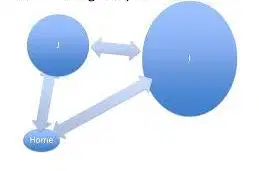
Which model says: If a mid-size city & a large city are equidistant, you'll pick the larger?
rank-size rule
Galactic City Model
Central Place Theory
Gravity Model

What model is this?
Burgess Concentric Zone
Hoyt Sector
Harris-Ullman Multiple Nuclei
Peripheral

Which model is this?
African city
concentric zone
Latin American city
multiple nuclei

According to the Central Place Theory, which of the following would contain the most specialized stores?
Yuba City, CA
Los Angeles, CA
Chico, CA
Linda, CA
You are willing to drive 10 minutes out of your way to go to Starbucks, but you won't go 20 min. This is an example of:
range
threshold

If you try to open a high end fashion boutique in a town of 100 people, it will likely fail because:
the threshold is too low
the range is too close
the threshold is too high
the range is too far
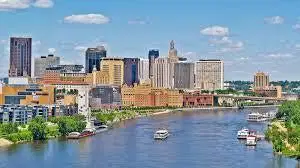
Relatively large, independently functioning urban area on outskirts of major city, usually containing stores and offices:
edge city
Boomburb
Exurb
Rural Development
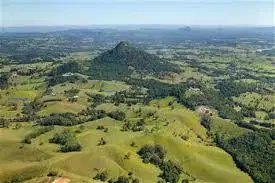
A region far from settled areas:
edge city
central business district
conurbation
hinterland

Cities often have this layout in which world region?
North America
Latin America
Africa
Southeast Asia
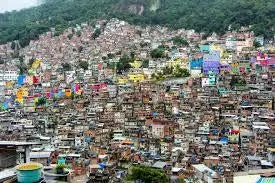
A favela would fit into which part of the Latin American City Model?
market center
commuter zone
transportation & industry sector
zone of peripheral squatter settlements
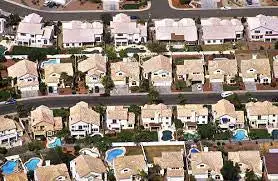
A rapidly growing suburb that has become more like a major city itself:
CBD
exurb
exclave
boomburb
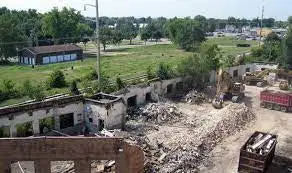
Former industrial site within a city that is undeveloped and possibly contaminated with hazardous waste:
brownfield
greenbelt
infilling
filtering
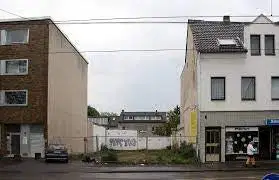
When an unused/open space inside a city attracts development of high-density housing:
filtering
infilling
gentrification
greenbelt
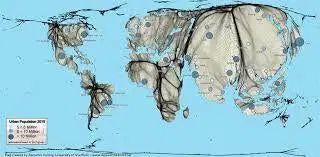
Megacities are rapidly increasing in...
core countries
Core and semi-periphery countries
semi-periphery and periphery countries
periphery countries

What is one reason why European countries produce fewer greenhouse-gas emissions than the United States?
European countries have higher tax revenues
European cities have more greenbelts
European cities were largely built before the automobile and therefore are more walkable/bikable
European countries have stronger economies.
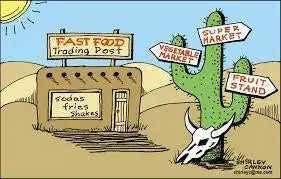
What is a food desert?
geographic area throughout which the desert is expanding
area in a city with no grocery store or fresh produce
a country with high levels of food insecurity
another term for malnourished

Poorer people pushed out of neighborhoods as wealthier people move in & prices rise:
gentrification
redlining
gerrymandering
blockbusting
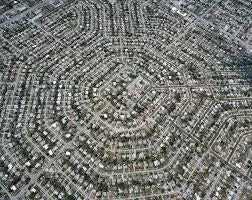
As more people move to cities & they expand, taking up farmland & expanding highways...
desertification
new urbanism
urban sprawl
Gravity Model
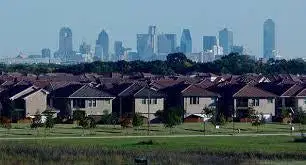
When people build larger homes, with larger yards, for cheaper, outside of but close to a city:
industrialization
new urbanism
suburbanization
primate city
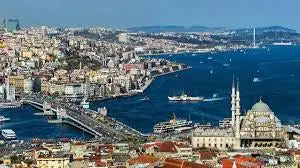
A very large city with a population over 10 million:
capital city
primate city
world city
megacity
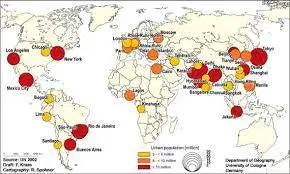
Megacities in developing countries are largely the result of...
graying populations
deindustrialization
structural readjustment programs
looking for work/opportunity; escaping rural poverty
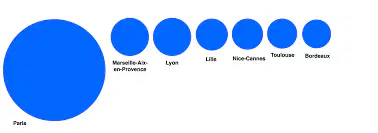
A city that is disproportionately large in its country/region is called a(n):
edge city
capital city
primate city
hamlet
A good example of a primate city is:
Paris
New York
Sydney
London
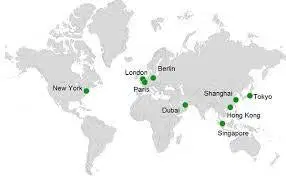
What function at the top of the world's urban hierarchy & drive globalization?
villages
megacities
primate cities
world cities
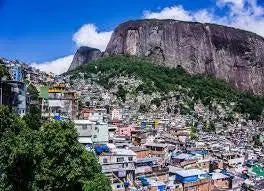
What is a major challenge for megacities?
development of slums w/no running water, sewage, electricity
decreasing popoulation size
decreased pollution
uncontrolled/unplanned urban expansion
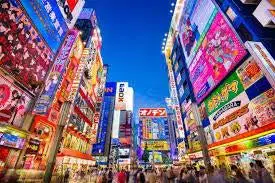
Which is NOT a world city?
New York
Tokyo
Lagos
London
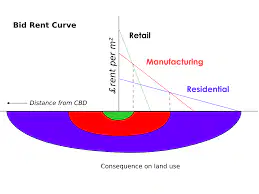
Property/land values going up due to competition in central business districts:
Bid-Rent Theory
Central Place Theory
von Thunen model
Rostow's Model
A primate city such as Mexico City is
always located in the center of its country for maximum accessibility
more than twice the size of any other city in its country and dominant economically and culturally
most likely to share its rank size with at least one other city in the country
always a national capital serving as the seat of government and industrial center of the country
Central place theory describes the
spatial patterns of urban and outlying areas based on the flow of goods and services
tendency of different ethnic groups to congregate in a single location
tendency of civilizations to form around certain natural features
tendency of wealth to concentrate in urban core areas
Which of the following was NOT a reason for rapid suburbanization in the United States after the Second World War?
Mass production of the automobile
Expansion of the interstate highway system
Availability of low down payment terms and long-term mortgages
Reduction in long-distance commuting
The multiple-nuclei model of city structure tends to be most applicable to
small cities
traditional cities
newer, fast-growing cities
cities with homogeneous land use
Which of the following refers to the size and functional complexity of cities?
Multiplier effect
Urban hierarchy
Threshold ratio
The Sector model
Which of the following models of urban structure depicts a commercial spine bordered by an elite residential sector extending outward from the central business district?
Urban realms
Concentric zone
Latin American city
Southeast Asian city
Which of the following groups would most likely engage in the gentrification of an older residential neighborhood?
University students on limited incomes
Double-income households without children
People above age sixty-five on limited incomes
Recent immigrants on limited incomes
If the government uses "eminent domain," they are:
taking privately owned land to use for public use
denying certain districts access to home loans
granting land ownership to areas that did not have legal protections
tearing down old neighborhoods to build newer ones where they were


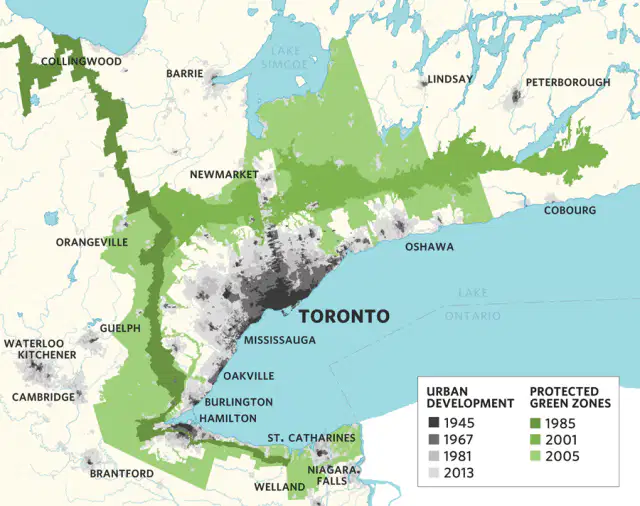
This images depicts:
A boomburb
An Edge City
A greenbelt
urban sprawl
The purpose of the highlighted area is:
It reduces growth of brownfields.
It prevents urban sprawl.
It converts rural land to urban land.
It creates housing diversity.

Which of the following factors best explains the development and expansion of squatter settlements?
Gentrification of megacities in more developed countries displacing large numbers of urban dwellers
Rapid urbanization and inability of infrastructure to keep pace with the growth of megacities in developing countries
Urban dwellers seeking residential housing and shopping outside the congestion of the city
The growth of urban agriculture encouraging migrant farm workers to move to cities requiring more housing

Which of the following is an example of a smart growth policy for urban development?
Increasing the capacity of roads/highways
Decreasing the number or size of parks/greenspace
Increasing mixed-use land policies to combat sprawl
No longer permitting industrial zoning within city limits

Starting in the 1990's, a movement known as _________ began to feature mixed-use neighborhoods with businesses and residential properties, walkable areas and a variety of price ranges for homes.
blockbusting
gentrification
leapfrogging
new urbanism

Goals of new urbanism inlcude which of these 3? (Check all that apply)
increase similar features
increase affordable housing
creating lively, vibrant neighborhoods
reducing urban sprawl

Blockbusting and redlining have contributed to... in American cities.
gated communities
racial segregation
public transportation
exurbanization

Some environmental problems in cities include...
Extreme traffic congestion during rush hour is a largely North American issue due to high levels of automobile ownership.
High rates of ridership on public transit in western Europe and Japan reflect lower income levels compared to the United States.
Many cities around the world are successfully fighting traffic congestion by building more limited-access expressways.
The relatively low population density of North American cities encourages automobile use, sprawl, and traffic congestion.
Which of the following defines Philadelphia's advantageous position in relation to other major cities on the US East Coast along Interstate 95?
Transition Zone
Vernacular Region
Situation
Site
According to the Rank Size Rule, the second largest city within a country is typically:
Half the size of the first largest
1/3 the size of the largest
Insignificant when compared with the first largest
Found near ports

