
 Worksheets
IGCSE Chemistry: Principles of Chemistry
Total questions: 58
Worksheet time: 29mins


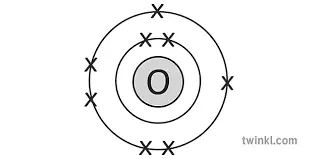
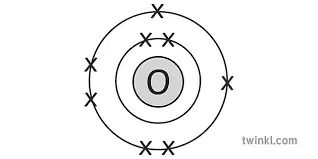
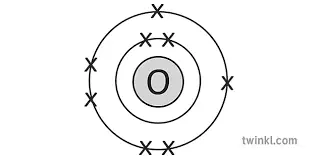
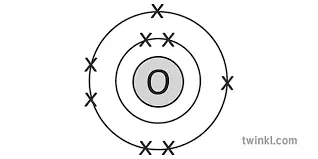
Q5. Use the diagram to deduce how many electrons an oxygen atom has in its outer shell. (Write your answer as a digit e.g. 2)
(a)
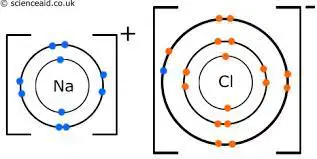
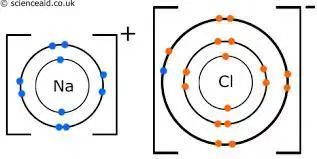
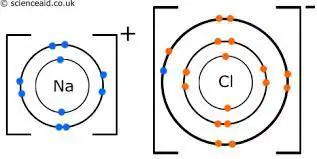
Q9. What is the name given to an atom that gains or loses an electron(s)?
(a)
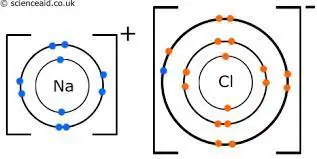
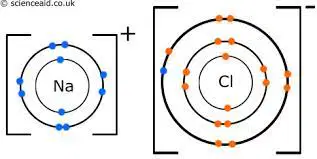
Q12. Use the diagram to deduce how many protons a chlorine atom would have. (Write you answer in digits e.g. 10)
(a)
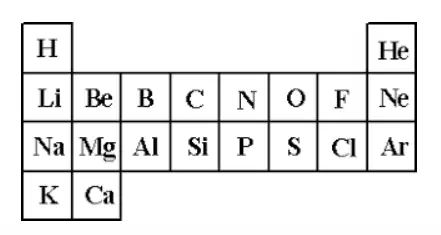
Q16. Give the symbol of an element that cannot gain or lose electrons
(a)
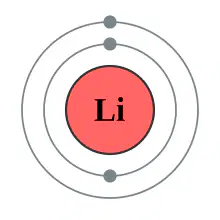
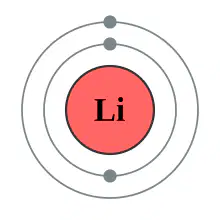
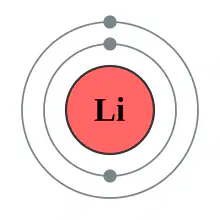
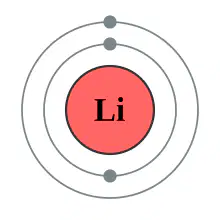
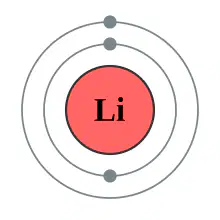
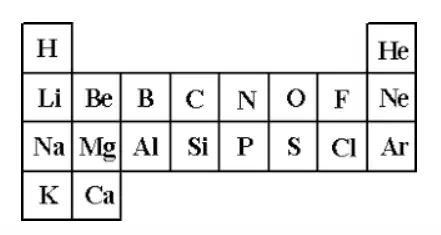
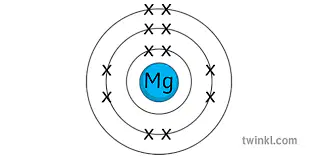
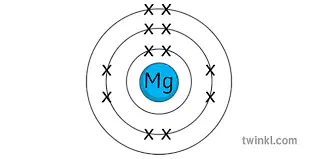
Q27. What is the symbol of the atom shown as an electron configuration diagram in Q26, above?
(a)
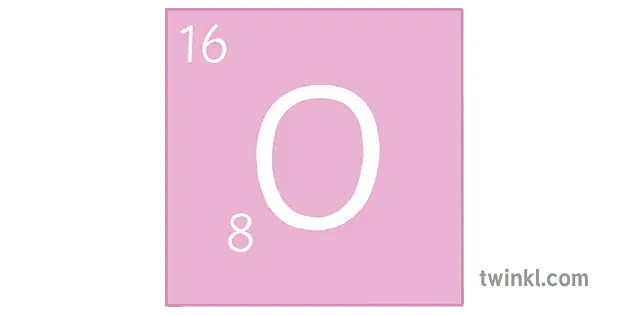
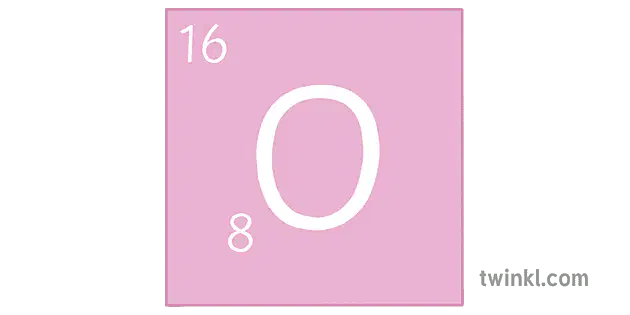
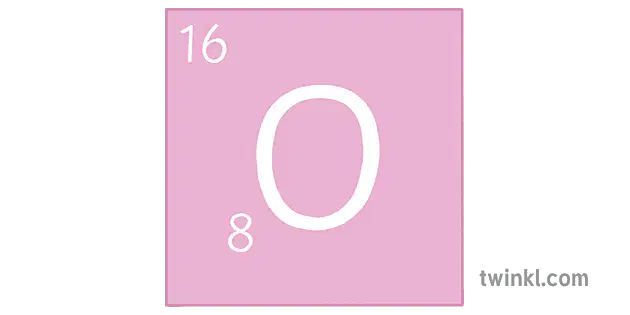
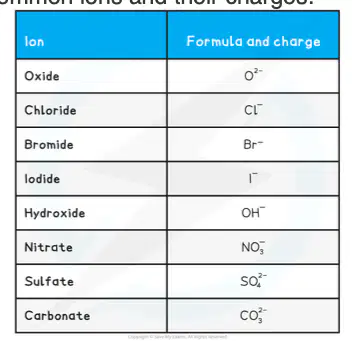
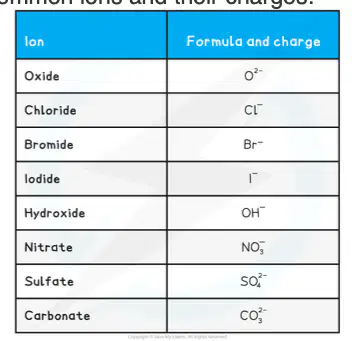
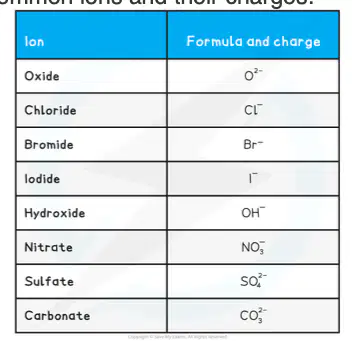
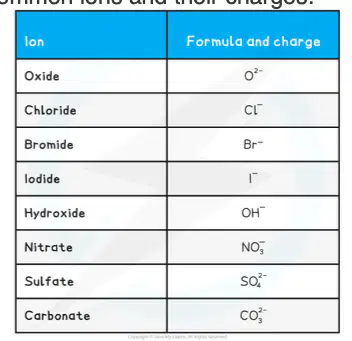
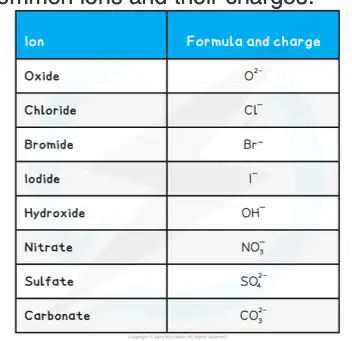
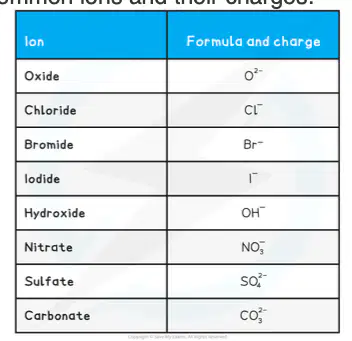
Q49. Write the formula of the compound formed between lead (Pb) and Sulfur
(a)
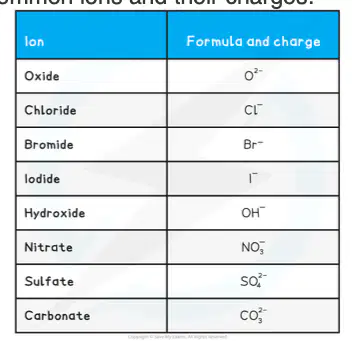
Q65. An atom of uranium has a mass number of 235 and a proton number of 92. How many neutrons does it have?
(a)
Q66. An isotope of uranium has a mass number of 238 and a proton number of 92. How many neutrons does it have?
(a)
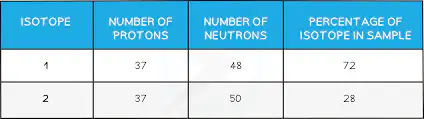
Q69. Calculate the relative formula mass of atom X with isotopes 1 and 2 from the information in the table in the image
(a)

