
 Worksheets
Respiratory System Quiz
Total questions: 26
Worksheet time: 16mins
Which of the following best describes the function of the bronchioles in the respiratory system?
Gas exchange
Sound production
Transporting air to the alveoli
Filtering the air

What letter points to the Alveoli?
C
D
E
F
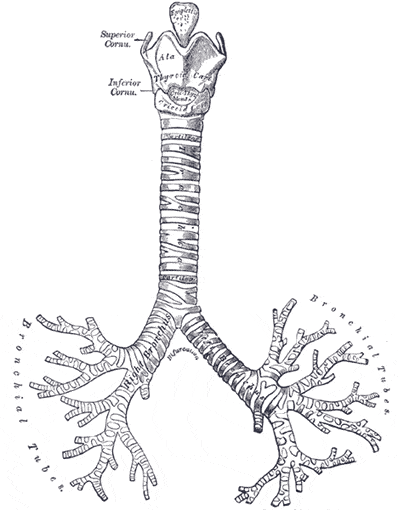

The windpipe is also called________.
trachea
alveoli
esophagus
A small flap of tissue that covers the trachea is called the
bronchi
larynx
pharynx
epiglottis

Match the vocabulary words with the correct definition.
The opening in the face through which food and drink enter the body, and air is breathed in and out. It also contains the tongue, teeth, and other structures involved in chewing and speaking.
Mouth
The part of the face that contains the nostrils and is the primary organ for breathing. It filters, warms, and moistens the air as it is breathed in.
Nose
A tube-shaped structure that connects the larynx (voice box) to the bronchi, allowing air to pass to and from the lungs. It is also known as the windpipe.
Trachea
The two branches of the trachea that lead to the lungs. They are the main airways for breathing, and they become smaller and smaller as they divide into smaller tubes, called bronchioles.
Bronchi
A muscle located at the bottom of the chest that helps us breathe by contracting and relaxing to move air in and out of our lungs.
Diaphragm

Match the following vocabulary words with the correct definitions.
Small, balloon-like sacs in the lungs where gas exchange occurs. Oxygen is taken in through the walls of the alveoli and carbon dioxide is released from the blood into the alveoli to be breathed out.
Alveoli
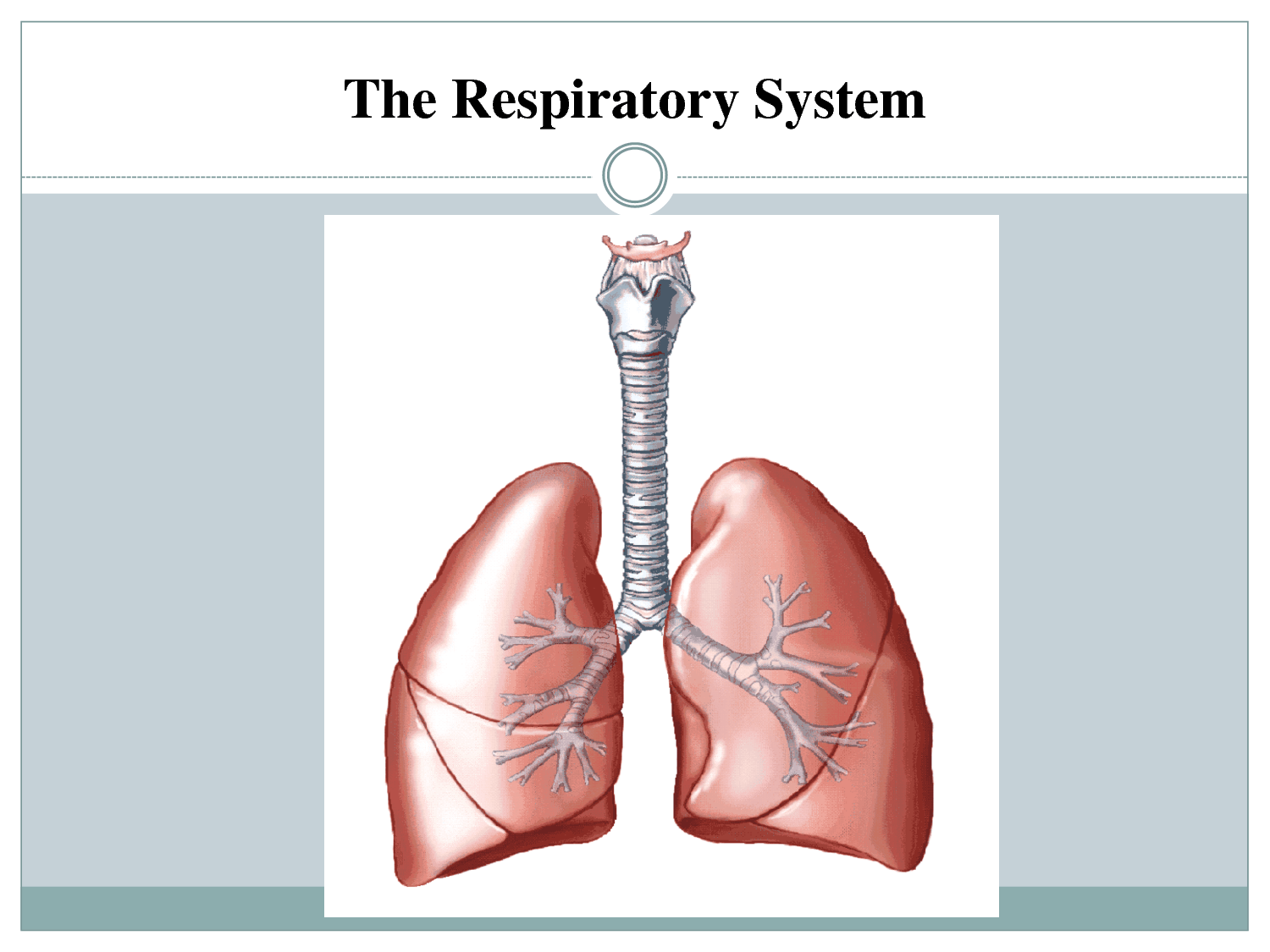
The main organs of the respiratory system. They are located in the chest and are responsible for breathing, including gas exchange.
Lungs
A gas that is essential for life. It is breathed in through the lungs and used by cells in the body to produce energy.
Oxygen
A waste gas produced by cells in the body. It is breathed out through the lungs and expelled from the body.
Carbon Dioxide
The system of organs and tissues involved in breathing, including the lungs, trachea, bronchi, and other structures involved in breathing and gas exchange. It is responsible for taking in oxygen and expelling carbon dioxide.
Respiratory System

What do the arrows represent in the image?
carbon dioxide
oxygen
oxygenated blood
deoxygenated blood
surfactant
What mechanism drives the exchange of gases during respiration?
Active transport
Diffusion
Osmosis
Filtration

Letter D in this diagram is
pharynx
bronchiole
trachea
alveoli
What is the role of the diaphragm in the respiratory system?
To warm the air entering the lungs
To filter out particles from the air
To assist in the process of breathing by contracting and relaxing
To produce sound
What is the function of the epiglottis?
Prevent inhalation (breathing in) of food
Move the vocal cords
Contract to expand the lungs
Gas exchange
One of the main functions of the respiratory systems is to ensure that the air is (a) , (b) , and filtered before it reaches the lungs.
What mechanism allows oxygen to move from the alveoli into the blood?
Active transport
Osmosis
Diffusion
Filtration
The correct anatomical name for the windpipe is
pharynx
larynx
trachea
esophogus
The cavity at the back of the nose and throat is referred to as the.......
larynx
bronchi
pharynx
diaphragm
A chamber behind the nose and mouth that leads to the trachea is called the...
The division of the end of the trachea leads to the
nose
bronchi
lungs
alveoli
T/F: The pharynx is also called the "voice box."
True
False
pharynx known as
throat
mouth
nose
lung
Which part of the respiratory system is responsible for voice production?
Bronchi
Larynx
Pharynx
Trachea
What is the primary muscle involved in the process of inhalation?
Abdominal muscles
Intercostal muscles
Diaphragm
Pectoral muscles
Which structure prevents food from entering the trachea during swallowing?
Pharynx
Larynx
Epiglottis
Bronchi
Which part of the respiratory system is primarily responsible for filtering and humidifying the air we breathe?
Bronchi
Trachea
Alveoli
Nose

