Wayground logo

Free Printable Worksheets

Font size

S
M
L
XL
Worksheets

Module 4 Review - Water and Macromolecules

Total questions: 54

Worksheet time: 52mins
Name
Class
Date
1.
What two elements make up water?
a)
Helium and oxygen
b)
Hydrogen and oxygen
c)
helium and carbon
d)
oxygen and carbon
2.
Water is a universal solvent because it...
a)
It can be found anywhere
b)
It freezes when it gets cold
c)
floats when frozen
d)
Dissolves most substances
3.
The fact that ice floats on liquid water is due to the fact that water's solid is ___________ than it's liquid form
a)
less polar
b)
more polar
c)
less dense
d)
more dense
4.
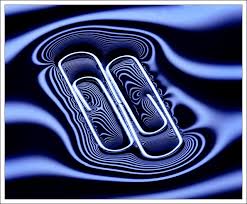
The tightness across the surface of water that enables paper clips to float is ____________.
a)
adhesion
b)
capillary action
c)
surface tension
d)
polarity
5.
Which statement explains why water molecules stick together?
a)
both sides are negative
b)
one side has a positive charge and the other side has a negative charge
c)
one side has a negative charge adn the other side has a neutral charge
d)
both sides are positive
6.
 Small insects can walk across the surface of calm water. Their feet push the surface of the water down slightly, somewhat like a person walking across a trampoline, but they do not break the surface. What is the best explanation for why this happens?
a)
The insects are light enough so that they do not break the hydrogen bonds holding the water molecules together
b)
The insects actually use their wings to hover slightly above the water's surface and they only skim it with their feet
c)
The insects' feet are non-polar, so they are repelled by the polar water molecules and are pushed away from the water's surface
d)
The insects are small enough to see the individual water molecules, so they are able to step carefully from one molecule to the next
7.
Water is often called the "universal solvent" because many substances can be dissolved in water. What property of water allows it to be such a versatile solvent? 
a)
purity
b)
polarity and cohesion
c)
high heat capacity
d)
expansion upon freezing
8.
Why does ice stay at the top of oceans instead of sinking to the bottom?
a)
 Ice is colder than liquid water.
b)
Ice is less dense than liquid water.
c)
Ice is more dense than liquid water.
d)
Ice is warmer than liquid water.
9.
Water is essential for life. Its special properties make water the single most important molecule in plant life. Which of the following properties of water enables it to move from the roots to the leaves of plants?
a)
Water expands as it freezes.
b)
Water is an excellent solvent.
c)
Water exhibits cohesive behavior.
d)
Water is able to moderate temperature.
10.
Water has a much higher specific heat than most other covalent compounds. What do you predict might happen if water had a low specific heat instead?
a)
Flooding would occur and animals would be forced to migrate
b)
 Harmful organisms living in water would reproduce at a rapid rate
c)
Organisms that are sensitive to changes in temperature would die
d)
Plants would not have enough water to effectively carry out photosynthesis
11.
 Which of the following characteristics of water is not a result of hydrogen bonding?
a)
adhesive strength
b)
capillarity
c)
cohesive strength
d)
All of the above are a result of hydrogen bonding.
12.

What kind of molecule is water?

a)

Ionic

b)

Polar

c)

Nonpolar

d)

Metallic

13.

Which part of a water molecule has a Positive Charge?

a)

The Hydrogen

b)

The Oxygen

c)

The Top

d)

The Bottom

14.

Which part of a water molecule has a Negative Charge?

a)

The Hydrogen

b)

The Oxygen

c)

The Left

d)

The Right

15.

Which of the following can water NOT dissolve?

a)

Salt

b)

Sugar

c)

Oil

d)

Baking Soda

16.

Which of the following can water NOT dissolve?

a)

Ionic Compounds

b)

Polar Compounds

c)

Nonpolar Compounds

17.

What is the correct chemical formula for water?

a)

H2O

b)

HO2

c)

H2O2

d)

2H1O

18.

Which of the following is an example of COHESION?

a)

water sticking to water

b)

water sticking to glass

c)

oil sticking to plastic

d)

hydrogen sticking to oxygen

19.

Which of the following is the CORRECT list of water's properties?

Read Carefully!

a)

adhesion, cohesion, High specific heat, universal solvent

b)

adhesion, cohesion, Low specific heat, universal solvent

c)

adhesion, No cohesion, Low specific heat, universal solute

d)

No adhesion, cohesion, High specific heat, universal solute

20.

You body sweats to help prevent you from overheating. How does water regulate temperature?

a)

it lets heat pass through it

b)

it absorbs a lot of heat, then decreases in temperature

c)

it absorbs a lot of heat, but only increases a little in temperature

d)

heat is afraid of water and avoids it

21.

Water is polar. What does that mean?

a)

it is a molecule with opposite charges on opposite ends

b)

it is a molecule with no charge

c)

it is a molecule with identical charges on opposite ends

d)

it is a molecule with too many protons

22.

Water sticks well to many materials. What term relates to this property of water?

a)

cohesion

b)

adhesion

c)

density

d)

surface tension

23.

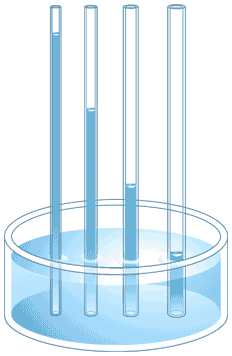
What is the term for water's ability to defy gravity and climb up a tube?

a)

Capillary Action

b)

Specific Heat

c)

Universal Solvent

d)

Magic

24.

Why does ice float?

a)

water expands when it freezes, making ice less dense than water

b)

water compacts when it freezes, making ice more dense than water

c)

hydrogen bonds in water push the ice to the surface

d)

ice is afraid of water, and avoids it

25.

What are the bonds called between a slightly positive hydrogen in a polar molecule and a negatively charged atom?

a)

Hydrogen Bonds

b)

Water Bonds

c)

Covalent Bonds

d)

Bail Bonds

26.

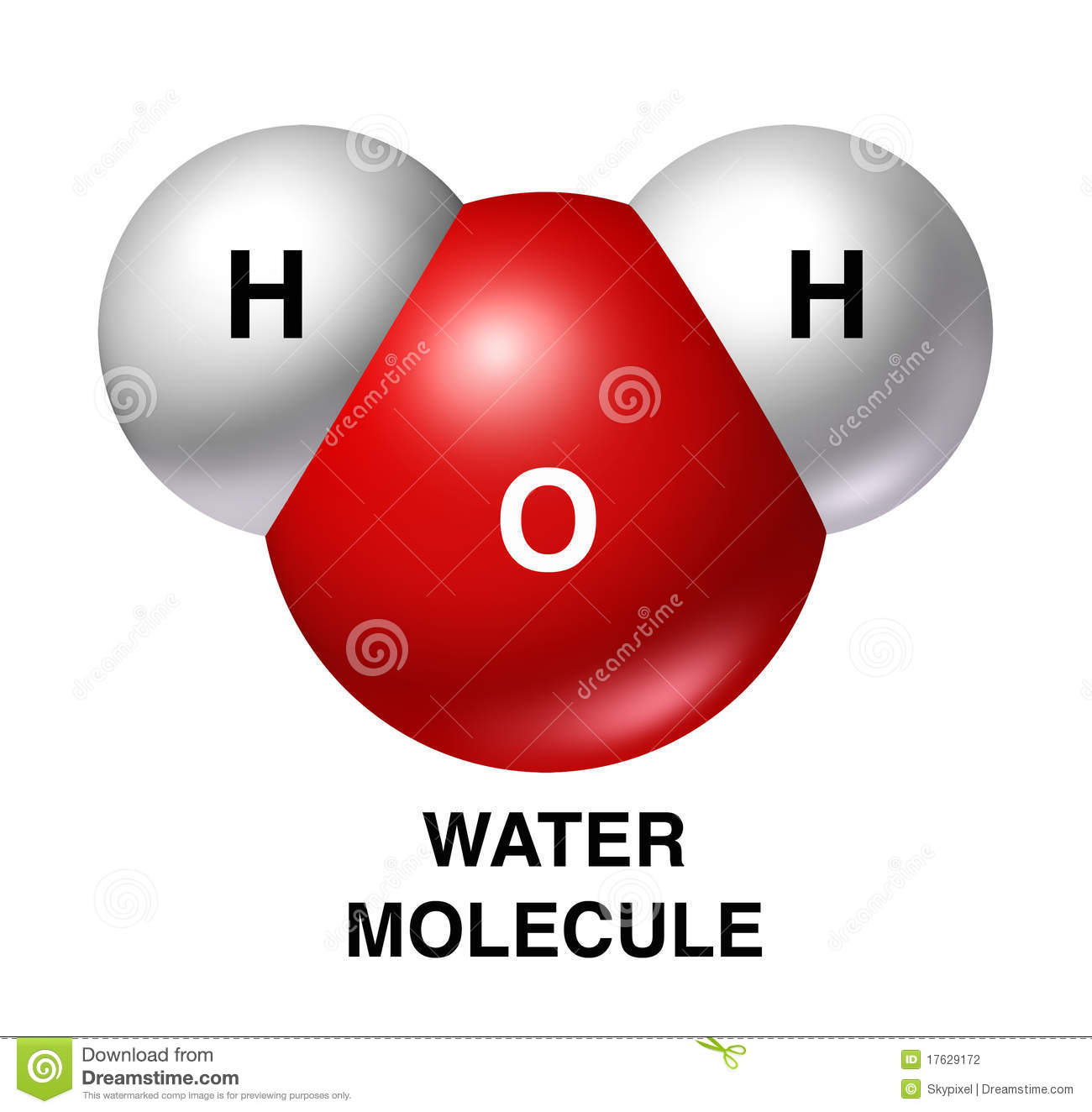
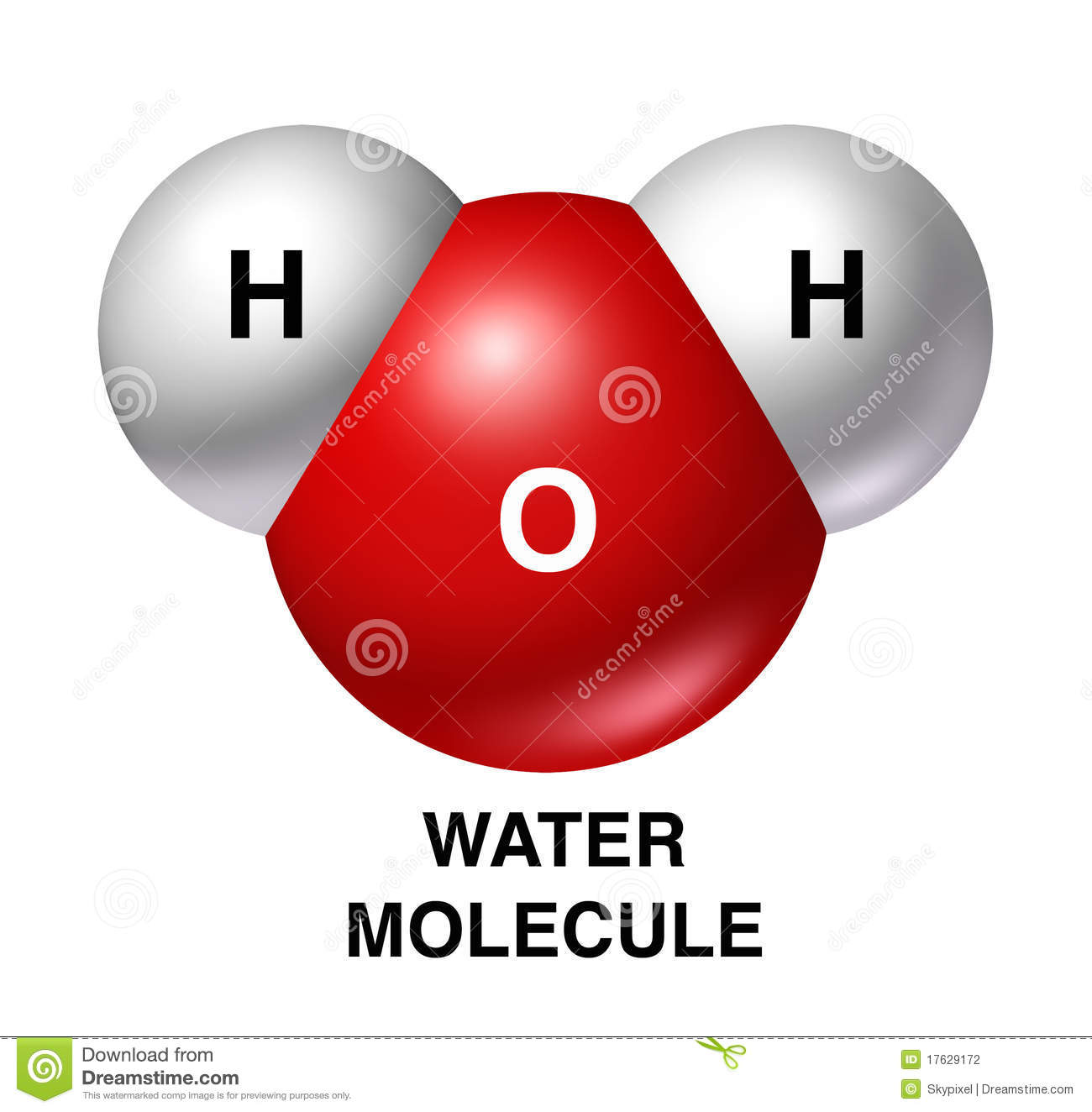
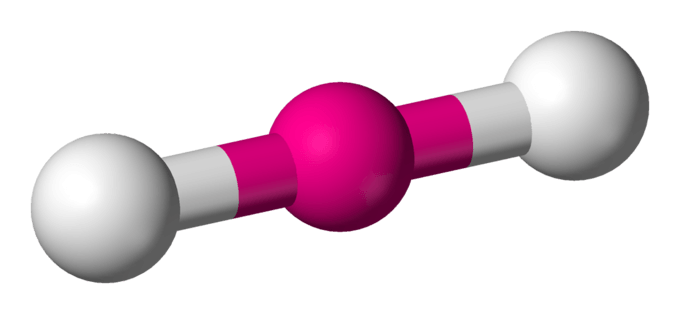
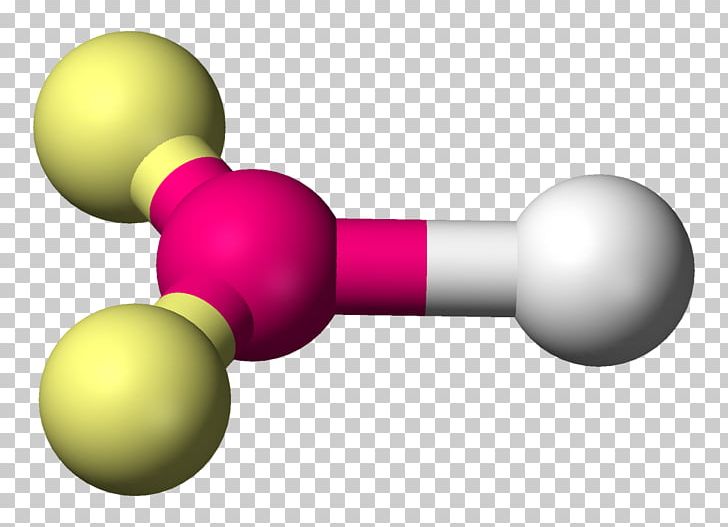
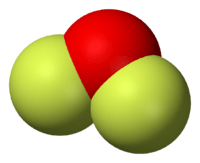
Which of the following is the correct molecular structure for water, H2O?
a)
b)
c)
d)
27.

A water strider can skate along the top of a pond because:

a)

oxygen bonds result in water cohesion (surface tension)

b)

hydrogen bonds result in water cohesion (surface tension)

c)

water striders have adapted to take advantage of water cohesion

d)

water striders are afraid of water and avoid it

28.

Peyton wants to see if the salinity of water affects the population numbers of anchovies in a local body of water.

What would be the INDEPENDENT variable in his experiment?

a)

Biomass of aquatic plants

b)

Level of salinity in a given area

c)

Water temperature

d)

Total number of fish observed

29.
Water is a universal solvent because it...
a)
It can be found anywhere
b)
It freezes when it gets cold
c)
floats when frozen
d)
Dissolves most substances
30.

What macromolecule is made up of C,H,O,N?

a)

Carbohydrates

b)

Lipids

c)

Proteins

d)

Nucleic acids

31.

What is the function of Carbohydrates?

a)

Long-term energy

b)

Muscle development

c)

Short-term energy

d)

enzyme activity

32.

Which macromolecule has amino acids as monomers?

a)

Carbohydrates

b)

Lipids

c)

Proteins

d)

Nucleic acids

33.

Which one of the macromolecules are instrumental in the cell membrane?

a)

Carbohydrates

b)

Lipids

c)

Proteins

d)

Nucleic acids

34.

This macromolecules is responsible for providing our genetic material. Choose the macromolecule that best fits.

a)

Carbohydrates

b)

Lipids

c)

Proteins

d)

Nucleic acids

35.

Which one of our macromolecules would you consume in order to receive long-term energy?

a)

Carbohydrates

b)

Lipids

c)

Proteins

d)

Nucleic acids

36.

My monomers are glycerol and fatty acids. Which macromolecule am I?

a)

Carbohydrates

b)

Lipids

c)

Proteins

d)

Nucleic acids

37.

My monomers are monosaccharides. Which macromolecule am I?

a)

Carbohydrates

b)

Lipids

c)

Proteins

d)

Nucleic acids

38.

My monomers consist of a phosphate group, a sugar, and a nitrogenous base. Which macromolecule am I?

a)

Carbohydrate

b)

Lipids

c)

Proteins

d)

Nucleic Acids

39.

I assist with keeping you well (immune health). Which macromolecule am I?

a)

Carbohydrates

b)

Lipids

c)

Proteins

d)

Nucleic acids

40.

Which macromolecule has this structure?

a)

Carbohydrate

b)

Lipids

c)

Proteins

d)

Nucleic acids

41.

Which macromolecule is structured this way?

a)

Carbohydrates

b)

Lipids

c)

Proteins

d)

Nucleic acids

42.

Which macromolecule is structured in this way?

a)

Carbohydrates

b)

Lipids

c)

Proteins

d)

Nucleic acids

43.

Which of the macromolecules are structured in this way?

a)

Carbohydrates

b)

Lipids

c)

Proteins

d)

Nucleic acids

44.
What is a substance called if it speeds up a chemical reaction?
a)
reusable
b)
catalyst
c)
specific
d)
fragile
45.
With what 3 letters do enzymes typically end?
a)
-ose
b)
-ase
c)
-ese
d)
-tic
46.

Enzymes are an example of

a)

Lipids

b)

Carbohydrate

c)

Protein

d)

Nucleic Acid

47.
Each enzyme only has 1 substrate that will fit its active site.  What is this called?
a)
reusable
b)
catalyst
c)
specific
d)
fragile
48.
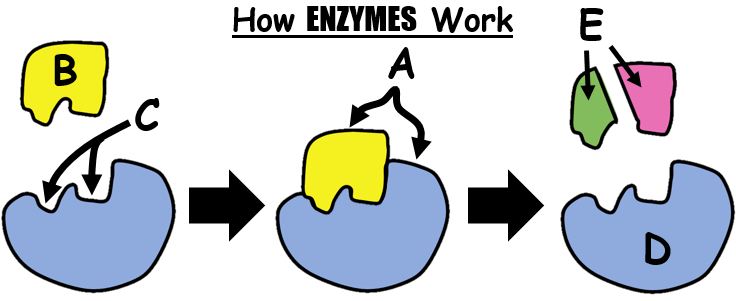
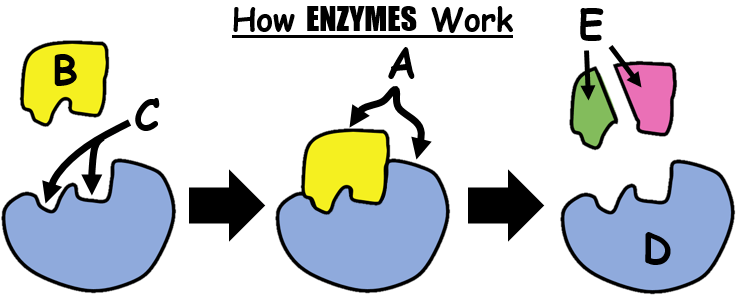
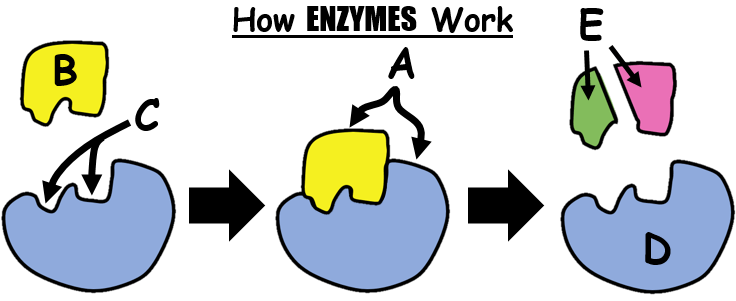
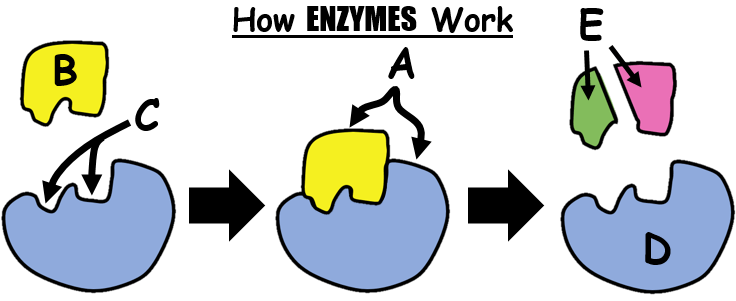
In the diagram, what is letter A? 
a)
product
b)
substrate
c)
enzyme-substrate complex
d)
active site
49.
Letter D...
a)
active site
b)
enzyme
c)
substrate
d)
products
50.
Letter B...
a)
active site
b)
enzyme
c)
substrate
d)
products
51.
Letter C...
a)
active site
b)
enzymes
c)
substrate
d)
products
52.
Letter E...
a)
active site
b)
enzyme
c)
substrate
d)
products
53.
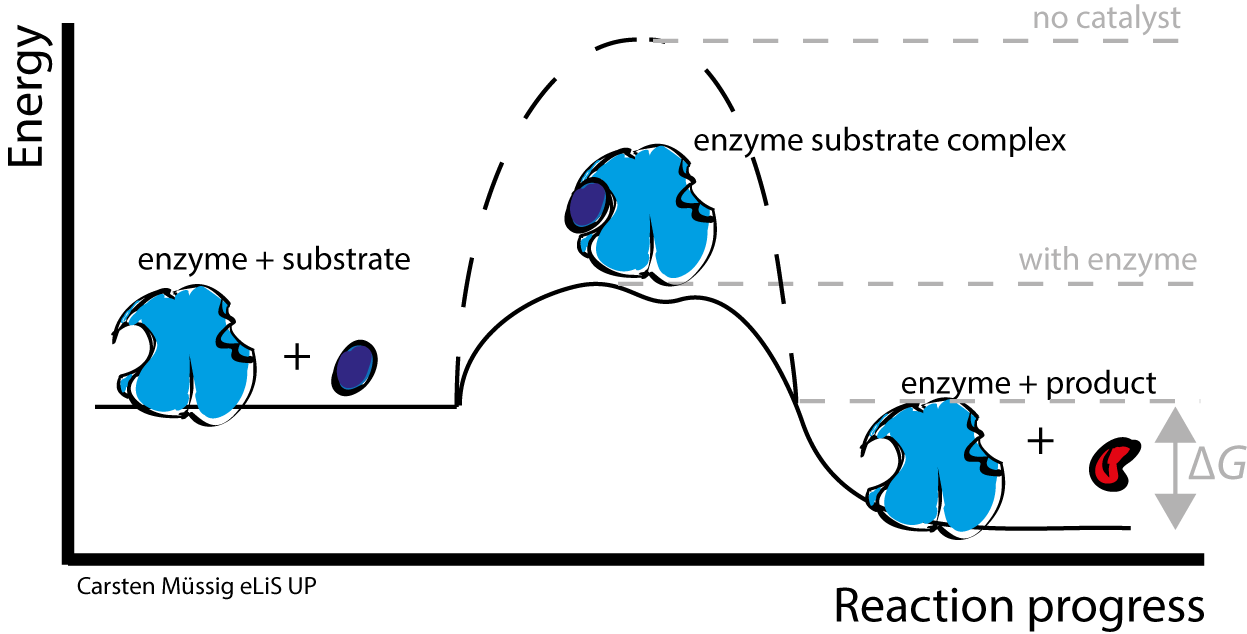
An enzyme speeds up a reaction by
a)
lowering the activation energy.
b)
raising the activation energy.
c)
releasing energy.
d)
absorbing energy.
54.

What happens when enzymes are heated to a high temperature?

a)

The enzymes die.

b)

The shape of the enzyme are changed and it denatures

c)

The enzymes' amino acid sequence changes.

d)

The enzymes remain the same