
Font size
 Worksheets
Unit 6 Exam Review
Total questions: 29
Worksheet time: 24mins
Why is DNA a useful molecule for storing hereditary information?
DNA is useful for storing hereditary information because it encodes genetic instructions in its nucleotide sequence and can replicate accurately due to specific base pairing.
(True or False) Nucleotide bases can be randomly replaced with different nucleotide bases to increase variation.
False, this would disrupt the information stored in the sequence
DNA only contains ________ specific bases.
If an RNA virus had double stranded RNA, what would the base pair be
A-U and G-T
What characteristic of DNA allows for genetic continuity from generation to generation?

Which of the following explains the replication of DNA on the leading versus lagging strand of the parental DNA?
What enzyme is used to place nucleotides during DNA replication?
Why is ligase required during DNA replication?
What enzyme forms hydrogen bonds between the bases of the two DNA strands during DNA replication?
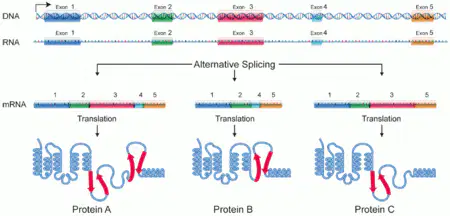
Why can a single gene make multiple proteins?
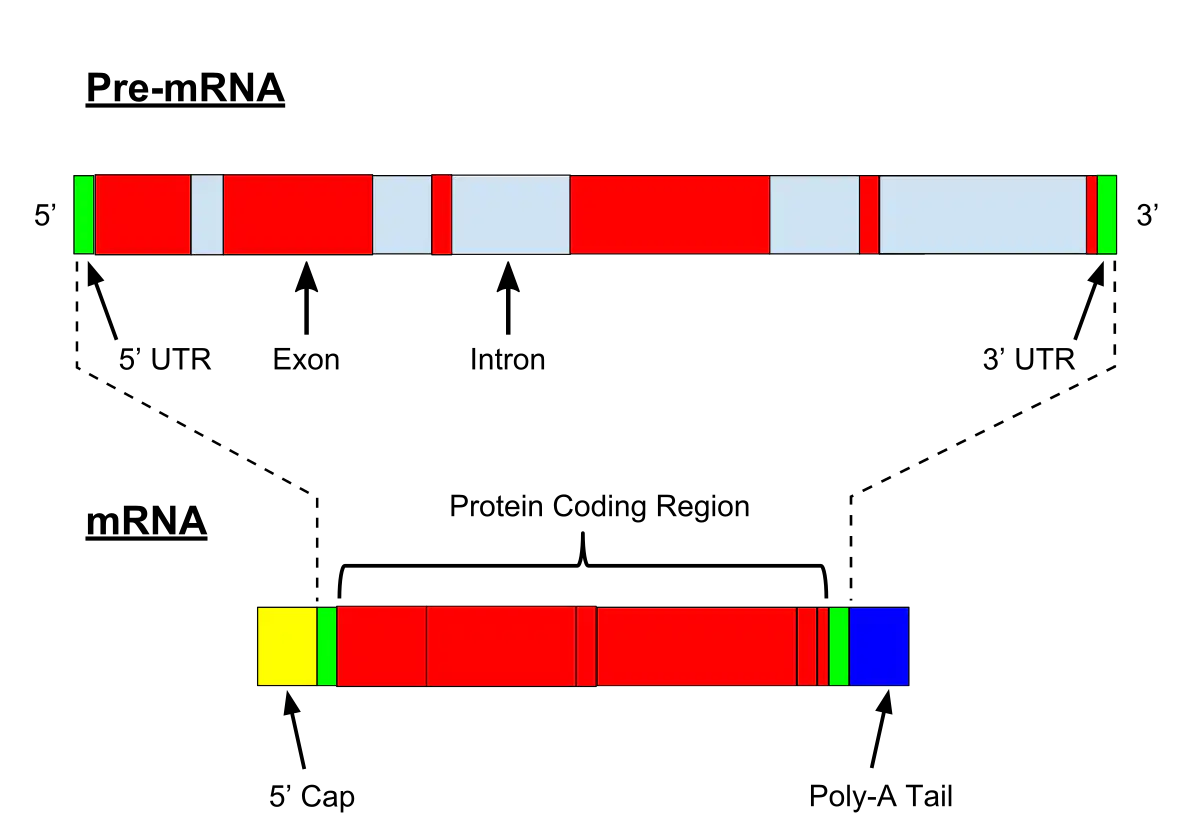
What events happen during pre-mRNA modification?
If a eukaryotic gene was transcribed in a prokaryotic cell, what would be different?
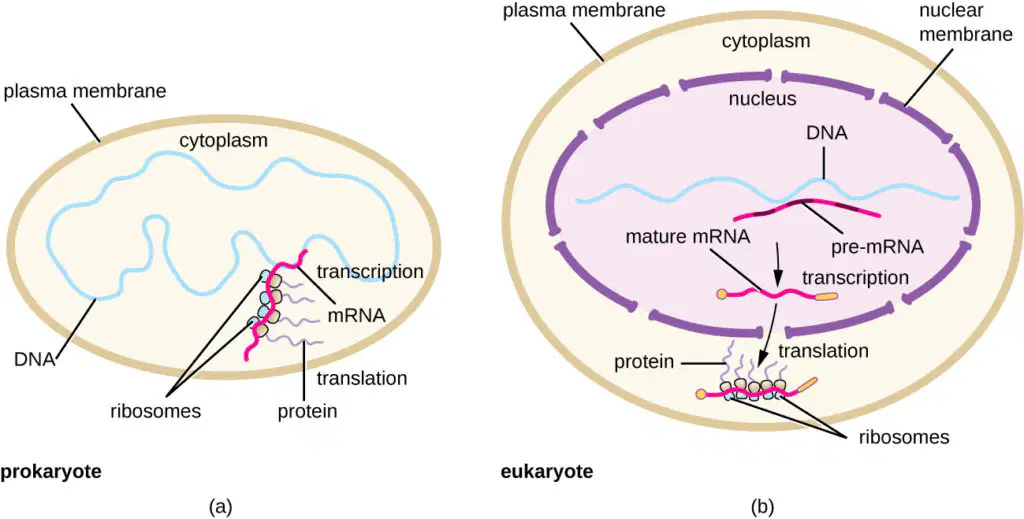
How is protein synthesis different in prokaryotic cells versus eukaryotic cells?
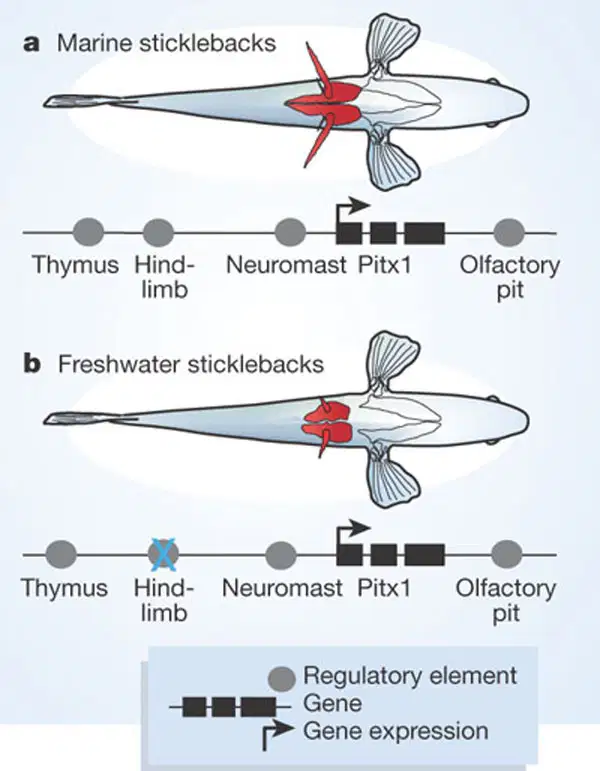
The PITX1 gene is found on the same chromosome in the fish at different locations. ______ within the enhancers at different locations on the DNA cause the regulation of the gene expression.
mutations

How can gene expression be regulated with an operon in prokaryotic cells when a protein is already in great concentration?
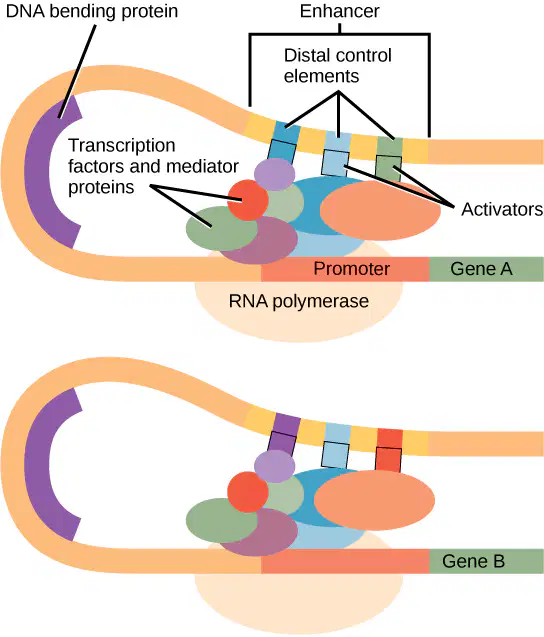
What role does an activator play in a DNA trascription factor complex?


Which male is the father of the child?
Male 1
Male 2
What is the circular piece of DNA found in bacteria called?
homologous chromosome
sister chromatid
plasmid
restriction enzyme
What is used to ensure the bacteria transformed with the gene for antiobiotic resistance as only the transformed bacteria will grow on this medium?
ampicillan
calcium chloride
LB
GFP
What would be the cause of a human being able to continue producing lactase (enzyme that breaks down lactose) as they age?
Genetic mutation for lactase persistence that increases the expression of the gene that produces the enzyme.
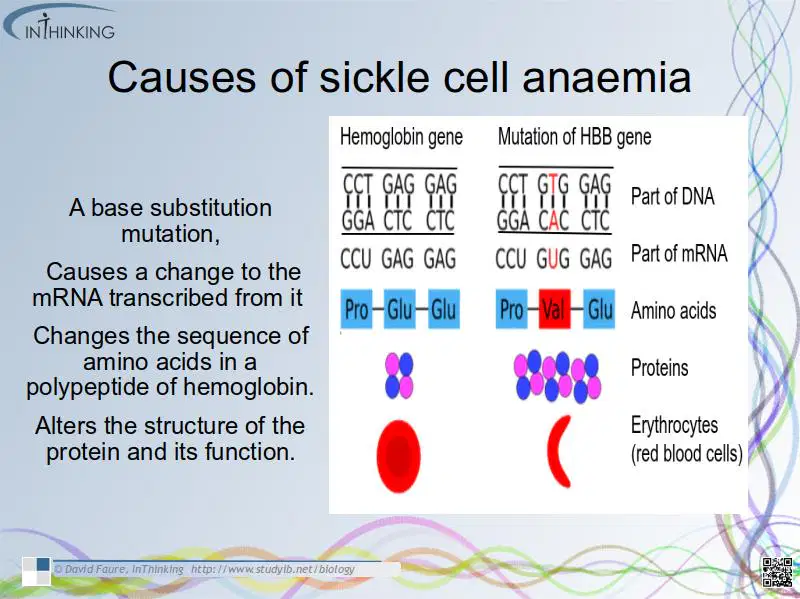
What happens during a single base-pair substitution mutation?

Normal: TAG CCC GGT
Mutated: TAG CGC GGT
Which of the following describes the mutation that occured in the above DNA sequence?
Deletion mutation; causing all amino acids to change
Point mutation (substitution); causing the amino acid sequence to stay the same
Point mutation (substitution); causing the glycine to become serine in the amino acid sequence
Point mutation (substitution); causing the glycine to become alanine in the amino acid sequence
Polymerase chain reaction is a process used to

The Polymerase Chain Reaction Technique
The Polymerase Chain Reaction (PCR) is a revolutionary method used to amplify specific segments of DNA. The process begins with the denaturation step, where the double-stranded DNA is heated to separate it into two single strands. This is followed by the annealing step, where short DNA sequences called primers bind to the target DNA sequences. Finally, the extension step occurs, where the DNA polymerase enzyme synthesizes a new DNA strand by adding nucleotides to the primers. These steps are repeated multiple times to exponentially increase the amount of DNA.
DNA polymerase plays a crucial role in the PCR process. It is the enzyme responsible for synthesizing new DNA strands by adding nucleotides to the primers. The most commonly used DNA polymerase in PCR is Taq polymerase, which is derived from the thermophilic bacterium Thermus aquaticus. Taq polymerase is ideal for PCR because it is stable at high temperatures, which are necessary for the denaturation step. This stability allows the enzyme to function effectively throughout the thermal cycling process.
Thermal cycling is an essential component of the PCR technique. It involves repeatedly heating and cooling the reaction mixture to facilitate the different steps of the PCR process. The denaturation step requires high temperatures, typically around 95°C, to separate the DNA strands. The annealing step occurs at a lower temperature, usually between 50°C and 65°C, to allow primers to bind to the target DNA. The extension step takes place at an intermediate temperature, around 72°C, which is optimal for Taq polymerase activity. This cycle is repeated 20 to 40 times to achieve the desired level of DNA amplification.
What is the primary purpose of the Polymerase Chain Reaction (PCR) technique?
To amplify specific segments of DNA
To sequence the entire genome
To identify proteins in a sample
To measure RNA levels
Which enzyme is most commonly used in the PCR process?
Taq polymerase
DNA ligase
RNA polymerase
Reverse transcriptase
At what temperature does the denaturation step of PCR typically occur?
95°C
50°C
72°C
37°C
What is the role of primers in the PCR process?
To bind to target DNA sequences
To separate DNA strands
To synthesize new DNA strands
To stabilize the DNA polymerase
Why is Taq polymerase ideal for use in PCR?
It is stable at high temperatures
It is derived from a human source
It can synthesize RNA
It requires low temperatures to function
Bacterial Transformation in Genetic Engineering
Bacterial transformation is a fundamental mechanism in genetic engineering, where bacteria take up foreign DNA from their environment. This process involves the integration of new genetic material into the bacterial genome, allowing for the expression of new traits. The mechanism of transformation is facilitated by the bacterial cell wall becoming permeable to DNA, often induced by chemical or physical means. Once inside, the foreign DNA can recombine with the host genome, leading to genetic changes. This natural process is harnessed in laboratories to introduce specific genes into bacteria for various applications.
In medicine, bacterial transformation plays a crucial role in the production of recombinant proteins, such as insulin and growth hormones. By inserting human genes into bacterial cells, scientists can produce large quantities of these proteins for therapeutic use. This technique is also used in the development of vaccines, where bacterial cells are engineered to express antigens that stimulate an immune response. The ability to manipulate bacterial genomes has revolutionized the field of biotechnology, providing tools for disease treatment and prevention.
Despite its advantages, bacterial transformation has limitations that must be considered. Not all bacteria are naturally competent to take up DNA, which can restrict the range of species that can be genetically modified. Additionally, the efficiency of transformation can be low, requiring optimization of conditions for successful DNA uptake. There are also concerns about the stability of the introduced genes, as they may be lost or rearranged over time. These challenges highlight the need for continued research to improve transformation techniques and expand their applications in genetic engineering

.
What is the primary role of bacterial transformation in genetic engineering?
To allow bacteria to take up foreign DNA and express new traits
To prevent bacteria from integrating foreign DNA
To destroy foreign DNA in the environment
To make bacteria resistant to antibiotics
Which of the following is a key application of bacterial transformation in medicine?
Production of recombinant proteins like insulin
Development of new antibiotics
Enhancement of bacterial resistance
Creation of new bacterial species
What is a limitation of bacterial transformation mentioned in the passage?
Not all bacteria are naturally competent to take up DNA
Bacterial transformation is too fast
It always leads to harmful mutations
It is only applicable to plant cells
How do scientists use bacterial transformation to produce vaccines?
By engineering bacterial cells to express antigens
By using bacteria to directly attack viruses
By inserting bacterial DNA into human cells
By creating bacterial toxins
What is a challenge associated with bacterial transformation?
Stability of introduced genes
Excessive speed of transformation
Overproduction of proteins
Lack of bacterial growth

