
 Worksheets
Patho: Bacteria part 2, slide 42
Total questions: 93
Worksheet time: 1hrs 28mins
What are the 5 major genera of gram + rods (bacilli)?
bacillus
clostridium
cornyebacterium
listeria
gardnerella
Which bacilli bacteria is the only one with anaerobic growth?
bacillus
clostridium
cornyebacterium
listeria
gardnerella
Which two bacilli bacteria form spores?
bacillus
clostridium
cornyebacterium
listeria
gardnerella
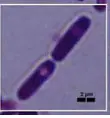
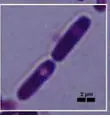
Bacillus cereus:
Large or small? (a) with (b) ends.
(c) form spores.
Mobility: (d)
Bacillus cereus is a ___ pathogen.
opportunistic
primary
Bacillus cereus:
Hemolysis: (a)
metabolism: (b)
Catalase (c)
Oxidase (d)
Bacillus cereus causes...
gastroenteritis (food poisoning)
ocular infections
Bacillus cereus produces 2 enterotoxins:
emetic toxin
diarrheal toxin
Bacillus cereus enterotoxins:
heat stable (a)
heat labile (b)
Causes "fried rice syndrome" (c)
Which gram + bacillus bacteria causes "fried rice syndrome"?
Clostridium perfringens
Bacillus cereus
Clostridium difficile
Clostridium perfringens:
Gram (a)
Shape: (b)
Metabolism: (c)
Mobility: (d)
Spores: (e)
Clostridium perfringens is a microbiota found in....
human respiratory tract
GI tract of humans
GI tract of animals
Clostridium perfringens is....
a-hemolytic
B-hemolytic
y-hemolytic
Clostridium perfringens is spread by....
vehicles (contaminated food)
fecal-oral transmission
What are virulence factors produced by clostridium perfringens?
Enzymes
cytotoxin
enterotoxin
fermentation products
What enzymes are made by Clostridium perfringens?
collagenase
protease
hyaluronidase
Virulence factors of Clostridium perfringens:
Collagenase, proteases, hyaluronidase (a)
Damages intestinal cells (b)
Can cause food poisoning (c)
Cause build up of acids and gas causing tissue necrosis and gas gangrene of muscle tissue (d)
1
Clostridium difficile:
Metabolism: (a)
Spores: (b)
Mobility: (c)
gram (d)
Shape: (e)
Clostridium difficile is an opportunistic pathogen of the....
respiratory tract
GU tract
GI tract
skin
Use of broad-spectrium antibiotics can give what gram + bacillus bacteria an advantage to colonize the gut?
C. perfringens
C. difficile
Bacillus cereus
Which is a more severe infection of Clostridium difficile?
C. diff-associated diarrhea (CDAD)
Pseudomembranous colitis (PMC)
Clostridium difficile can cause a severe complication that results in extreme dilation of the colon due to inflammation that can lead to toxicity and shock. What is this phenomenon called?
CDAD
PMC
Toxic megacolon
What are the 2 enterotoxins produced by Clostridium difficile?
Toxin A
Toxin B
Clostridium difficile:
Excessive fluid secretion (a)
Causes enterocyte death and inflammation (b)
enterotoxin (c)
Cytotoxin (d)
Toxins from clostridium difficile are used for identification by ___ in fecal samples.
ELISA
not this
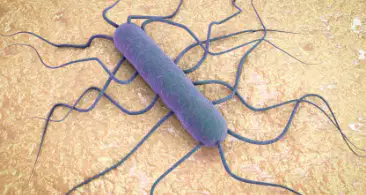
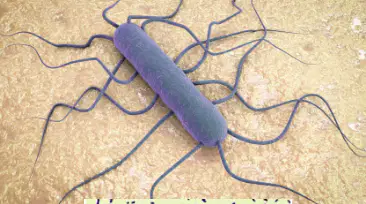
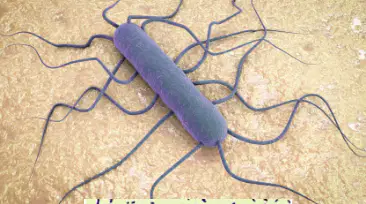
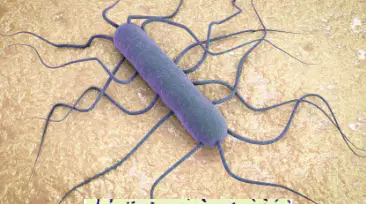
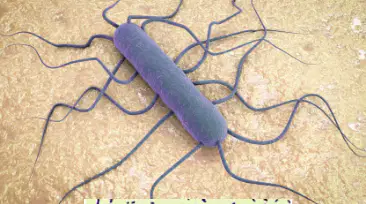
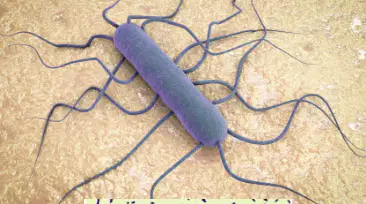
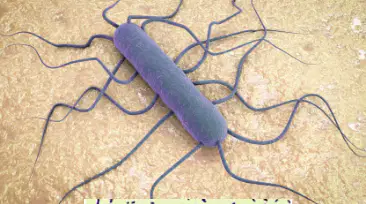
Listeria monocytogenes:
Shape: (a)
Size: (b)
Mobility: (c)
Catalase (d)
Gram (e)
Listeria monocytogenes is ___ hemolytic.
a-hemolytic
B-hemolytic
y-hemolytic
Lysteria monocytogenes is ___
aerobic
facultative anaerobe
obligate anaerobe
Listeria survives...
proteolytic enzymes
stomach acid
bile salts
salt tolerant
cold tolerant at freezing temps
Listeria causes....
listeriosis (foodborne illness)
meningitis
Listeria infections are more common in ___
sexually active females
elderly
pregnant females
neonates
IC individuals
Listeria (a) cross the placenta. Also known as (b)
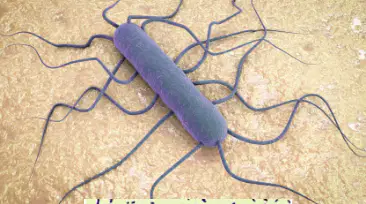
Listeria is a ___
small bacilli
large bacilli
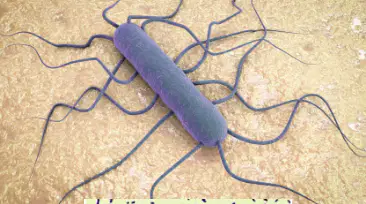
Listeria is a/an (a) anaerobic, (b) pathogen
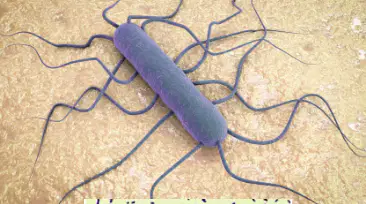
Listeria adheres to enterocytes by Listeria adhesion proteins ___ and ___
Internalin A
Internalin B
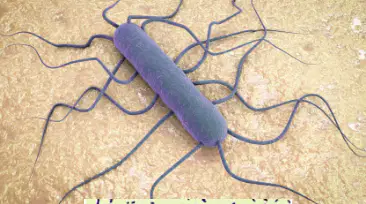
How does Listeria move from cell to cell?
multiplies in the cytosol
moves to cell membrane
manipulates host actin cytoskeleton
uses cytoskeleton to propel itself into other cells
Listeria (a) survive phagocytosis.
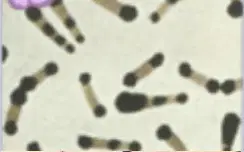
Corynebacterium diphtheriae:
Shape: (a)
Size: (b)
Motility: (c)
Oxygen: (d)
Cornebacterium diphtheriae is transmitted by ...
respiratory drops
direct contact with skin ulcers
fomites
Cornebacterium diphtheriae causes what 2 diseases?
diphtheria (upper resp disease)
SSTI (causes grey membrane covered skin ulcers)
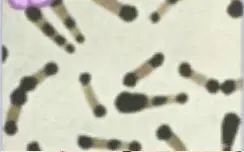
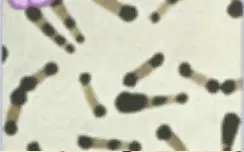
Corynebacterium diphtheriae releases (a) which is an (b) that is a potent inhibitor of host (c)
What vaccine is given to prevent infection of Corynebacterium diphtheriae?
DTaP
Tdap
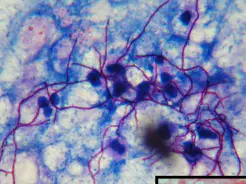
Nocardia:
Gram (a)
Shape: (b)
Other stains: (c)
Features: (d)
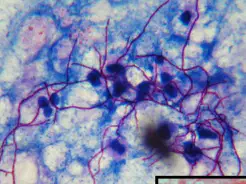
Select all that is true of the gram + bacilli bacterium, Nocardia
filamentous
rod shaped
sometimes confused as fungi (resembles mold)
contains mycolic acid
partially acid fast
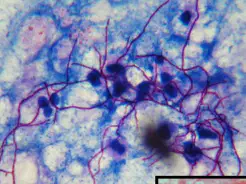
Nocardia:
Oxygen: (a)
catalase (b)
SOD (c)
Growth rate: (d)
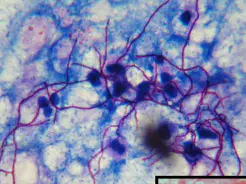
Nocardia is a/an (a) pathogen in IC patients that affects (b)
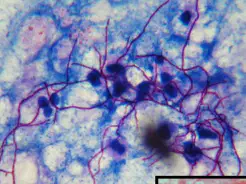
Inhaling Nocardia leads to ...
pulmonary disease
bronchitis
pneumonia
lung abscesses
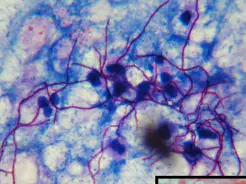
Nocardia, a gram + bacilli bacteria, can (a) and (b) in macrophages by blocking the acidification of the lysosome.
Which gram + bacillus bacteria can survive inside of macrophage lysosomes by blocking the lysosome's acidification?
Listeria
Corynebacterium diphtheriae
Nocardia
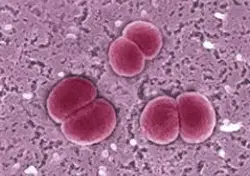
Neisseria:
Gram (a)
Shape: (b)
Oxygen: (c)
Oxidase: (d)
catalase (e)
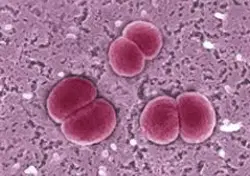
What are the pathogenic forms of the gram - cocci bacterium, Neisseria?
Neisseria meningitides
Neisseria gonorrhoeae
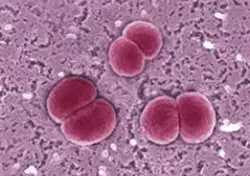
What are the virulence factors of the Gram - cocci, Neisseria?
lipooligosaccharide (LOS, endotoxin)
antigen variation
encapsulated
IgA proteases
covered in pili to allow for adhesion
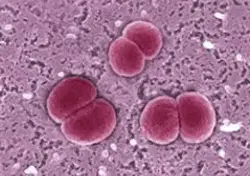
Which form of the gram - cocci bacterium, Neisseria colonizes asymptomatic carriers (reservoirs) in the nasopharynx.
N. gonorrhoeae
N. meningitides
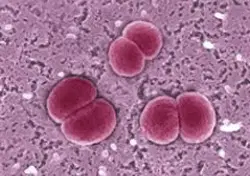
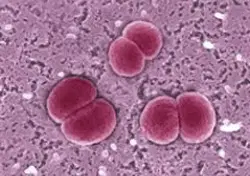
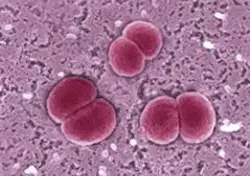
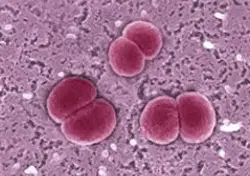
Select all that is true of Neisseria.
gram -
cocci shaped
diplococci
coffee been appearance
What vaccine is used to protect against Neisseria meningitides?
meningococcal vaccine
TDaP
pneumunococcal
the gram - cocci bacteria N. gonorrhoeae has (a) transmission by direct (b) . It also has (c) transmission during childbirth that leads to (d)
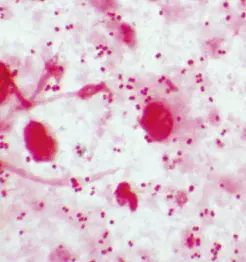
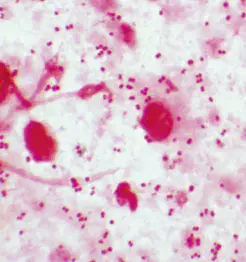
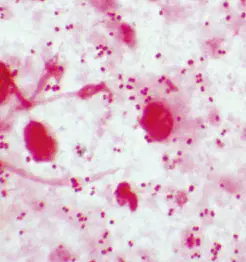
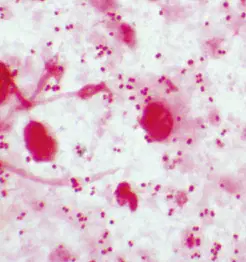
When testing for N. gonorrhoeae, (a) in dishcarge are examined by microscopy for intraccellular (b)
Moraxella catarrhalis:
Gram (a)
Shape: (b)
Oxidase: (c)
Catalase: (d)
Motility (e)
Moraxella catarrhalis contain ___ for adherence.
fimbriae
flagella
pilli
Moraxella catarrhalis is a part of the microbiota of the ___
GI tract
upper resp tract
GU tract
skin
What are the virulence factors for the gram - coccibacilli bacterium, Moraxella catarrhalis?
LPS-endotoxin
produces B-lactamases (inactivates B-lac antibiotics)
produces neuraminidase (degrades mucin allowing for colonization of resp tract)
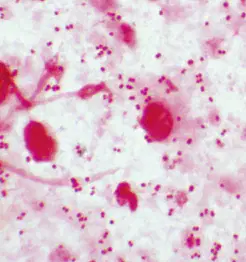
Moraxella catarrhalis causes...
bronchial infections
otitis media in children
seen in daycares and households
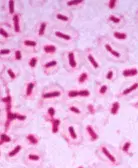
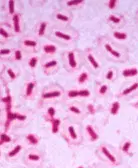
Haemophilus influenzae:
Gram (a)
shape: (b)
Enteric or non-enteric (c)
Oxygen: (d)
oxidase (e)
catalase +
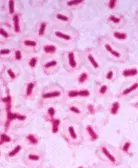
Haemophilus influenzae requires ___ agar
mannitol salt
high salt
chocolate
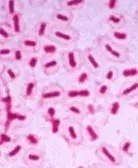
H. influenzae can be invasive or noninvasive:
pneumonia, meningitis, epiglottitis, and cellulitis (a)
sinusitis, otitis media, and conjunctivitis (b)
There (a) a vaccine for H. influenzae.
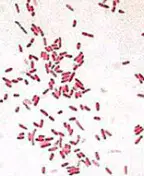
Aeromonas species:
Gram (a)
Shape: (b)
Oxygen: (c)
Can ferment (d)
Catalase (e)
oxidase +
Where is Aeromonas found?
fresh water
brackish water
soil
What diseases does Aeromonas cause?
diarrheal disease in health people
wound infections and UTIs in IC pts
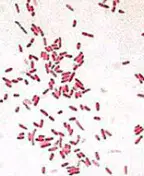
What are the virulence factors of Aeromonas?
flagella
adhesins (flagella or pili)
hemolysins
siderophores
endotoxins, enterotoxins, MDR, shiga-like toxin
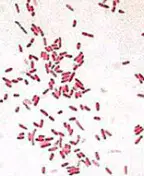
What are the 3 Aeromonas bacteria?
A. hydrophila
A. caviae
A. veronii
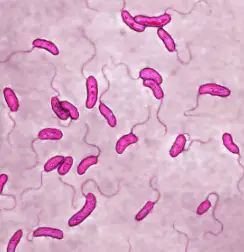
Vibrio:
Gram (a)
Shape (b)
Motility: (c)
Oxidase (d)
Ferments (e)
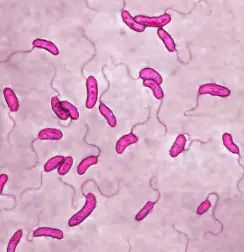
What Vibrio pathogen causes cholerae?
Vibrio cholerae
not this
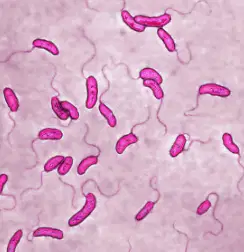
What toxin does vibrio cholerae produce?
cholera toxin
not this
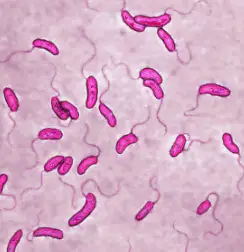
Vibrio cholerae toxins:
Cholera toxin:
toxin that binds to the GI epithelial cells (a)
Toxin that enters cells to increase cAMP levels leading to electrolyte imbalance and fluid secretion (b)
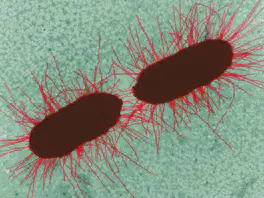
E. coli:
Gram (a)
shape: (b)
Oxygen: (c)
oxidase (d)
catalase (e)
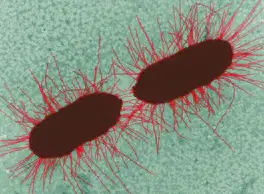
E. coli ferments ___
glucose
lactose
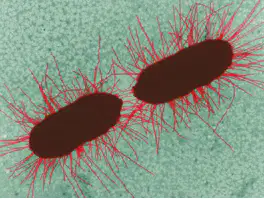
When E. coli ferments glucose and lactose, what are the products?
lactic acid
coliform gas
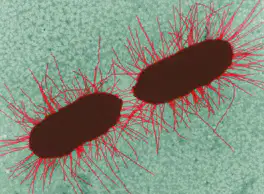
Lactose fermenter will give what color of colonies?
yellow
blue
pink
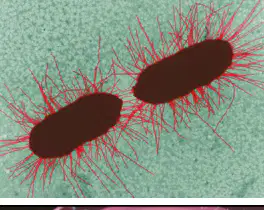
E. coli strains differ based on (a) of the (b) endotoxin.
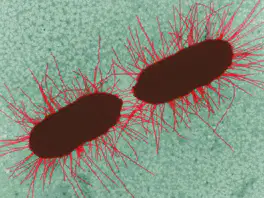
What are the E. coli strains?
Uropathogenic (UPEC)
Entero toxigenic (ETEC)
Enterohemorrhagic (EHEC)
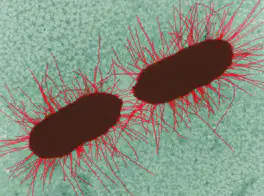
E. coli strains:
Causes UTIs (a)
Causes watery diarrhea (b)
Causes destruction of intestinal lining, kidney failure, hemolytic uremic syndrome (c)
Which E. coli strain produces a shiga toxin and causes bloody diarrhea?
UPEC
ETEC
EHEC
Which E. coli strain causes traveler's diarrhea?
UPEC
ETEC
EHEC
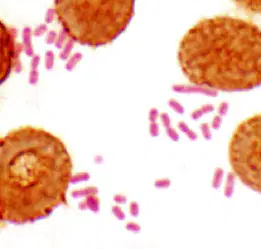
Klebsiella:
Gram (a)
Oxygen: (b)
Oxidase: (c)
Motility: (d)
Ferments: (e)
Urease +
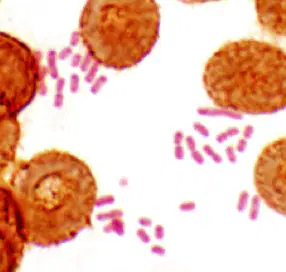
Klebsiella is Urease ___
+
-
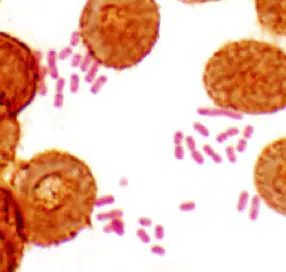
Klebsiella is a component of the microbiota of the ____
respiratory tract
GU tract
GI tract
skin
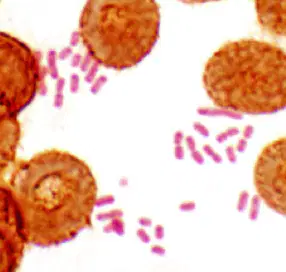
What are the virulence factors for Klebsiella?
fimbriae
siderophores
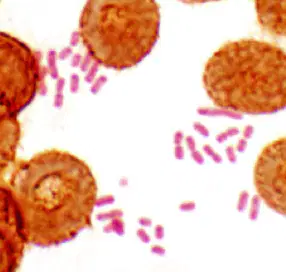
What form of Klebsiella pneumoniae causes disease?
encapsulated form
nonencapsulated form
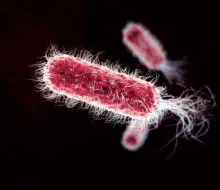
Enterobacter:
Gram (a)
Oxygen: (b)
oxidase (c)
ferments: (d)
Motility: motile
Urease (e)
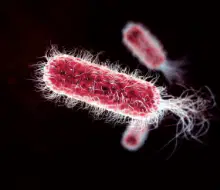
Enterobactor gram - bacilli
component of the GI microbiota
Nosocomial infections many types
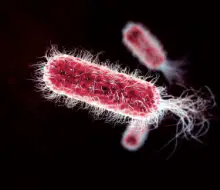
What type of transmission for enterobactore?
horizontal transmission (patient to patient)
vehicle transmission (catheters, tubing, wound dressings)
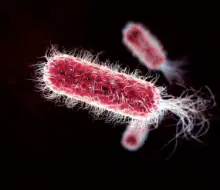
Virulence factors of Enterobacteria.
fimbriae
adhesins
LPS
capsule and biofilms
hemolysins, siderophores

