
 Worksheets
Nervous System
Total questions: 24
Worksheet time: 2hrs 30mins


What is a nerve cell?
axon
neuron
dendrite
myelin
Which 2 are parts of the central nervous system?
brain
nose
spinal cord
left big toe
Which part of the neuron transmits impulses to other neurons?
axon
cell body
dendrite
node
Neurotransmitters are ______________ that travel across the ______________ to another cell.
electrical signals; receptors
electrical signals; synapse
chemicals; receptors
chemicals; synapse
The branch like figures that receive impulses & conducts them to the cell body
Dendrite
Axon
Cell Body
Myelin Sheath

What is number 3 pointing at on the neuron?
Dendrite
Axon
Myelin Sheath
Soma

What part of the neuron is number 4 pointing at?
Dendrite
Axon Terminal
Axon
Myelin Sheath

Which part of the Neuron is number 1 pointing at?
Dendrite
Cell body
Axon
Nucleus

Which best describes myelin?
it is a neurotransmitter that triggers muscle contraction
it is a protein that builds the axon
it is a fat that speeds the message along the axon
it is a fat that helps the neuron "hear" messages

What is the brain's ability to reorganize and create new connections between neurons called?
Neuroplasticity
Rehabilitation
Hobbies
Synaptic pruning

What are nerve cells that transmit information throughout the body, including the brain?
Therapy
Neurons
Protein
Synaptic pruning
What are the three ways your brain can change?
chemically, structurally, functionally
color, structure, smell
function, shape, size
chemical, shape, smell
Your grandfather decides to learn how to play Fifa 19. You tell him:
this is impossible because your brain, as you grow older, only loses its ability to function at full capacity.
sure lets practice and play together, the brain continues to change and learn even as grown ups, he will be an awesome play partner since he is on retirement now.
Are you sure you can handle it?
even if we practice over and over, I will still beat you grandpa, you are too old for me!
Every time we learn a skill or experience something new, the brain changes. This is an explanation of
brain localization
neuroplasticity
excitation
inhibition
Your friend tells you, "my brain is tired and too active, I need to just sit on the couch so my brain does nothing for a few minutes."
Is this a possible technique to let your brain be inactive?
the brain is always active even when we don't do anything.
you have to run or exercise so your brain can be inactive.
your brain can only be inactive if you are asleep.
After childhood the brain does not and could not change.
True
False

Based on our discussion on the structures of the nervous System, explain 5 things you learned that can improve your learning .
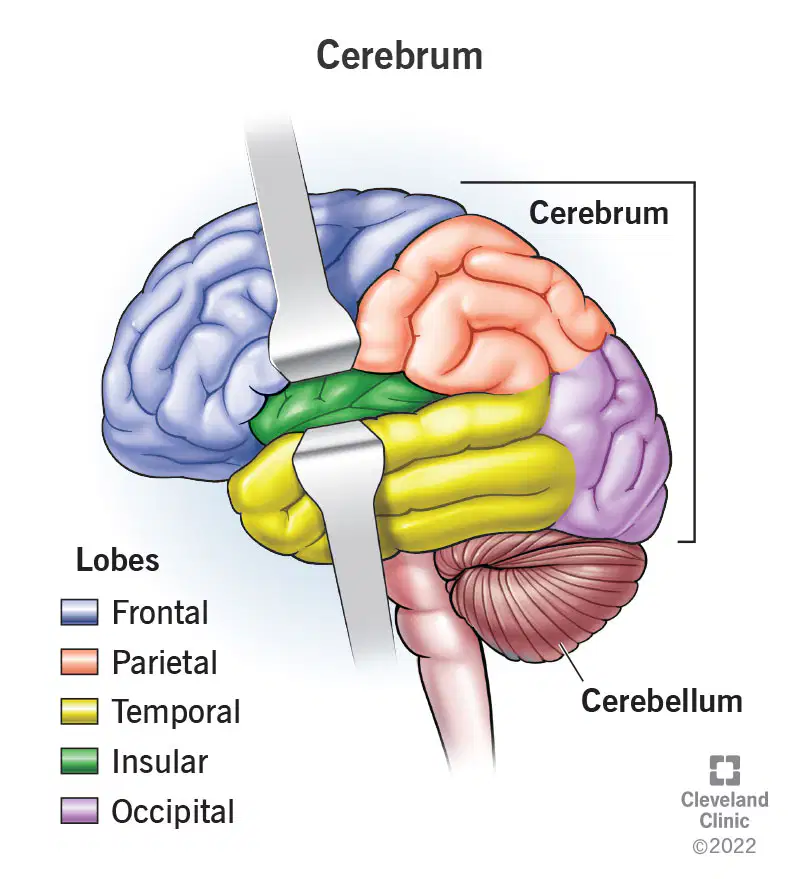
Match the following anatomic structures to their function
Communication between left & right hemispheres
corpus collosum
coordination
cerebellum
logical
left hemisphere
beauty & creativity
right hemisphere
receives & sends electrical impulses
neurons

match the following structures to its function
higher level thinking skills
grey matter
cerebrum
communication
white matter
critical thinking, problem solving, predicting
frontal lobe
processing, interpretation and filtering sound
temporal lobes
sight and vision
occipital lobe

The brain wants to achieve
power
rest
optimal learning and growth
control

