Worksheets
Physical Science Review
Total questions: 73
Worksheet time: 53mins

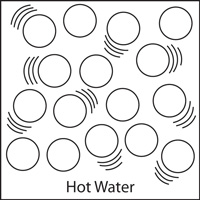
What is the picture displayed?
Carbon Dioxide
Water
Gasoline
Liquid Nitrogen
All matter is made of what
energy
atoms
electrons
compounds
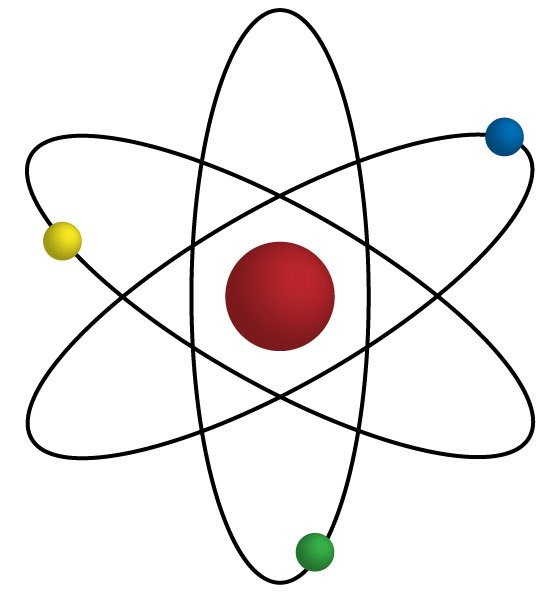

What is the charge of neutrons?
Positive charge
Negative charge
No charge (they are neutral)
Variable charge
Which part of an atom is positively charged?
Neutrons
Electrons
Protons
Nuclei
What is the central region of an atom called?
The nucleus.
The electron cloud.
The proton shell.
The neutron zone.
What is the charge of electrons?
Electrons are positively charged.
Electrons have no charge.
Electrons are negatively charged.
Electrons are neutrally charged.

One of the fundamental states of matter without a definite volume or shape.
Solid
Gas
Liquid
Matter

One of the fundamental states of matter with a definite volume but no definite shape.
Solid
Gas
Liquid
Mass

The amount of matter an object contains.
Matter
Solid
Gas
Mass

Substance that has mass and takes up space.
Matter
Volume
Solid
Gas

One of the fundamental states of matter with a definite shape and a definite volume.
Matter
Volume
Solid
Liquid

The amount of space that an object or substance occupies.
Mass
Gas
Matter
Volume
Made from two or more kinds of matter that a physically blended together.
Mixture
Mass
Dissolve
Liquid
A reaction or a change in a substance produced by a chemical means that forms a new substance.
Gas
Physical Change
Matter
Chemical Change
A change in which the form or shape of a substance changes; does not result in the formation of a new substance
Volume
Physical Change
Liquid
Chemical Change
The periodic table lists all the ___________________________ in order
groups
elements
symbols
letters
What is buoyancy?
pulling force of magnet
the ability of a substance to dissolve in another substance
the ability to float
material that allows electricity or heat to flow through
What is magnetism?
material that does not allow electricity or heat to flow through
pulling force of magnet
to break up into tiny pieces you can no longer see
material that allows electricity or heat to flow through

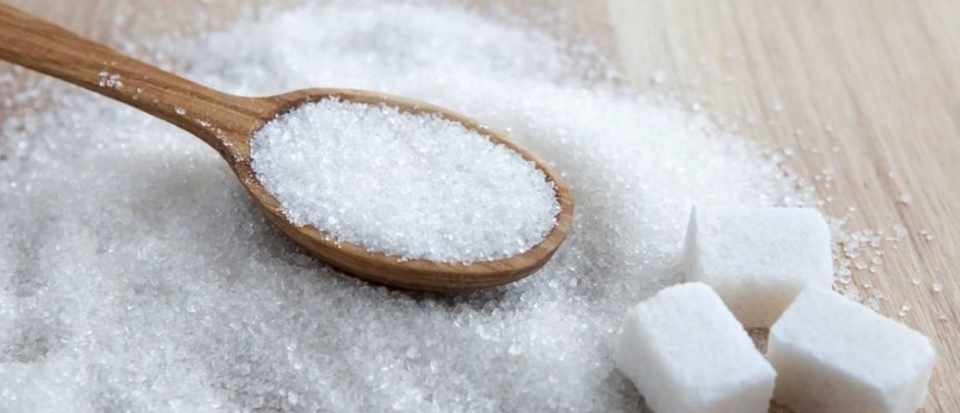
What happens when sugar dissolves in water?
Physical change because a new substance is formed
Chemical change because a new substance is formed
Physical change because the sugar is just getting smaller
Chemical change because the sugar is just getting smaller
What tool would you use to determine the property of magnetism?
Balance
Metric ruler
Graduated Cylinder
Magnet
Matter is anything that has _______ and takes up ______
Matter; Space
Mass; Space
Mass; Matter
Mass; Mass

Four students sort materials into two groups: Conductors and Insulators. Which student correctly sorted the materials?
Student 1
Student 2
Student 3
Student 4
Which of these materials would NOT be a good insulator of electricity?
metal
glass
plastic
wood
As an object melts, what happens to it's temperature?
it increases
it decreases
it stays the same
Which substance is NOT soluble in water?
powdered drink mix
sugar
salt
sand

During a science investigation, a student determined how objects could be classified. Based on the properties, which of the following materials has the same physical properties as Object B?
iron nail
salt
sand
penny
Which tools are best for separating a mixture of sand, iron filings, and water?
hot plate and filter
tweezers and filter
filter and magnet
magnet and hot plate
A mixture of oil and water is placed in a glass beaker and stirred. What is the student most likely going to see after the beaker sits for 3 minutes?
the oil mixed with the water
the oil sinking in the water
the oil floating in the water
the water floating in the oil

Which solid has the highest density?
bolt
ping pong ball
cherry tomato
popcorn kernel

Which liquid has the highest density?
honey
lamp oil
water
maple syrup

Using the water displacement method, what is the volume of the toy hammer?
69 cubic centimeters
70 cubic centimeters
5 cubic centimeters
4 cubic centimenters

What process does this model represent?
evaporation
freezing
condensation
melting

What is the mass shown in the picture?
545.2 g
545 g
25 g
500 g

This is an example of a
Solution
Mixture

This is an example of a
Solution
Mixture
In a solution, the substance in which the solute dissolves is called a _______________.
bottle
solute
dissolver
solvent
Concentration is
the amount of solute in the solvent
the amount of solvent in the solute
density
particle size
In order to dilute a solution, you need to
add more of the solid
add more water
find the mass
find the volume

The EASIEST way to determine which Koolaid solution is the most concentrated is to...
compare their mass
compare their color
evaporate each solution
Eating (and digesting) a sandwich: Is that a chemical or physical change?
Chemical
Physical
A balloon goes from being inflated to popped. Is that a chemical or physical change?
Chemical
Physical


A cook will use an oven mitt to pick up a hot pan because cloth is a(n) ________ and keeps the heat from their hand.
Conductor
Insulator
Light Transfer
Heat transfer

The foam cup and cardboard sleeve act as ______ for the hot coffee.
Insulator
Conductor
Electricty
Light
___________________ are materials that ALLOW heat and electricity to move easily through them.
Conductors
Insulators
What is the BEST example of a conductor of thermal energy?
A wooden block
A wool oven mitt
A plastic mug
A metal pan

What is an example of a Conductor
Rubber
Wood
Copper
Crayon
Which property measures how a mineral feels?
magnetism
texture
color
reflectivity
The property of matter that measures how resistant a material is to scratching is:
Texture
Solubility
Magnetism
Hardness
The property of matter that reflects light in a way that allows you to see an image is:
Hardness
Solubility
Reflectivity
Magnetism

Are all metals magnetic?
No, no metals are magnetic
yes, all metals are magnetic
No, only a few are magnetics like iron or steel

When heat or energy is added to a substance, the particles move ___________ and ____________.
faster and closer
faster and further apart
slower and closer
slower and further apart
When heat or energy is removed from a substance, the particles move _______ and ____________.
faster and further apart
faster and closer together
slower and closer together
slower and further apart
particles vibrate in place
solid
liquid
gas