
NEW
Font size
 Worksheets
Chapter 11 Energy changes
Total questions: 25
Worksheet time: 41mins
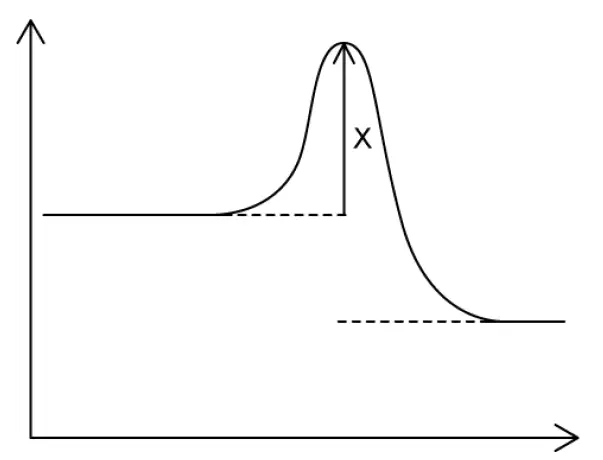
The graph below shows a reaction profile for the reaction between methane and oxygen. What does the label X represent?
Activation energy
Overall energy change
Reactants
Progress of the reaction
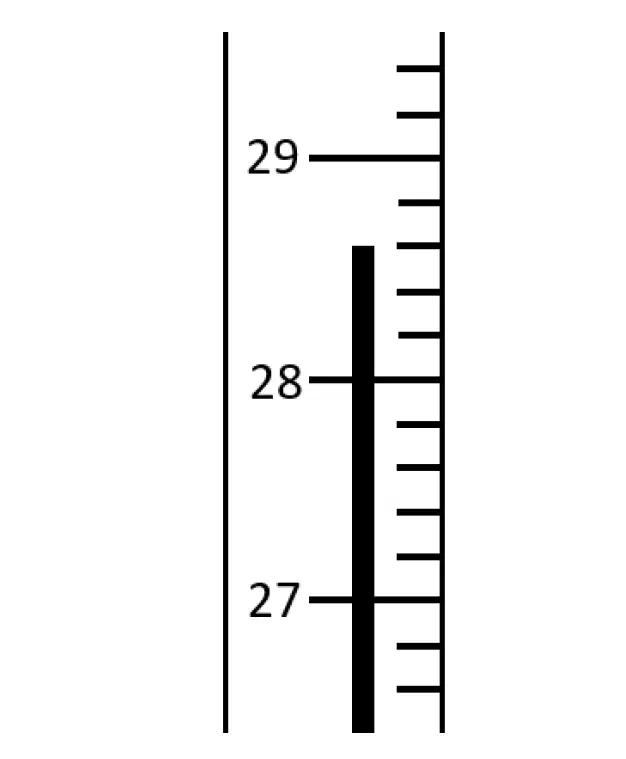
What is the reading on the following thermometer?
28.3 oC
28.6 oC
29.2 oC
28.5 oC

A student adds a small amount of ammonium chloride to a beaker of water. The temperature of the water decreases from 21 oC to 17 oC.
Which type of reaction has occurred and why?
A
B
C
D
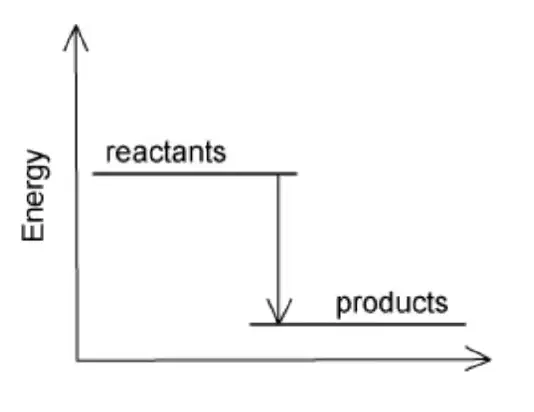
The energy level diagram below shows the relative energies of the reactants and products in a reaction. Which row correctly describes the type of reaction and corresponding energy change?
endothermic
heat is released
endothermic
heat is absorbed
exothermic
heat is released
exothermic
heat is absorbed
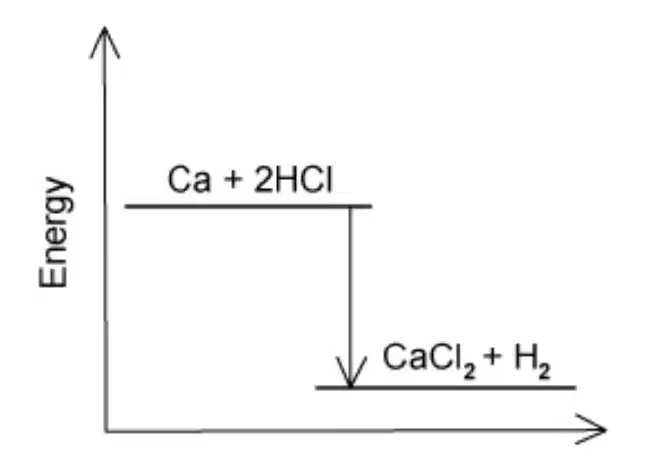
Calcium and hydrochloric acid react to produce calcium chloride and hydrogen gas. The energy level diagram for the reaction is shown below.
Which statement about this reaction is NOT correct?
The temperature of the surroundings increases.
The reaction is endothermic.
The products have less energy than the reactants.
Energy is released during the reaction.
Which of the following processes is endothermic?
Reacting sodium with water.
The use of petrol in an engine.
Distilling crude oil.
Burning fossil fuels.
In all chemical reactions, bonds in the reactant species are broken and new bonds are formed in the products. Which statement is correct?
Bond breaking requires energy and is thus an exothermic process.
Bond breaking requires energy and is thus an endothermic process.
Bond breaking releases energy and is thus an exothermic process.
Bond breaking releases energy and is thus an endothermic process.

Which is true about chemical energy changes?
A
B
C
D
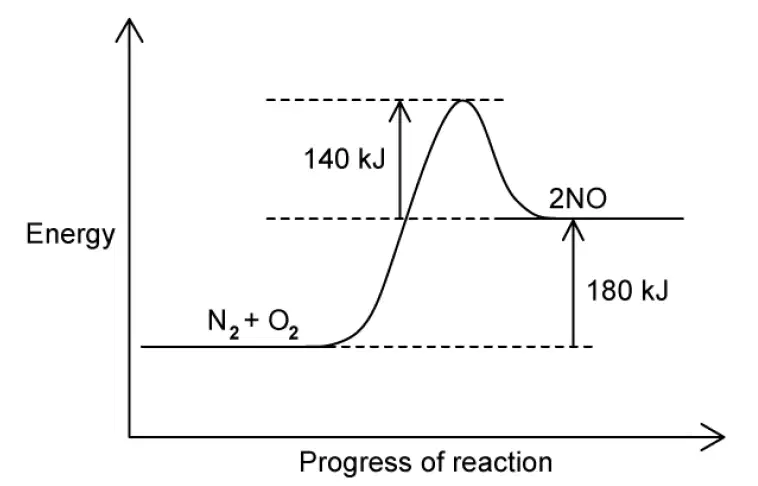
The reaction profile for making nitrogen monoxide, NO, is shown below:
What is the activation energy for this reaction?
+140 kJ
+180 kJ
+320 kJ
-330 kJ
Endothermic reactions can be used in emergency sports injury treatment packs.
What is true about these packs?
Absorb energy from the surroundings and transfer it to the injury
Can be re-used
Usually contain ammonium nitrate and water in separate compartments
Cause the temperature of the surroundings to increase
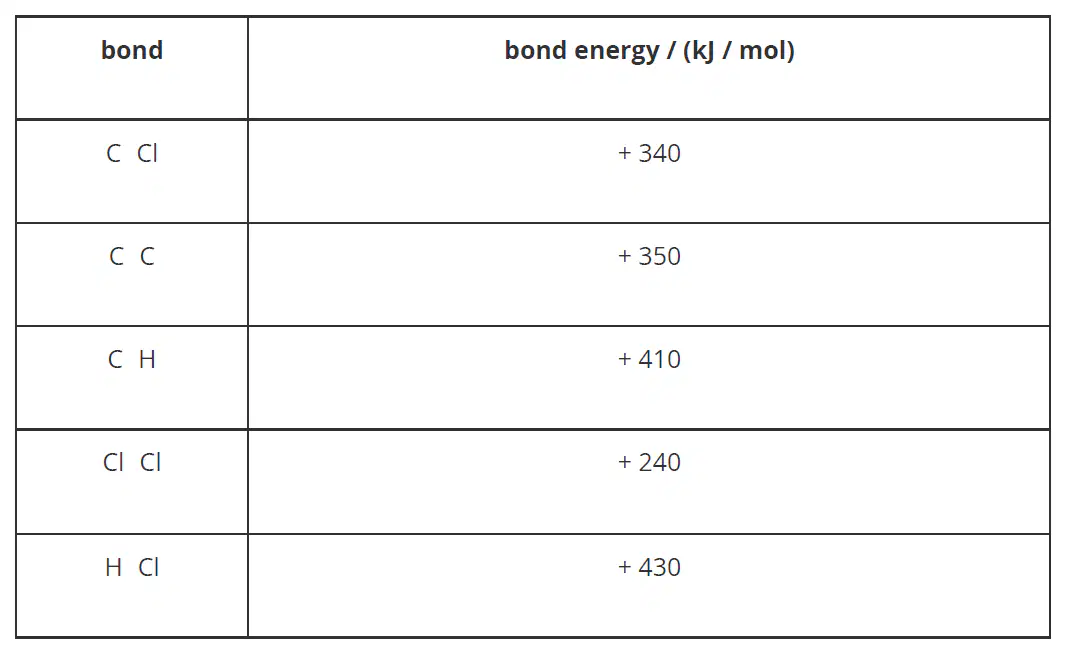
Chlorine and ethane react together in an exothermic reaction to produce chloroethaneand hydrogen chloride. The equation for the reaction is shown below.
C2H6 + Cl2 → C2H5Cl + HCl
The table below shows the relevant bond energies.
What is the energy change for the reaction between chlorine and ethane?
-120 kJ / mol
-1020 kJ / mol
+120 kJ / mol
+1020 kJ / mol
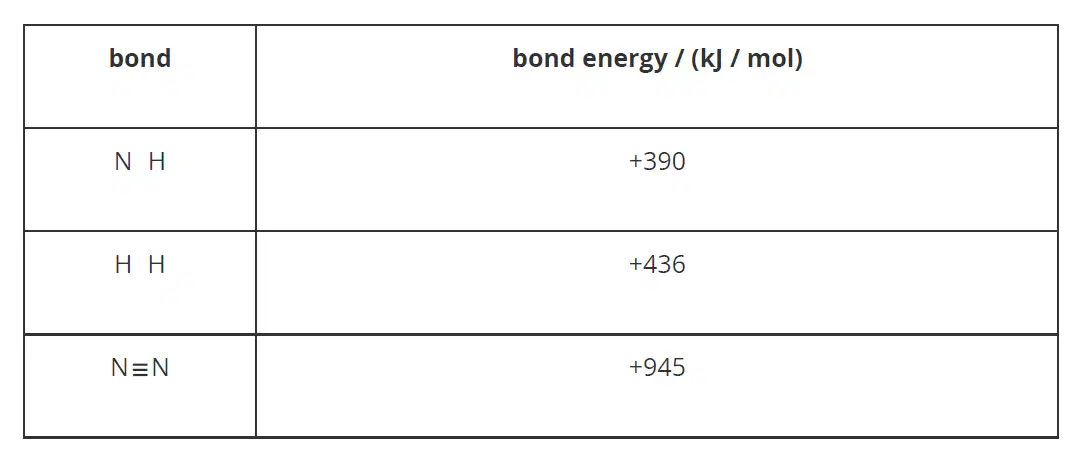
The production of ammonia involves the exothermic reaction between nitrogen and hydrogen. The equation for the reaction is shown.
N2 + 3 H2 → 2 NH3
The table shows the bond energies.
-230 kJ / mol
-1025 kJ / mol
-87 kJ / mol
+87 kJ / mol

Chlorine and hydrogen react in an exothermic reaction producing hydrogen chloride. The equation for the reaction is shown.
Cl2 + H2 → 2 HCl
The table shows some of the bond energies involved. The total energy change for this reaction is -184 kJ / mol.
What is the energy of the Cl─Cl bond?
-170 kJ / mol
+240 kJ / mol
+170 kJ / mol
-240 kJ / mol
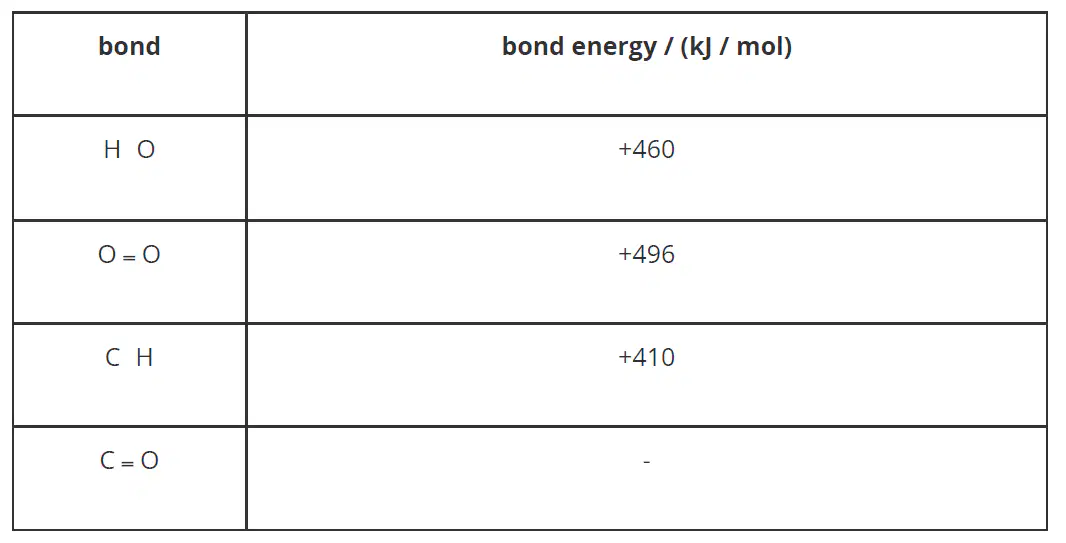
Methane combusts in oxygen as shown producing an energy change of -890 kJ / mol.
CH4 + 2O2 → CO2 + 2H2O
The table shows some of the bond energies involved.
What is the energy of the C=O bond?
-155 kJ / mol
+333 kJ / mol
-840 kJ / mol
+841 kJ / mol
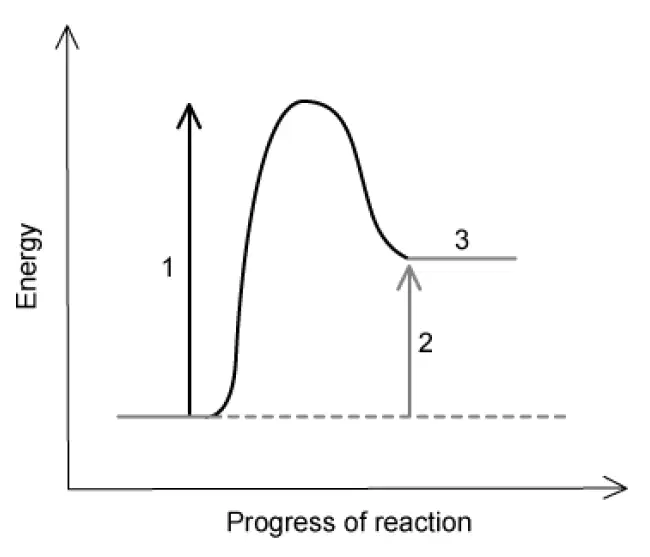
An energy level diagram is shown below. Which row is correct for the points labelled 1, 2 and 3?
activation energy
energy change
reactants
energy change
activation energy
products
energy change
activation energy
reactants
activation energy
energy change
products
Which statement is true about exothermic and endothermic reactions?
The products have more energy than the reactants in an exothermic reaction
The products have more energy than the reactants in an endothermic reaction
The activation energy for an exothermic reaction is always larger than the activationenergy for an endothermic reaction
Most reactions are endothermic
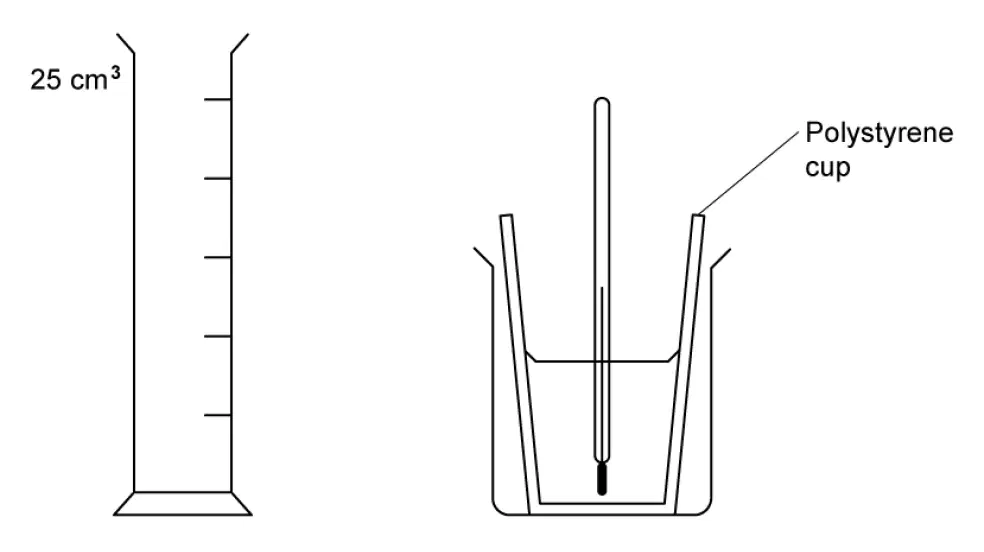
When solid sodium oxide is added to water, an exothermic reaction occurs:
Na2O (s) + H2O (l) → 2NaOH (aq)
A student uses the apparatus below to measure the temperature change of the reaction:
The student records the following results for the reaction:
mass of sodium oxide used = 3.0 g
volume of water used = 50 cm3
starting temperature of mixture = 19.5 0C
maximum temperature of mixture = 30.5 0C
What is the heat energy, Q, released in this experiment, in J?
c = 4.2 J/g/0C
mass of 1 cm3 of water = 1 g
Q = 2,310 J
Q = 2,450 J
Q = 139 J
Q = 126 J
Sodium oxide reacts with water to form sodium hydroxide.
A scientist plans to measure the temperature change of the reaction using calorimetry ina lab.
This is the scientist's basic method:
use 50 g of water
record the temperature of the water
add sodium hydroxide
stir
record the maximum temperature reached
Which apparatus list is the most appropriate for this experiment?
Electronic balance, measuring cylinder, glass beaker, thermometer
Measuring cylinder, glass beaker, polystyrene cup, thermometer
Electronic balance, glass beaker, polystyrene cup, thermometer
Measuring cylinder, glass beaker, glass rod, thermometer
Another student carries out the experiment to fi nd the heat energy released in thereaction of sodium oxide with water:
Na2O (s) + H2O (l)→2NaOH (aq)
They found that 10,800 J of heat energy was released when 0.060 mol of sodium oxidereacts.
What is the value of ΔH, in kJ/mol, for the reaction of sodium oxide with water?
0.0056 kJ/mol
180 kJ/mol
1,800 kJ/mol
8,000 kJ/mol
The actual molar enthalpy change, ΔH, for the reaction of sodium oxide with water, is-238 kJ/mol.
Experimental results from calorimetry in labs give less exothermic results.
Which of the following does not explain this difference?
The reaction may have been incomplete
Heat energy also transfers to the surroundings
The calorimetry equipment also has a specific heat capacity, and so affects the final temperature reading
The student measured the initial temperature of the water as lower than the actual value.
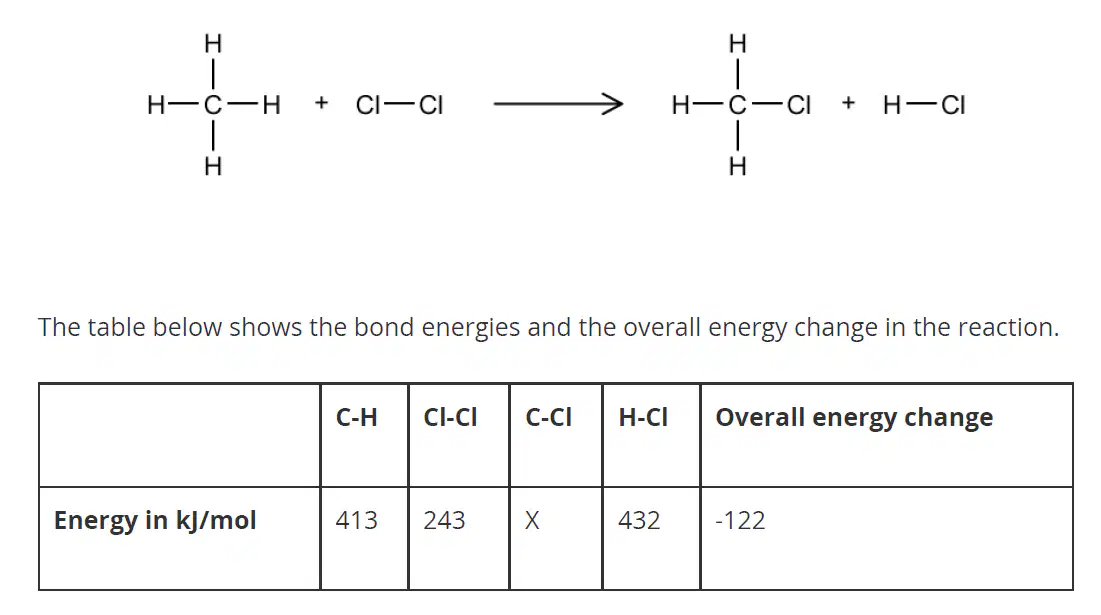
Chlorine reacts with methane in sunlight.
CH4+ Cl2→ CH3Cl + HCl
The diagram below shows the displayed formulae for the reaction of chlorine with methane.
What is the value of X?
67
134
346
542

How much energy is needed to break all the bonds in 0.025 g of nitrogen gas?
The relative atomic mass, Ar, of N is 14.
1701 J
1701 kJ
844 J
844 kJ
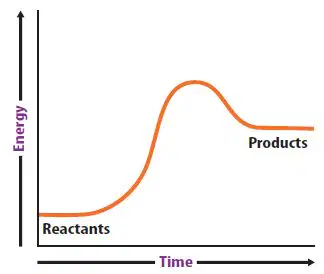
This graph is an energy diagram for a chemical reaction. Which is true of this type of reaction?
More energy is required to break reactant bonds than is released when product bonds form
Less energy is required to break reactant bonds than is released when product bonds form
The bonds of the reactants do not require energy to break because the reaction releases energy
The bonds of the reactants require energy to break, and therefore the reaction only absorbs energy
What type of reactions require energy in order to start?
neither endothermic nor exothermic reactions
endothermic reactions only
exothermic reactions only
both endothermic and exothermic reactions
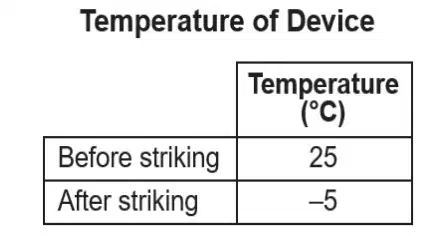
Jesse is studying a new device that consists of a sealed plastic bag that contains two substances separated by a thin membrane. When the device is struck, the membrane breaks and the two substances mix within the plastic bag. Jesse measures the temperature of the device before and after striking it. The results are shown in the table. What problem could be solved by using this device?
the need for astronauts to cook food in outer space
the need to keep meat products cold during shipping
the need to keep skiers warm when the weather is very cold
the need for campers to generate electricity in the wilderness

