
NEW
Font size
 Worksheets
U2L5 HW Intro to Bus
Total questions: 32
Worksheet time: 8hrs 0mins

Fill in the blank: _______ is the process of recording, analyzing, and interpreting the economic activities of a business.
Accounting
Marketing
Budgeting
Auditing
Fill in the blank: An _______ is anything where money changes hands.
economic activity
transaction
exchange
purchase
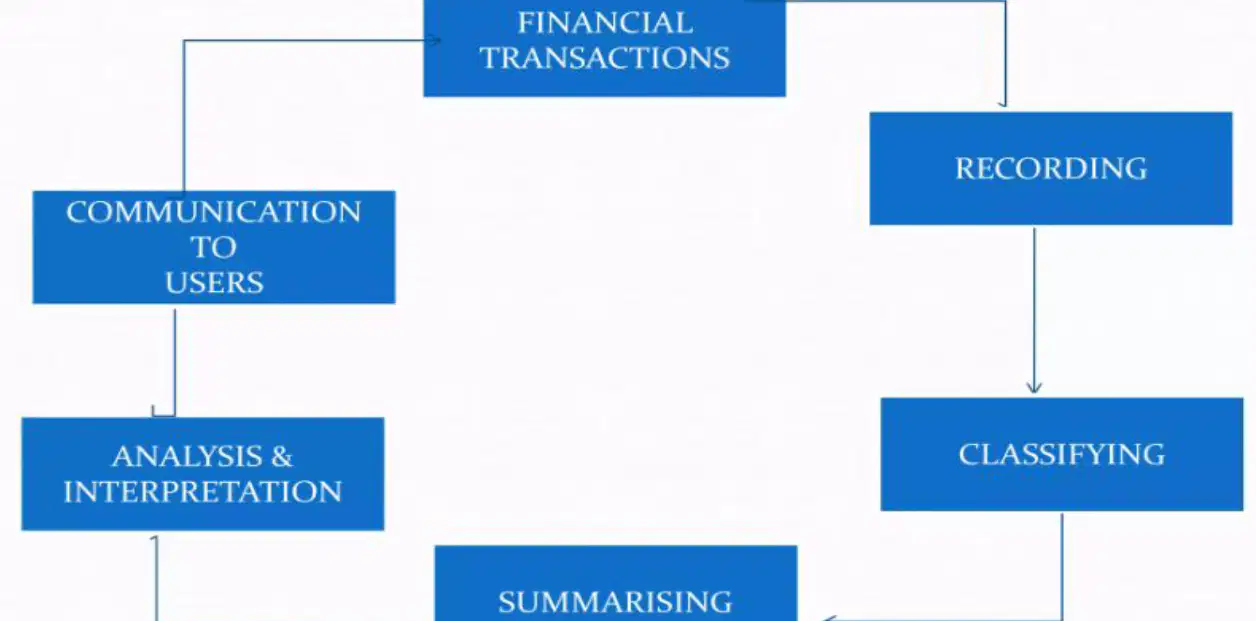
Which step comes after 'Recording' in the accounting process?
Classifying
Summarizing
Analyzing
Interpreting
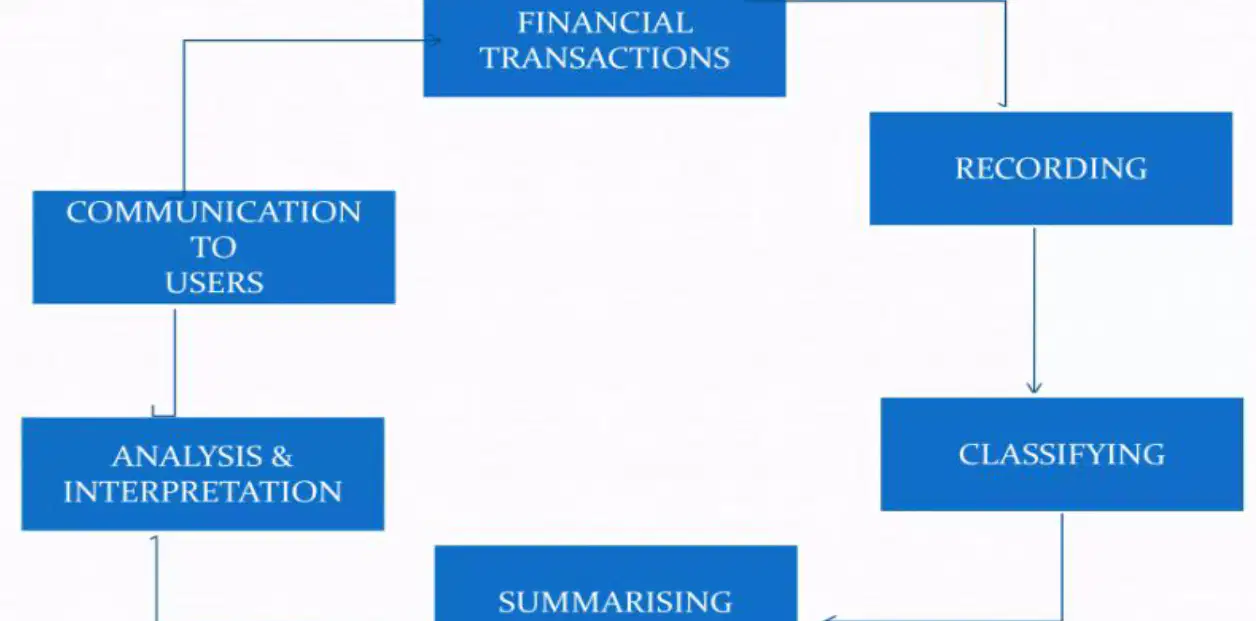
Which of the following is a step in the accounting process?
Budgeting
Recording
Marketing
Auditing

One of the objectives of accounting is ___________.
Maintaining records
Increasing sales
Improving customer satisfaction
Enhancing employee productivity

Accounting helps to ___________.
Determine profit or loss
Track inventory levels
Manage employee schedules
Plan marketing strategies

One of the objectives of accounting is to ___________.
Determine financial position
Increase sales
Reduce taxes
Improve employee satisfaction
Profit or loss is determined according to the objectives of accounting by:
calculating the difference between total revenue and total expenses
analyzing the market trends
evaluating employee performance
assessing customer satisfaction
The purpose of determining financial position in accounting is to:
assess the profitability of a business.
evaluate the financial health of a business.
determine the tax liability of a business.
analyze the market trends affecting a business.

Providing information to users helps them by:
improving decision-making
confusing them
making them dependent
overloading them with data

Which of the following is an internal user of accounting information?
Government
Banks
Employees
Investors
Fill in the blank: Accounting is the art of recording, classifying, and summarizing in terms of money transactions which are of financial character, and interpreting the results thereof.
Accounting is the art of recording, classifying, and summarizing in terms of money transactions which are of financial character, and interpreting the results thereof.
Accounting is the science of recording, classifying, and summarizing in terms of money transactions which are of financial character, and interpreting the results thereof.
Accounting is the process of recording, classifying, and summarizing in terms of money transactions which are of financial character, and interpreting the results thereof.
Accounting is the method of recording, classifying, and summarizing in terms of money transactions which are of financial character, and interpreting the results thereof.

Which of the following is an example of an Asset?
House
Loan
Owner's Equity

Which of the following is an example of a Liability?
Car
Loan
Owner's Equity

What are examples of Cash as an asset?
A) Currency, bank deposits, checks, etc
B) Office furniture
C) Vehicles
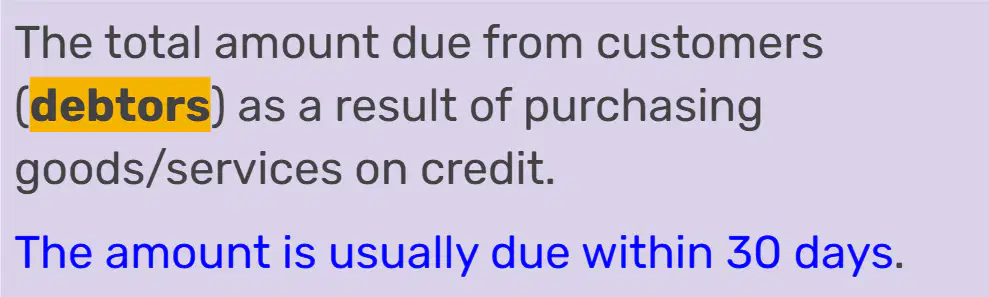
Accounts Receivable refers to the total amount due from customers (debtors) as a result of purchasing goods/services on credit.
True
False

Fill in the blank: Office Supplies are items purchased for use within the business office, such as _______.
pens, paper, etc.
computers, servers, etc.
furniture, desks, etc.
vehicles, cars, etc.

Fill in the blank: _______ is a capital investment that a company has purchased to perform a specific task for the business, such as machinery, computers, and tools.
Equipment
Furniture
Inventory
Real Estate

Fill in the blank: _______ is the physical structure in which the business operates.
Building
Vehicle
Software
Furniture

Fill in the blank: _______ is the ground on which the building is located.
Land
Water
Sky
Roof
What is a liability?
A liability is anything of value that is owed.
A liability is an asset that generates income.
A liability is a type of investment.
A liability is a form of equity.
What is equity (net worth)?
Equity (net worth) is the value that’s left after you’ve paid off all of your debts. It’s your investment in your assets.
Equity (net worth) is the total amount of money you owe to creditors.
Equity (net worth) is the cash you have in your bank account.
Equity (net worth) is the total value of your liabilities.
Which formula represents Owner's Equity?
Assets * Liabilities = Owner's Equity
Assets - Liabilities = Owner's Equity
Liabilities - Assets = Owner's Equity

Classify the following: A building that the business owns.
Asset
Liability
Owner's Equity

Classify the following: A bank loan.
Asset
Liability
Owner's Equity

Classify the following: The value of the business.
Asset
Liability
Owner's Equity

Classify the following: Money the business owes to a supplier.
Asset
Liability
Owner's Equity

Classify the following: A computer.
Asset
Liability
Owner's Equity

Classify the following: Money owed to a business from a customer.
Asset
Liability
Owner's Equity
What is the primary focus of the statement of cash flows?
To report the company's profitability over a period of time
To ensure that the business is liquid
To display the company's ownership structure
To list the company's investment portfolio
A profit and loss (P&L) statement is:
a financial statement that summarizes the revenues, costs, and expenses incurred during a specific period of time.
a document that outlines the company's future financial goals.
a report that details the company's assets and liabilities.
a statement that provides information about the company's cash flow.
What does a "Balance Sheet" list?
Revenue, Expenses, Profit
Assets, Liabilities, Owner's Equity
Cash Flow, Investments, Dividends
Sales, Purchases, Inventory

