
 Worksheets
Exploring DNA and RNA Functions
Total questions: 90
Worksheet time: 1hrs 3mins
Who discovered the double helix structure of DNA?
Charles Darwin
James Watson and Francis Crick
Rosalind Franklin and Maurice Wilkins
Gregor Mendel
What is the full name of DNA?
Deoxyribonucleic Acid
Dicarboxylic Nucleic Acid
Deoxyribose Nucleic Acid
Dioxyribonucleic Acid
Which of the following is NOT a component of a DNA nucleotide?
Phosphate group
Ribose sugar
Nitrogenous base
Deoxyribose sugar
Which base pairs with adenine in DNA?
Cytosine
Guanine
Thymine
Uracil
What is the main function of DNA in cells?
Energy storage
Carrying genetic information
Structural support
Catalyzing reactions
Which enzyme is responsible for unwinding the DNA double helix during replication?
DNA polymerase
Helicase
Ligase
Primase
What is the direction of DNA synthesis during replication?
3' to 5'
5' to 3'
Both directions simultaneously
Random direction
Which of the following is NOT a difference between DNA and RNA?
DNA contains thymine, RNA contains uracil
DNA is double-stranded, RNA is single-stranded
DNA contains deoxyribose, RNA contains ribose
DNA is found only in the nucleus, RNA is found only in the cytoplasm
What is the process of copying DNA into RNA called?
Translation
Replication
Transcription
Transformation
Which type of RNA carries amino acids to the ribosome during protein synthesis?
mRNA
tRNA
rRNA
snRNA
Which scientist used X-ray diffraction to help reveal the structure of DNA?
Erwin Chargaff
Rosalind Franklin
Frederick Griffith
Oswald Avery
What is the function of mRNA?
Forms the structure of ribosomes
Carries genetic code from DNA to ribosomes
Brings amino acids to ribosomes
Replicates DNA
Which of the following best describes the structure of DNA?
Single-stranded helix
Double-stranded helix
Triple-stranded helix
Linear chain
What is the role of DNA polymerase in replication?
Unwinds the DNA
Joins Okazaki fragments
Synthesizes new DNA strands
Adds RNA primers
Which base is found in RNA but not in DNA?
Thymine
Adenine
Uracil
Guanine
What is the central dogma of molecular biology?
DNA → RNA → Protein
RNA → DNA → Protein
Protein → RNA → DNA
DNA → Protein → RNA
During translation, what is the function of the ribosome?
Synthesizes DNA
Synthesizes RNA
Synthesizes proteins
Synthesizes lipids
Which of the following statements about DNA replication is TRUE?
It occurs during mitosis
It is a conservative process
Each new DNA molecule has one old and one new strand
It only happens in prokaryotes
What is a codon?
A sequence of two nucleotides
A sequence of three nucleotides in mRNA
A sequence of four nucleotides in tRNA
A single nucleotide
Which enzyme joins Okazaki fragments on the lagging strand during DNA replication?
DNA polymerase
Helicase
Ligase
Primase
What is the sugar found in RNA?
Deoxyribose
Ribose
Glucose
Sucrose
Which of the following is NOT a nitrogenous base in DNA?
Adenine
Guanine
Uracil
Thymine
What is the first step in DNA replication?
DNA ligase joins fragments
DNA polymerase synthesizes new strands
Helicase unwinds the double helix
RNA primers are removed
Which process converts mRNA into a protein?
Replication
Transcription
Translation
Transformation
Which scientist performed the experiment that showed DNA is the genetic material using bacteriophages?
Hershey and Chase
Watson and Crick
Griffith
Avery, MacLeod, and McCarty
What is the function of rRNA?
Carries genetic code
Forms the core of ribosomes and catalyzes protein synthesis
Brings amino acids to ribosomes
Replicates DNA
Which of the following best describes the antiparallel nature of DNA?
Both strands run in the same direction
Strands run in opposite 5' to 3' directions
Strands are identical
Strands are circular
What is the complementary base pair for guanine in DNA?
Adenine
Thymine
Cytosine
Uracil
Label the nucleotide
Phosphate
Sugar
Nitrogenous base
Select ALL the Phosphate Group
Select ALL the NITROGEN BASES in the picture (4 total)

Match the following numbers in the diagram to what part of the DNA molecule they are pointing at.
4
hydrogen bonds
5
sugar phosphate backbone
3
nitrogenous bases
6
nucleotide
2
deoxyribose sugar


Transports the amino acids to form the polypeptide
carries and provides the code to the ribosome.
Forms the ribosomes along with proteins
Label the parts!
Replication fork
Made during transcription because DNA is too big and fragile to leave the nucleus
mRNA
Used to attach the anticodon
tRNA
enzyme that adds nucleotides to the template strand to make a complimentary strand
DNA polymerase
unzip and unwinds the DNA
Helicase
enzyme used to transcribe DNA to RNA
RNA polymerase
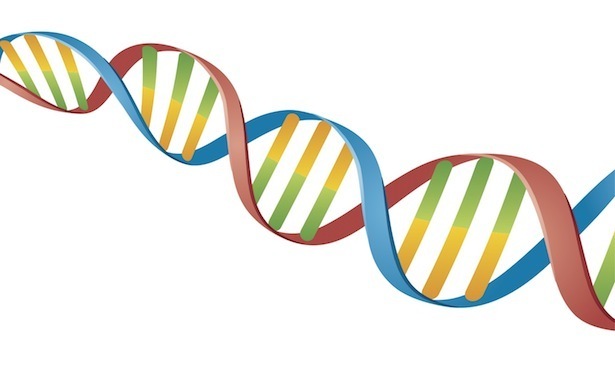
Which types of RNA are involved in protein synthesis?
t-RNA and m-RNA
m-RNA and r-RNA
t-RNA, m-RNA, and r-RNA
t-RNA and r-RNA
Which of the following processes occurs during transcription?
Conversion of RNA into DNA
Synthesis of RNA from a DNA template
Assembly of amino acids into proteins
Replication of DNA
Which of the following best describes the role of a codon?
It signals the start of DNA replication
It specifies an amino acid in a protein
It binds to the ribosome
It transports amino acids
What is the role of the anticodon in translation?
It signals the end of protein synthesis
It pairs with the codon on mRNA
It initiates DNA replication
It catalyzes peptide bond formation
What is the function of a ribosome during translation?
To replicate DNA
To synthesize RNA
To assemble amino acids into proteins
To degrade mRNA
Which of the following processes is directly involved in the synthesis of proteins?
Transcription
Translation
Replication
Splicing
What is the significance of the start codon in mRNA?
It signals the end of transcription
It marks the beginning of translation
It initiates DNA replication
It terminates protein synthesis
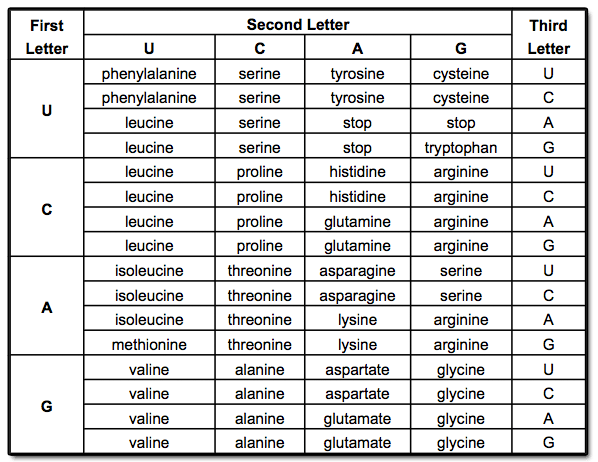
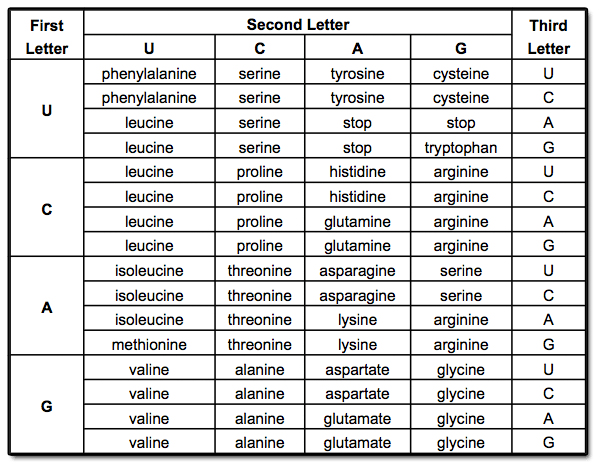

AGU

Formulate a hypothesis on how the presence of glucose affects the expression of the lac operon in E. coli. What experimental approach would you use to test this hypothesis?
The presence of glucose has no effect on the lac operon expression.
The presence of glucose enhances the expression of the lac operon.
The presence of glucose represses the expression of the lac operon.
The presence of glucose causes random expression of the lac operon.
Analyze the process of transcriptional regulation in prokaryotes. How do repressors and activators influence gene expression?
Repressors and activators have no role in transcriptional regulation.
Repressors bind to the promoter region to enhance gene expression, while activators block transcription.
Repressors bind to the operator region to block transcription, while activators enhance RNA polymerase binding to the promoter.
Repressors and activators are only involved in post-transcriptional regulation.
Explain how the lac operon in E. coli is regulated in the presence and absence of lactose. Use evidence from molecular genetics to support your explanation.
The lac operon is always active, regardless of lactose presence.
The lac operon is repressed in the absence of lactose and activated in its presence.
The lac operon is activated in the absence of lactose and repressed in its presence.
The lac operon is regulated by glucose levels, not lactose.
What are the four nucleotide bases found in DNA?
Adenine, Thymine, Cytosine, Guanine
Adenine, Uracil, Cytosine, Guanine
Adenine, Thymine, Cytosine, Uracil
Adenine, Uracil, Cytosine, Thymine
In DNA, which base pairs with Adenine?
Cytosine
Guanine
Thymine
Uracil
What is the complementary RNA base pairing for Adenine?
Thymine
Cytosine
Guanine
Uracil
Which of the following statements is true about RNA?
RNA is double-stranded.
RNA contains the sugar deoxyribose.
RNA contains the base Thymine.
RNA is single-stranded.
Predict the complementary DNA strand for the following sequence: 5'-ATCGGCTA-3'.
5'-TAGCCGAT-3'
3'-TAGCCGAT-5'
5'-UAGCCGAU-3'
3'-UAGCCGAU-5'
Given the DNA sequence 5'-GATTACA-3', what would be the corresponding mRNA sequence?
5'-CUAAUGU-3'
3'-CUAAUGU-5'
5'-GAUUACA-3'
3'-GAUUACA-5'
Analyze the impact of a mutation that changes an Adenine to a Thymine in a DNA sequence.
It will always result in a non-functional protein.
It may result in a different amino acid being incorporated into a protein.
It will have no effect on the protein produced.
It will always cause a frameshift mutation.
How does complementary base pairing facilitate the process of transcription?
It allows the DNA to unwind.
It ensures that the mRNA is an exact copy of the DNA.
It allows RNA polymerase to synthesize mRNA from the DNA template.
It prevents errors during DNA replication.

A Nucleotide is shown above. What part of the Nucleotide is labelled "2"?
Sugar
Phosphate
Nitrogenous Base


When does DNA Replication occur?
Just before the cell divides
Just after the cell divides
The M phase
The S phase
Where inside a cell is DNA found?
nucleus
cytoplasm
endoplasmic reticulum
Golgi body
The DNA of your brain cells and your blood cells are
50% similar
Completely different
100% the same
75% similar

ATG TGA CAG
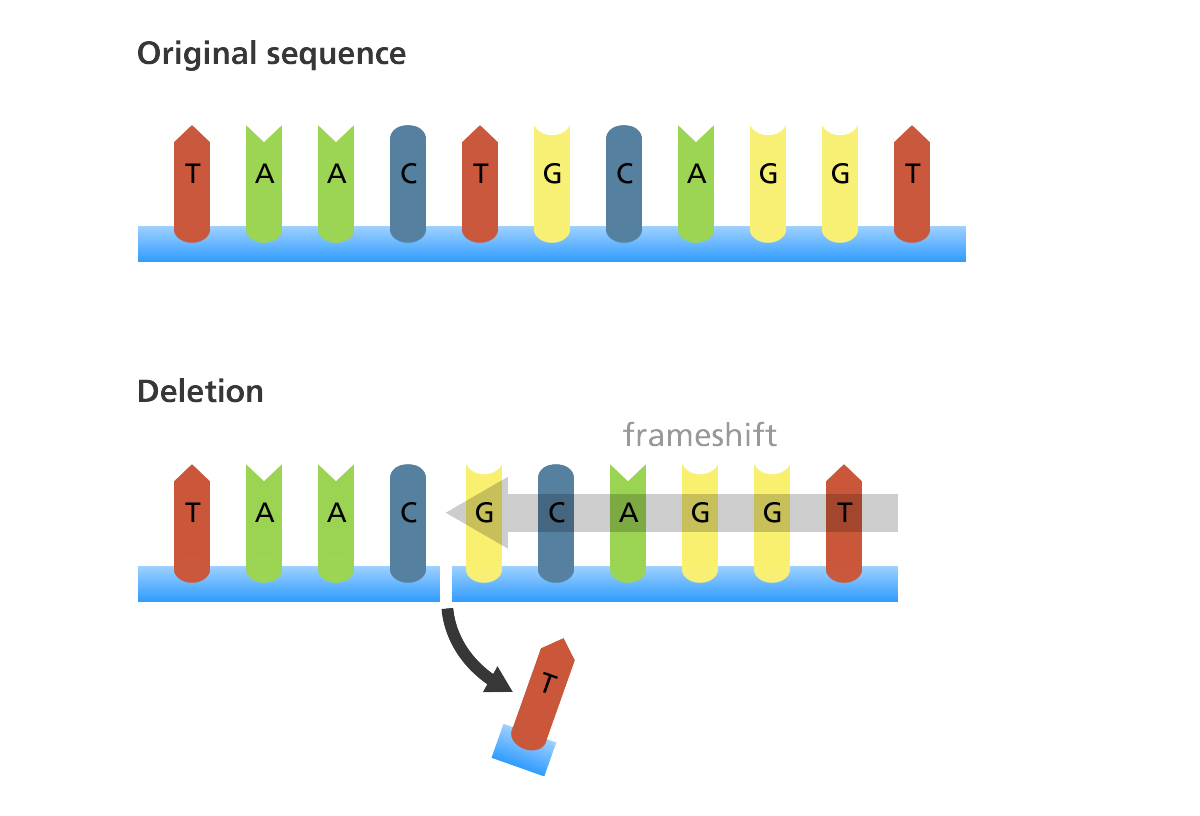
ATG CCA AAT
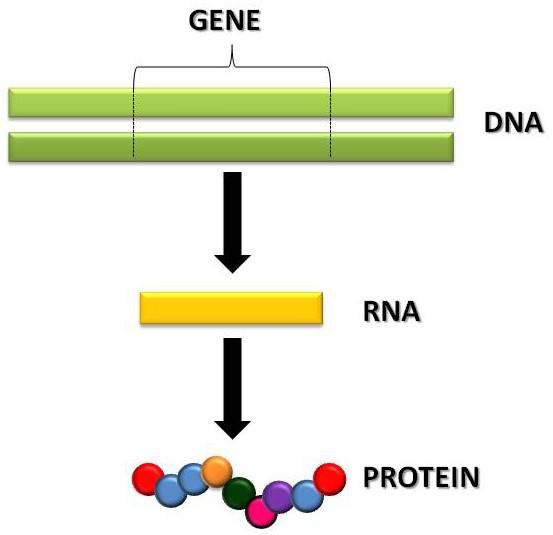
Change of one base only in the sequence of bases in a gene.
substitution
point mutation
frameshift mutation
deletion

Which of the following images is a SUBSTITUTION?


Which of the following statements is a DELETION?
Produces an extra copy of all or part of a chromosome.
Reverses the direction of parts of a chromosome.
Involves the loss of all or part of a chromosome.
Occurs when part of one chromosome breaks off and attaches to another.

Which of the following statements is a TRANSLOCATION?
Produces an extra copy of all or part of a chromosome.
Reverses the direction of parts of a chromosome.
Involves the loss of all or part of a chromosome.
Occurs when part of one chromosome breaks off and attaches to another.

Which of the following statements is a DUPLICATION?
Produces an extra copy of all or part of a chromosome.
Reverses the direction of parts of a chromosome.
Involves the loss of all or part of a chromosome.
Occurs when part of one chromosome breaks off and attaches to another.

Which of the following statements is a INVERSION?
Produces an extra copy of all or part of a chromosome.
Reverses the direction of parts of a chromosome.
Involves the loss of all or part of a chromosome.
Occurs when part of one chromosome breaks off and attaches to another.
Mutagens are
chemical agents in the environment.
physical agents in the environment.
both chemical and physical agents in the environment.
none of the answer are correct.
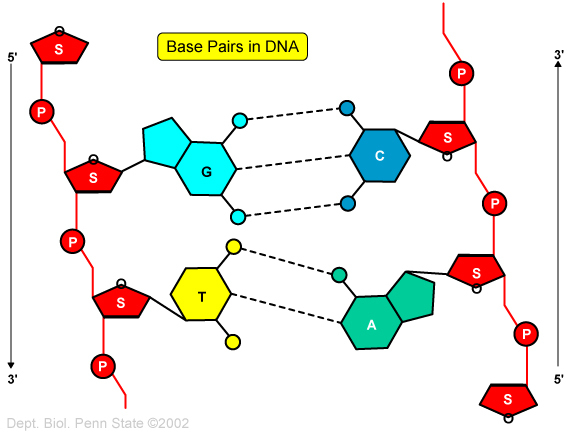
The term "rungs" refers to which part of the DNA molecule?
the phosphate group
the sugar
the sugar and the phosphate together
the complementary nitrogen bases
GAG-CTC-GAC-AGA
Mutant
GAG CTC-CAC-AGA
Mutation: ATC GCAT
What mutation occurred?

A nucleotide base is inserted or deleted shifting the entire DNA sequence. Entire protein will be changed.
Substitution Mutation
Silent Mutation
Frameshift Mutation
Translocation

Operons are only found in
prokaryotes
eukaryotes
T/F: Changes in even a single amino acid may cause a shape change in the resulting protein. This would affect the protein's ability to function.
True
False

What is a transcription factor in eukaryotic cells?
Proteins that help regulate the transcription of genes by binding to specific DNA sequences
Lipids that store energy in the cell
Carbohydrates that provide structural support to the cell
Nucleic acids that carry genetic information in the cell
Mutation: ATC GCAT
What mutation occurred?

