
 Worksheets
Plant and Animal Test
Total questions: 40
Worksheet time: 2hrs 8mins

Do you like Science?
*Pick only ONE this time*
Yes
No
Maybe
Ummm...sort of
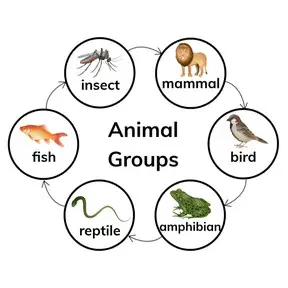
Sam is hoping to classify an animal in the correct group. She knows that the animal has a BACKBONE, is COLD-BLOODED, and can live in the water.
Which category does the animal NOT belong to?
Birds
Fish
Reptiles
Amphibians

The table shows characteristics of two different types of animals.
Which animals do X and Y MOST LIKELY represent?
X is a reptile and Y is an amphibian
X is an amphibian and Y is a reptile
X is a mammal and Y is a fish
X is a fish and Y is a mammal

What adaptations does a fish have that allows it to survive in water?
gills and a backbone
a backbone and fins
fins and gills
scales and gills

Which part of a dandelion plant takes in minerals and water?
flower
leaf
root
stem

Look at the facts about the arctic fox. What characteristic allows the arctic fox to survive in its environment?
It lives in one of the coldest parts of the world.
It has very pretty fur that is needed by humans.
It is most active from September to May.
It has fur that changes color.
Which stimulus do the roots respond to?
gravity
light
temperature

Plants can be divided into two groups, what are the two groups?
flowering and non flowering
seed and flowering
seed and cone
cone and spore

One desert plant adaptation is
thick leaves because they taste better
lots of large leaves
smooth stems
thick leaves to lose less water
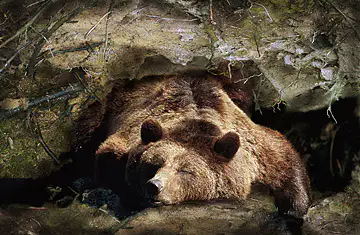
which word means to sleep through the winter to help surive the low food supply?
migrate
hibernate
adapt
classify

Which word means to find a warmer location for the winter
hibernate
migrate
adapt
classification

What does warm blooded mean
can change body temp when they want
temp changes with enviornment
temperature stays the same
they have no temperature

A physical feature or behavior that helps an organism survive in its environment is a/an ____________________.
characteristic
adaptation
classify
bird

An invertibrate____________________.
DOES NOT have a backbone.
easts meat only
HAS a backbone
eats veggies only

A vertebrate ____________
DOES NOT have a backbone.
Eats meat only
HAS a backbone.
Eats plants only

A plant makes food by __________.
eating it´s prey
finding some food on the ground
photosynthesis
going to McDonalds

A spider spinning a web is a ________ .
learned behavior
instinct
gross
cool

A child speaking English is a/an__________.
learned behavior
instinct
adaptation
characteristic

Where an animal or plant lives is called its.............
home
habitat
dwelling
soil

Students in Ann’s class make a table to describe their pets. Students write yes or no to tell whether the pet has each characteristic. According to the table, whose pet is a reptile?
Ahmad’s
Ann’s
Miha’s
Keith’s
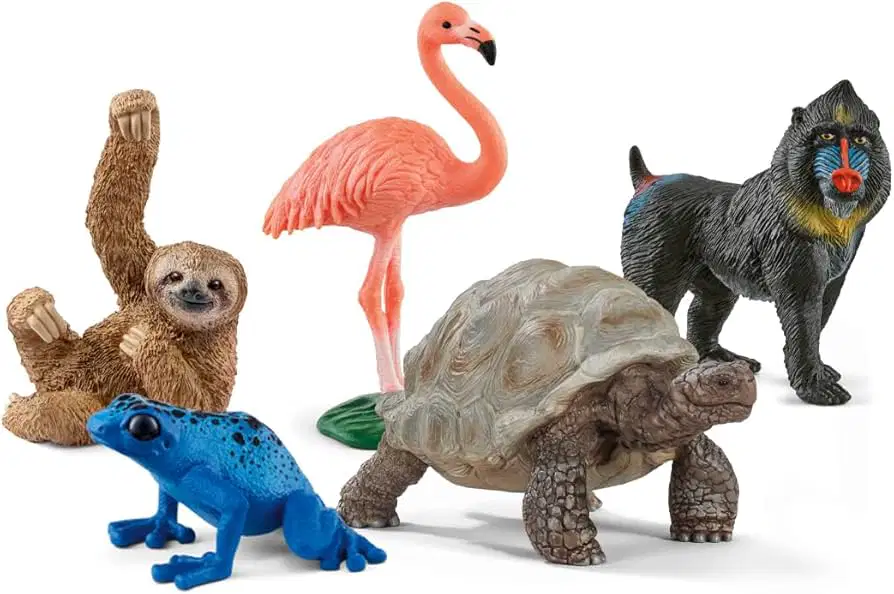
Dirk is making a poster about: flamingos, tortoises, and frogs. What is one way that all of these animals are alike?
They lay eggs.
They have feathers.
They use gills for breathing.
They have scales on their skin.

Darin reads a book about sea animals. The picture shows some of the animals.
Which animal is a mammal?
octopus
shark
seahorse
whale

Students in Karlee’s class make posters about different animals. The picture shows some of the animals on the posters. Which of the animals are amphibians?
tuna and frog
newt and frog
turtle and newt
snake and turtle

Emmanuel classifies a plant as a nonflowering, seed-bearing plant. What evidence explains his choice?
He sees cones.
He sees spores.
He sees petals and leaves.
He sees spores and needles.
Select all the images that show seed-producing plants


How would you classify this plant?
flowering, seed producing
nonflowering, seed producing
flowering, spore producing
nonflowering, spore producing
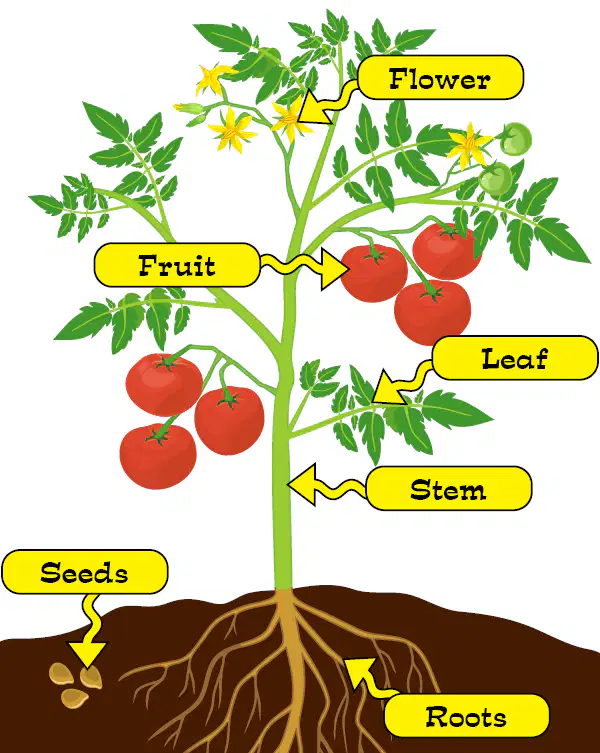
What is the function of the roots?
support the plant
absorb sunlight
absorb water
photosynthesis

Where does photosynthesis take place?
in the roots
in the stem
in the leaves
in the flowers

Which stimuli does the stem respond to?
gravity
light
temperature
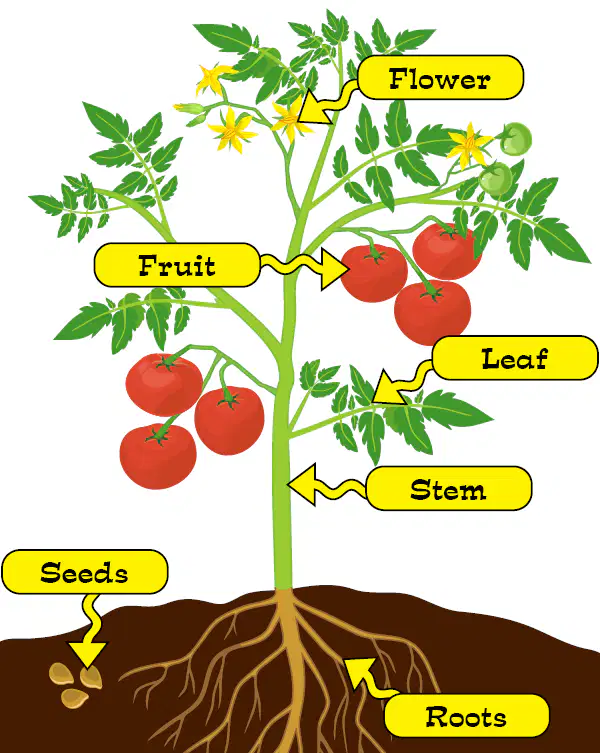
This part of the plant is responsible for transporting water and nutrients to the rest of the plant.
roots
stem
leaves
flower
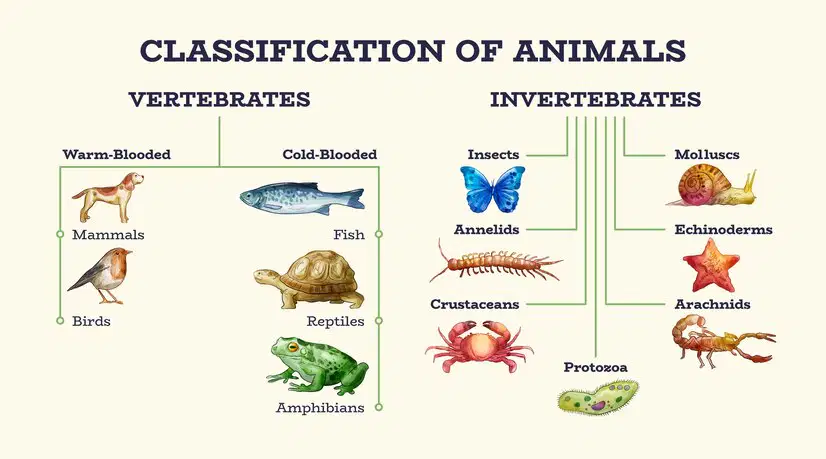
How would you classify a bear?
warm-blooded, vertebrate, mammal
cold-blooded, vertebrate, mammal
invertebrate, warm-blooded, mammal
invertebrate, cold-blooded, mammal

Select all the animal groups that are cold-blooded.
mammals
fish
birds
reptiles
amphibians

What does warm-blooded mean?
animal can only live in warm climates
animals have a constant body temperature
animals cannot live in cold climates
animals cannot control their body temperature

Which animal fits these classifications: vertebrate, cold-blooded, lays eggs, live in water, breathes with gills, has scales and fins
bird
reptile
amphibian
fish

Select all the animal groups that are invertebrates.
fish
crustaceans
arachnids
reptiles
insects

How would you classify an animal that is a vertebrate, has wings, and lives on land?
insect
arachnid
bird
mammal

It is getting cool outside. The leaves are changing colors and falling from the trees. What animal behaviors show that winter is coming?
A bison losing thick patches of hair/fur.
A bear is eating a lot of food and gaining weight.
A duck is laying eggs in the water.
A flock of birds is flying south.

Select all the examples of seasonal behavior adaptations animals exhibit.
molting
camoflage
hibernation
migration
eyes to be able to see in the dark
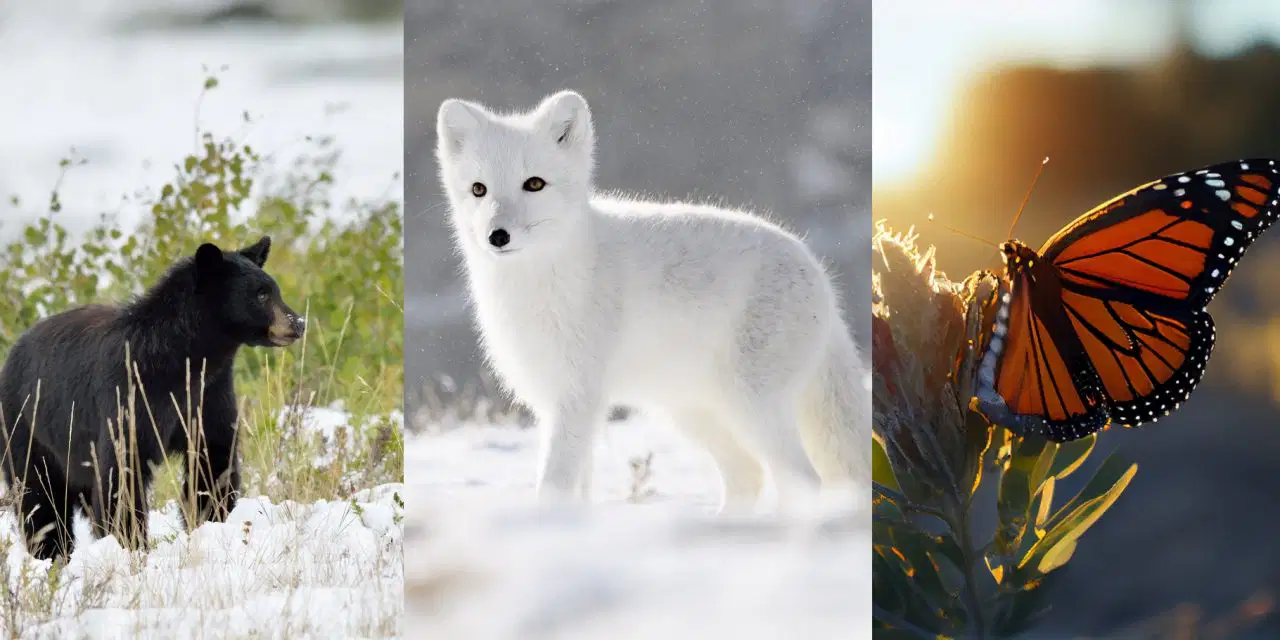
You see a squirrel collecting nuts and acorns during the fall. What is the squirrel most likely preparing for?
molting
migration
hibernation
giving birth


