
 Worksheets
Investigating Waves - Key Vocabulary
Total questions: 77
Worksheet time: 39mins
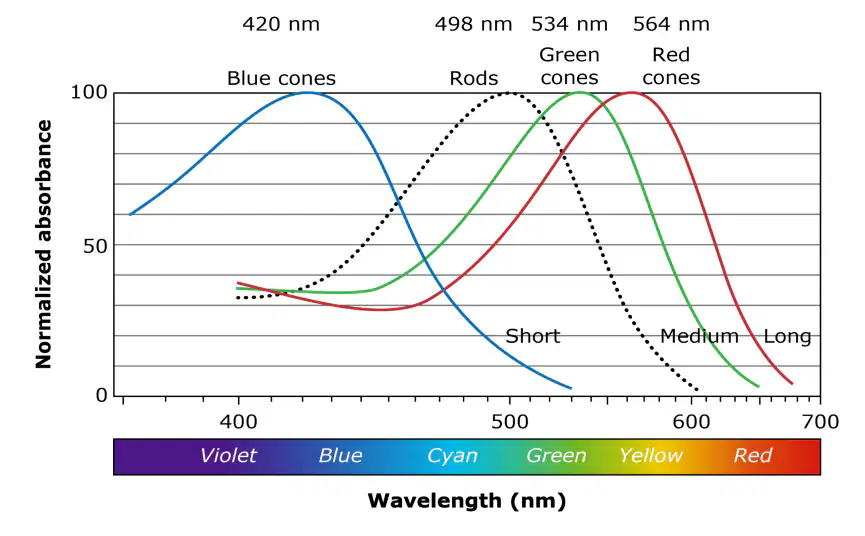
Absorption is defined as:
The process by which one substance takes in or soaks up another substance.
The process of breaking down food into smaller components.
The movement of molecules from an area of higher concentration to lower concentration.
The process of removing waste from the body.
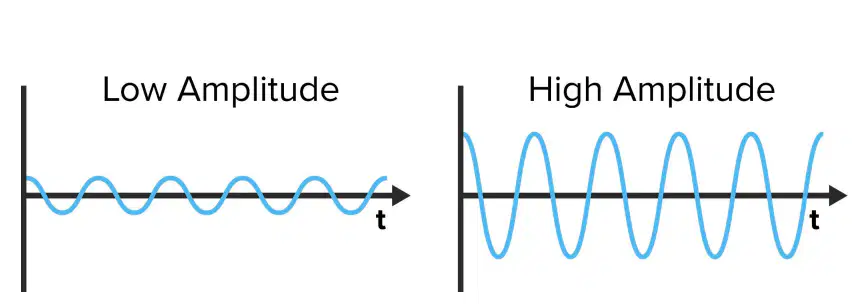
Amplitude is defined as:
The maximum displacement from the equilibrium position
The number of waves passing a point per second
The distance between two consecutive crests
The speed at which a wave travels

The definition of crest is:
the highest point of a wave
the lowest point of a wave
the distance between two waves
the speed of a wave
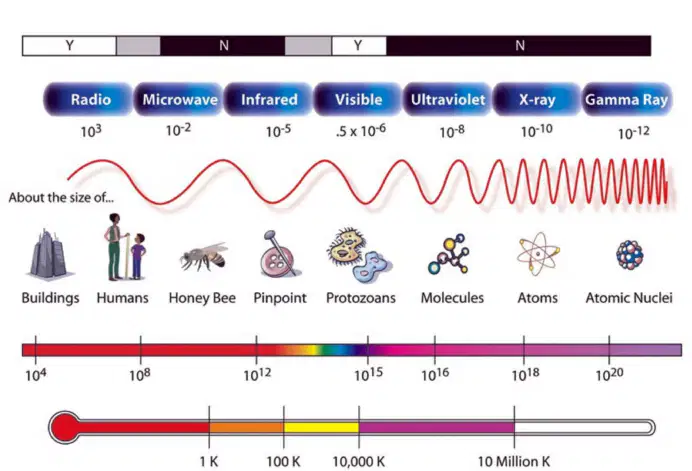
Electromagnetic wave is defined as:
A wave consisting of oscillating electric and magnetic fields that propagate through space.
A wave that requires a medium to travel.
A wave that can only travel through solids.
A wave that is only visible to the human eye.

Frequency is defined as:
The number of waves that pass a point in one second
The height of a wave
The distance between two consecutive crests
The speed of a wave

Longitudinal waves are defined as:
Waves in which the particles of the medium move parallel to the direction of wave propagation.
Waves in which the particles of the medium move perpendicular to the direction of wave propagation.
Waves that do not require a medium to travel.
Waves that have varying frequencies.
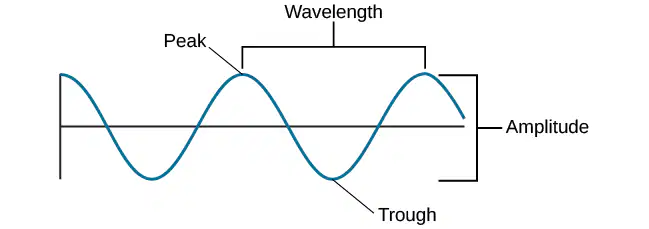
Peak is defined as:
The highest point
A type of valley
A flat area
A body of water
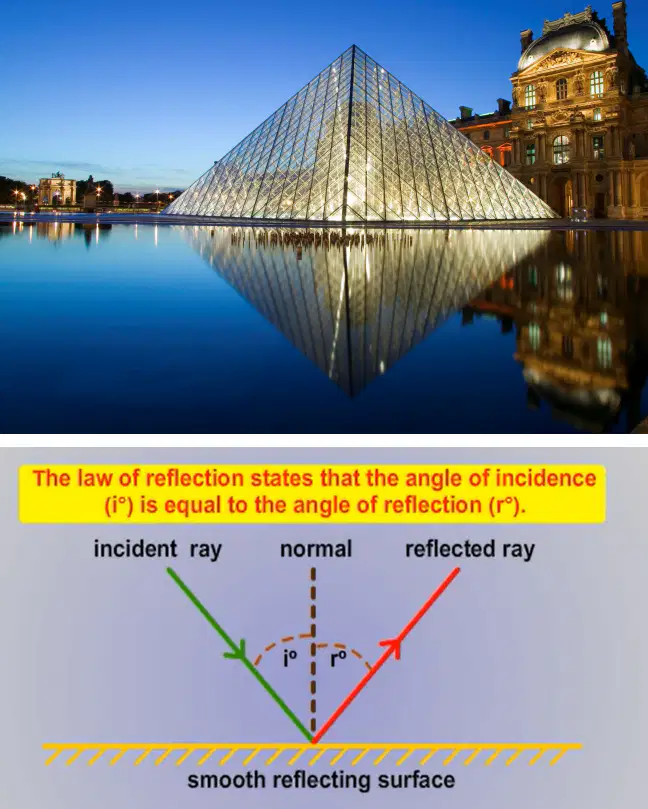
Reflection is defined as:
The bending of light as it passes from one medium to another
The bouncing back of light when it hits a surface
The spreading of light in all directions
The absorption of light by a surface
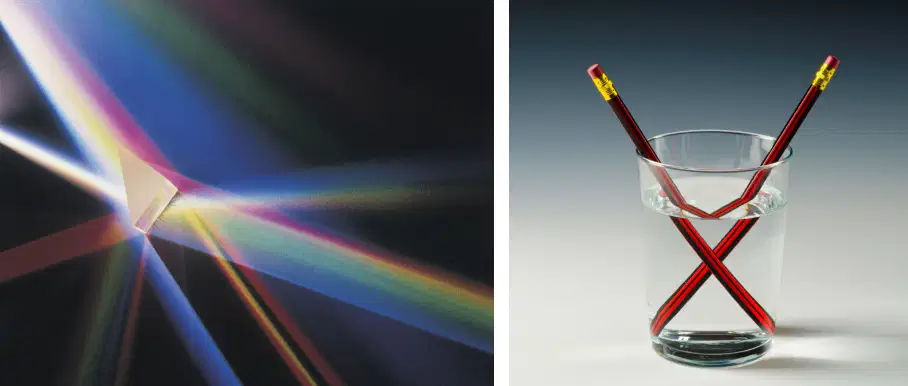
Refraction is defined as:
The bending of light as it passes from one medium to another
The bouncing back of light from a surface
The spreading of light waves around obstacles
The splitting of white light into its component colors

Transverse waves are defined as:
Waves in which the particles of the medium move perpendicular to the direction of wave propagation.
Waves in which the particles of the medium move parallel to the direction of wave propagation.
Waves that do not require a medium to travel.
Waves that transfer energy without transferring matter.
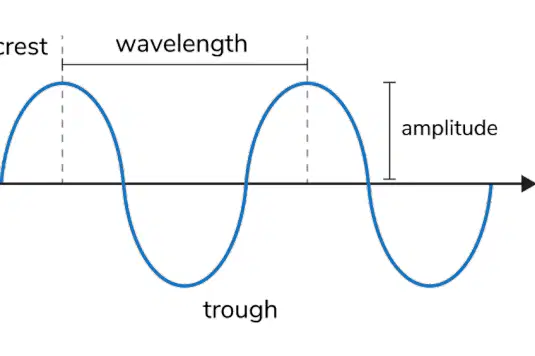
A trough is defined as:
A peak in a wave
The lowest point in a wave
The midpoint of a wave
The highest point in a wave
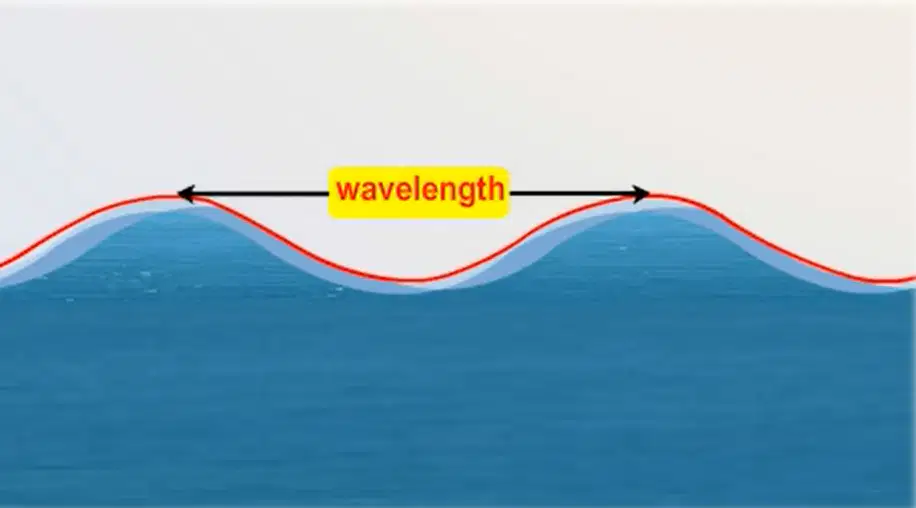
Wavelength is defined as:
The distance between two consecutive crests or troughs in a wave
The height of a wave from its rest position
The speed at which a wave travels
The time taken for one complete cycle of a wave
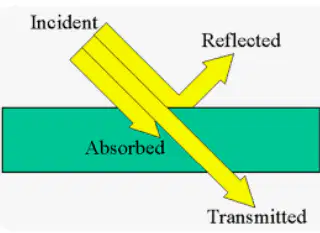
What is the definition of absorption? Fill in the blank: Absorption is a physical process in which one substance takes in a given amount of _________.
another substance
energy
light
heat

When soil absorbs water after a rain, what happens?
The soil becomes dry
The soil becomes wet
The soil turns into rock
The soil evaporates
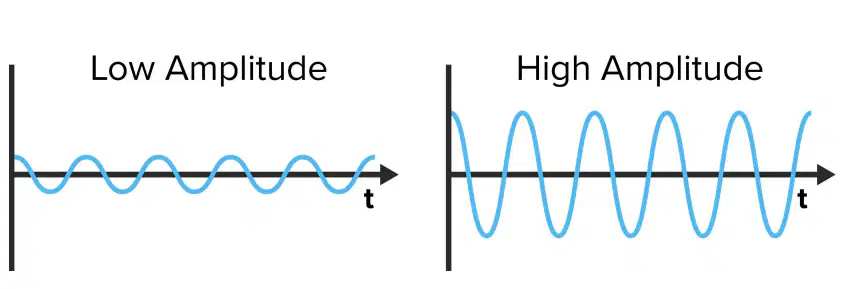
What is the definition of amplitude?
The speed of a wave
The height or 'strength' of a wave
The length of a wave
The color of a wave
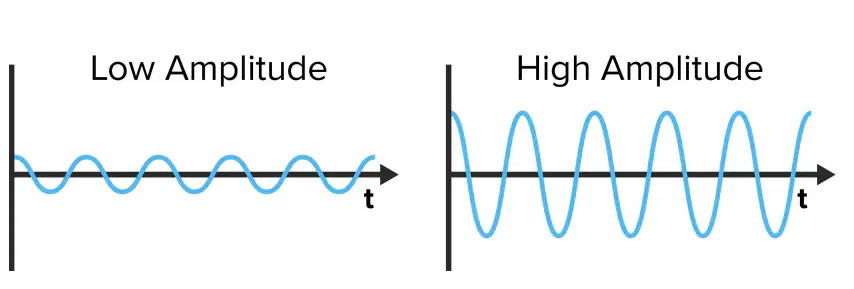
Fill in the blank: The height or 'strength' of a wave is called its ________.
amplitude
frequency
wavelength
velocity
Which of the following statements is true based on the key context provided?
Surfers prefer small waves because they are stronger.
The amplitude of a wave is its height or strength.
Only water travels in waves.
Amplitude is the color of a wave.
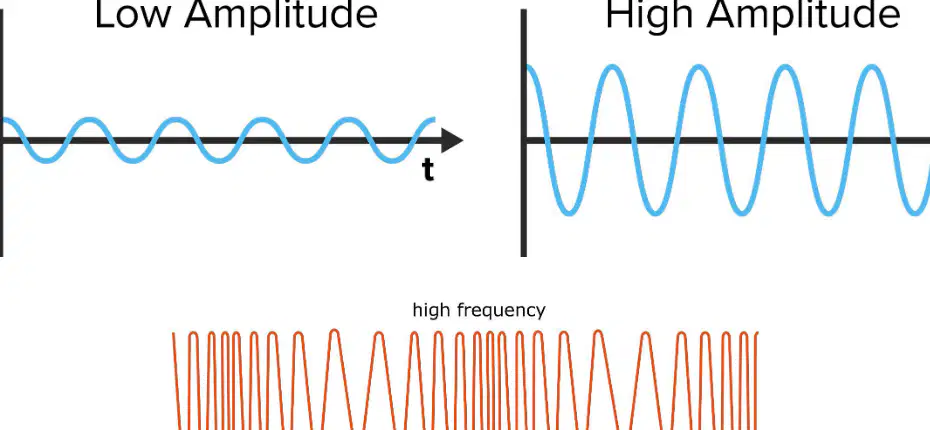
Look at the diagram showing two waves labeled 'Low Amplitude' and 'High Amplitude.' Which wave has more strength?
Low Amplitude
High Amplitude
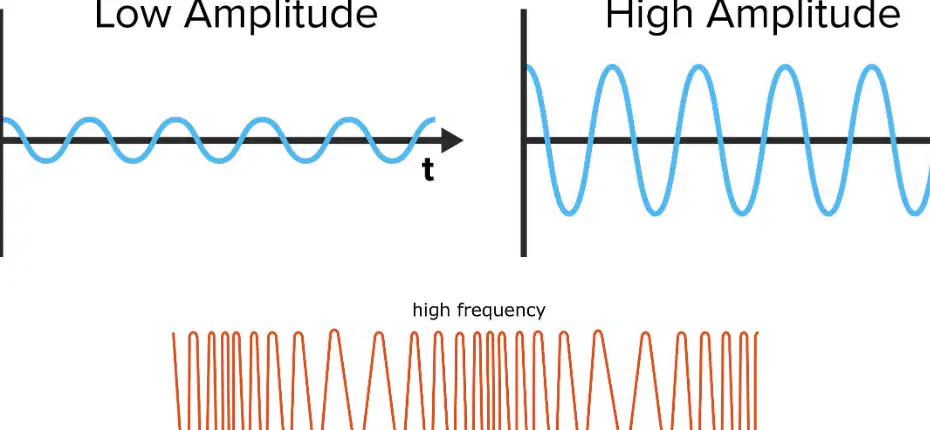
In the diagram labeled 'high frequency' and 'low frequency,' which wave has more cycles per unit time?
High frequency
Low frequency
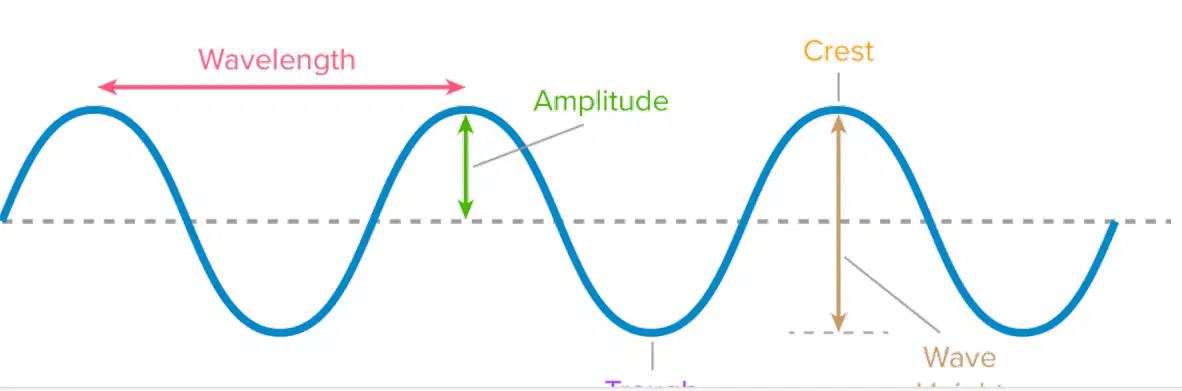
What is the definition of 'crest'?
The lowest point of a wave
The highest point of a wave
The distance between two waves
The height of a wave
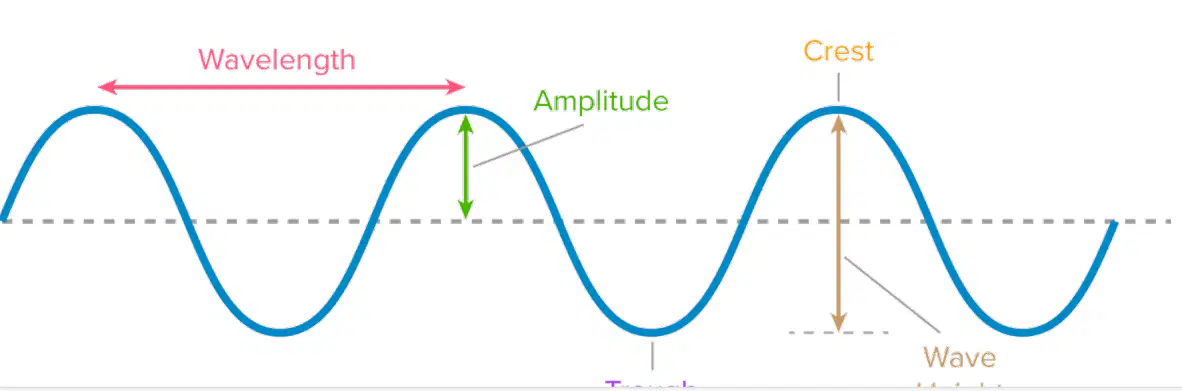
Fill in the blank: The highest point of a wave is its _______.
crest
trough
base
valley
According to the key context, what is the summit of a mountain called?
Trough
Crest
Amplitude
Wavelength
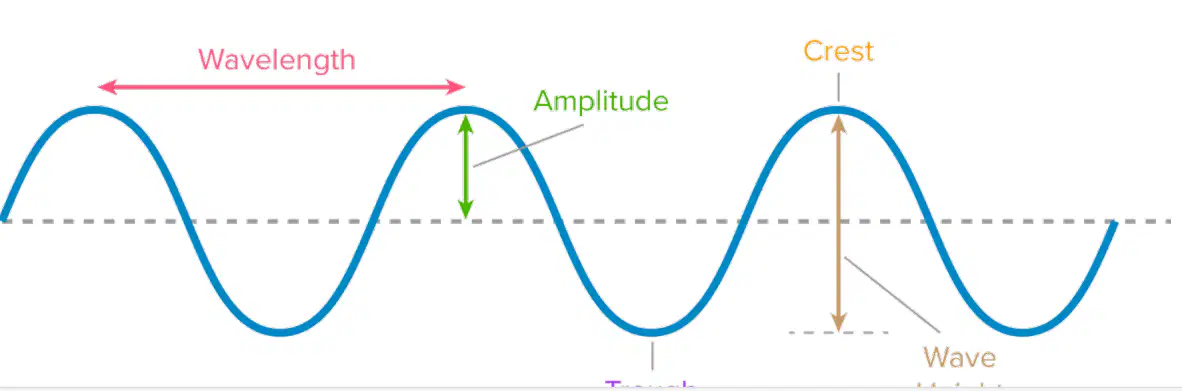
Refer to the diagram labeled 'Parts of a Wave'. Which part of the wave is labeled as the 'Crest'?
The highest point on the wave is labeled as the 'Crest'.
The lowest point on the wave is labeled as the 'Crest'.
The midpoint of the wave is labeled as the 'Crest'.
The distance between two crests is labeled as the 'Crest'.
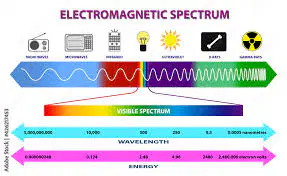
What is the definition of an electromagnetic wave?
A wave that can transport its energy through a vacuum
A wave that requires a medium to travel
A wave that cannot transport energy
A wave that only exists in water

Electromagnetic waves are created by interactions between ______ and ______ fields.
electric; magnetic
gravitational; nuclear
thermal; acoustic
optical; mechanical
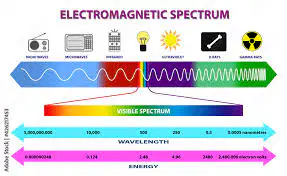
Which of the following is NOT an example of an electromagnetic wave?
Light waves
Radio waves
Sound waves
X-rays

Arrange the following types of electromagnetic waves in order of increasing wavelength: X-rays, Radio waves, Visible light, Gamma rays.
Gamma rays, X-rays, Visible light, Radio waves
Radio waves, Visible light, X-rays, Gamma rays
Visible light, Gamma rays, X-rays, Radio waves
X-rays, Gamma rays, Visible light, Radio waves
Electromagnetic waves can propagate through a vacuum.
True
False

What color in the visible spectrum has the shortest wavelength?
Violet
Red
Green
Yellow
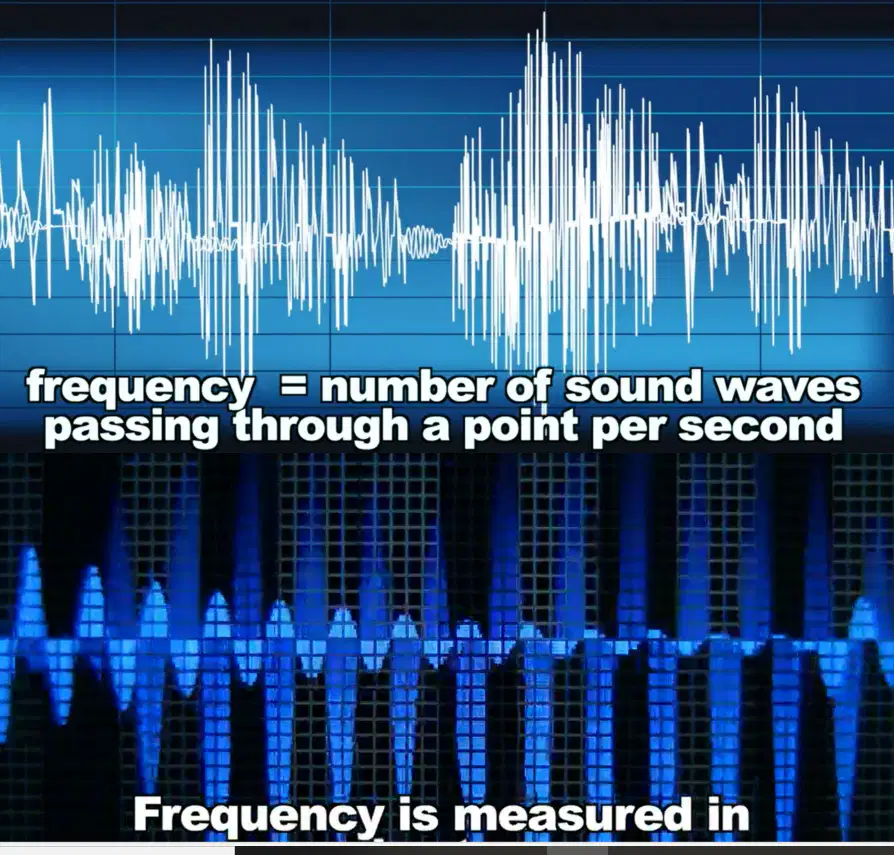
What is the definition of frequency?
The number of cycles a wave completes in a period of time; the number of times something happens in a period of time
The speed of sound in air
The loudness of a sound
The direction of a wave

Frequency is measured in _______.
hertz
joules
meters
watts

Frequency = number of sound waves passing through a point per ________.
second
minute
hour
meter
The frequency of sound waves affects the way something sounds. For example, which instrument produces higher frequency sound waves, a flute or a tuba?
Flute
Tuba
Both produce the same frequency
Neither produces sound waves
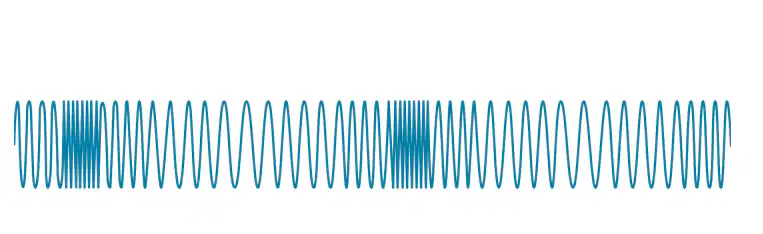
What is the definition of a longitudinal wave?
A wave that occurs when the particles of a medium move perpendicular to the direction of the wave
A wave that occurs when the particles of a medium move parallel to the direction of the wave
A wave that does not require a medium to travel
A wave that only travels through solids
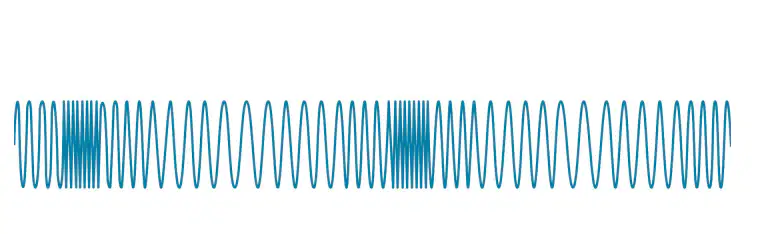
Fill in the blank: Longitudinal waves have alternating patterns of _______ and _______ (where the wave is spread apart).
compressions; rarefactions
crests; troughs
nodes; antinodes
peaks; valleys
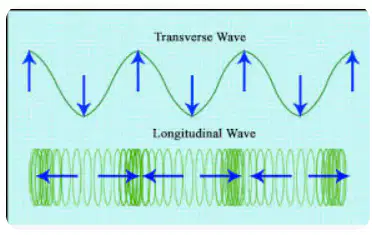
Which of the following is an example of a longitudinal wave?
A) Light wave
B) Water wave
C) Sound wave
D) Radio wave
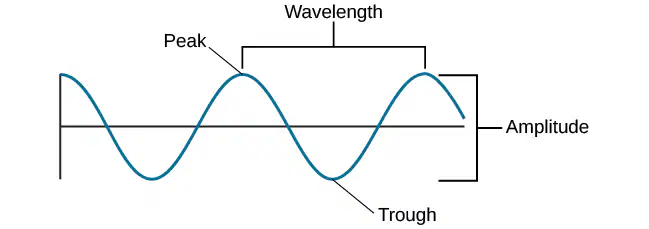
What is the definition of 'Peak' in the context of a wave?
The lowest point of a wave
The highest point of a wave
The middle point of a wave
The length of a wave
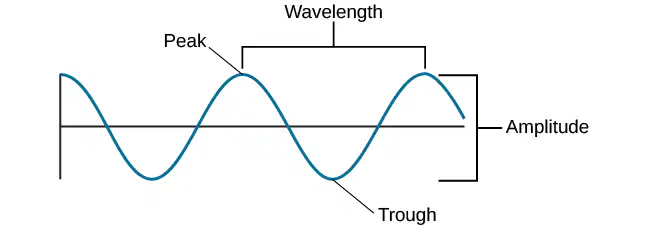
Fill in the blank: The _______ is the highest point of a wave.
peak
trough
base
crest

What is the definition of reflection? Fill in the blank: Reflection is a change in the direction of a wave when it hits a barrier and ________ back.
bounces
stops
disappears
slows
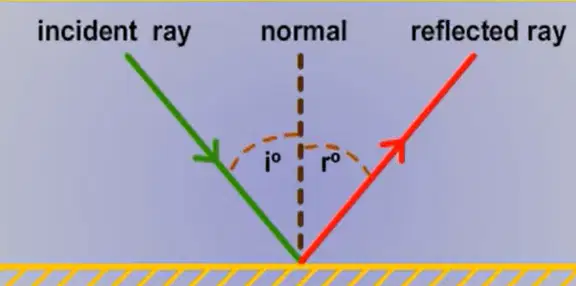
Refer to the diagram showing the law of reflection. Which ray is labeled as the incident ray?
The green ray
The red ray
The dashed line
The yellow surface
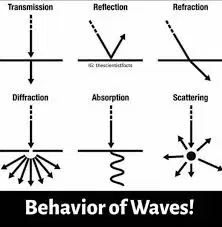
What is the definition of refraction?
The bending of light as it passes from one material to another of different density
The reflection of light off a surface
The absorption of light by a material
The emission of light from a source
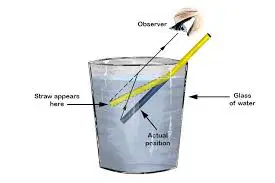
Fill in the blank: When visible light travels from air into water, it changes direction and slows down, giving the optical illusion that the straw is _____
bent
broken
floating
shrinking
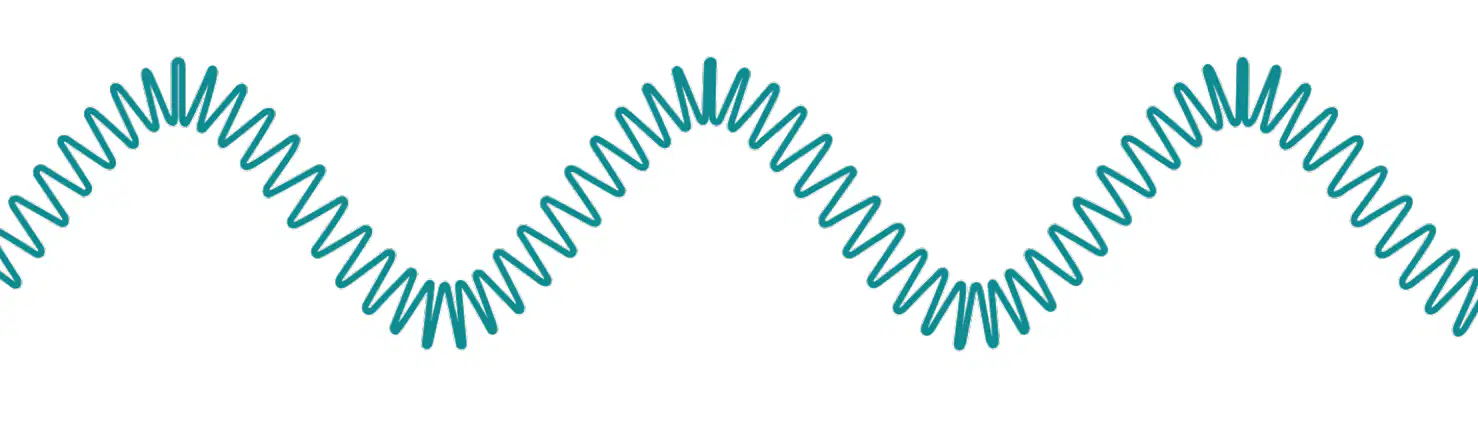
What is the definition of a transverse wave? Fill in the blank: A transverse wave is a wave that occurs when the particles of a medium are displaced _______ to the direction of the wave.
perpendicularly
parallel
diagonally
randomly

In a transverse wave, the crests and troughs are equally distant from the equilibrium or rest position of the wave.
True
False
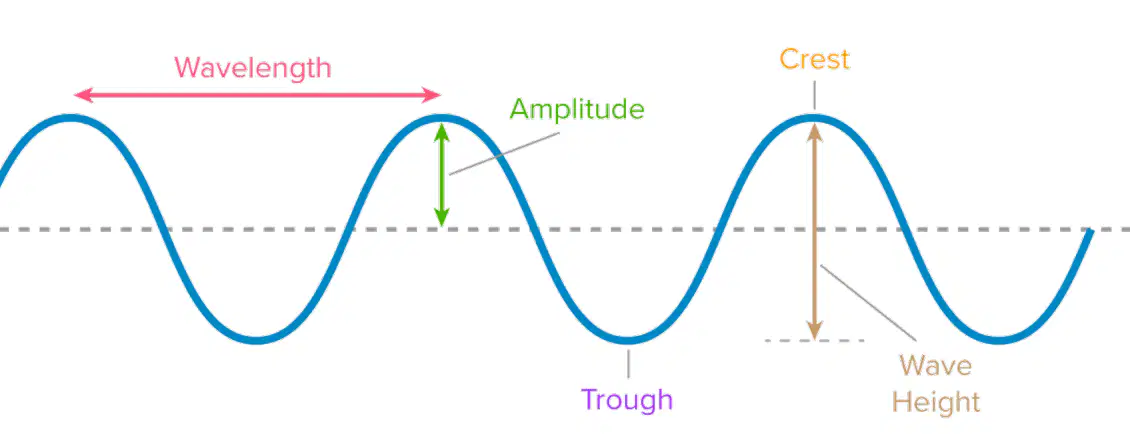
What is the lowest point of a wave called?
Trough
Crest
Peak
Node
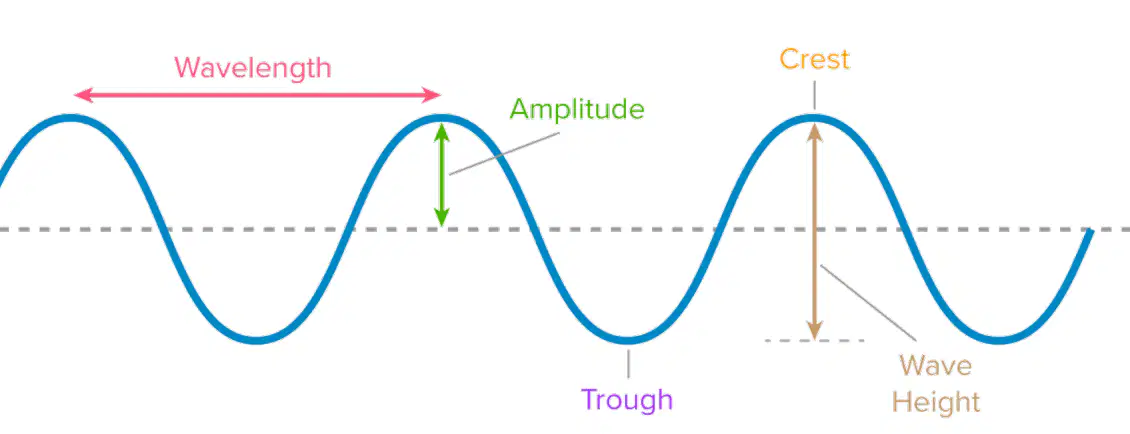
Which part of a wave is called the crest?
The highest point
The lowest point
The middle point
The amplitude
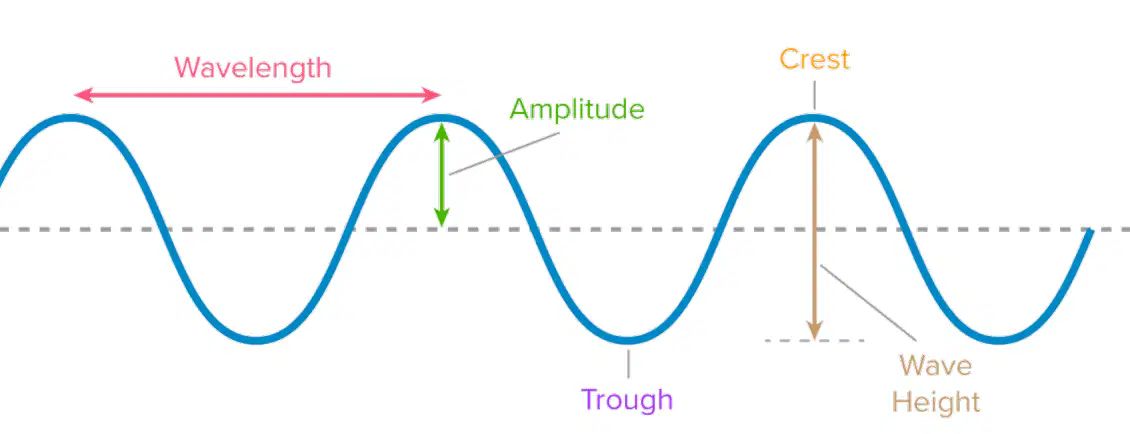
Fill in the blank: The distance between two consecutive crests or troughs in a wave is called the _________.
wavelength
amplitude
frequency
velocity
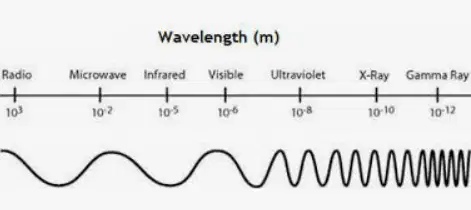
Which of the following best describes a wave with a long wavelength?
A) High frequency
B) Low frequency
C) High amplitude
D) Short wavelength
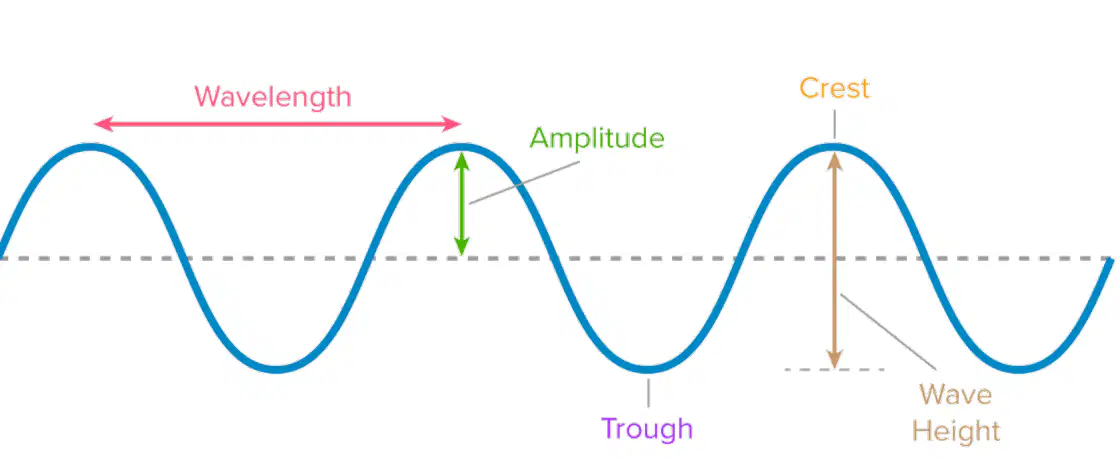
The lowest point that energy travels in a wave is at its crest.
True
False
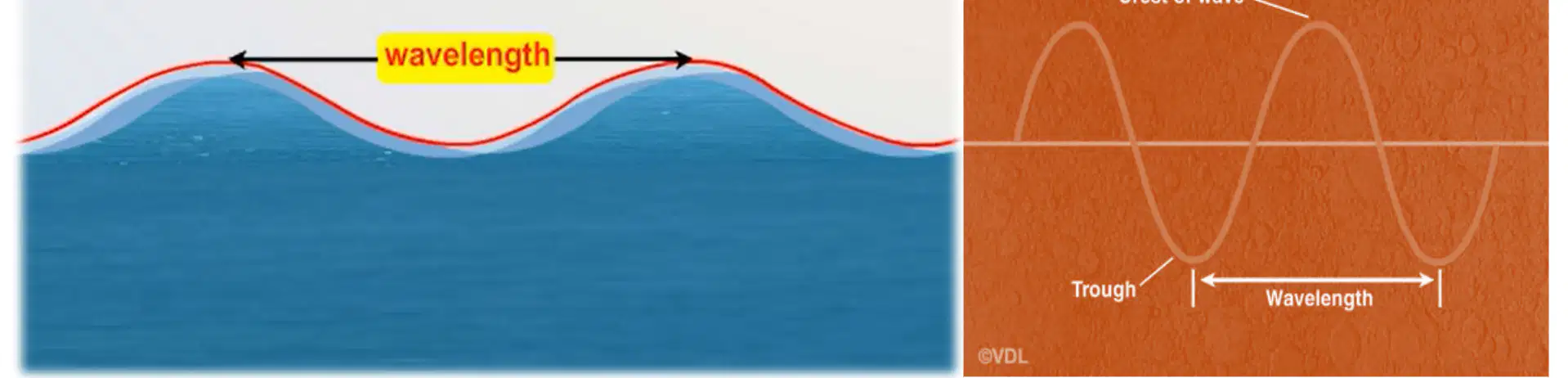
What is the definition of wavelength?
The height of a wave
The distance between one peak and the next on a wave
The speed of a wave
The color of a wave
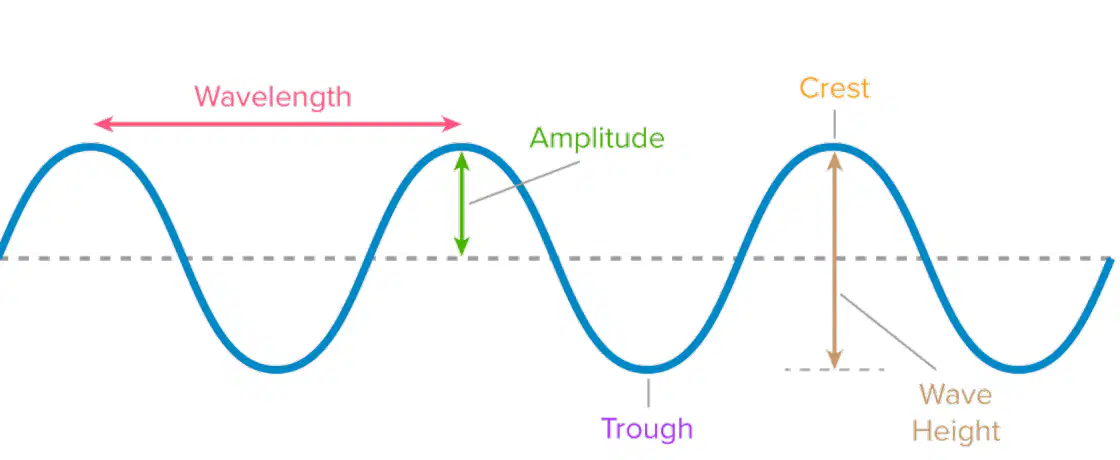
Fill in the blank: The distance between one high point and the next one on a wave is called ________.
wavelength
amplitude
frequency
velocity

According to the key context, what happens if the wavelength is small?
The frequency increases
The frequency decreases
The speed increases
Nothing changes
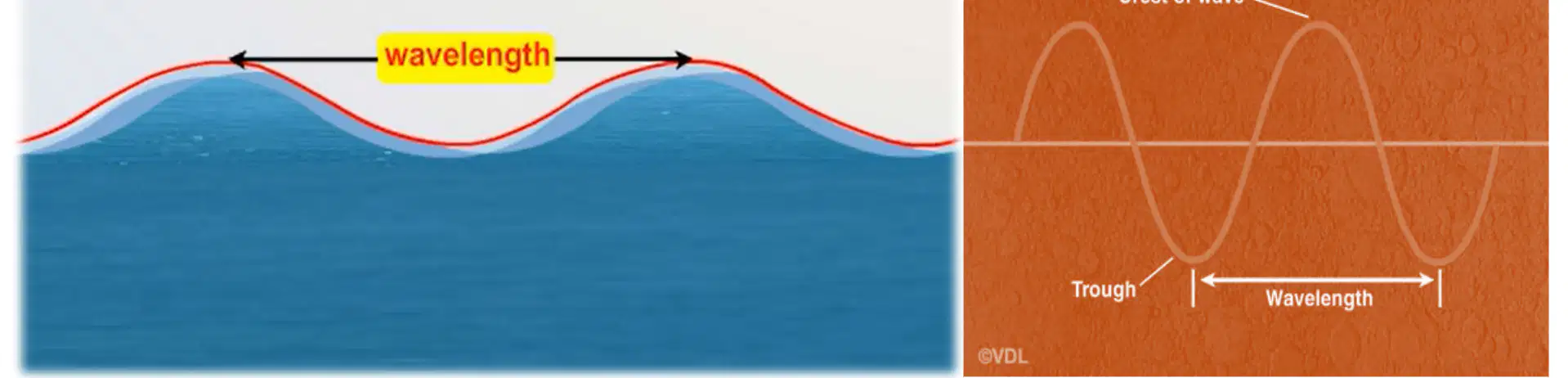
In the diagram labeled 'Parts of a Wave', which part is labeled as the lowest point of the wave?
Crest
Trough
Wavelength
Peak
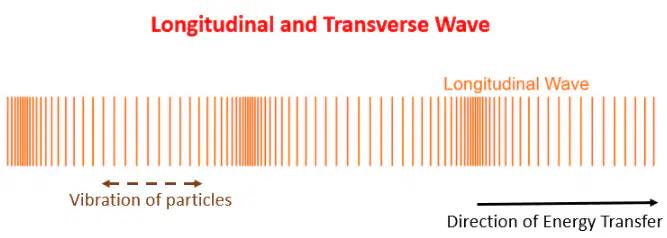
A part in a longitudinal wave where the particles are close together is called _______.
Compression
Rarefaction
Amplitude
Wavelength
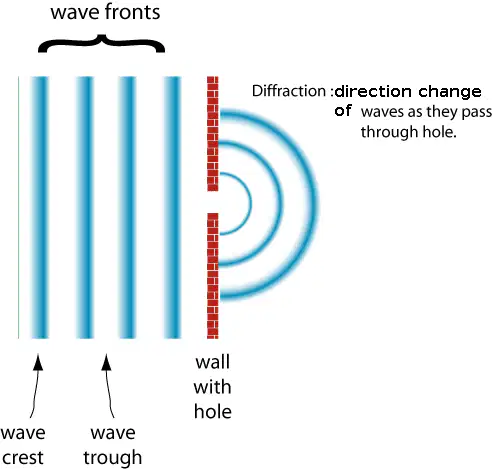
When an object interacts with a wave and causes that wave to change direction and bend toward it, this is called _______.
Diffraction
Reflection
Absorption
Transmission
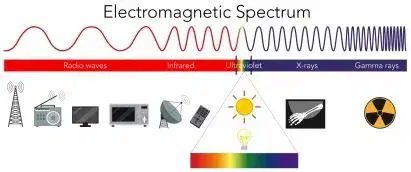
All the frequencies or wavelengths of electromagnetic radiation are called the _______.
Electromagnetic Spectrum
Visible Light
Radio Waves
Infrared Rays
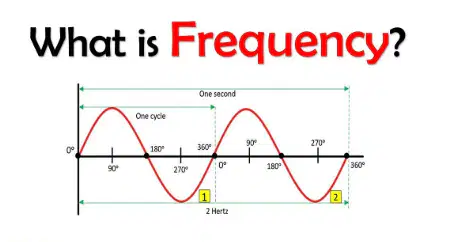
A unit of frequency equal to one cycle per second is called _______.
Hertz
Newton
Joule
Watt
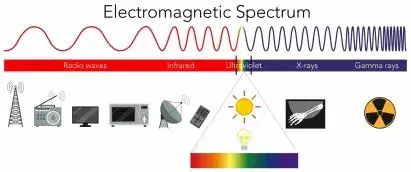
Electromagnetic wavelengths immediately outside the red end of the visible spectrum are called _______.
Infrared
Ultraviolet
X-rays
Microwaves
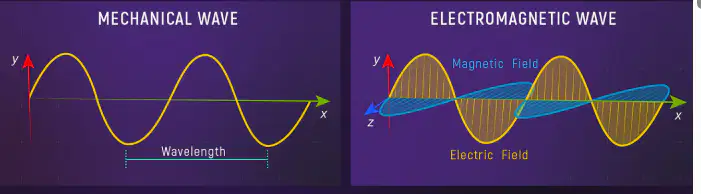
A wave that requires a medium to travel through is called a _______.
Mechanical Wave
Electromagnetic Wave
Transverse Wave
Longitudinal Wave
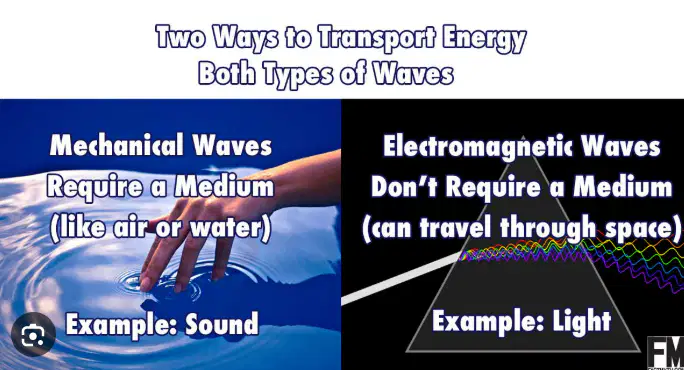
A physical environment in which phenomena occur is called a _______.
Medium
Force
Energy
Wave
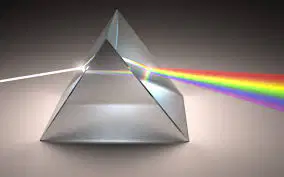
A piece of glass that separates white light into colors of the spectrum is called a _______.
Prism
Mirror
Lens
Filter
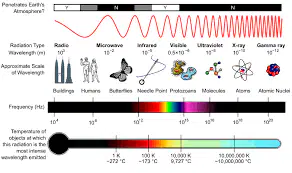
The transfer of energy as electromagnetic waves is called _______.
Radiation
Conduction
Convection
Reflection
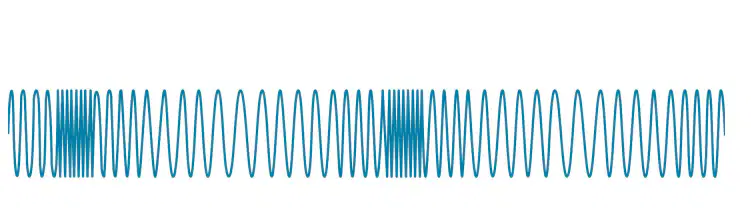
A part in a longitudinal wave where the particles are spread apart is called _______.
Rarefaction
Compression
Node
Antinode

Electromagnetic wavelengths immediately outside the violet end of the visible range are called _______.
Ultraviolet
Infrared
Microwave
Radio waves

The electromagnetic wavelengths perceptible to the human eye are called _______.
Visible Light
Ultraviolet Rays
Infrared Rays
X-rays
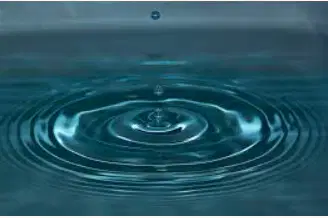
A disturbance that transfers energy from one place to another without requiring matter to move the entire distance is called a _______.
Wave
Particle
Current
Force

The time required for one wavelength to pass a given point is called _______.
Wave period
Frequency
Amplitude
Wavelength
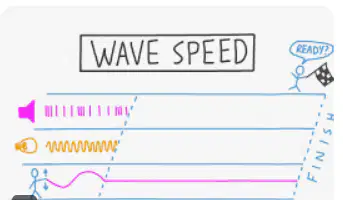
The speed at which a wave travels through a medium is called _______.
Wave speed
Frequency
Wavelength
Amplitude
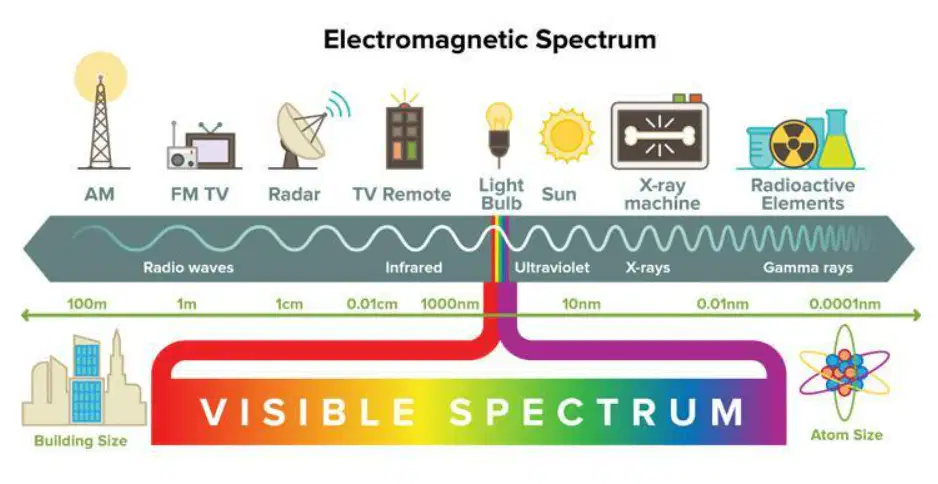
Part A: Based on the image, which type of wave has a higher frequency than visible light waves?
X-ray
radio
infrared
microwave

Part B: How can you tell that X-ray waves have a higher frequency than visible light rays?
They have a longer wavelength, which means a higher frequency
they have a shorter wavelength, which means a higher frequency
They have the longest wavelength, which means the highest frequency.
They have the wavelength next to visible light, which menas they have a higher frequency.
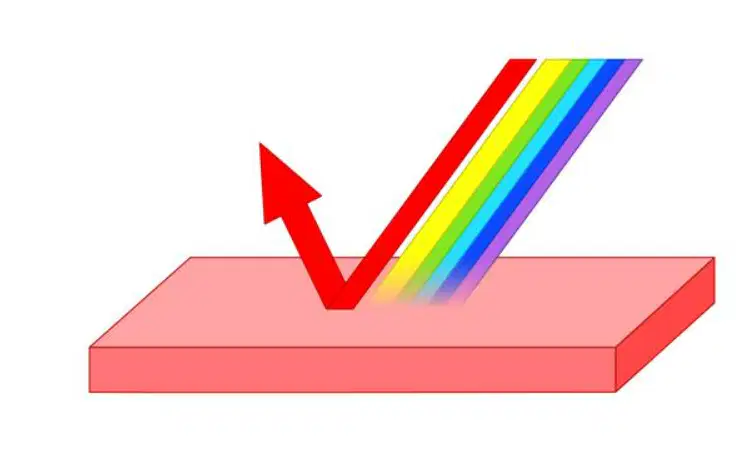
In the diagram, white light shines on a red surface. Describe what is happening to the wave of light.
The red light is being refracted and the other colors are being absorbed by the surface.
The red light is being absorbed and he other colors are being reflected.
The red light is being absorbed and the other colors are being reflected by the surface.
The red light is being reflected and the other colors are being absorbed by the surface.
Select two examples of waves travelling at different speeds in different materials.
A person looks at their reflection in a mirror.
A person plucks a guitar string and hears a note.
A person looks at a spoon in a glass of water and it appears bent.
A person with their head on a table hears sound through the table before hearing it through the air.
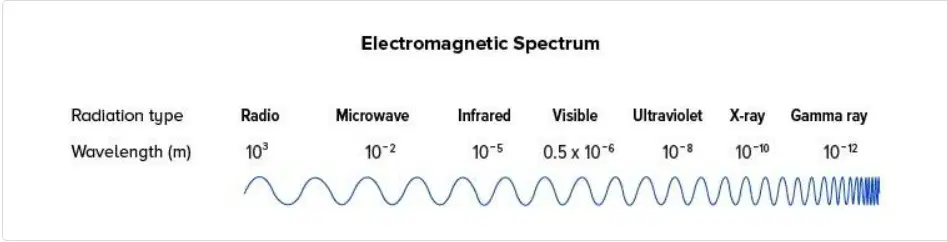
Based on the information in the diagram, which two statements are correct?
Gamma waves have a lower frequency, less energy, and larger amplitude than x-ray waves.
Infrared waves have a lower frequency, less energy, and smalletr
Microwaves have a longer wavelength, less energy, and smaller amplitude than ultraviolet waves.
Ultraviolet waves have a shorter wavelength, more energy, and larger amplitude than infrared waves.
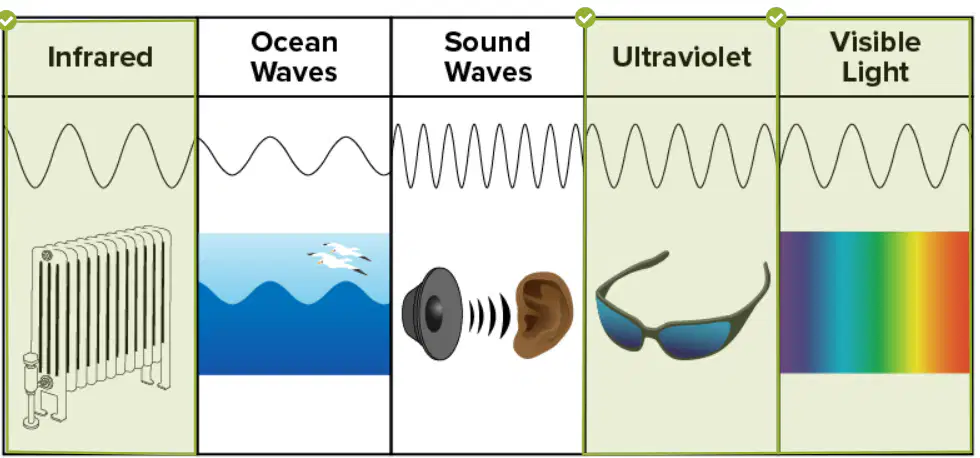
The sun’s energy arrives to Earth as radiation with a wide range of wavelengths. In the diagram, which three of these waves can come from the sun’s radiation?
Infrared
Ocean Waves
Sound Waves
Visible Light
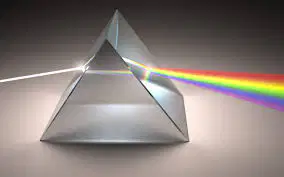
Which type of light can pass through a prism and appear as a rainbow?
Black Light
Uv Light
White Light
Infrared Light

Which type of image is produced by the pond?
a blurry image because the reflected light rays are scattered?
a clear image because the light waves are reflected off the surfaces.
a blurry image because the refracted light rays are scattered.
a clear image because the light waves are refracted off the surface.

The diagram shows a pencil in a beaker of water.
Explain what is happening to the light from the pencil.
The light waves from the pencil are being reflected by the glass.
The light waves from the pencil are being absorbed by the water.
The light waves from the pencil are being refracted as they leave the water.
The light waves from the pencil are being cut in half by the water.

