
Font size
 Worksheets
BIO 206 CH:15
Total questions: 90
Worksheet time: 45mins
Which of the following is a core promoter element in DNA sequences?
CCAAT box
GC-rich box
TATA box
Enhancers
What is the role of enhancers in DNA sequences?
They initiate transcription.
They increase the rate of transcription.
They terminate transcription.
They silence gene expression.
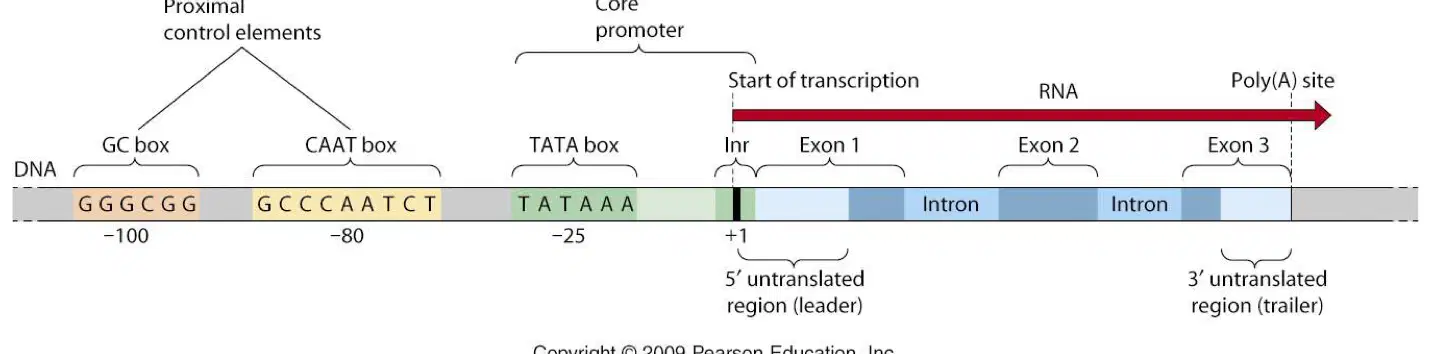
Which of the following is a promoter-proximal element?
Inr
TATA box
CAAT box
Silencers
What does deletion analysis indicate about promoter-proximal elements?
They are unnecessary for transcription.
They are necessary for efficient transcription.
They inhibit transcription.
They have no effect on transcription.
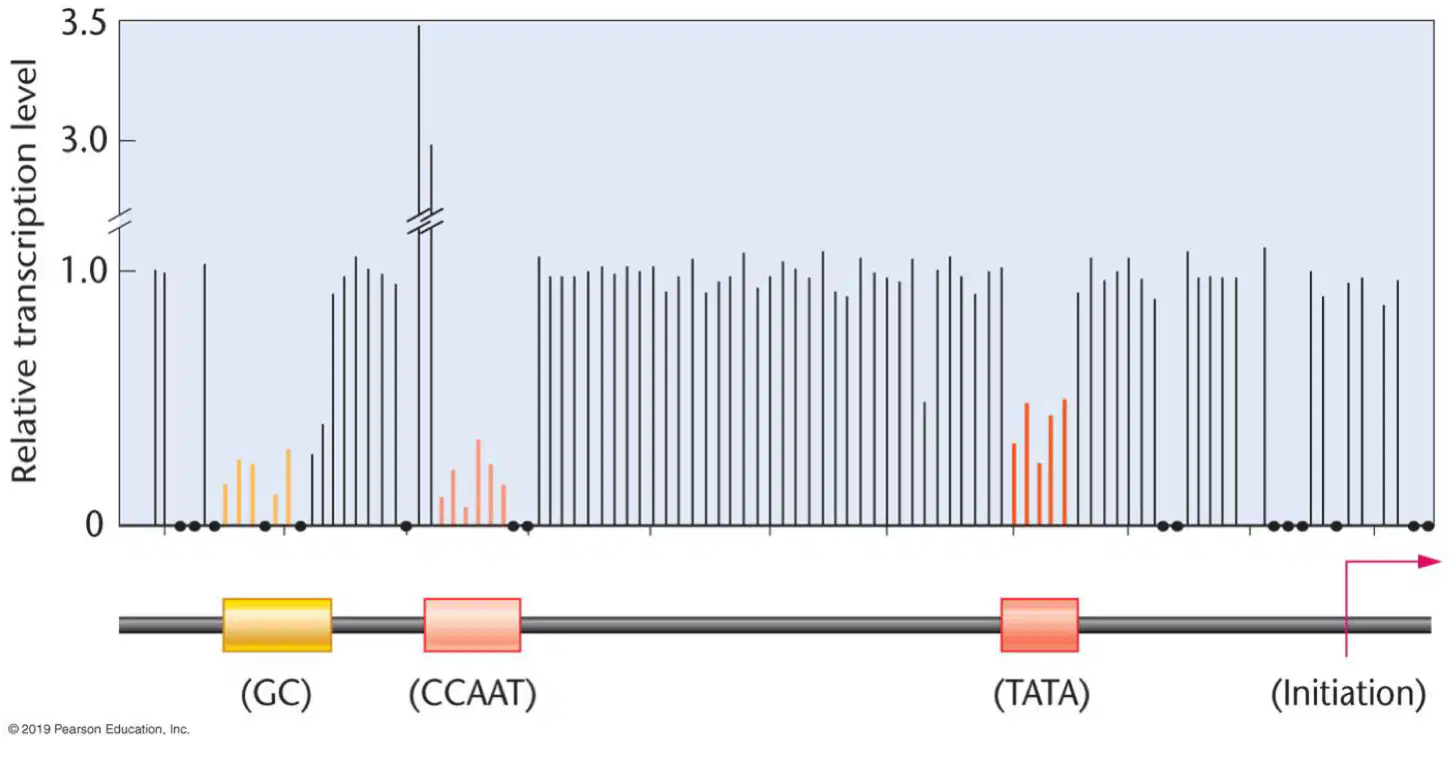
Which of the following is a promoter-proximal element mentioned in the diagram?
GC
CCAAT
TATA
Operator
What is the purpose of using reporter gene constructs in studying regulatory elements?
To measure the effects of enhancer location and orientation
To sequence DNA strands
To replicate RNA molecules
To inhibit gene expression
Which of the following is an example of a reporter gene construct?
lacZ
DNA polymerase
RNA helicase
ATP synthase
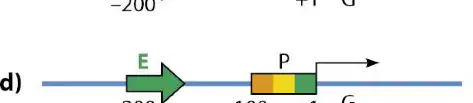
How does the relative level of transcription change when an enhancer is located at -200 compared to -1000?
It increases
It decreases
It remains the same
It is unpredictable
Which RNA polymerase is responsible for transcribing mRNA in eukaryotic cells?
RNA Polymerase I
RNA Polymerase II
RNA Polymerase III
RNA Polymerase IV
What is the role of TFIID in the transcription process?
It binds to the TATA box and recruits other factors.
It acts as a helicase to form an open complex.
It phosphorylates the CTD of RNA polymerase II.
It binds to RNA polymerase III.
Which factor is responsible for phosphorylating the CTD of RNA polymerase II?
TFIID
TFIIB
TFIIH
TFIIE
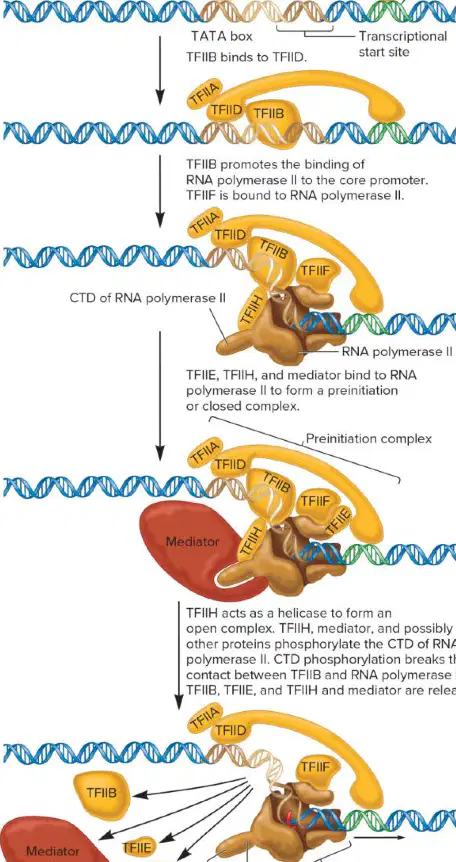
What is the function of the mediator complex in transcription?
It binds to the TATA box.
It facilitates the interaction of regulatory transcription factors with RNA polymerase II.
It acts as a helicase to form an open complex.
It binds to RNA polymerase I.
What is the role of General Transcription Factors (GTFs) in gene transcription?
They enhance the transcription of specific genes.
They are necessary for basal transcription of all genes by binding to the promoter.
They silence the transcription of target genes.
They repress the transcription of all genes.
Which of the following elements do Regulatory Transcription Factors (RTFs) bind to control the rate of transcription?
Promoter
Enhancer
Regulatory or response element (RE)
Silencer
What are the two types of Regulatory Elements (REs) mentioned?
Promoters and enhancers
Enhancers and silencers
Activators and repressors
Genes and promoters
In which groove of the DNA double helix do RTF amino acid residues and DNA nucleotides interact?
Minor groove
Major groove
Helical groove
Base groove
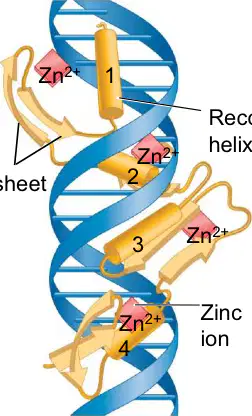
What is the function of the DNA-binding domain (DBD) in regulatory transcription factors?
Binds to a regulatory element
Binds to RNA Pol II
Binds to GTF
Binds to an effector molecule
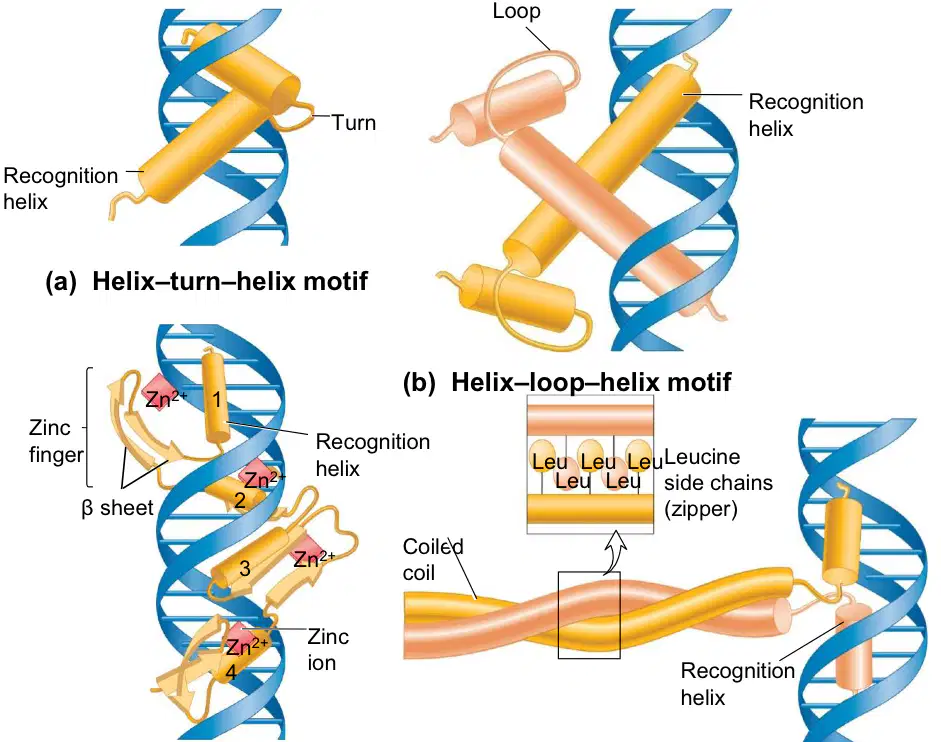
Which domain in regulatory transcription factors binds to RNA Pol II?
DNA-binding domain (DBD)
Activation domain (AD)
Helix-turn-helix motif
Zinc finger motif
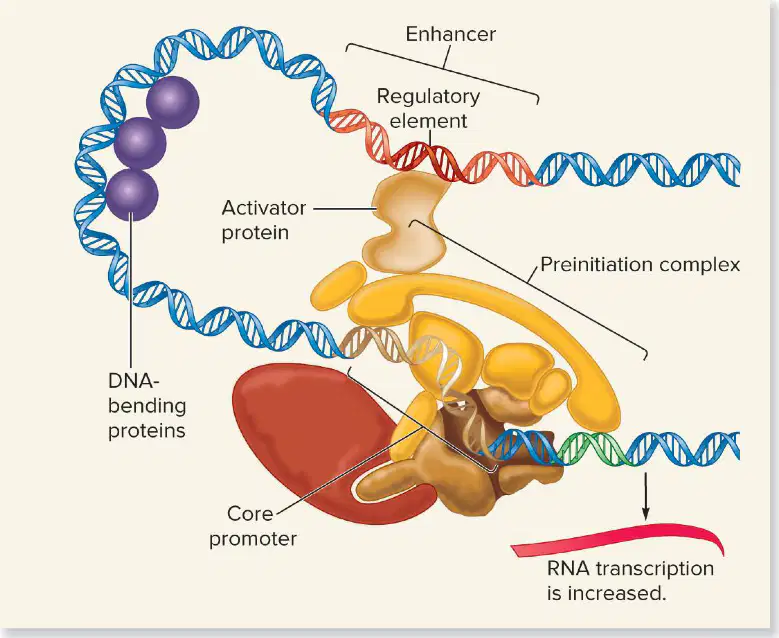
What is the role of an activator protein in gene activation?
It inhibits RNA transcription.
It binds to the core promoter to decrease transcription.
It increases RNA transcription by binding to an enhancer.
It acts as a repressor protein.
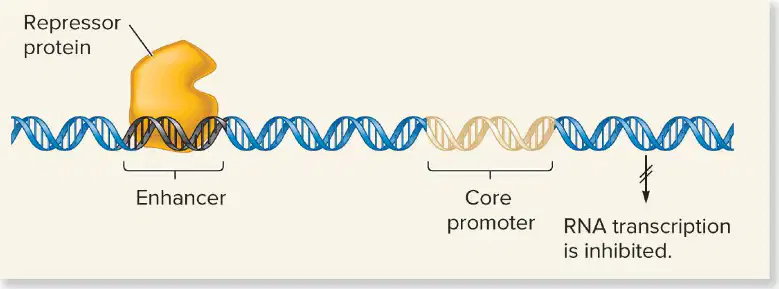
Which component is directly involved in inhibiting RNA transcription in gene repression?
Activator protein
Repressor protein
DNA-bending proteins
Preinitiation complex
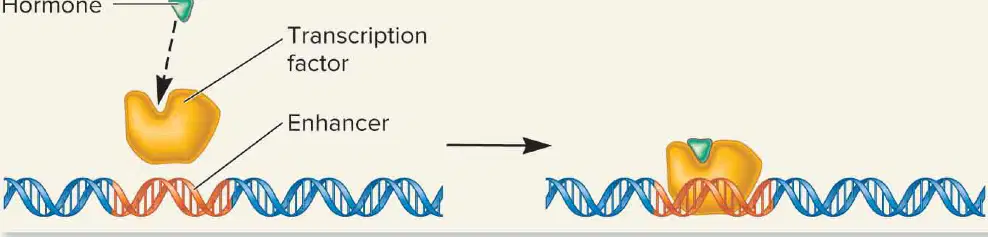
Which of the following is a way that regulatory transcription factors (RTFs) can be modulated?
Binding of a small effector molecule such as a hormone
Degradation by proteases
Methylation of DNA
RNA splicing
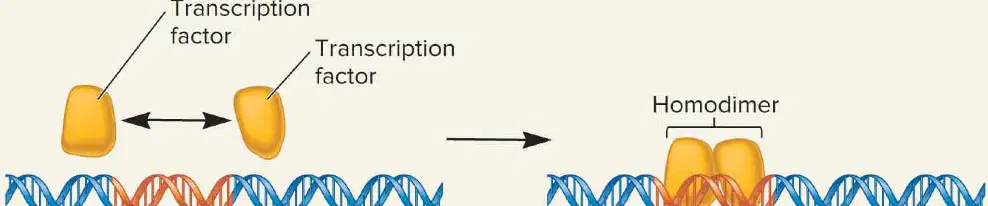
What is an example of protein-protein interaction in the modulation of RTFs?
Formation of a homodimer
DNA replication
RNA transcription
Lipid synthesis
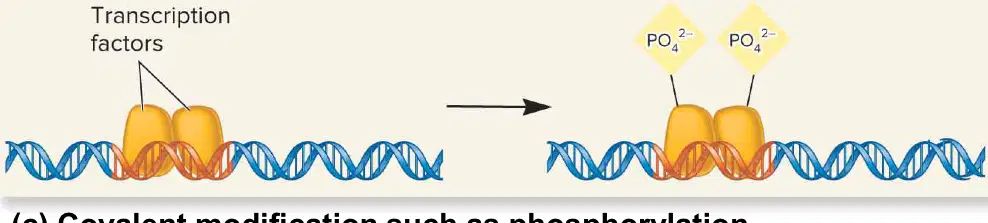
How can covalent modification affect regulatory transcription factors?
Phosphorylation
Glycosylation
Acetylation
Methylation
What is one way the glucocorticoid receptor (GCR) is modulated?
Phosphorylation
Hormone binding
Methylation
Acetylation

What effect does dimerization of the glucocorticoid receptor have?
Decreases blood sugar
Increases blood sugar
Stabilizes blood sugar
Has no effect on blood sugar
What is CREB modulated by?
Dimerization and phosphorylation
Methylation and acetylation
Glycosylation and ubiquitination
Hydroxylation and carboxylation
What does CRE stand for in the context of regulatory transcription factors?
cAMP response element
Calcium response element
Cytosine response element
Carbohydrate response element

Which molecule activates adenylyl cyclase in the signaling pathway involving CREB?
G protein
Protein kinase A
ATP
Phosphate
What is HIF-1 an activator modulated by?
Phosphorylation and Dimerization
Oxidation and Reduction
Methylation and Acetylation
Glycosylation and Ubiquitination
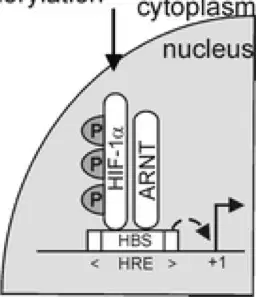
What does HRE stand for in the context of HIF-1?
Hypoxia Response Element
Hyperoxia Response Element
Hydrogen Response Element
Hydroxylation Response Element

What is von Hippel-Lindau disease associated with?
It is associated with multiple types of tumors and cysts.
It is a disease affecting only the liver.
It is a condition that only affects the skin.
It is a disease that causes only brain tumors.
Which of the following is NOT a symptom of von Hippel-Lindau disease?
Retinal angiomata
Pulmonary hemangiomas
Spinal cord hemangioblastoma
Skin rash
What type of genetic inheritance is von Hippel-Lindau disease associated with?
Autosomal dominant
Autosomal recessive
X-linked dominant
X-linked recessive
What is the primary characteristic of euchromatin?
Tightly compacted, transcriptionally inactive
Loosely compacted, transcriptionally active
Tightly compacted, transcriptionally active
Loosely compacted, transcriptionally inactive
Which type of chromatin is transcriptionally inactive?
Euchromatin
Heterochromatin
Both euchromatin and heterochromatin
Neither euchromatin nor heterochromatin
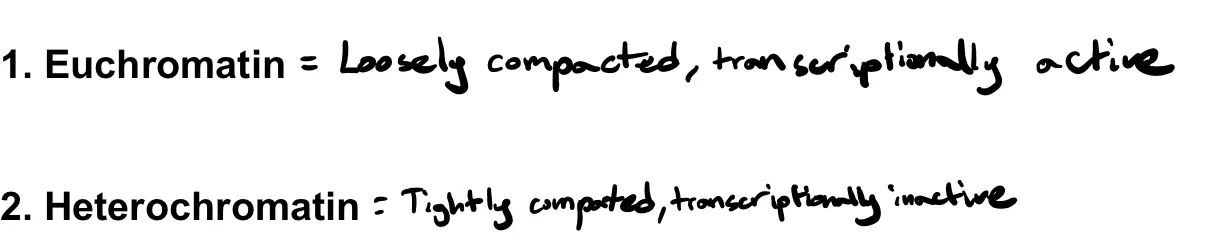
What are the two types of heterochromatin mentioned?
Constitutive and facultative
Active and inactive
Loosely and tightly compacted
Euchromatin and heterochromatin
What are histones primarily composed of?
Lipids and carbohydrates
Lysine and arginine
Glucose and fructose
Nucleotides and sugars
Where do histones bind to DNA?
Major groove
Minor groove
Phosphate backbone
Sugar-phosphate backbone
What is a nucleosome composed of?
RNA wrapped around a protein core
DNA wrapped around a histone core
Lipids surrounding a protein core
Proteins wrapped around a lipid core
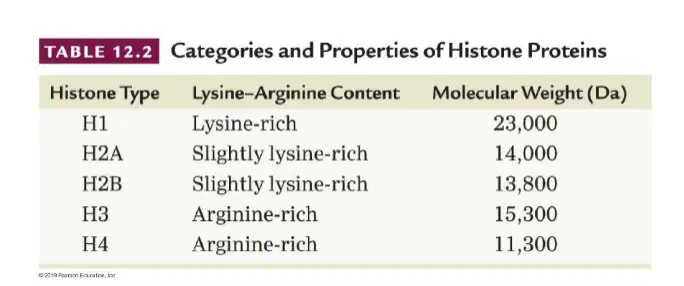
Which histone type is lysine-rich according to the table?
H2A
H2B
H1
H4
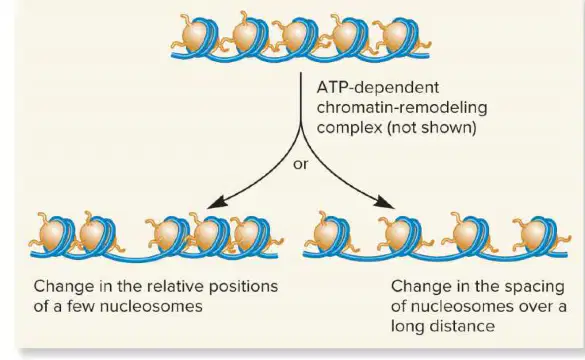
What is the primary function of chromatin remodeling in eukaryotic cells?
To replicate DNA
To make DNA more accessible to transcriptional machinery
To degrade DNA
To synthesize proteins
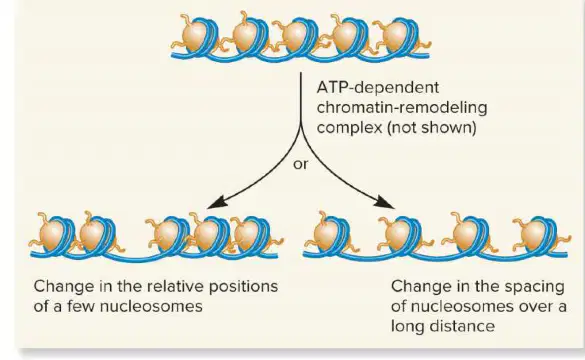
Which of the following is NOT a function of ATP-dependent chromatin remodeling complexes?
Change nucleosome position
Evict histones
Add histone variants
Replicate DNA
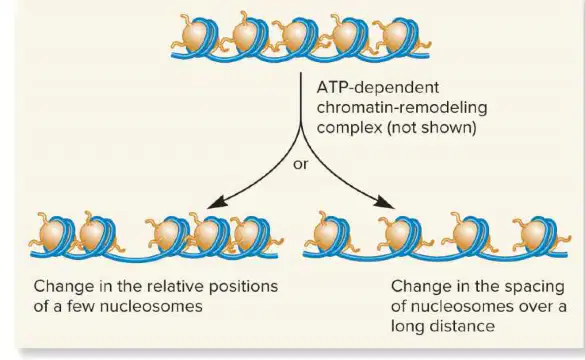
What is an example of an ATP-dependent chromatin remodeling complex mentioned in the text?
SWI/SNF
DNA polymerase
RNA polymerase
Ribosome
What is the pattern of histone modifications known as?
Genetic code
Histone code
Chromatin code
DNA code
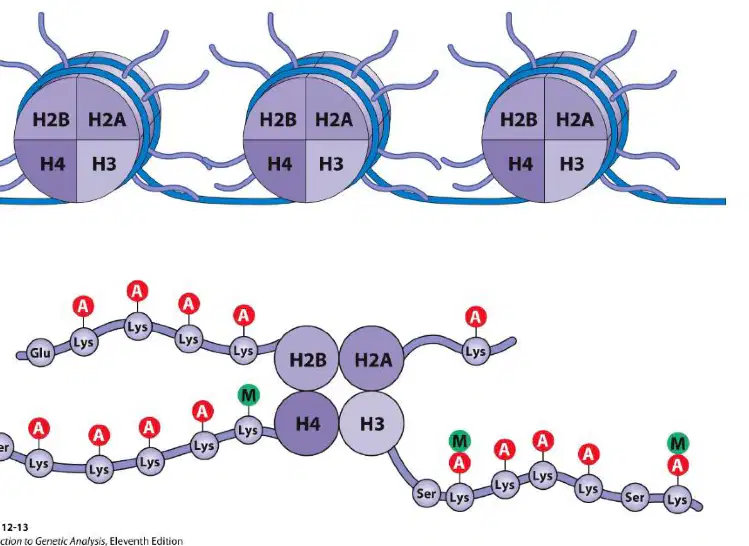
What is the result of different patterns of histone modification?
Changes in DNA sequence
Different levels of chromatin compaction
Alteration of genetic code
Mutation in genes

What is the role of histone acetyltransferases (HATs) in chromatin remodeling?
They add acetyl groups to lysine residues on histones.
They remove acetyl groups from lysine residues on histones.
They add methyl groups to lysine residues on histones.
They remove methyl groups from lysine residues on histones.
What is the effect of histone acetylation on chromatin structure?
It condenses chromatin, making it less accessible for transcription.
It relaxes chromatin, making it more accessible for transcription.
It has no effect on chromatin structure.
It causes chromatin to degrade.
Which enzyme is responsible for removing acetyl groups from histones?
Histone acetyltransferases (HATs)
Histone deacetylases (HDACs)
DNA polymerases
RNA polymerases
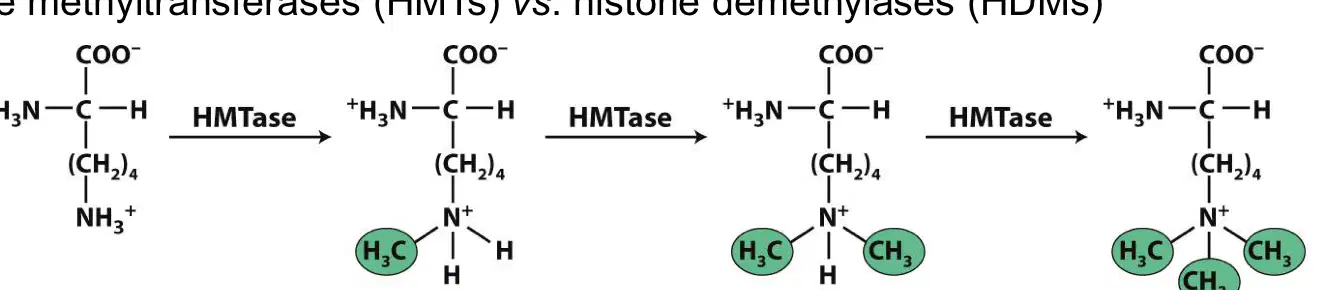
What is the role of histone methyltransferases (HMTs) in gene expression?
They remove methyl groups from histones.
They add methyl groups to histones.
They phosphorylate histones.
They acetylate histones.
How do the number of methyl groups on lysine affect gene expression?
They do not affect gene expression.
They create different binding sites for proteins.
They always activate gene expression.
They always repress gene expression.
What is the difference between kinases and phosphatases in terms of their function?
Kinases remove phosphate groups, phosphatases add them.
Kinases add phosphate groups, phosphatases remove them.
Both add phosphate groups.
Both remove phosphate groups.
What is the role of DNA methyltransferases (DNMTs) in DNA methylation?
They demethylate CpG islands.
They methylate CpG islands.
They transcribe genes.
They replicate DNA.
What happens to a gene when its promoter is unmethylated?
The gene is silenced.
The gene is inactive.
The gene is active.
The gene is deleted.

How does DNA methylation typically affect gene expression?
It increases gene expression.
It decreases gene expression.
It has no effect on gene expression.
It duplicates gene expression.
What is one way DNA methylation of CpG islands inhibits transcription?
By enhancing the binding of activator proteins
By preventing activators from binding
By increasing the transcription rate
By promoting RNA polymerase activity
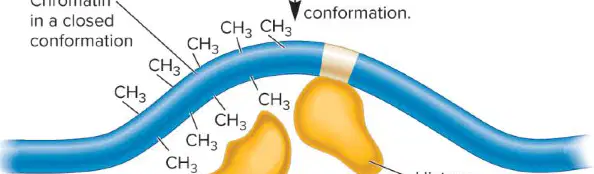
What role do methyl-CpG-binding proteins (MECPs) play in DNA methylation?
They enhance transcription by opening chromatin
They recruit HDACs, resulting in DNA compaction
They prevent DNA replication
They increase the binding of RNA polymerase
What is the active copy of the H19 gene in normal imprinting?
Maternal copy
Paternal copy
Both copies
Neither copy
Which syndrome is associated with lateralized overgrowth?
Silver-Russell syndrome
Beckwith-Wiedemann syndrome
Down syndrome
Turner syndrome
What does ICR stand for in the context of DNA methylation?
Imprinting Control Region
Inherited Chromosome Region
Internal Coding Region
Initial Control Response

In the BWS imprinting pattern, which gene's maternal copy is active?
IGF2
H19
Both IGF2 and H19
Neither IGF2 nor H19
In Angelman syndrome, which copy of the AS gene is active in the brain?
Maternal
Paternal
Both maternal and paternal
Neither maternal nor paternal
In Prader-Willi syndrome, which copy of the PWS gene is active in the brain?
Maternal
Paternal
Both maternal and paternal
Neither maternal nor paternal
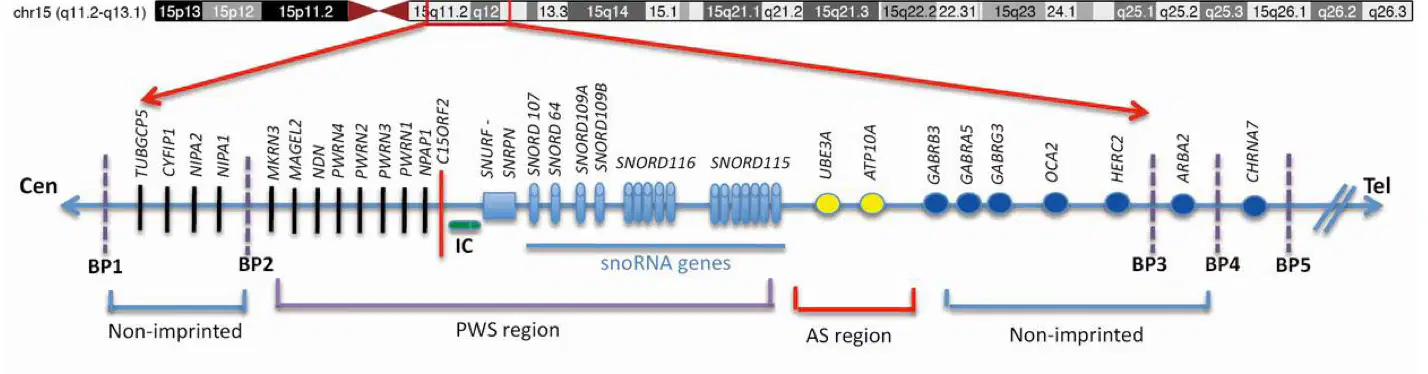
What is the chromosomal region associated with PWS/AS expression?
15q11.2q13
16p11.2p13
14q11.2q13
17p11.2p13
What is the first step in gene activation for eukaryotic genes controlled by RTFs?
RNA polymerase binds to the core promoter.
Activators recruit chromatin remodeling complexes.
One or more RTFs bind to an enhancer.
RNA polymerase proceeds to the elongation phase.
Which enzyme is recruited by activators during gene activation?
DNA polymerase
Chromatin remodeling complexes
Ligase
Helicase
What role does RNA polymerase play in gene activation?
It binds to an enhancer.
It recruits activators.
It binds to the core promoter to form a preinitiation complex.
It modifies histones.
What happens after RNA polymerase binds to the core promoter?
It recruits activators.
It proceeds to the elongation phase and makes an RNA transcript.
It binds to an enhancer.
It modifies histones.

What is a nucleosome-free region (NFR)?
A region where nucleosomes are densely packed
A region found at the beginning and end of many genes
A region where transcription is permanently inactive
A region that contains only RNA
Where are nucleosomes most precisely positioned?
In the middle of a gene
Near the beginning and end of a gene
Randomly distributed along the DNA
Only at the transcriptional termination site
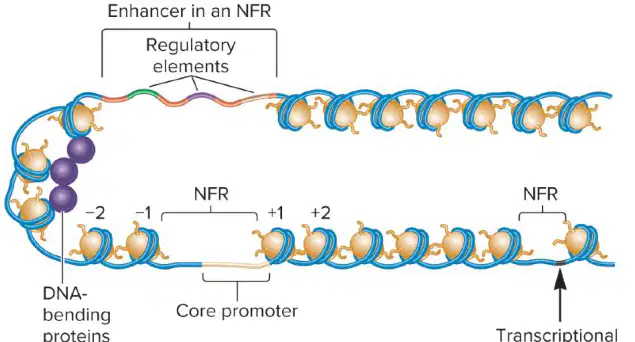
What is the role of DNA-bending proteins in gene activation?
They cause a bend in the chromatin to bring the enhancer and core promoter close together.
They recruit RNA polymerase II to the transcription site.
They modify histones through acetylation.
They act as transcriptional termination sites.
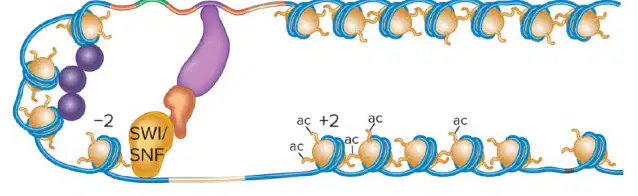
Which complex is recruited by an activator protein for chromatin remodeling?
SWI/SNF
TFIID
RNA polymerase II
Mediator
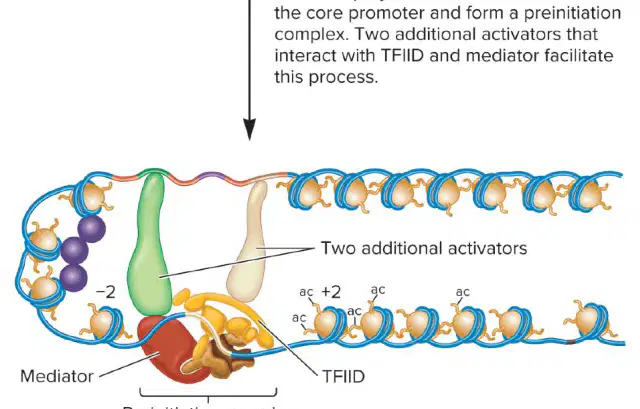
What is the function of general transcription factors in the formation of the preinitiation complex?
They bind to the core promoter and facilitate the formation of the preinitiation complex.
They modify histones to allow transcription.
They terminate transcription at the transcriptional termination site.
They act as enhancers in nucleosome-free regions.

What role does a subunit within TFIIH play in the formation of the open complex during gene activation?
It separates the DNA strands to convert the closed complex to an open complex.
It phosphorylates the CTD to stimulate activators.
It binds to DSIF and NELF to pause transcription.
It synthesizes a short RNA transcript.
What happens to the CTD during the open complex formation?
It is phosphorylated by TFIIH and mediator.
It binds to the DNA strands.
It releases NELF and DSIF.
It synthesizes RNA polymerase II.
Which factors are involved in the pausing of transcription after the formation of the open complex?
DSIF and NELF
TFIIH and mediator
RNA polymerase II and chaperone
Histones and activators
What is the effect of phosphorylation by P-TEFb on DSIF and NELF?
It causes the release of NELF, allowing RNA polymerase to transcribe the rest of the gene.
It binds the DNA strands together.
It inhibits the formation of the open complex.
It synthesizes a short RNA transcript.

What is the role of activator proteins in the transcriptional activation of a eukaryotic gene?
They bind to enhancers, triggering DNA bending.
They inhibit RNA polymerase activity.
They degrade mRNA after transcription.
They prevent chromatin remodeling.
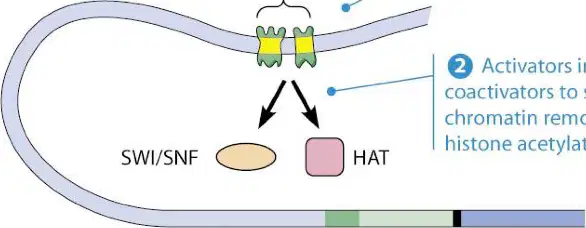
How do activators interact with coactivators during gene activation?
They stimulate chromatin remodeling and histone acetylation.
They block the binding of RNA polymerase.
They cause DNA methylation.
They inhibit transcription factors.
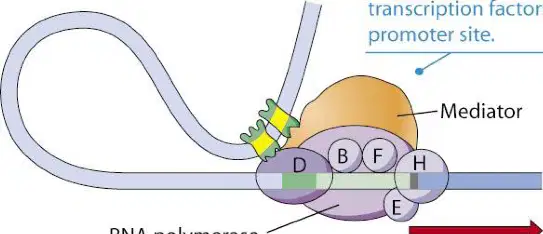
What is the function of the Mediator complex in transcriptional activation?
It triggers the assembly of RNA polymerase and transcription factors at the promoter site.
It degrades RNA transcripts.
It prevents the binding of activators to enhancers.
It inhibits chromatin remodeling.
What is the study of the function, expression, and interaction of gene products called?
Genomics
Functional genomics
Transcriptomics
Proteomics
Which term refers to the sequence and expression patterns of all RNA transcripts?
Proteome
Genome
Transcriptome
Interactome
What does the term "proteome" refer to?
The complete set of DNA sequences
The sequence and expression patterns of all proteins
The physical interactions between proteins and DNA
The sequence of all RNA transcripts
What is the interactome?
The sequence of all DNA segments
The complete set of physical interactions between proteins and DNA segments, between proteins and RNA sequences, and between proteins
The expression patterns of all RNA transcripts
The sequence of all proteins
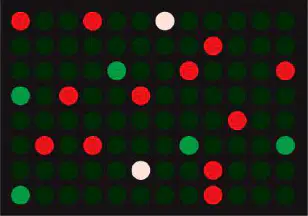
What is the purpose of using DNA microarrays in studying the transcriptome?
To sequence the entire genome
To identify active genes under specific conditions
To measure protein levels in cells
To determine the structure of DNA
Which step involves labeling cDNAs with fluorescent dyes in the DNA microarray process?
Extract mRNA
Make cDNA reverse transcript
Hybridize to microarray
Detect laser emission
What does the computer calculate in the DNA microarray process?
The sequence of DNA
The relative levels of hybridized probe
The amount of mRNA extracted
The number of cells in a sample
What is the purpose of using the ChIP assay in functional genomics?
To sequence the entire genome
To study the protein-DNA interactome
To measure RNA expression levels
To analyze protein-protein interactions
What is the first step in the ChIP assay process?
Add antibody to target protein
Break the chromatin into small pieces
Cross-link proteins to DNA
Reverse cross-links to separate DNA and protein
Which chemical is used to cross-link proteins to DNA in the ChIP assay?
Formaldehyde
Ethanol
Acetone
Methanol

What is the final step that happens to the DNA in the ChIP assay process?
Add antibody to target protein
Break the chromatin into small pieces
Reverse cross-links to separate DNA and protein
Amplify and sequence

