
Font size
 Worksheets
Unit 3B: Cell Transport
Total questions: 46
Worksheet time: 25mins
Which of the following is part of the cell theory?
All cells form spontaneously
Cells are the smallest unit of life
All organisms are made of two or more cells
Cells are the largest unit of life
What technological advancement helped with the cell theory?
cars
cell phones
sewage systems
microscopes
True or False: Cell membrane is fully permeable
True
False
Select all of the terms that describe the cell membrane
semipermeable
fully permeable
partially permeable
selectively permeable
Select the two main components of the cell membrane
lipids
proteins
carbohydrates
nucleic acids
Phospholipid bilayer
one layer of phospholipids with the tails facing each other
two layers of phospholipids with the heads facing each other
two layers of phospholipids with the tails facing each other
one layer of phospholipids with the heads facing each other
Hydrophobic
water loving
non-polar
polar
water fearing
Hydrophilic
water loving
non-polar
polar
water fearing
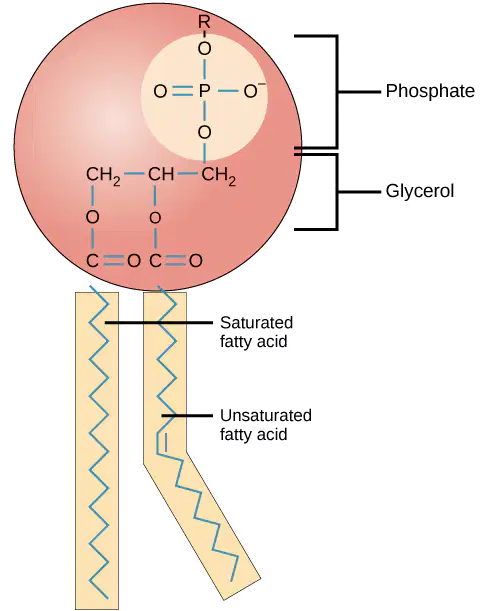
What part of the phospholipid is hydrophobic?
Head
Tail
What part of the phospholipid is hydrophilic?
Head
Tail
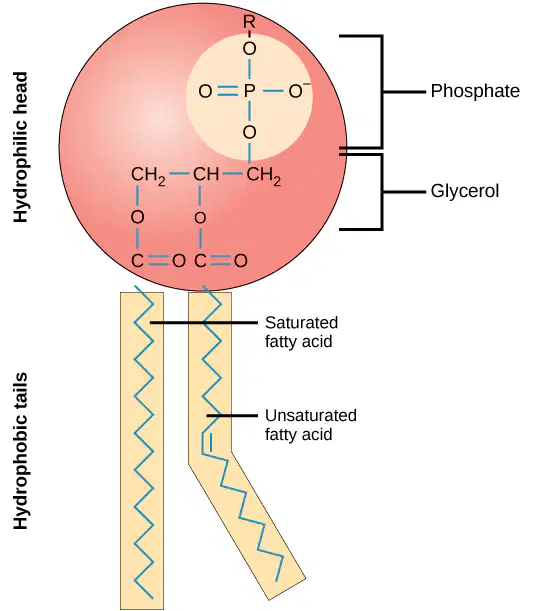
What part of the phospholipid is non-polar?
Head
Tail
What part of the phospholipid is polar?
Head
Tail
What type of molecules need to use a protein to cross the cell membrane?
polar
nonpolar
small
large
What type of molecules do NOT need to use a protein to cross the cell membrane?
polar
nonpolar
small
large
If a molecule requires energy to cross the cell membrane, it is using...
osmosis
active transport
diffusion
facilitated diffusion
True or False: Plasma membrane and cell membrane mean the same thing
True
False
Passive transport
requires no energy, goes with the concentration gradient
requires energy, goes with the concentration gradient
requires energy, goes against the concentration gradient
requires no energy, goes against the concentration gradient
Concentration Gradient
high to low
low to high
Which of the following is an example of passive transport?
facilitated diffusion
diffusion
osmosis
active transport
Facilitated diffusion
goes with concentration gradient, no energy, needs a protein
goes against concentration gradient, uses energy, needs a protein
goes with concentration gradient, no energy, no protein
movement of water with concentration gradient
Diffusion
goes with concentration gradient, no energy, needs a protein
goes against concentration gradient, uses energy, needs a protein
goes with concentration gradient, no energy, no protein
movement of water with concentration gradient
Osmosis
goes with concentration gradient, no energy, needs a protein
goes against concentration gradient, uses energy, needs a protein
goes with concentration gradient, no energy, no protein
movement of water with concentration gradient
Active transport
goes with concentration gradient, no energy, needs a protein
goes against concentration gradient, uses energy, needs a protein
goes with concentration gradient, no energy, no protein
movement of water with concentration gradient
Solute
what is being dissolved (salt, sugar, etc)
what is doing the dissolving (water)
mixture
Solvent
what is being dissolved (salt, sugar, etc)
what is doing the dissolving (water)
mixture
Hypertonic
more solute inside of the cell, more water outside of the cell
more solute outside of the cell, more water inside of the cell
equal amount of solute in and out of the cell, equal amount of water in and out of the cell
Hypotonic
more solute inside of the cell, more water outside of the cell
more solute outside of the cell, more water inside of the cell
equal amount of solute in and out of the cell, equal amount of water in and out of the cell
Isotonic
more solute inside of the cell, more water outside of the cell
more solute outside of the cell, more water inside of the cell
equal amount of solute in and out of the cell, equal amount of water in and out of the cell
In what type of solution does the cell swell?
Hypertonic
Isotonic
Hypotonic
In what type of solution does the cell shrink?
Hypertonic
Isotonic
Hypotonic

What type of solution is this cell in? (NaCl = salt)
hypotonic
isotonic
hypertonic

What type of solution is this cell in? (NaCl = salt)
hypotonic
isotonic
hypertonic

What will happen to this cell? (NaCl - salt)
swell
stay the same
shrink
If a cell that contains 10% salt is placed in a 10% salt solution, what would happen?
cell would grow
cell would shrink
cell would stay the same
A cell with 30% salt has _____% water
30
70
50
10
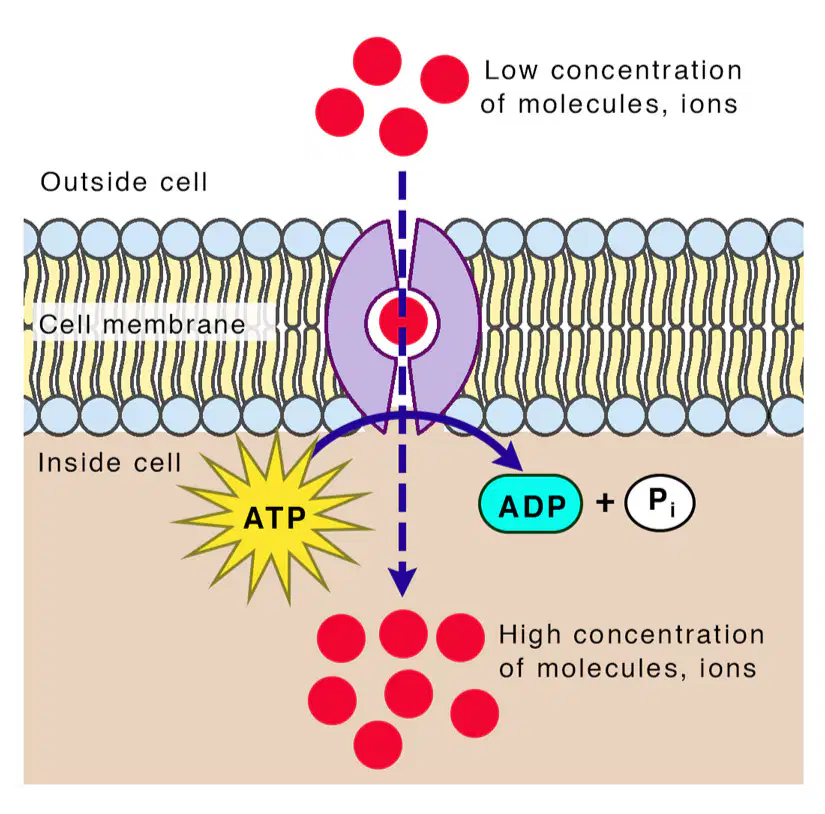
This is an example of...
diffusion
facilitated diffusion
osmosis
active transport
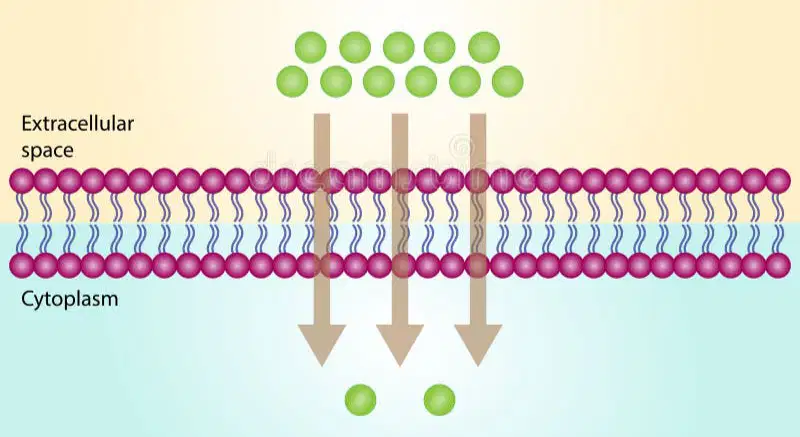
This is an example of...
diffusion
facilitated diffusion
osmosis
active transport
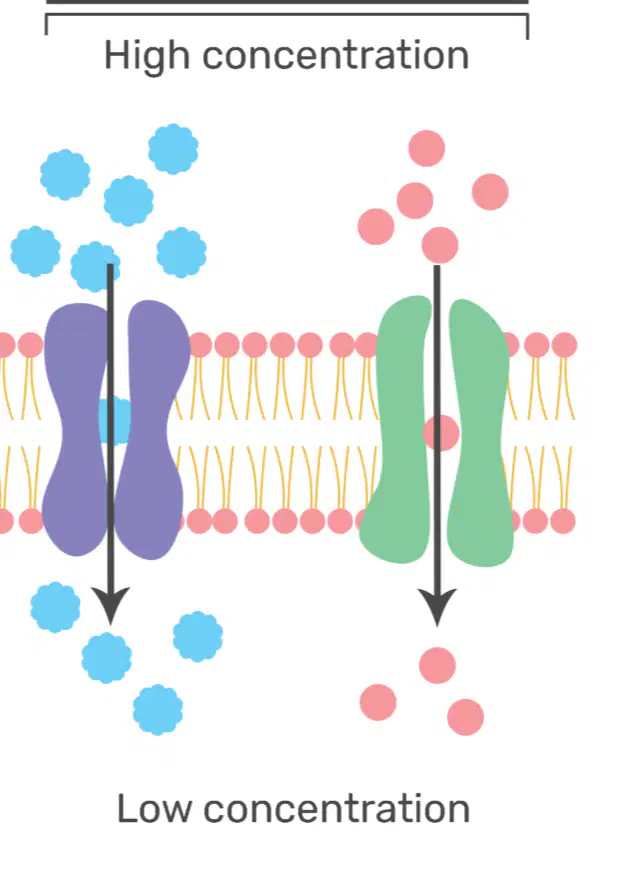
This is an example of...
diffusion
facilitated diffusion
osmosis
active transport
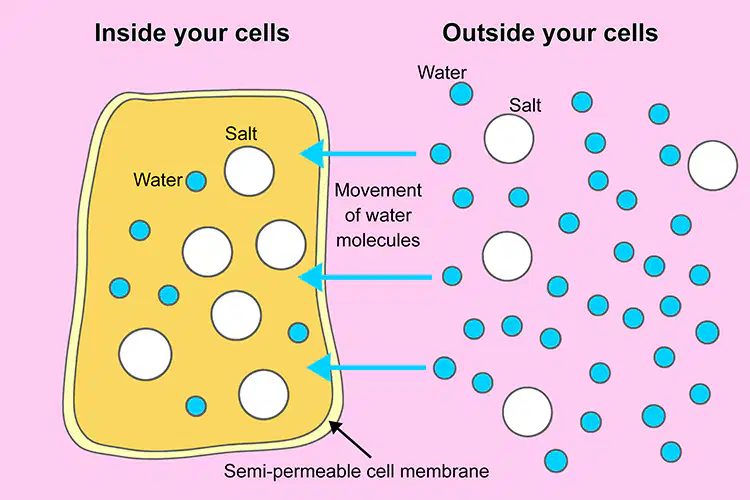
This is an example of...
diffusion
facilitated diffusion
osmosis
active transport
If you see ATP, you know it is...
diffusion
osmosis
active transport
facilitated diffusion
True or False: Water needs a protein to cross the membrane because it is polar
true
false
What type of solution would cause a cell to burst?
hypertonic
isotonic
hypotonic
Plasmolysis
plant cell is in a hypertonic solution, causing its contents to pull away from the cell wall
plant cell is in a hypertonic solution, causing its contents to push against the cell wall
plant cell is in a hypotonic solution, causing its contents to push against the cell wall
plant cell is in a hypotonic solution, causing its contents to pull away from the cell wall
Turgid
plant cell is in a hypertonic solution, causing its contents to pull away from the cell wall
plant cell is in a hypertonic solution, causing its contents to push against the cell wall
plant cell is in a hypotonic solution, causing its contents to push against the cell wall
plant cell is in a hypotonic solution, causing its contents to pull away from the cell wall
When a plant cell's contents pull away from the cell wall, it is in a _________ solution
hypotonic
hypertonic
isotonic
When a plant cell's contents push against the cell wall, it is in a _________ solution
hypotonic
hypertonic
isotonic

