wayground logo

Free Printable Worksheets

NEW

Font size

S
M
L
XL
Worksheets

Biomes of the World

Total questions: 50

Worksheet time: 50mins
Name
Class
Date
1.
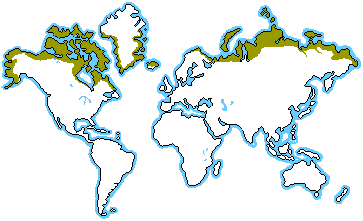
The area of the map shaded in dark blue represents which of the following terrestrial biome
a)
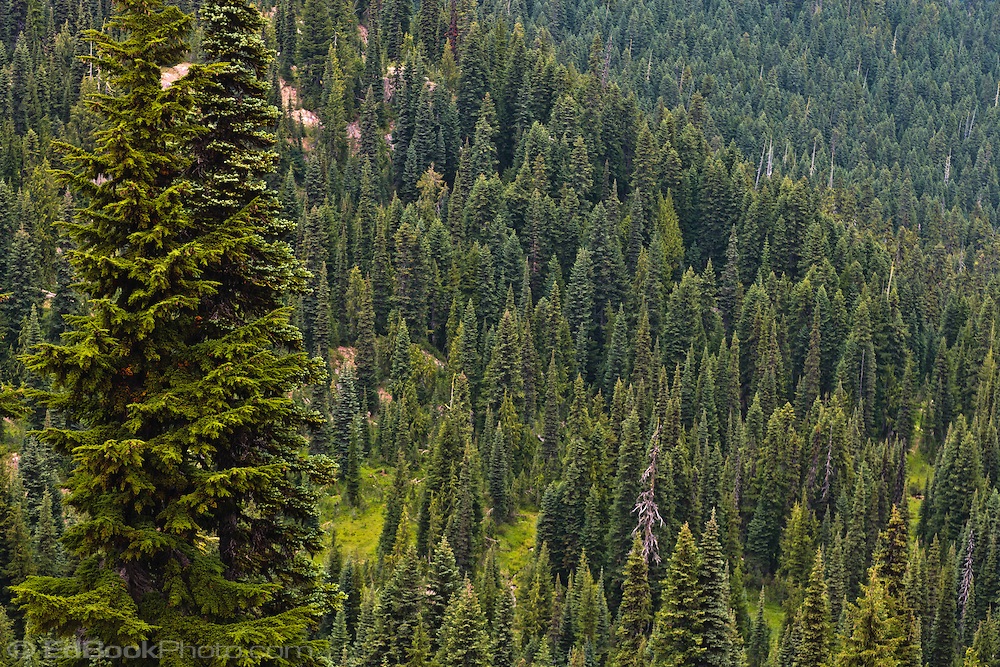
Coniferous Forest
b)
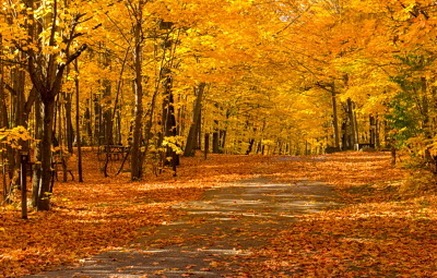
Deciduous Forest
c)
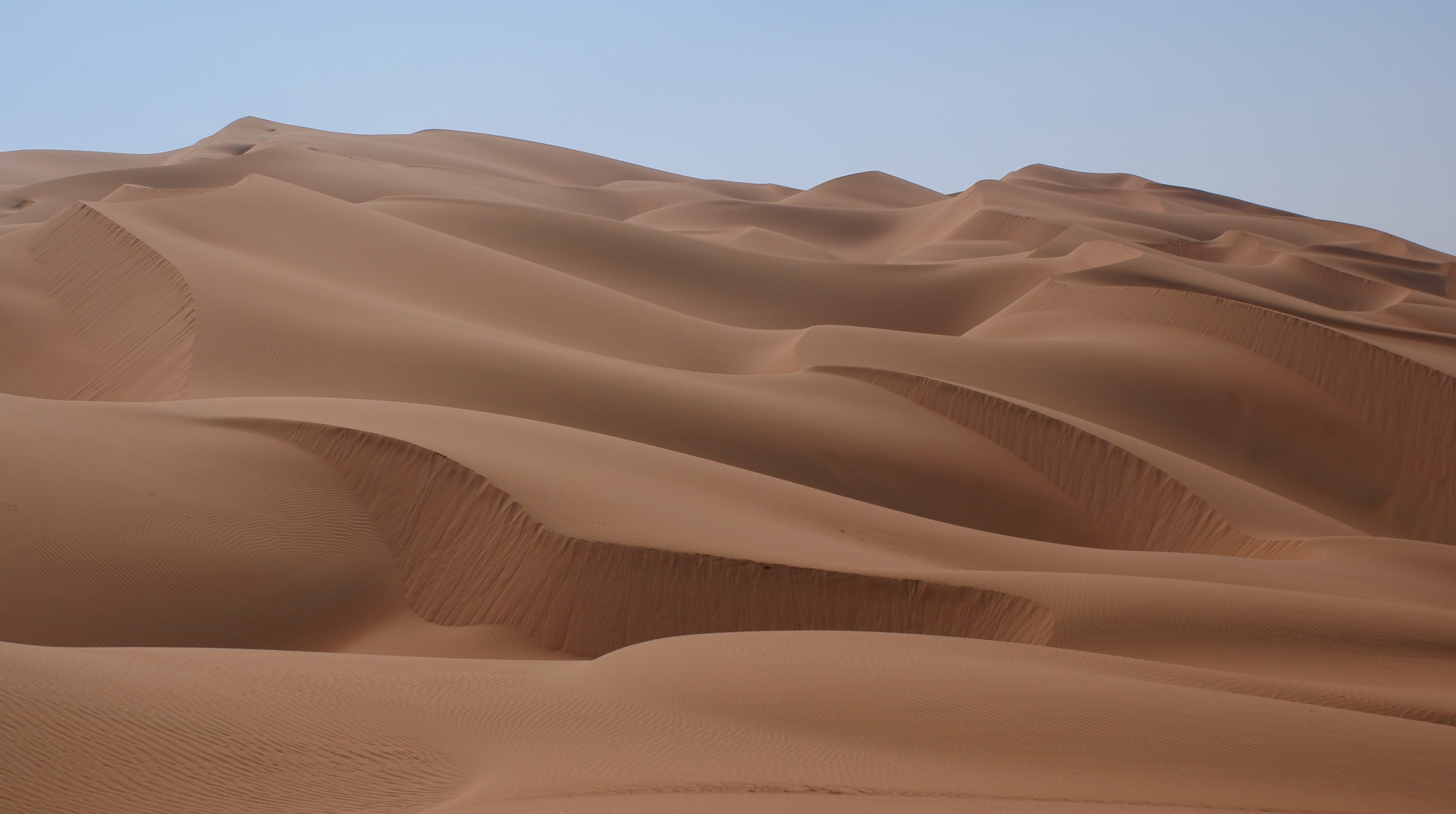
Desert
d)
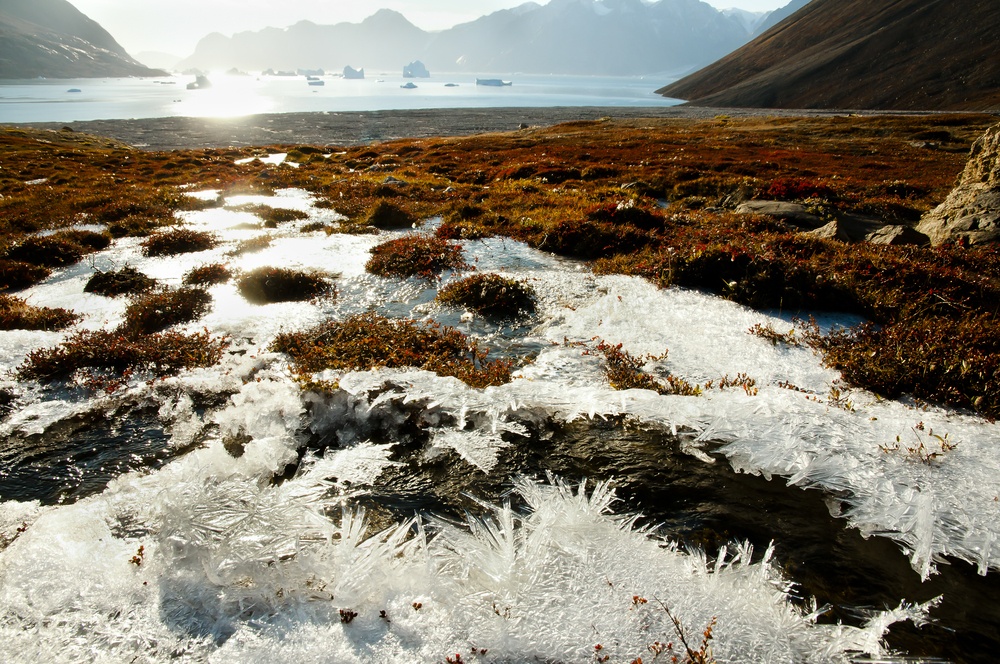
Tundra
2.
The most important abiotic factors when studying biomes are...
a)
Food and Water
b)
Water and Sunlight
c)
Temperature and Oxygen
d)
Precipitation and Temperature 
3.
Which biome is MOST LIKE the "desert" in terms of precipitation?
a)
tropical rainforest
b)
temperate deciduous forest
c)
tundra
d)
coniferous forest
4.
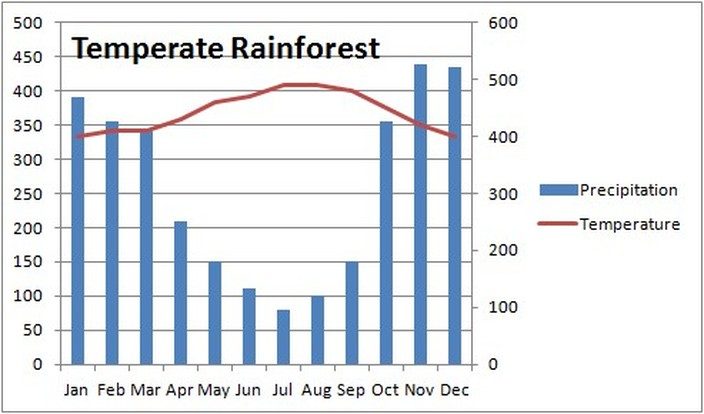
Which biome is represented by the rainfall amounts in letter C?
a)
desert
b)
prairie
c)
deciduous forest
d)
tropical rain forest
5.
What is the main factor that separates the biomes?
a)
Land
b)
Water
c)
Climate
d)
Longitude
6.
Which biome is the driest?
a)
Desert
b)
Tundra
c)
Taiga
d)
Rainforest
7.
Which Biome has permafrost?
a)
Temperate Forest
b)
Rainforest
c)
Taiga
d)
Tundra
8.
Which biome has deciduous trees (which lose their leaves)?
a)
Temperate Forest
b)
Rainforest
c)
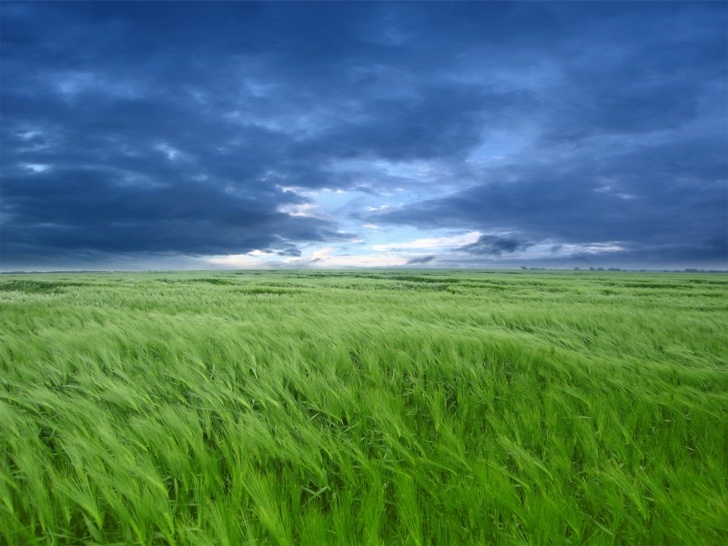
Grasslands
d)
Taiga
9.
Which biome has coniferous trees (which don't lose their leaves)?
a)
Taiga
b)
Temperate Forest
c)
Tundra
d)
Grasslands
10.
Which biome has wide-open fields of grass?
a)
Taiga
b)
Grasslands
c)
Temperate Forest
d)
Rainforest
11.
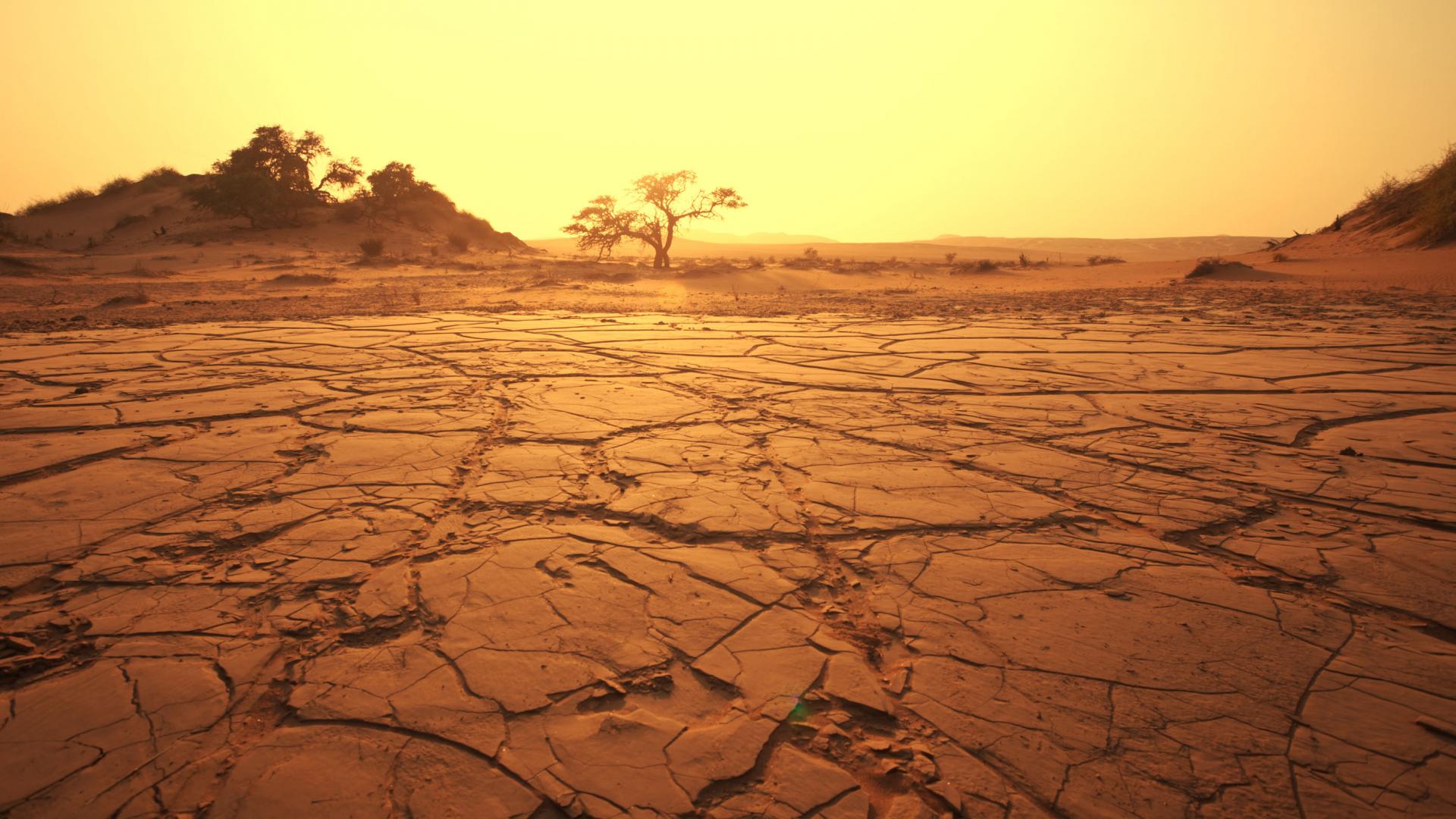
Plants in this biome are adapted to poor soil, extreme temperatures and less than 25 centimeters of rainfall per year.
a)
Tundra
b)
Taiga
c)
Desert
d)
Grasslands
12.
this biome has rich, fertile soil and much of the crop production in the U.S. is from this biome
a)
Grasslands
b)
Tundra
c)
Desert
d)
Tropical Rainforest
13.
Biotic factors of an ecosystem are:
a)
non-living
b)
plants
c)
living thing
d)
soil
14.
Identify an a example of an abiotic factor?
a)
Panda
b)
Turtle
c)
Butterfly
d)
sunlight
15.
Biomes with densely packed trees sometimes form a continuous green "roof" layer called a: 
a)
canopy
b)
ceiling
c)
green layer
d)
forest top
16.
The trees in this biome shed their leaves and grow new ones each year:
a)
temperate deciduous forest
b)
grasslands
c)
deserts
d)
tundra
17.
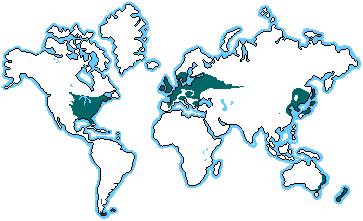
The area of the map shaded in green represents which of the following terrestrial biome
a)
Coniferous Forrest
b)
Deciduous Forrest 
c)
Desert
d)
Tundra
18.
Coniferous (Boreal) forests are made up primarily of trees that _______________.
a)
change color in the fall
b)
bear cones
c)
shed their leaves
d)
have thin bark
19.
What is the ocean floor called?
a)
Photic Zone
b)
Aphotic Zone
c)
Benthic Zone
20.

Which of the following is the best definition for an estuary?

a)

Narrow band of coastline that exists between high and low tide.

b)

Areas along the coast where fresh water from rivers mixes with salt water from the ocean.

c)

Flowing fresh water containing rapids.

d)

Freshwater aquatic areas that are saturated by water for at least part of the year.

21.

The word that best describes the average conditions of the atmosphere over time is?

a)

Climate

b)

Global average

c)

Weather

d)

Precip and Temp

22.
Why doesn’t photosynthesis occur in deep ocean water?
a)
There is no sunlight.
b)
There are not enough nutrients. 
c)
The salinity level of the water is too high.
d)
The water temperature is too cold.
23.
This biome is found around the equator and is home to a large amount of biodiversity.
a)
Deserts
b)
Tropical Rain Forests
c)
Savannas
d)
Chaparral 
24.
Which of the following choices only includes abiotic factors?
a)
Sunlight, algae, and temperature
b)
Fish, crabs, oxygen
c)
Sunlight, soil, and oxygen
d)
Algae, temperature, and dog
25.
The Job that an organism has is called its
a)
habitat
b)
niche
c)
Good thing
d)
abiotic factor
26.
The attempt to use the same resource by different organisms is called
a)
biotic factors
b)
niche
c)
competition
d)
concentration
27.
Any necessity of life is called a 
a)
wanted item
b)
resource
c)
abiotic factor
d)
biotic factor
28.
Competition between 2 different species is called 
a)
Intraspecific competition 
b)
Within specific competition
c)
Betweenism
d)
Interspecific competition
29.
The competitive exclusion principle states that no 2 species can occupy the same _________ and habitat at the same time
a)
home
b)
jurisdiction
c)
niche
d)
environment
30.
Which kind of competition is between 2 of the same species? 
a)
Interspecific
b)
Intraspecific
c)
intospecific
d)
yep.
31.
This relationship is important in nature because it prevents prey animal populations from getting too large.
a)
Competition
b)
resources
c)
Predation
d)
Symbiosis
32.
A relationship in which both species benefit. 
a)
Predation
b)
commensalism
c)
Mutualism
d)
Parasitism
33.
A relationship in which one organism benefits and the other is neither helped nor harmed.
a)
Predation
b)
Commensalism
c)
Mutualism
d)
Parasitism
34.
A relationship in which one organism is helped and the other is harmed.
a)
Predation
b)
Commensalims
c)
Mutualism
d)
Parasitism
35.
Succession that occurs on surfaces where a soil does not exist.
a)
Primary succession
b)
Secondary succession
c)
Pioneer species
d)
Climax community
36.
Succession that occurs on when a disturbance happens to an existing community without removing the soil.
a)
Primary succession
b)
Secondary succession
c)
Pioneer species
d)
Climax community
37.
The first species to populate an area during primary succession.
a)
Primary species
b)
Pioneer species
c)
Ultimate species
d)
Climax community
38.

A stable community that will not go further with succession unless a disturbance occurs.

a)

Primary community

b)

Pioneer community

c)

Successive equal-lateral community

d)

Climax community

39.

Kelp forests are found in which zone of the marine ecosystem

a)

Intertidal

b)

Coastal zone

c)

Coral Reef

d)

Open Ocean

40.
The tiny pieces of organic material found in estuaries is called 
a)
dead meat
b)
disgusting specks
c)
detritus
d)
niche
41.
The natural situation in which heat is retained by a layer of greenhouse gases. 
a)
The trap zone effect
b)
The cloud layering effect
c)
The greenhouse effect
d)
????????
42.
The condition of the atmosphere at a particular time and place.
a)
Climate
b)
Weather
c)
The coriolus
Coriolis effect
d)
The greenhouse effect
43.
The term for tiny, free floating or weakly swimming organisms.
a)
Plankton
b)
Plutons
c)
Detritis
d)
Thingymaboppers
44.
Areas where water either covers the soil or is present at or near the surface at least part of the year is a 
a)
Ocean tidal zone
b)
river
c)
Open Ocean
d)
Wetland
45.
The place where an organism lives is called its___________ by ecologists
a)
Niche
b)
Habitat
c)
Home place
d)
Environment
46.

A wetland found along a river is called a

a)

swamp

b)

marsh

c)

bog

d)

estuary

47.

A _______________ is a flooded forest.

a)

Bog

b)

Marsh

c)

Swamp

d)

Estuary

48.

90% of our oceans is ___________________

a)

intertidial zone

b)

Coastal

c)

Coral reef

d)

Open ocean

e)

benthic zone

49.

Tropical estuaries with mangrove trees that are salt resistant.

a)

Salt marshes

b)

Bog estuaries

c)

Mangrove swamps

d)

Salt marshes

50.

_____________ are often one of the first species to begin growing in a disturbed area.

a)

Pine trees

b)

Weeds

c)

Shrubs

d)

deciduous trees