
 Worksheets
Terminology Quiz
Total questions: 25
Worksheet time: 13mins
Which term refers to an unexpected event that can cause harm or damage?
Prevention
Habit
Accident
Consequence
What is the term for actions taken to stop something from happening?
Risk
Prevention
Accident Chain
Habit
Which term describes a regular practice or routine?
Consequence
Risk
Habit
Accident
What is the term for the possibility of something bad happening?
Risk
Accident Chain
Prevention
Habit
What do we call the result or effect of an action or condition?
Accident
Consequence
Habit
Risk
Which term refers to a series of events that lead to an accident?
Accident Chain
Prevention
Habit
Risk
What is the definition of an "Accident"?
A planned event that causes joy
An unexpected, unintentional act that results in damage or harm
A deliberate action that helps someone
A routine event that happens daily
What does "Accidental Injuries" mean?
An injury caused by a deliberate act
An injury resulting from an accident
An injury that heals immediately
An injury that is planned
What does "Unintentional" mean?
Done on purpose
Not on purpose; not intended
Carefully planned
Happening every day
What is the most common injury to children?
Burns
Falls
Cuts
Poisoning
What are habits?
Things we do with a lot of thought
Things we do without much thought
Things we do only once
Things we do with others
What can bad habits lead to?
Positive outcomes
Happiness
Injury or negative outcomes
Success

What is a risk?
A guaranteed success
A potential action that increases the chance of loss or damage
A safe decision with no consequences
A type of game
Why is it important to weigh the risk-reward outcome?
To ensure we always win
To avoid making any decisions
To balance potential benefits and losses
To make decisions quickly
What is the benefit of knowing your limits according to the text?
It helps you make more friends.
It keeps you out of trouble.
It makes you stronger.
It helps you learn faster.
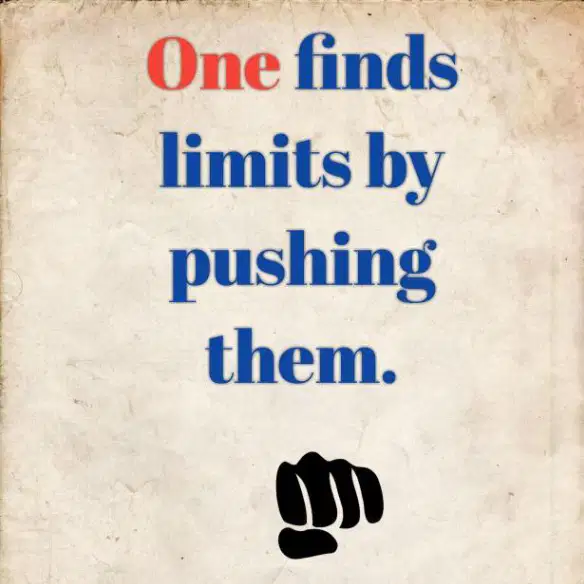
What does the phrase "One finds limits by pushing them" suggest?
Limits are fixed and cannot be changed.
You should never test your limits.
You discover your limits by challenging them.
Limits are not important.
What are consequences?
The results or outcomes of your decisions or actions
A type of food
A kind of animal
A place to visit
What often results from bad decisions?
Positive consequences
Negative consequences
No consequences
Immediate rewards
What does the term "prevention" mean?
The act of causing something to happen
The act of keeping something unsafe or dangerous from happening
The act of ignoring something
The act of making something more dangerous
What is an "Accident Chain"?
A series of events leading to an accident
A type of safety equipment
A chain used in construction
A method of transportation
Which of the following is the first step in the Accident Chain?
Unsafe Action
Situation
Accident
Results/Consequences
What is the final step in the Accident Chain?
Unsafe Habit
Accident
Prevention Statement
Results/Consequences
Who is often involved in an accident as the person who experiences harm or injury?
Witness
Perpetrator
Victim
Bystander
Which person involved in an accident is responsible for causing it?
Victim
Witness
Perpetrator
Observer
Who is the person that sees the accident happen?
Perpetrator
Witness
Victim
Helper

