
 Worksheets
Test 3 (Rocks)
Total questions: 155
Worksheet time: 2hrs 41mins

It formed below earth's surface and then quickly on top.
It formed on the surface and then below Earth's surface.


What are the two most abundant igneous rocks in Earth's crust? (HINT: They are the two most common igneous rocks!)
pegmatite and pumice
gabbro and obsidian
granite and basalt
halite and gold
If an Igneous rock is dark-colored, what is the usual amount of silica?


This odd felsic rock cools so quickly near the end of the formation process that crystals have no time to form.
Basalt
Obsidian
Gabbro
Pumice

Is this igneous rock, porphyry, fine-grained or coarse-grained?
fine-grained
coarse-grained

Is this igneous rock, obsidian, fine-grained or coarse-grained?
fine-grained
coarse-grained

Which rock is lightweight, vesicular (with holes), and spongy in appearance
Shale
Slate
Pumice
Gneiss
This forms when magma hardens in a volcano's pipe and the surrounding rock later wears away.
a dike
a sill
a lava plateau
volcanic neck
Magma that forces itself across rock layers and hardens is called a _________.
volcanic neck
sill
dike
batholith
Magma that squeezes between horizontal rock layers and hardens is called a ______.
volcanic neck
dike
sill
lava plateau

From which of these does a batholith form?
a small body of magma
a large body of magma
a small body of lava
a large body of lava
How do extrusive igneous rocks form?
from lava that erupted onto Earth's surface
from magma that hardened beneath Earth's surface

Which of the following is not an igneous rock?
shale
granite
obsidian
gabbro

Which igneous rock is an extrusive rock?
diorite
rhyolite
pegmatite
granite
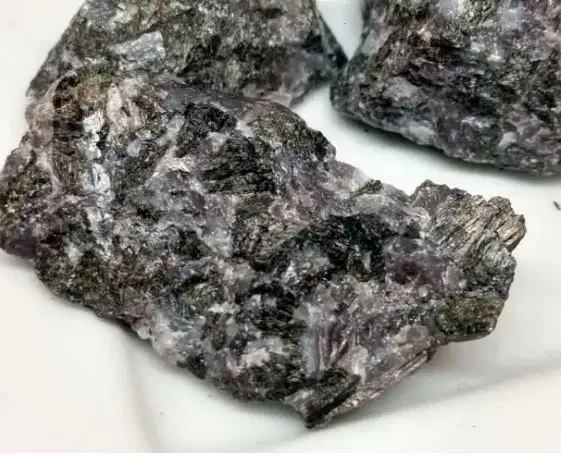


Rhyolite is a fine-grained, extrusive, igneous rock. How did it form?
rapidly cooling lava
slowly cooling magma

Pegmatite is a coarse-grained, intrusive, igneous rock. How did it form?
rapidly cooling lava
slowly cooling magma

Diorite is an intrusive igneous rock. What does this tell you about it?
it was formed from lava that erupted onto Earth's surface
it was formed from magma that hardened beneath Earth's surface
it was formed from rapidly cooling lava

Basalt is an extrusive igneous rock. What does this tell you about it?
it was formed from lava that erupted onto Earth's surface
it was formed from slowly cooling magma
it was formed from magma that hardened beneath Earth's surface
What option below is NOT one of the uses of igneous rocks?
statues
kitchen counters
building materials
chalkboards
Which is the first mineral to form in cooling magma?
quartz
mica
olivine
potassium feldspar
Which process forms a rock that looks like glass?
fast cooling`
very fast cooling
slow cooling
What causes the "spongy" look in extrusive igneous rocks?
mineral crystalization
melting point
temperature
gas bubbles
Minerals that crystallize at higher temperatures tend to be low in
Iron
Calcium
Silicon
Magnesium
Minerals that crystallize at lower temperatures tend to be low in
Iron
Potassium
Silicon
Oxygen
Which of the following would crystallize first as magma cools.
Pyroxene
Quartz
Amphibole
Sodium Plagioclase
Mafic rocks are composed of mostly
silicon and calcium
sodium and magnesium
potassium and aluminum
iron and magnesium
The lighter in color the igneous rock, the higher the amount of
iron
silica
calcium
sodium

Magmas that form at high temperatures and pressures tend to be
high in viscosity and low in silica
low in viscosity and high in silica
high in viscosity and high in silica
low in viscosity and low in silica

Magmas that form at lower temperatures and pressures tend to be
High in silica and high in viscosity
Low in silica and low in viscosity
High in silica and low in viscosity
Low in silica and high in viscosity

A type of rock that forms from the cooling of molten rock slowly below the surface of the earth
Intrusive Rock
Metamorphic Rock
Sedimentary Rock
chemical Rock

Describe the texture of the following igneous rock.
glassy
rough
vesicular
coarse

Describe the texture of the following igneous rock.
smooth
coarse
vesicular
glassy

Describe the mineral composition of the following igneous rock.
felsic
mafic

Describe the mineral composition of the following igneous rock.
felsic
mafic

Describe the rate of cooling for the following igneous rock.
slow cooling
rapid cooling

Describe the environment of formation for the following igneous rock (grain size 1-10 mm).
above ground
below ground

Describe the environment of formation for the following igneous rock (grain size < 1 mm).
above ground
below ground
How are igneous rocks classified?
by color alone
by mineral composition and texture
by the type of cement between crystals
by the size of the rock itself
What is the name of a felsic, extrusive glassy igneous rock that is frothy due to many vesicles (bubbles)?
Porphyry
scoria
Andesite
Pumice


foliated
Granite when heated and pressurized forms what type of metamorphic rock?
slate
marble
gneiss
quartzite
Limestone is the parent rock of this metamorphic rock?
slate
gneiss
marble
quartzite
Which of these is a metamorphic rock?
Granite
Marble
Shale
Basalt

This rock was once sandstone but was altered by extreme heat and pressure. What is it likely to be now?
Gneiss
Quartzite
Marble
Slate

What is the name of this Metamorphic Rock (The parent rock of this coal is bituminous coal)
Shale
Anthracite
Marble
Obsidian

The type of metamorphism shown here that is caused by the collision of two continental plates is
contact metamorphism
regional metamorphism
Wavy bands of light and dark minerals visible in gneiss bedrock probably formed from the
cementing together of individual miner grains
cooling and crystallization of magma
evaporation of an ancient ocean
heat and pressure during metamorphism
During the Permian Period, sedimentary bedrock in the Appalachian Region was subjected to high temperature and pressure. Calcite deposits that had existed in this environment would most likely have formed
schist
gabbro
marble
gneiss
The recrystallization of unmelted material under high temperature and pressure results in
metamorphic rock
sedimentary rock
igneous rock
volcanic rock
Which processes change sedimentary rocks into metamorphic rocks?
erosion and deposition
melting and solidification
evaporation and condensation
temperature and pressure changes
Where can most metamorphic rock be found?
As part of mountain ranges
At the bottom of oceans
Lake beds
Deep in the Earth, near the mantle
At a continental-continental convergent boundary, which type of metamorphism should be occurring?
contact metamorphism, due to the intense heat of the magma chamber
regional metamorphism, due to the intense heat of the magma chamber
regional metamorphism, due to the intense pressure
contact metamorphism, due to the intense pressure

Determine the texture of the metamorphic rock:
Foliated
Non-Foliated

Determine the texture of the metamorphic rock:
Foliated
Non-Foliated

Determine the texture of the metamorphic rock:
Foliated
Non-Foliated
Sedimentary rock type made from bits of minerals or other Earth material that were weathered and moved is _?_ sedimentary rock.
clastic
chemical
organic
Squeezing sediments together in layers is called ...
compaction
weathering
cementation
deposition

Name this type of clastic rock.
dolomite
sandstone
shale
coquina

This rock is made of salts left behind when a shallow sea evaporated. What type of sedimentary rock is it?
clastic sedimentary rock
chemical sedimentary rock
organic sedimentary rock

Name this rock has rounded pebbles and bits of sand cemented together with calcium carbonate.
lithographic limestone
breccia
coal
conglomerate
What causes the pressure necessary to form sedimentary rocks?
chemicals in the rock
temperatures inside the Earth
weight from sediments above
water flowing over rock

What sized sediment makes shale?
Boulder
Clay
Cobble

Sediments are falling into the layers. What happens to sediments to make sedimentary rocks?
get eroded more
ice wedging breaks it apart
the sediments do not get compacted
compacted and cemented together

Describe the texture of breccia.
vesicular
clastic with rounded pebbles in it
clastic with jagged pebbles in it
bioclastic

_______ bedding is formed as inclined layers of sediment are deposited across a horizontal surface.
graded
cross
ripple
deposition
______ means "broken" rocks
fractured
cleavage
clastic
sedimentary
What is the correct order of making and dropping off of sediments?
weathering, transportation, deposition, compaction and cementation,
transportation, weathering, deposition, compaction & cementation
transportation, weathering, compaction & cementation, deposition
compaction & cementation, transportation, deposition, weathering
The process by which running water, wind, or ice carry away bits of broken-up rock
weathering
sediment
transportation
cememtation
Small, solid pieces of rocks formed through weatheiring is called?
sediment
clastic rock
organic rock
deposition

Name this organic sedimentary rock.
sandstone
coal
shale
flint

Chemical rocks are...
Made from heat
Made when water evaporates and minerals crystallize or when ions precipitate
Made from dead animals/plants
Made from pieces of other rocks


Describe the texture of breccia.
vesicular
clastic
crystalline
bioclastic
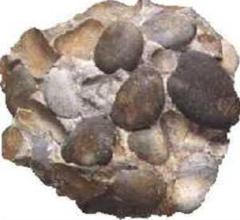
Which of the following is a land-derived or detrital sedimentary rock?
rock gypsum
limestone
gabbro
conglomerate
Scientific study of rock layers
Archeology
Stratigraphy
Paleontology
Geology
What is the correct order of making and dropping off of sediments?
weathering, transportation, deposition
transportation, weathering, deposition
weathering, deposition , transportation

What are the types of sedimentary rock?
Igneous; Metamorphic; Sedimentary
Clastic; Igneous; Sedimentary
Chemical; Clastic; Inorganic
Organic; Clastic; Chemical/Biochemical
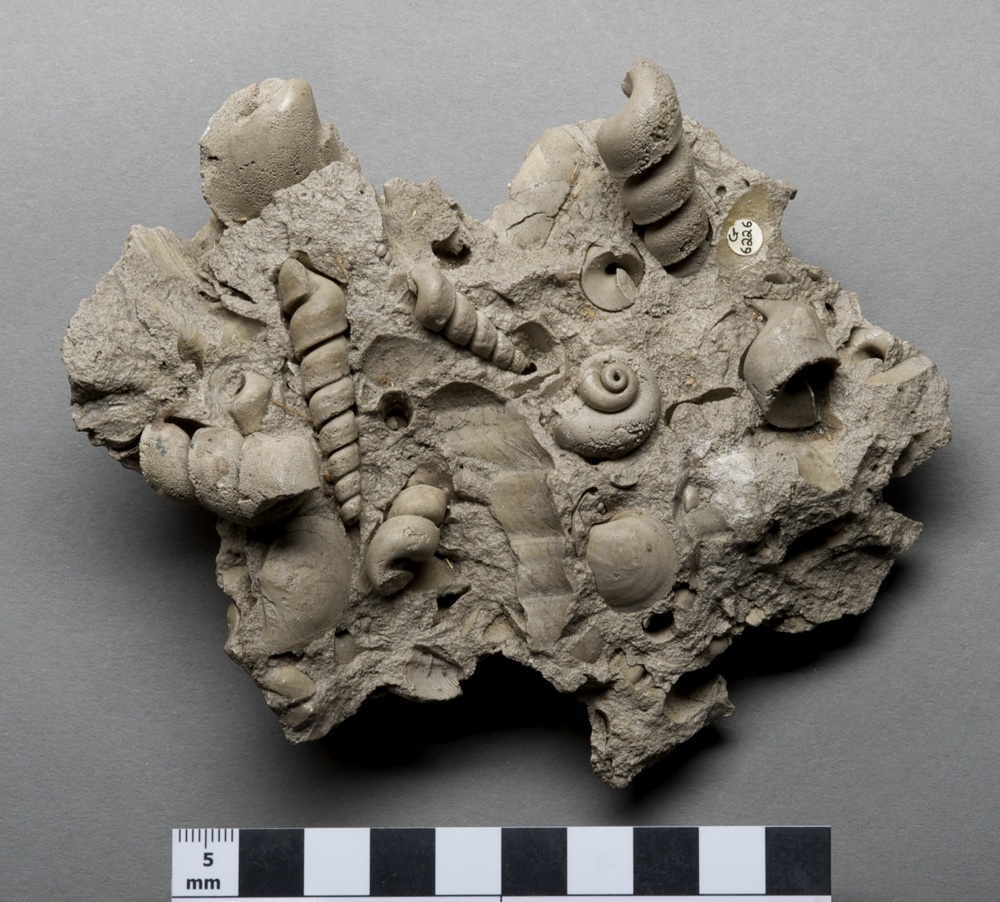
Describe the composition of fossiliferous limestone.
bioclastic
clastic
vesicular
glassy

Which of the following is a process that creates the sediments that form sedimentary rock?
Wind, water, and ice breaking rock into smaller pieces
Heat from the earth melting rock below the surface
Volcanoes putting out lava that cools to form new rock
Continents pushing together to fold layers of rock


What kind of rocks can be weathered, eroded, and then lithified to form sedimentary rocks?
igneous rocks
metamorphic rocks
sedimentary rocks
any kind of rock

Most of the Earth's crust is made up of igneous rock. But most rock at the surface of the crust is what kind of rock?
Igneous
Sedimentary
Metamorphic
All kinds of rock

Of the three kinds of sedimentary rocks, a rock that is made up of fragments of older rocks is called
Clastic sedimentary rock
Organic sedimentary rock
Chemical sedimentary rock

Cementation is
When slowing water lays down sediments to form beds
Squeezing of sediment grains together by the weight of sediments above
Precipitation of minerals that "glue" the sediment grains together
When tectonic plate movement raises buried rocks up to the surface
Compaction is
When slowing water lays down sediments to form beds
Squeezing of sediment grains together by the weight of sediments above
Precipitation of minerals that "glue" the sediment grains together
When tectonic plate movement raises buried rocks up to the surface

Deposition is
When slowing water lays down sediments to form beds
Squeezing of sediment grains together by the weight of sediments above
Precipitation of minerals that "glue" the sediment grains together
When tectonic plate movement raises buried rocks up to the surface

Of the three kinds of sedimentary rocks, a rock that is made from the remains of living things is called
Clastic sedimentary rock
Organic sedimentary rock
Chemical sedimentary rock

Of the three kinds of sedimentary rocks, a rock that is made by precipitation of dissolved minerals from water is called
Clastic sedimentary rock
Organic sedimentary rock
Chemical sedimentary rock
When rock fragments are squashed together and water is squeezed out from between them, it is called
deposition
compaction
cementation
uplift

This rough textured sedimentary rock is
sandstone
conglomerate
shale
coal

This blackish, organic sedimentary rock is
sandstone
conglomerate
shale
coal

This sedimentary rock that contains some clasts that are quite large is
sandstone
conglomerate
shale
coal

