
 Worksheets
Respiratory emergency
Total questions: 20
Worksheet time: 14mins
when the body’s vital organs are no longer receiving oxygen-rich blood. How many minutes without oxygen the brain damage will occur?
0-4 minutes
4-6 minutes
6-10 minutes
after 10 minues
A Lay Responder must perform how rescues breath during CPr?
5 cycles
2 times
30 compression
none of the choices
During respiratory arrest, which part of the chest should you place the heel of your palm?
xiphoid process
Sternum
rib cage
none of the choices
30 chest compressions in about 18 seconds (at least 100 compressions per minute)
True
Flase
DO NOT STOP: Continue cycles of CPR. Do not stop except in one of these situations:
You find an obvious sign of life, such as breathing.
Another trained responder or EMS personnel take over.
You are too exhausted to continue.
all of the choices
Which is the purpose of CPR?
To keep a person’s airway open
To identify any immediate threats to life
To supply the vital organs with blood containing oxygen
All of the choices
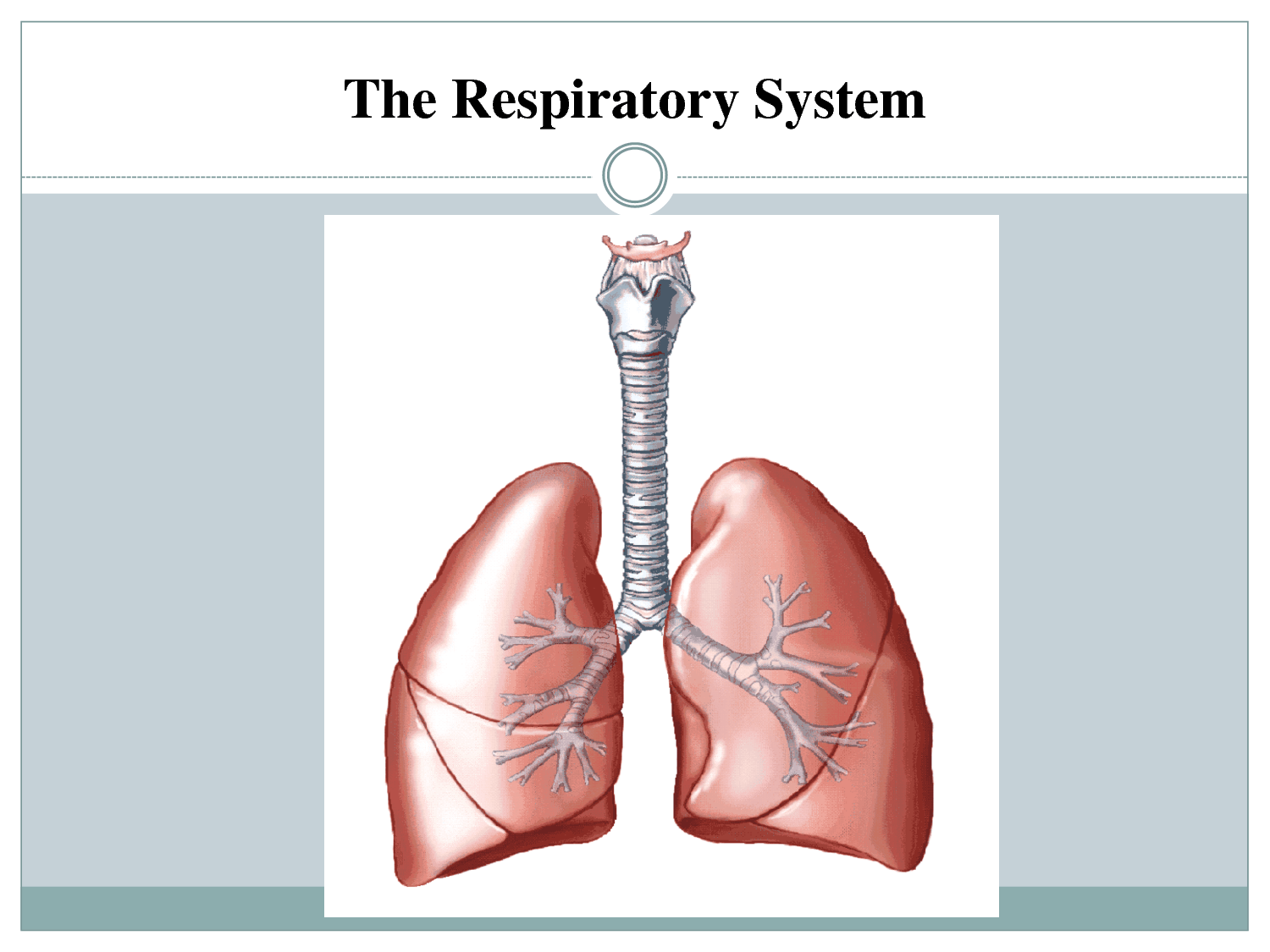
What is the main function of the respiratory system?
to provide oxygen and remove carbon dioxide from the body
to bring oxygen to the body
to break down food and absorb nutrients
to remove oxygen from the body and deliver carbon dioxide
What are the main organs of gas exchange in the respiratory system?
diapragm
lungs
trachea
bronchi
Inhale!!!!
Your lungs are ___________ air
taking in
letting out
EXHALE!!!
My lungs are __________________ air.
taking in
letting out
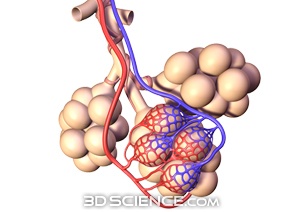
When you breathe, your lungs take in ___ and remove ___.
air/oxygen
oxygen/carbon dioxide
carbon dioxide/waste
waste/air
The main organ in the respiratory system is the
Heart
Lungs
Alveoli
which organ is not part of the respiratory system?
nose
pancreas
trachea
Before assisting anyone in an emergency situation, you first need to
make sure the scene is safe.
check twitter.
Call 911.
Look, listen, and feel for breathing.
Opening the airway
Nose tilt-ear lift
Shoulder tilt-neck lift
Chin tilt-head lift
Head tilt-chin lift
Artificial ventilation
Natural breathing process
Manual respiration
Biological assistance to breathing
Mechanical assistance to breathing
Why we use inhalers
To water the plants
To deliver medication directly to the lungs
To clean the windows
To charge a phone
What is Asthma ?
A chronic respiratory condition characterized by inflammation and narrowing of the airways
A neurological disorder that causes muscle weakness and paralysis
A type of heart disease that affects the blood vessels
A skin condition characterized by red, itchy rashes
What is respiratory emergany
A respiratory emergency is a situation in which a person's breathing is in danger of stopping.
A respiratory emergency is a situation in which a person's temperature is in danger of dropping.
A respiratory emergency is a situation in which a person's heart rate is in danger of stopping.
A respiratory emergency is a situation in which a person's blood pressure is in danger of rising.
Croup is mostly caused by viral infection
True
False

