
 Worksheets
EMT Chapter 6 (Anatomy)
Total questions: 21
Worksheet time: 9mins
What does the term "medial" refer to in anatomical directional terms?
Above the torso
Further from the midline
Front of the body
Closer to the midline
What does the term "anterior" refer to in anatomical directional terms?
Back
Front
Above
Below
Which of the following are functions of the skeletal system? (multiple answers)
Provide structural framework
Establish framework to attach soft tissues and internal organs
Protect vital organs
Move blood around the body
Which of the following are true about the spine? (Multiple answers)
There are 20 vertebrae
The first 7 vertebrae are called the cervical spine
The spine protects the spinal cord
There are 3 "sections" of the spine
Which of the following is NOT a bone in the upper extremity?
Humerus
Radius
Tibia
Ulna
Which of the following is part of the upper airway? (Multiple Answers)
Mouth
Larynx
Pharynx
Lung
Trachea
Which of the following best describes inspiration? (Read carefully)
An active process; Diaphragm and intercostal muscles contract, negative pressure pulls air into lungs
A passive process; Diaphragm and intercostal muscles relax, positive pressure pushes air out of lungs
A passive process; Diaphragm and intercostal muscles relax, negative pressure pulls air into lungs
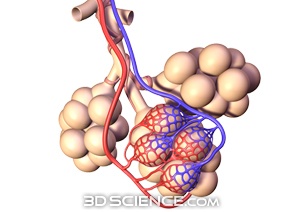
Which of the following are TRUE about pediatric respiratory anatomy?
The tongue takes up more space
The trachea is wider
Airway structures are more easily obstructed
The nose and mouth are smaller
What is the main artery leaving the back left side of the heart carrying freshly oxygenated blood to the body?
Pulmonary
Aorta
Tunica Media
Superior Vena Cava
What is the circulation of blood in an organ or tissue?
Blood pressure
Nutrients
Platelets
Perfusion
Where is the radial pulse located?
Knee
Wrist
Upper arm
Foot
The 1. __ pulse is found at the ankle, and the 2. __ pulse is found on top of the foot
1. PT (posterior tibial)
2. DP (dorsalis pedis)
1. Brachial
2. DP (dorsalis pedis)
1. DP (dorsalis pedis)
2. PT (posterior tibial)
1. PT (posterior tibial)
2. Popliteal
When the left ventricle contracts, the (a) pressure is heard.
What is the function of the lymphatic system?
To capture and maintain balance of fluid
Which of the following are included in the central nervous system? (multiple answers)
Spinal cord
Peripheral nerves
Brain
Autonomic nerves
Which of the following are accessory digestive organs? (multiple answers)
Liver
Mouth
Stomach
Gall bladder
Pancreas
Which of the following are functions of the integumentary system? (multiple answers)
Protection
Water balance
Shock absorption
Temperature regulation
Which is the top layer of the skin?
Epidermis
Subcutaneous
Dermis
What important substance do the adrenal glands secrete?
Epinephrine
Which of the following are functions of the renal system? (multiple answers)
Regulate fluid levels
Filter chemicals
Secrete hormones
Adjust body pH

