
 Worksheets
Integ 1
Total questions: 30
Worksheet time: 15mins
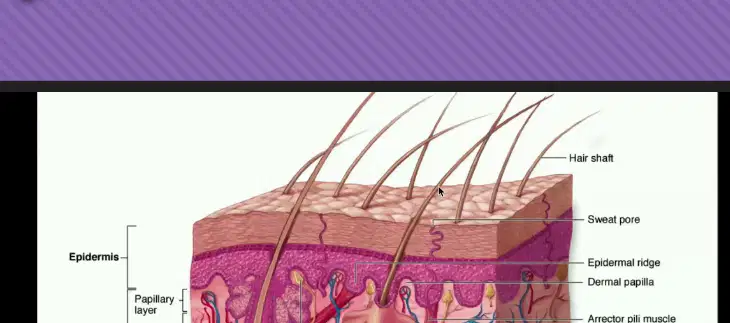
What are the two main layers of the skin?
Epidermis and Subcutaneous
Epidermis and Dermis
Dermis and Subcutaneous
Epidermis and Hypodermis
How many layers does the epidermis consist of?
2 layers
3 layers
5 layers
7 layers
Which statement is true about the skin?
The skin is the smallest organ of the human body.
The skin is composed of three main layers.
The skin is the largest organ of the human body.
The skin is only responsible for temperature regulation.
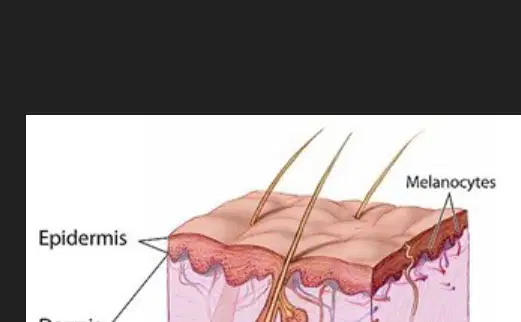
What is the function of melanocytes in the epidermis?
They provide structural support.
They contribute to skin color.
They help in nutrient absorption.
They form the outermost layer of the epidermis.
What are the two main components found in the dermis that provide strength and elasticity to the skin?
Keratin and melanin
Elastic and collagen fibers
Sebum and sweat
Adipose and muscle tissue
What is the primary function of ceruminous glands?
Producing sweat
Producing oil
Producing wax
Producing hormones
How does keratin contribute to the skin's function?
It produces hair.
It makes the skin waterproof.
It produces sebum.
It inhibits bacterial growth.
What is the primary function of sweat glands in the skin?
Produce hair color
Excrete water and salt when body temperature increases
Cover distal ends of fingers and toes
Made up of stratum corneum
How does the loss of collagen fibers affect the skin as we age?
Makes the skin thicker
Increases oil production
Causes fragile skin and slower healing
Enhances skin color
What is a result of decreased activity of sebaceous glands in aging skin?
Increased oiliness
Dry and itchy skin
Enhanced skin tone
Faster healing
How does decreased melanocyte activity affect the skin as people age?
Increases skin elasticity
Reduces risk of sunburn
Changes hair color
Enhances temperature regulation
Which of the following is a common complaint associated with skin disorders?
Fever and chills
Pruritis and pain
Nausea and vomiting
Dizziness and fatigue
Which of the following is a recommended practice for preventing dry skin?
Use hot water for bathing
Apply lotion at least 2-3 times a day
Use soap and water frequently
Avoid using lotion-based soaps
Why might older adults not need a full bath every day?
To save water
To prevent skin drying
To reduce soap usage
To maintain natural oils
What are the potential effects of overexposure to ultraviolet (UV) light on the skin?
Improved skin elasticity
Permanent damage to skin layers
Reduced risk of skin cancer
Enhanced skin hydration
Which of the following is a risk associated with overexposure to UV light, particularly for fair-skinned individuals?
Decreased skin sensitivity
Increased risk of malignant changes
Enhanced skin tone
Reduced skin aging
During which hours should sun exposure be avoided due to hazardous rays?
8am to 10am
10am to 2pm
2pm to 4pm
4pm to 6pm

What is a common cause of skin tears, especially in the elderly and those in healthcare facilities?
Excessive sun exposure
Friction and shear
Allergic reactions
Insect bites
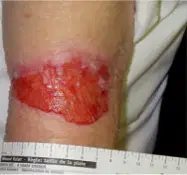
In the Payne-Martin Classification System, what defines a Category III skin tear?
Skin tear with partial tissue loss
Skin tear without tissue loss
Skin tear with complete tissue loss and missing epidermal flap
Skin tear with repositionable flap
What role does impaired mobility play in the risk of skin tears?
It reduces the need for assistance
It increases the likelihood of pressure and friction
It enhances skin resilience
It decreases the risk of rough handling
Which of the following is a recommended practice for preventing skin tears?
Use harsh soap daily
Keep rooms cluttered
Moisturize skin twice a day or more
Avoid wearing long sleeves

What is the purpose of using stockinettes on extremities in skin tear prevention?
To enhance skin hydration
To provide warmth
To protect the skin from tears
To improve blood circulation
Why is it important to have adequate lighting in rooms for skin tear prevention?
To reduce the risk of falls and injuries
To improve mood and mental health
To enhance skin tone
To increase room temperature
How often should you teach a patient to examine their skin?
Monthly
Yearly
Every few months
A wood light is a UV light designed to diagnose which of the following skin problems?
Fungal infection, such as erythrasma
Skin lesion, such as a vesicle
Skin disorder such as cellulitis
This type of skin biopsy involves removing the entire lesion.
Shave Biopsy
Punch Biopsy
Excisional Biopsy
An elevated, superficial lesion fill with purulent fluid is known as a _______.
Macule
Pustule
Wheal
Papule
A patient has brown spots on their skin, especially on the back of their hands due to an increase in melanin. What are these spots called?
Senile Lentigines
Eccrine Glands
Hypermelanocytes
Liver Spots
What is the best type of dressing to place on a skin tear?
Wet to Dry Dressing
Dry Sterile Dressing
Transparent Dressing
Non-Adhering Dressing
Choose the proper documentation for a skin lesion present on the left heel.
2 cm x 1.5 cm red non-blanchable area on the left heel
Red area on the left heel
Red, non-blanchable area measuring 2cm x 1.5 cm
2 cm x 1.5 cm area on left heel

