
 Worksheets
Ointments in Traditional Chinese Medicine
Total questions: 26
Worksheet time: 13mins
What are ointments in Traditional Chinese Medicine (TCM) primarily used for?
Treating acute skin injuries
Providing a long-lasting barrier on the skin
Enhancing muscle growth
Reducing hair loss
Which of the following is NOT a typical use of ointments in TCM?
Chronic skin conditions
Joint and muscle pain
Digestive issues
Wounds and burns
What is the primary benefit of the oil-based composition of ointments in TCM?
Enhancing skin color
Locking in moisture
Increasing skin temperature
Reducing skin elasticity
Which skin conditions are ointments especially useful for in TCM?
Oily skin conditions
Dry skin conditions
Normal skin conditions
Sensitive skin conditions
What is one of the main purposes of ointments in promoting tissue healing?
Encourage the repair of damaged tissues from wounds, burns, or cuts.
Increase skin pigmentation.
Enhance skin elasticity.
Reduce skin dryness.
Which condition is NOT typically treated by ointments that reduce inflammation?
Rashes or allergic skin reactions
Inflamed skin conditions like psoriasis
Heat-related skin disorders
Bacterial infections
What is a key advantage of ointments in delivering medicinal herbs over time?
They release medicinal compounds slowly.
They provide instant relief.
They change skin color.
They increase skin temperature.

Which of the following is NOT a property of herbs used in TCM ointments?
Moisturize
Soothe
Regenerate tissue
Increase blood pressure

What is the primary function of Sheng Di Huang (Rehmannia glutinosa) in ointments?
Expels Wind, dries Dampness
Clears Heat, resolves toxins
Nourishes Yin, cools the Blood
Reduces swelling, detoxifies

Which herb is particularly useful for treating burns, ulcers, and wounds?
Bai Zhi (Angelica dahurica)
Di Yu (Sanguisorba officinalis)
Zhi Mu (Anemarrhena asphodeloides)
Pu Gong Ying (Taraxacum mongolicum)

What is the therapeutic use of Bai Zhi (Angelica dahurica) in ointments?
Treats eczema, dermatitis, and infected wounds
Resolves toxins, reduces swelling
Clears Heat, moistens dryness
Nourishes Yin, cools the Blood

Which herb is used in ointments for its strong heat-clearing and detoxifying properties?
Sheng Di Huang (Rehmannia glutinosa)
Jin Yin Hua (Lonicera japonica)
Zhi Mu (Anemarrhena asphodeloides)
Pu Gong Ying (Taraxacum mongolicum)
What is a common base ingredient used in traditional TCM ointments?
Olive oil
Beeswax
Coconut oil
Shea butter
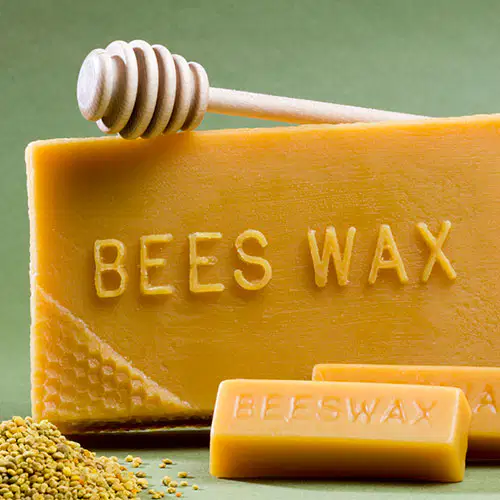
What is the primary property of beeswax that makes it a common base for ointments?
It is rich in vitamins A and E.
It creates a protective barrier on the skin.
It is highly moisturizing.
It has anti-inflammatory properties.

Which ingredient is derived from the nuts of the Shea tree and is rich in vitamins A and E?
Beeswax
Cocoa Butter
Shea Butter
Olive Oil

What therapeutic use is associated with cocoa butter?
Treating wounds and burns
Healing dry skin, wounds, and scars
Infusing herbs in ointments
Treating eczema and dermatitis

Which ingredient is a plant-based alternative to beeswax and forms a strong moisture barrier on the skin?
Olive Oil
Cocoa Butter
Candelilla Wax
Shea Butter
What is a common use of olive oil in ointments?
Creating a protective barrier
Infusing herbs
Providing a velvety texture
Treating eczema
What is the purpose of adding a thickening agent in the preparation of ointments in TCM?
To enhance the color of the ointment
To ensure the herbs are fully absorbed and released slowly
To increase the fragrance of the ointment
To make the ointment more liquid
Which herb is recommended for treating burns in the preparation of herbal ointments?
Bai Zhi
Sheng Di Huang
Di Yu
Candelilla wax
What is the recommended method for heating herbs in oil during the infusion process?
High flame
Microwave
Low flame or double boiler
Direct sunlight
What should be used to strain the herbs after infusion?
Cheesecloth or fine mesh sieve
Paper towel
Plastic wrap
Metal spoon
Where should the labeled jars of ointment be stored?
In a warm, humid place
In a cool, dry place
In direct sunlight
In a refrigerator
Which herbs are used for moisturizing the skin in conditions like eczema and psoriasis?
Di Yu and Bai Zhi
Zhi Mu and Sheng Di Huang
Jin Yin Hua and Pu Gong Ying
Aloe Vera and Chamomile
What is the primary benefit of using ointments with Di Yu and Bai Zhi?
Moisturizing the skin
Reducing itching
Promoting tissue regeneration
Clearing heat and resolving toxins
Which conditions are treated with ointments containing Jin Yin Hua or Pu Gong Ying?
Eczema and psoriasis
Chronic ulcers and bedsores
Boils and infected wounds
Dry, inflamed skin

