
 Worksheets
Endocrine 35
Total questions: 25
Worksheet time: 13mins
How does the pituitary gland connect to the brain?
Connects to the cerebellum
Connects to the hypothalamus
Connects to the medulla oblongata
Connects to the thalamus
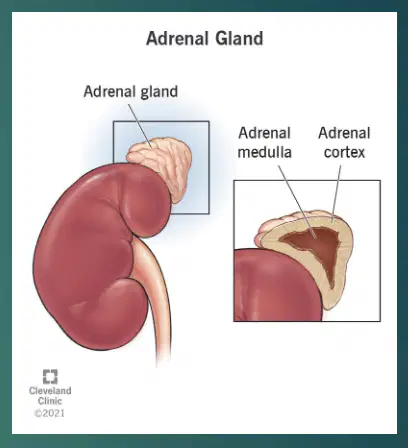
Where are the adrenal glands located in the human body?
On top of each kidney
Behind the liver
Next to the pancreas
Below the stomach
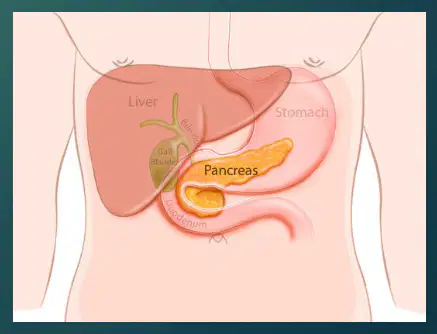
What is the function of the alpha cells in the pancreas?
Secrete glucagon
Secrete insulin
Produce digestive enzymes
Store glycogen
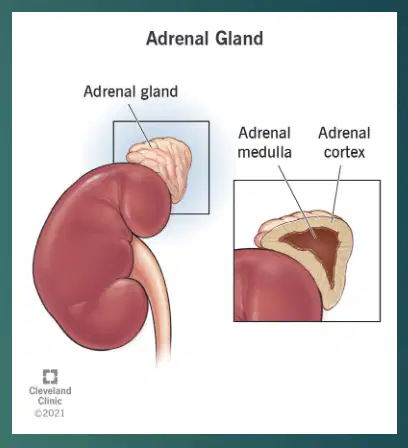
Which part of the adrenal gland is located in the middle?
Adrenal medulla
Adrenal cortex
Adrenal capsule
Adrenal vein
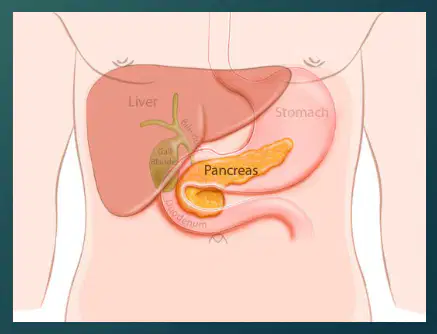
What is the role of beta cells in the pancreas?
Secrete insulin
Secrete glucagon
Produce bile
Store vitamins
Which of the following body processes is the endocrine system NOT involved in?
Regulation of metabolism
Growth rate
Physical development
Digestion
What hormone is produced by the parathyroid gland?
Insulin
Parathyroid Hormone (PTH)
Cortisol
Oxytocin
Which hormones are secreted by the anterior pituitary gland?
ADH, Oxytocin
T3, T4, Calcitonin
Prolactin, ACTH, GH, TSH, FSH, LH
Glucagon, Insulin
Identify the hormones produced by the adrenal medulla.
Epinephrine, Norepinephrine
Cortisol, Aldosterone
T3, T4, Calcitonin
Prolactin, ACTH
What are the main hormones produced by the pancreas?
Glucagon, Insulin
ADH, Oxytocin
T3, T4, Calcitonin
Cortisol, Aldosterone
Which gland is considered the master gland of the body?
Thyroid gland
Adrenal gland
Pituitary gland
Pineal gland
What is the role of the anterior pituitary in hormone production?
It stores hormones produced by the hypothalamus.
It produces hormones that are secreted into the bloodstream as a result of “releasing hormones” from the hypothalamus.
It only produces hormones during sleep.
It produces hormones that are stored in the liver.
Which of the following hormones is NOT produced by the anterior pituitary?
Prolactin
Insulin
Growth hormone (GH)
Thyroid-stimulating hormone (TSH)
What is the primary function of the posterior pituitary gland?
Produces hormones
Stores and releases hormones produced in the hypothalamus
Synthesizes oxytocin
Regulates blood sugar levels
Which hormones are released by the posterior pituitary gland?
ADH and Oxytocin
Insulin and Glucagon
Thyroxine and Calcitonin
Cortisol and Aldosterone

Analyze the diagram and explain the role of the anterior pituitary in hormone regulation.
The anterior pituitary directly controls the kidneys.
The anterior pituitary releases hormones that regulate various bodily functions by targeting specific organs.
The anterior pituitary is responsible for producing oxytocin.
The anterior pituitary only affects the adrenal cortex.
Which hormones are secreted by the thyroid gland?
Insulin, Glucagon, Somatostatin
Cortisol, Aldosterone, Androgens
Thyroxine (T4), Triiodothyronine (T3), Thyrocalcitonin (Calcitonin)
Estrogen, Progesterone, Testosterone
What is required for the synthesis of thyroid hormones?
Calcium and Vitamin D
Protein and Iodine
Iron and Vitamin C
Zinc and Magnesium
How do thyroid hormones affect the body's metabolism?
They decrease the metabolic rate.
They have no effect on metabolism.
They control the metabolic rate.
They only affect carbohydrate metabolism.
What is a common symptom of hypothyroidism?
Increased metabolism
Weight loss
Cold, tired, sluggish feeling
Warm, increased temperature
In hyperthyroidism, what happens to TSH levels?
TSH levels increase
TSH levels decrease
TSH levels remain unchanged
TSH levels fluctuate
Which of the following is a characteristic of hyperthyroidism?
Decreased metabolism
Weight gain
Increased metabolism
Cold, tired feeling
What is the effect of hypothyroidism on T3 and T4 levels?
T3 and T4 levels increase
T3 and T4 levels decrease
T3 and T4 levels remain constant
T3 and T4 levels fluctuate
What is the role of parathyroid hormone (PTH) in calcium regulation?
It decreases plasma calcium levels.
It increases plasma calcium levels.
It has no effect on calcium levels.
It only affects phosphorus levels.
What happens to PTH release when calcium levels are high?
PTH release is stimulated.
PTH release is inhibited.
PTH release remains unchanged.
PTH release is doubled.

