
Font size
 Worksheets
Science 8:Quiz.04.01
Total questions: 91
Worksheet time: 2hrs 50mins
What is the correct order of scientists in order of their work related to the atomic theory from earliest to most recent?
Ernest Rutherford, JJ Thomson, John Dalton, & Democritus
JJ Thomson, John Dalton, Ernest Rutherford, & Democritus
Democritus, John Dalton, JJ Thomson, Ernest Rutherford.
John Dalton, JJ Thomson, Democritus, & Ernest Rutherford

What was J. J. Thomson's contribution to the atomic theory?
Discovered the electron
Discovered the nucleus -did the gold foil experiment
Created a model of the atom with electrons moving around the nucleus in fixed orbits
Discovered the neutron

Who proposed that the atom consists mostly of empty space with a nucleus at the centre?
Bohr
Dalton
Rutherford
Chadwick

What subatomic particles did James Chadwick discover?
protons.
neutrons
electrons
quarks
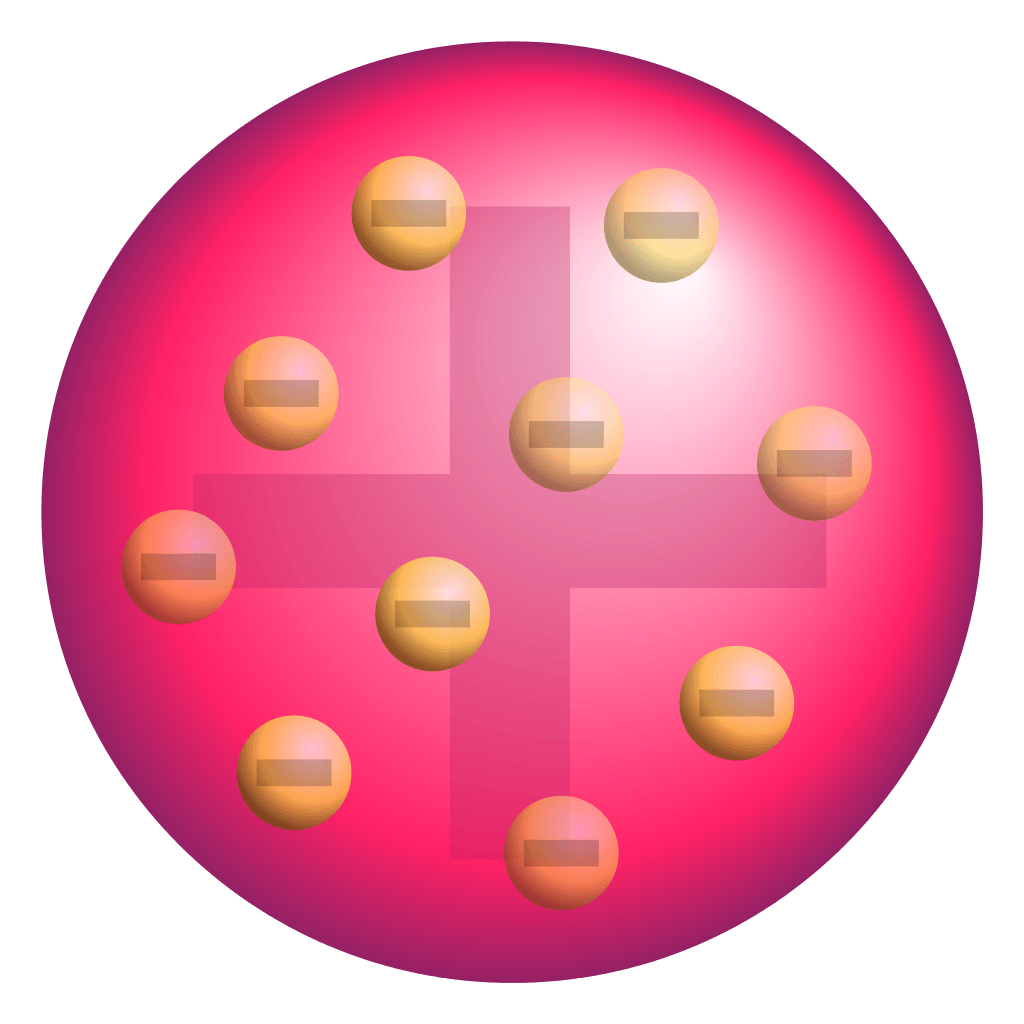
Who's atomic model is this?
Thomson
Rutherford
Democritus
Bohr

Which Scientist created this model?
Democritus
Chadwick
Bohr
Rutherford
What is the smallest particle of an element that retains the chemical properties of that element?
ion
isotope
atom
element
electrons travel in paths/energy levels
Thomson
Bohr
Schrodinger
Rutherford
founded electron cloud
Thomson/Rutherford
Dalton/Thomson
Schrodinger/Heisenberg
Bohr/Democritus
What is the atomic number?
the number of protons in the nucleus
the number of neutrons in the nucleus
the number of protons and neutrons in the nucleus
the number of protons in the energy levels
What is the atomic number?
the number of protons in the nucleus
the number of neutrons in the nucleus
the number of protons and neutrons in the nucleus
the number of protons in the energy levels
What is the mass number?
the number of protons in the nucleus
the number of neutrons in the nucleus
the number of protons and neutrons in the nucleus
the number of protons and electrons in the atom

What is the atomic number of this atom?
1
3
4
7
How is the number of neutrons in the nucleus of an atom calculated?
Add the number of e- and p+ together
Subtract the number of p+ from the mass number
Subtract the number of e- from p+
Add the mass number to the number of e-
What subatomic particles would you find in the nucleus of an atom?
Protons only
Neutrons and Electrons
Protons and Neutrons
Protons and Electrons
If an atom has 12 positively charged subatomic particles, which of the following must it also have to be considered a neutral atom?
12 neutrons
12 protons
12 electrons
24 protons and neutrons
An atom has 10 protons, 15 neutrons and 10 electrons what is its mass number.
10
20
25
35

What is the atomic number of the atom pictured?
9
8
18
19
Which of the following determines the identity of an element?
number of protons
number of neutrons
atomic mass
number of shells
Elements which are shiny, conduct electricity and heat are called
metal
metalloid
nonmetal
nonexistent
Atoms with similar properties are most likely located...
in the same period.
in different periods.
in the same group.
to the right and left of each other.
A neutron has a charge of
+2
+1
-1
no charge
Which elements have the most similar chemical properties?
(use your periodic table)
K and Na
K and Cl
K and Ca
K and S
How are elements ordered on the Periodic Table?
Alphabetical Order
By their atomic mass.
By their color.
By their atomic number.
Rows on the period table are called _____ while columns are called _____.
groups, families
periods, groups
groups, periods
families, groups
Metals generally have the following properties EXCEPT for being:
Shiny
Malleable
Non-conductors
Ductile
Nonmetals do NOT have which of the following characteristics:
Shiny
Brittle
Many are gasses
Good insulators
What is the name of group number 1?
halogens
noble gases
alkali metals
alkaline earth metals
What is the name of group number 1?
halogens
noble gases
alkali metals
alkaline earth metals
What is the name of group number 2?
transition metals
halogens
metaloids
alkaline earth metals
where are the metaloids found
far left, vertical
stair step/diagonal
far right horizontal
at the bottom
What group number are the halogens found?
18 (8A)
1
2
17 (7A)
Periodic law states that the elements are arranged according to their atomic ________ so that elements with similar chemical properties are in the same ________ and properties repeat periodically.
numbers, rows
masses, rows
masses, column
numbers, column
A grouping of elements based on similar chemical properties, arranged by columns in the periodic table; also known as a group
family
period
row
isotope
A row on the Periodic Table of Elements
family
period
row
isotope
Metals (select all that apply)
are found on the right side of the periodic table.
are found on the left side of the periodic table.
are good conductors of heat and electricity.
are brittle.
are malleable and ductile.
Nonmetals (select all that apply)
are found on the right side of the periodic table.
are found on the left side of the periodic table.
are good conductors of heat and electricity.
are brittle.
can be solid, liquids, or gases at room temperature.

Which element is found in group 2, period 6?
Oxygen (O)
Barium (Ba)
Selenium (Se)
Carbon (C)
Which halogen is found in period 4?
Krypton (Kr)
Xenon (Xe)
Bromine (Br)
Iodine (I)
Which element has similar chemical properties as sodium but has 7 energy levels?
Francium (Fr)
Cesium (Cs)
Rubidium (Rb)
Potassium (K)
Elements that have the same number of energy levels are said to be in the same ______.
group
period
family
classification
How many letters do symbols use?
one
one or two
two
three
What is true about the capitalization of symbols?
Both letters are capitalized
Both letters are lowercase
First letter is capitalized and the second is lowercase
First letter is lowercase and the second is capitalized
If the symbol doesn't seem to make sense, where did it come from?
Spanish Word
Texas
Space
Latin Word
What does the atomic number represent?
number of protons
number of neutrons
number of electrons
number of protons and neutrons
What does the atomic mass represent?
average number of protons and neutrons
average number of protons and electrons
average number of Pym particles
number of neutrons and electrons
How can you tell the difference between atomic number and atomic mass?
atomic number is a whole number and atomic mass is a decimal
atomic mass is a whole number and atomic number is a decimal
atomic number is big and atomic mass is small
atomic mass is at the top and atomic number is at the bottom
How many groups are there?
18
7
118
5
How many periods are there?
7
18
118
5
How can you tell the difference between groups and periods?
groups are the columns and periods are the rows
groups are the rows and periods are the columns
groups are prettier than the periods
groups are found on the left side of the periodic table
Which side of the periodic table can you find the metals?
left
right
top
bottom
What is the exception to the rule that metals are found on the left side of the periodic table?
Hydrogen
Helium
Sodium
Lithium
Where does the staircase that separates metals and nonmetals begin?
under Boron
under Hydrogen
in the middle
in a galaxy far, far away
How many elements are liquid at room temperature?
2
7
12
104
Which elements are liquid at room temperature?
bromine and mercury
hydrogen and helium
silver and gold
sodium and potassium
How many elements are gases at room temperature?
12
7
104
2
How many elements are solids at room temperature?
104
7
12
2
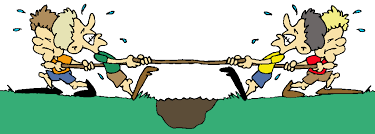

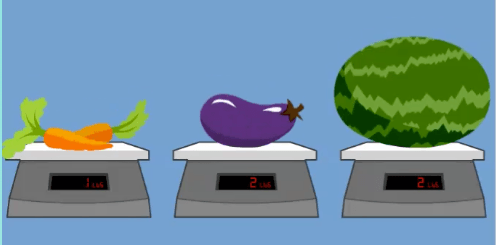
What is weight?
The measure of how HEAVY something is.
The measure of how fast an object moves.
Being weightless in space.

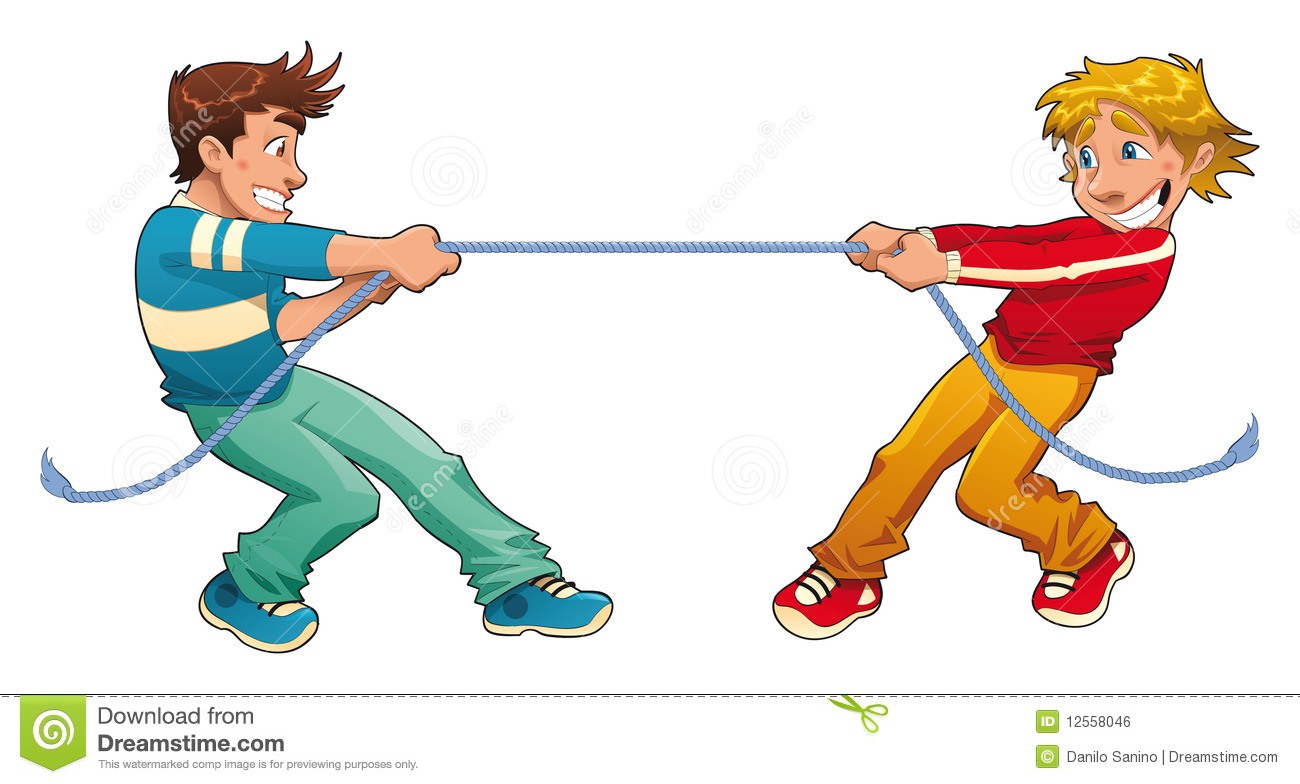
An automobile you are riding in suddenly stops, why does your body continue to go forward?
An object in motion stays in motion.
Gravity pulls your body towards the earth.
Friction makes your body slow down.
If you push a tennis ball, a bowling ball, and a basketball with the same amount of force, which one will go farthest?
bowling ball
tennis ball
basketball
It is much more difficult to move a dresser full of clothes than an empty dresser. Why?
An object in motion stays in motion.
It takes more force to move an object with more mass.
It takes more friction to move the empty dresser.
If there was no friction, objects in motion would stay in motion forever.
true
false
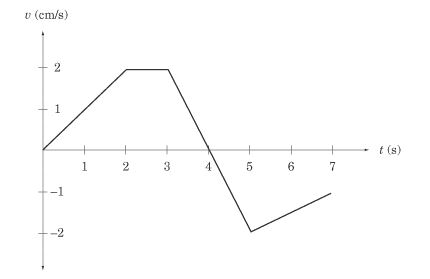
What is happening between 2 and 3 seconds?
The object is not moving.
The object is not accelerating.
The object is slowing down.
The object is speeding up.



