
 Worksheets
Chemistry
Total questions: 51
Worksheet time: 40mins
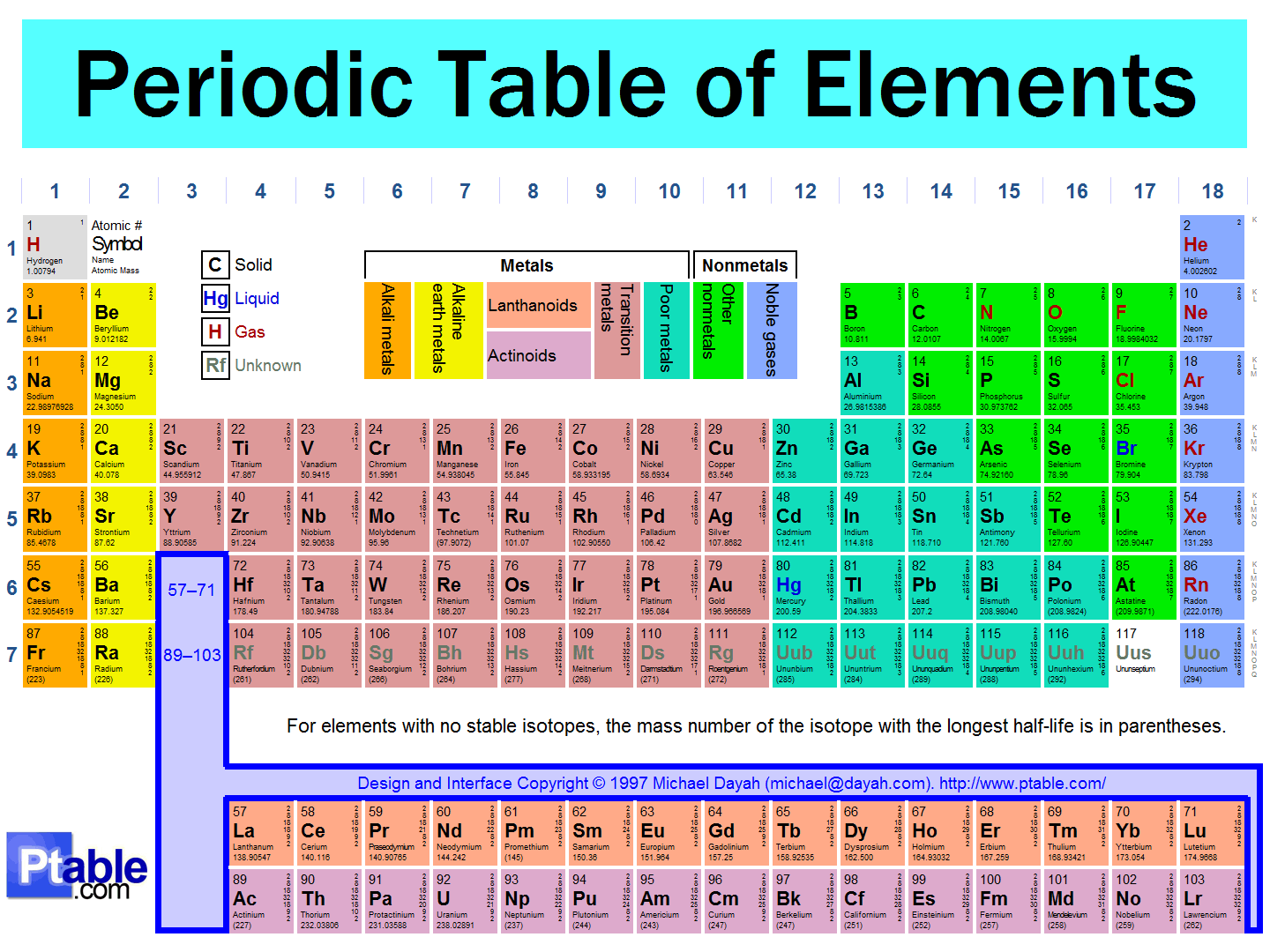
The vertical (up and down) columns in the Periodic Table are called
groups
towers
periods
atomic numbers


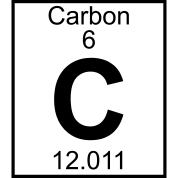
How many valence electrons does this element have?
20
2
4
1

The horizontal (left to right) rows on the periodic table are known as
periods.
atoms.
groups or families.
valence electrons.

Using the element picture, what is the atomic number?
1
H
Hydrogen
1.00794


Which of the following elements has the best physical properties to be a good conductor of energy?
Carbon (C)
Chlorine (Cl)
Iron (Fe)
Neon (Ne)

Sodium (Na) is found in period
3
2
4
1
The Alkali Metals are group _____ on the periodic table.
2
6
3
1


Which elements are colored red?
nonmetals
metals
metalloids


______________ refers to the way a metal can be hammered or rolled into thin sheets.
Luster
Malleable
Metalloids
Solid
Copper is a common metal. Which of the following properties does this metal most likely have?
High conductivity, high malleability, and low luster
Low conductivity, low malleability, and low luster
High conductivity, high malleability, and high luster
Low conductivity, high malleability, and high luster
Which family on the periodic table is very stable due to the fact that they have a full outer shell
Noble gases
Alkali metals
Halogens
Alkaline earth metals
Rare earth elements
Which statement best describes the relationship between Helium, Neon, Argon and Xenon?
They are all in the same period
They are all in the same group
They are all liquids
They are all man-made
Each row (Horizontal) is called _______
Column
Family
Semi-colon
Period
Each column (Vertical) is called
Period
Column
Group
Cohort

Element
Compound
Homogeneous Mixture
Heterogeneous Mixture

Element
Compound
Homogeneous Mixture
Heterogeneous Mixture

Element
Compound
Homogeneous Mixture
Heterogeneous Mixture

Element
Compound
Homogeneous Mixture
Heterogeneous Mixture
2 or more different elements that are bonded together is called...
A. element
B. compound
C. mixture
D. solution

What is CO2 and example of?
element
molecule
compound
Jay combines water, sugar, and lemon juice to form lemonade. What type of substance was made?
Element
Molecule
Mixture

This picture is a model of...
an element
a compound
a homogenious mixture
a heterogeneous mixture.

This image is a model of...
an element
a compound
a homogenous mixture
a heterogeneous mixture

Which of the following is a example of physical change ?
burning of wood
photosynthesis
melting of ice-cream
ripening of fruit
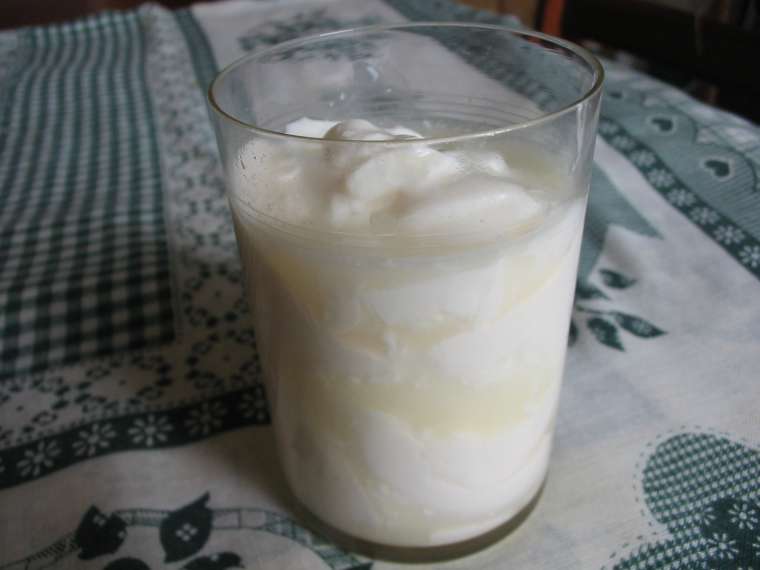
Is milk going sour a physical or chemical change?
Physical
Chemical
A physical change...
changes the physical properties of an object, but does not create a new substance.
creates a new substance and cannot be undone.

The image below shows a chemical reaction taking place. What evidence proves there was a chemical reaction?
Light produced
Color change
Formation of gas and bubbles
Precipitate formed

In the process of burning a piece of wood, a chemical reaction takes place. What evidence best justifies that a chemical change took place?
A new substance is produced.
The shape of the wood changed.
The size of the wood changed.
The state of the wood changed from solid to gas.

