wayground logo

Free Printable Worksheets

Font size

S
M
L
XL
Worksheets

Ecology Quizizz

Total questions: 41

Worksheet time: 56mins

Name
Class
Date
1.
Cattle egrets forage (feed) in fields among cattle. The egret gets easy access to flying insects stirred up by the cattle, and the cattle don't care if they are there or not.
a)
mutualism
b)
commensalism
c)
competition
d)
parasitism
2.

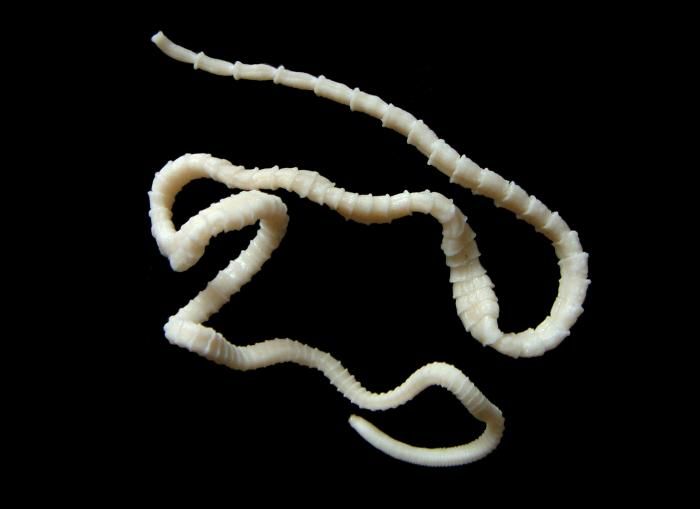
A tapeworm lives in the intestine of a cat absorbing nutrients through its skin. A tapeworm and a cat have this type of relationship.

a)

mutualism

b)

parasitism

c)

commensalism

d)

competition

3.
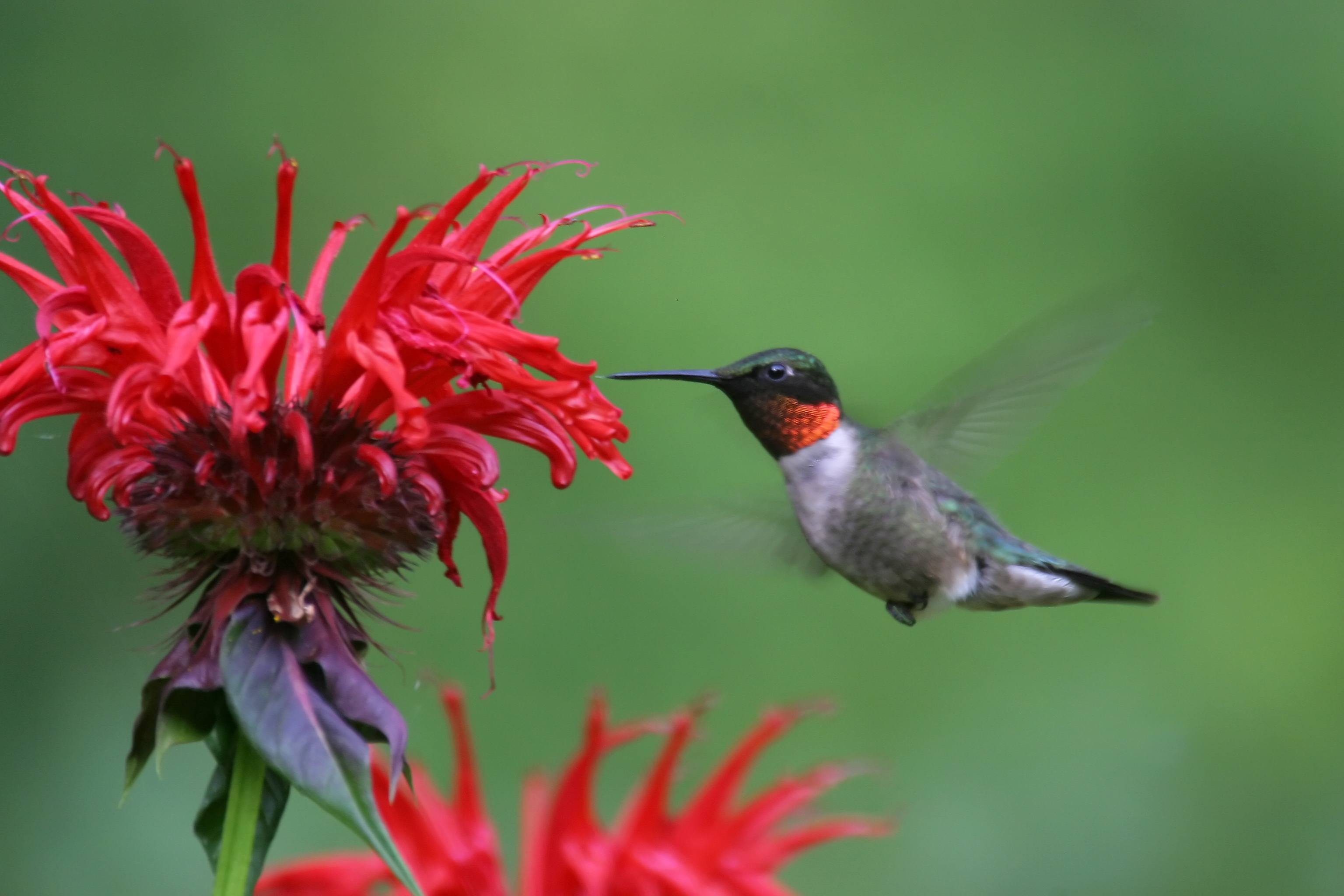
What type of symbiosis?  Hummingbirds feed on nectar from flowers.  The flowers are pollinated by hummingbirds as they move from flower to flower.
a)
commensalism
b)
mutualism
c)
parasitism
d)
predation
4.
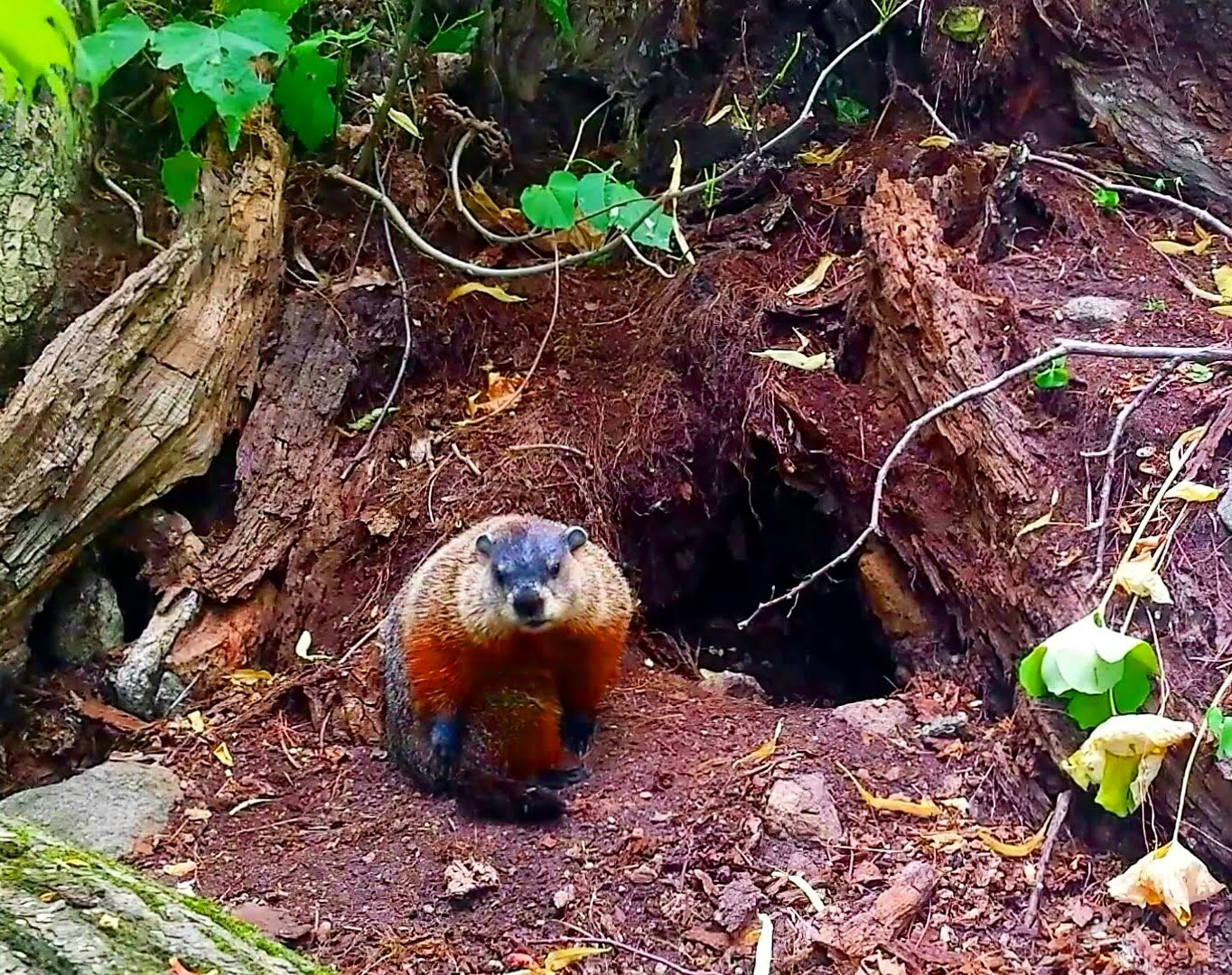
What type of symbiosis?  Skunks often live in burrows that have been dug and abandoned by woodchucks.  
a)
commensalism
b)
mutualism
c)
parasitism
d)
predation
5.
Which symbols best describe parasitism?
a)
+,+
b)
+,-
c)
+,0
d)
-,0
6.

Lactobacilli are a type of bacteria that live in our lungs and destroy many of the microorganisms that enter our respiratory system. They are highly adapted to living in our lungs and can't survive in many other habitats.

a)

mutualism

b)

commensalism

c)

parasitism

7.

Leveling off of the population after the maximum number the environment can support has been reached.

a)

Exponential

b)

Carrying capacity

c)

Linear

d)

Negative

8.

Which of the following would likely be a limiting factor to a population?

a)

Abundance of food

b)

Living near a water source

c)

Presence of a natural predator

d)

Multiple sources for shelter

9.

What do we call organisms that cannot produce their own food?

a)

Autotrophs

b)

Heterotrophs

c)

Phototrophs

d)

Chemotrophs

10.

What are consumers that eat BOTH Plants and Animals for food called?

a)

Herbivores

b)

Carnivores

c)

Omnivores

d)

Detritivores

11.

What are consumers that eat ONLY ANIMALS called?

a)

Herbivores

b)

Carnivores

c)

Omnivores

d)

Detritivores

12.

What is the name of the process that autotrophs use to make food?

a)

Photosynthesis

b)

Respiration

c)

Fermentation

d)

Decomposition

13.
The efficiency of energy transfer from a lower trophic level to the next highest level is roughly
a)
1%
b)
10%
c)
100%
d)
1000%
14.
The arrows in a food chain or web represents what?
a)
They point to the organism that is being eaten.
b)
It shows how sunlight flows within an ecosystem.
c)
They show what direction the energy is flowing between organisms. 
d)
They represent how water is transferred within a habitat.
15.

Who eats primary consumers (can be carnivores and omnivores)

a)
Tertiary Consumers
b)
Secondary Consumers
c)
Quaternary Consumers 
d)
Top Predators 
16.
In an energy pyramid, energy_______ as you move up the pyramid.
a)
Increases
b)
Decreases
c)
Stays the same
d)
Changes up and down
17.

In this energy pyramid, which organisms have the most energy available?

a)

Producers

b)

Carnivores

c)

Herbivores

d)

Top Predator

18.

In this energy pyramid, which organism has the least amount of energy available?

a)

Producers

b)

Herbivores

c)

Carnivores

d)

Top Predator

19.
If there is 1000 Kcal available in the producers in trophic level 1, how much energy is available in the herbivores in trophic level 2?
a)
10 Kcal
b)
1 Kcal
c)
100 Kcal
d)
1000 Kcal
20.
In this ecosystem, what is there the LEAST of?
a)
hyperparasites
b)
herbivores
c)
producers 
d)
parasites
21.
In this energy pyramid, what is the proper name for ANY ORGANISM ABOVE THE PRODUCER LEVEL?
a)
decomposers
b)
consumers
c)
producers
d)
omnivores
22.

Producers are ...

a)

plants

b)

able to do photosynthesis

c)

also called autotrophs

d)

all of these are true

23.

Which of the following organisms is a primary consumer?

a)

grass

b)

rabbit

c)

fox

d)

snake

24.

What would happen to the rabbit population if the fox population moved out of the area represented by the food web?

a)

The rabbit population would increase

b)

The rabbit population would decrease

c)

The rabbit population would neither increase nor decrease
25.
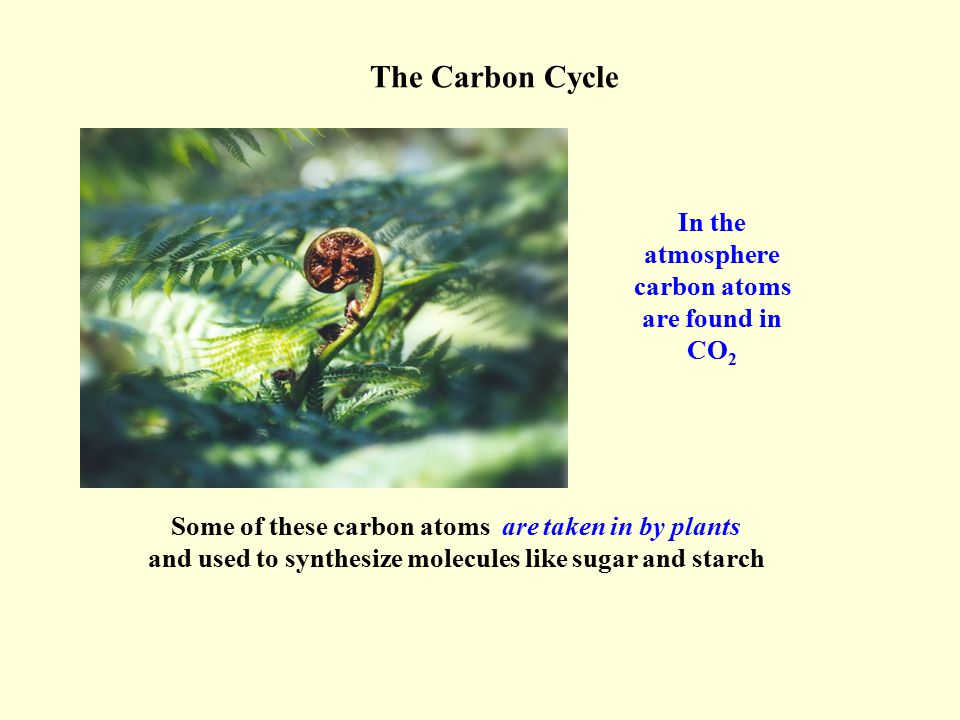
When humans burn fossil fuels, most of the carbon quickly enters the                       as carbon dioxide.
a)
Water
b)
Atmosphere
c)
Sun
d)
Air
26.
Combustion is another word for _______________.
a)
a train
b)
a bus
c)
a dog
d)
burning
27.
What does not produce carbon dioxide?
a)
Photosynthesis
b)
Burning Fossil Fuels
c)
Animal respiration
d)
Plants decaying
28.
Carbon can be found in...?
a)
The atmosphere
b)
Inside of the Earth
c)
Fossil fuels
d)
All of the above!
29.
Which process converts carbon in the form of sugar into carbon dioxide gas?
a)
Bioremediation
b)
Photosynthesis
c)
Respiration
d)
Transpiration
30.

Carbon is used in the process called __________ by plants and algae to make food and the building blocks for growth.

a)

carbon cycle

b)

life

c)

photosynthesis

d)

decomposition

31.

Water is a compound that consists of 2 hydrogen atoms and 1 oxygen atom. Up to 60% of an adult human is made up of water. Water is an example of what type of factor?

a)

Biotic

b)

Abiotic

32.

A black mamba is a highly venomous snake that can reach lengths of 14 feet. They are also able to slither at speeds of 12 miles per hour (mph). A black mamba is an example of what type of factor?

a)

Biotic

b)

Abiotic

33.

Temperature is a _________factor

a)

Biotic

b)

Abiotic

c)

living

d)

cool

34.

Is soil a biotic or abiotic factor?

a)

Biotic

b)

Abiotic

35.
An organism's _________ is defined as the environment in which it lives.
a)
habitat
b)
niche
c)
social structure
d)
ecosystem
36.

The ecological role an organism performs in their specific environment is considered the organism's...

a)

Habitat

b)

Population

c)

Biome

d)

Niche

37.
The ecological niches of three bird species are shown in the diagram. What is the advantage of each bird species having a different niche?
a)
As more birds feed higher in the tree, available energy increases.
b)
More abiotic resources are available for each bird.
c)
Predators are less likely to feed on birds in a variety of locations.
d)
There is less competition for food.
38.

Invasive species can have a major impact on the ecosystem.

a)

TRUE

b)

FALSE

39.
Invasive species alter the ecosystem by a___________in number quickly,this leads to _____ food for the native  species. 
a)
increasing  less
b)
decline  decreasing
40.
Kudzu has overgrown many parts of southern Missouri and native ground plants have disappeared from the area. This is an example of:
a)
Parasitism between kudzu and the native plants
b)
A predator prey relationship between ground plants and kudzu
c)
Competition occurring between the native and invasive species
d)
Commesalism occurring between the kudzo and native plants
41.
If a blue catfish is introduced and eats the large fish who eat the smaller fish, what will happen to the population of the smaller fish?
a)
Increase
b)
Decrease
c)
Stay the same
d)
No affect on smaller fish