
 Worksheets
2024-25 SEL Post Assessment
Total questions: 35
Worksheet time: 20mins
True or False: We have the ability to positively influence the process of neuroplasticity and support optimal brain function through our lifestyle choices.
TRUE
FALSE
The key to overcoming setbacks is...
A. modifying our goals.
B. shifting our mindsets.
C. trying a new method or approach.
D. focusing on our past mistakes.

What is the longest running relationship you will have in life?
A. The relationship with your family
B. The relationship with yourself
C. The relationship with your friends
D. The relationship with your partner

What are the 3 types of procrastinators?
A. Thrill Seekers, Actors, Deciders
B. Thrill Seekers, Motivators, Unmotivators
C. Thrill Seekers, Avoiders, Indecisives
D. Thrill Seekers, Avoiders, Deciders

When designing the “Future You” what is one good example of a question you should ask yourself?
A. What am I passionate about?
B. Who are my friends?
C. What do I like and dislike?
D. What skills should I improve on?

True or False: You do have control over the people that you allow in your life.
TRUE
FALSE

Choosing healthy relationships is essential to your well being and necessary for building positive…
A. memories.
B. friendships.
C. self-esteem.
D. self-awareness.
Constructive Criticism is when someone gives you…
A. helpful feedback that is meant to hurt your feelings.
B. feedback for no reason that is meant to hurt your feelings.
C. general feedback to help you improve and grow as a person.
D. feedback with specific examples to help you improve and grow as a person.

Healthy relationships are built on:
A. Trust, communication, honesty, and respect
B. Positive memories, trust, and communication
C. Longer relationships, respect, and honesty
D. Laughter, limited conflict, happiness, and trust

True or False: Having empathy for someone is the same as having sympathy for someone.
TRUE
FALSE
Gaining awareness of your role in conflict can greatly benefit your…
A. self-awareness skills.
B. self-management skills.
C. social awareness skills.
D. relationship skills.
True or False: We can play a positive role in conflict by learning how to resolve it healthily.
TRUE
FALSE

Fill in the blank: Forming friendships helps increase _______ skills, like understanding our unique strengths and weaknesses.
A. self-awareness
B. self-management
C. social awareness
D. relationship
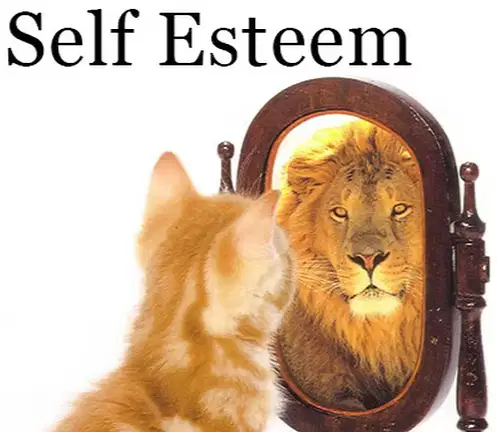
Building self-esteem by spending time doing activities you enjoy and that you’re good at can help to reduce the impact of…..
A. internal pressures.
B. external pressures.
C. social media.
D. the Internet.
A good partner in a healthy relationship can…
A. see different perspectives.
B. problem-solve.
C. communicate honestly.
D. all of the above.

To successfully reframe a problem, you must first…
A. brainstorm objectively.
B. let go of negative assumptions.
C. understand the problem.
D. none of the above.
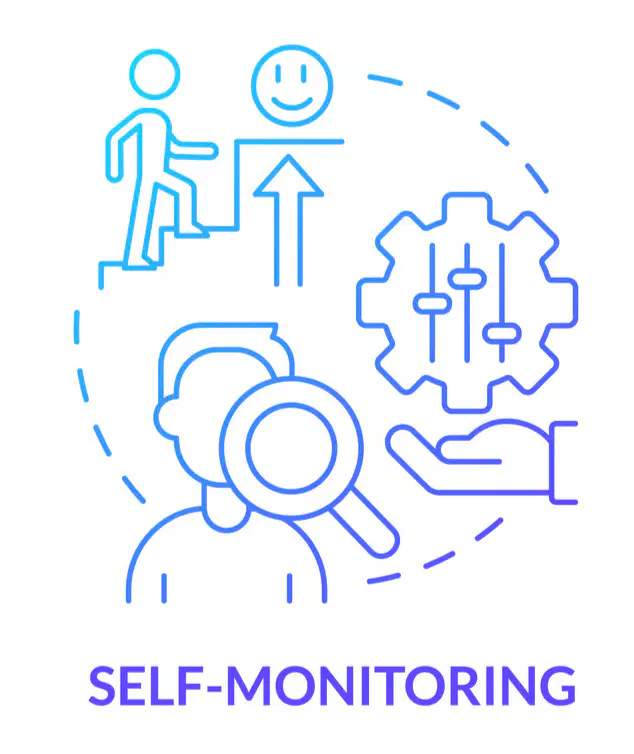
True or False: Self-monitoring is when we passively analyze our actions and surroundings and modify our behavior for the current environment and situation.
TRUE
FALSE
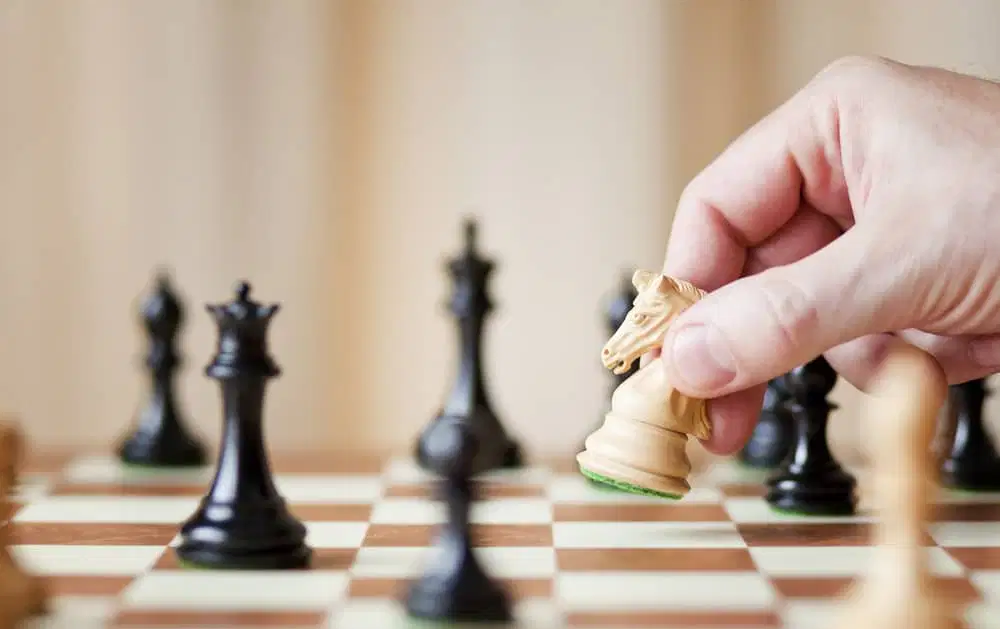
Good decisions are…
A. rooted in core values, impactful, and informed.
B. rooted in memories, impactful, and informed.
C. rooted in core values, emotional, and important.
D. rooted in happiness, knowledgeable, and important.

Which of the following is not a strategy used to help reduce feelings of anxiety?
A. Take time to organize your thoughts
B. Identify times when we feel anxious and use calming techniques to manage symptoms
C. Talks to a trusted friend or adult
D. avoid asking for help

Fill in the blank: Extrinsic motivation involves doing something because you want to earn an
_______ reward or avoid _________ consequences.
A. internal; positive
B. external; negative
C. internal; negative
D. external; positive
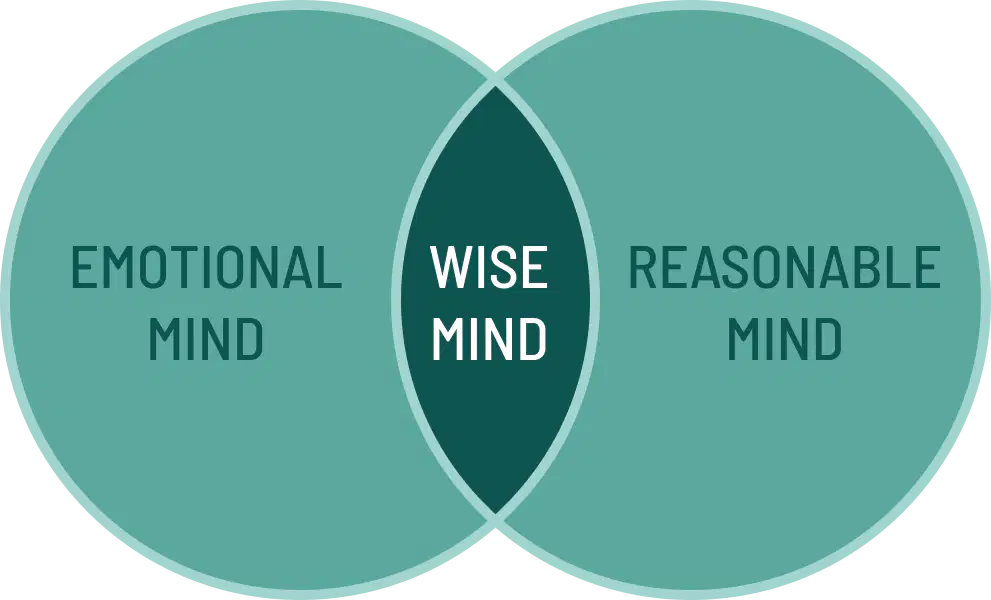
A cool, rational, task-focused mind is called a...
A. wise mind
B. emotion mind
C. reasonable mind
D. dialectical mind
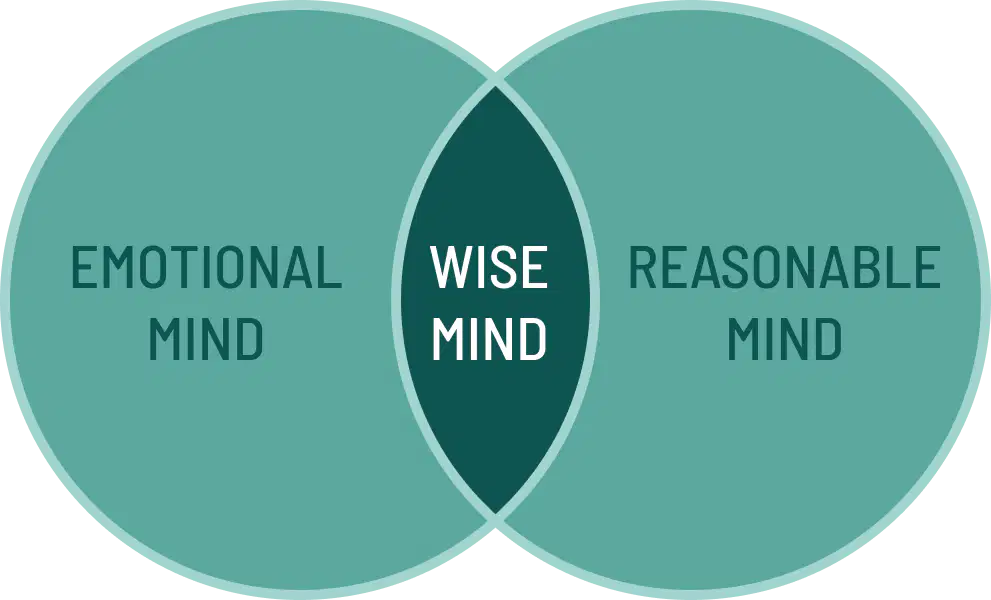
A mind ruled by mood, feelings, and urges is called the...
A. wise mind
B. emotion mind
C. reasonable mind
D. Dialectical mind
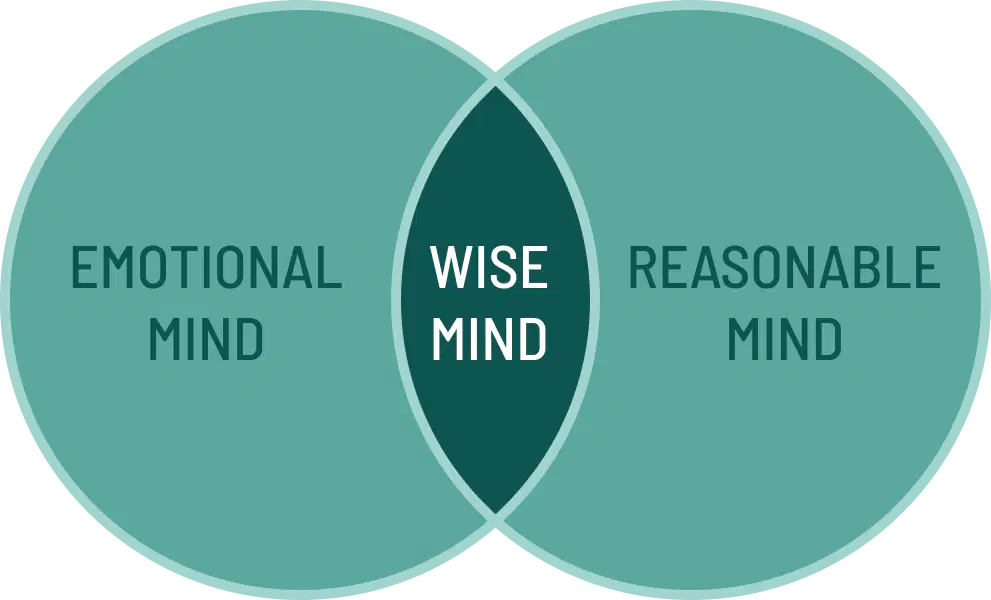
Bringing the left and right brain together to see the value of both emotion and reason is called having the...
A. wise mind
B. emotion mind
C. reasonable mind
D. dialectical mind
The G.I.V.E. skill includes being...
A. Generous, Interested, Vulnerable, and Encouraging.
B. Gentle, Interested, Vulnerable, and Encouraging.
C. Generous, Intuitive, Validating, and Easy mannered.
D. Gentle, Interested, Validating, and Easy mannered.

To form a healthy relationship, it is important to take time to develop...
A. trust.
B. communication.
C. encouragement.
D. boundaries.
To form a healthy relationship, we must _____ our thoughts and emotions.
A. separate
B. alleviate
C. minimize
D. communicate
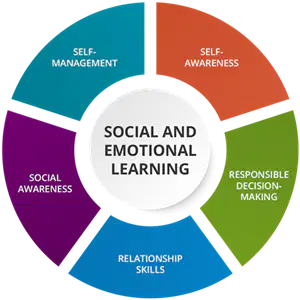
The 5 goals of social and emotional learning are...
A. to grow in self-awareness, self-management, social awareness, relationship skills, and responsible decision-making.
B. to grow in self-awareness, motivation, social awareness, relationship skills, and responsible decision-making.
C. to learn how to be more confident, in control, socially aware, relationally inept, and make prosocial choices.
D. to learn how to be more self-conscious, manage the self, socially aware, relationally inept, and make prosocial choices.

Showing understanding and empathy for others is...
A. self-awareness.
B. self-management.
C. social awareness.
D. relationship skills.

Recognizing one's emotions and values, as well as one's strengths and challenges is...
A. self-awareness.
B. self-management.
C. social awareness.
D. responsible decision-making.

Managing emotions and behaviors to achieve one's goals is...
A. self-awareness.
B. self-management.
C. social awareness.
D. responsible decision-making.
Forming positive relationships, working in teams, and dealing effectively with conflict is known as...
A. self-management.
B. social awareness.
C. relationship skills.
D. responsible decision-making.
Making ethical, constructive choices about personal and social behavior is called...
A. self-awareness.
B. self-management.
C. social awareness.
D. responsible decision-making.
Which SEL skill do you feel you've grown the MOST in this year?

A. SELF-AWARENESS
B. SELF-MANAGEMENT
C. SOCIAL AWARENESS
D. RELATIONSHIP SKILLS
E. RESPONSIBLE DECISION-MAKING
Which SEL skill do you hope to learn more about and grow in next year?
A. SELF-AWARENESS
B. SELF-MANAGEMENT
C. SOCIAL AWARENESS
D. RELATIONSHIP SKILLS
E. RESPONSIBLE DECISION-MAKING
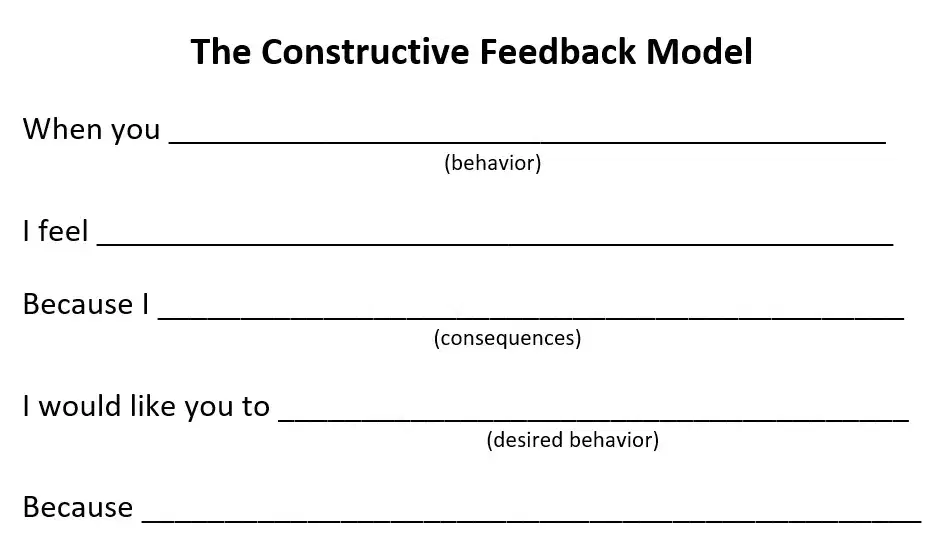
Provide constructive feedback about the SEL lessons you've experienced in this course
-or- about your overall experience being in the Compass Program this school year.

