
 Worksheets
Digestive System
Total questions: 62
Worksheet time: 31mins
Which of the following is NOT a component that lipids are broken down into?
Glycerol
Fatty acids
Simple lipids
Amino acids
What is one of the main uses of lipids in the body?
Building DNA
Processing sugars into energy
Transporting oxygen
Breaking down proteins
Lipids are important for forming which of the following structures in the body?
Bones and muscles
Membranes and hormones
Enzymes and antibodies
Blood cells and plasma
Which type of biomolecule is broken down into sugars?
Proteins
Lipids
Carbohydrates
Nucleic acids

What is the primary use of sugars in the body?
Building muscle
Making energy
Storing genetic information
Forming cell membranes
What are proteins broken down into?
Fatty acids
Nucleotides
Amino acids
Monosaccharides
Which biomolecule is used for making DNA?
Proteins
Carbohydrates
Lipids
Vitamins
Explain why amino acids are important for the structure and function of proteins in the human body.
They provide energy for the body.
They are the building blocks that determine the structure and function of proteins.
They store genetic information.
They help in the absorption of water.

What is the primary function of the teeth during mechanical digestion in the mouth?
To break food down into smaller pieces
To absorb nutrients from food
To produce saliva
To move food to the stomach

Why is increasing the surface area of food important during digestion?
It allows digestive enzymes to act more efficiently, speeding up digestion
It makes the food taste better
It prevents food from spoiling
It helps food move faster through the esophagus
Which enzyme in the saliva is responsible for breaking down carbohydrates in the mouth during chemical digestion?
Amylase
Lipase
Pepsin
Lactase
What is the typical pH range maintained in the mouth during chemical digestion?
2.0 to 3.0
4.5 to 5.5
6.5 to 7.5
8.5 to 9.5
What is the main function of mucous in the mouth?
It helps hold food together and makes it slimy so it slides through the system easier.
It breaks down food into smaller pieces.
It absorbs nutrients from food.
It produces saliva for taste.
Which of the following best describes the role of mucous in the mouth?
It acts as a lubricant to help food move smoothly through the digestive tract.
It digests proteins in the mouth.
It neutralizes stomach acid.
It absorbs water from food.
What is the main function of the esophagus?
To transport food from the mouth to the stomach
To absorb nutrients from food
To produce digestive enzymes
To filter toxins from the blood
Which structure covers the trachea when you swallow?
Epiglottis
Esophagus
Stomach
Larynx
What type of tube is the esophagus described as?
Muscular
Rigid
Cartilaginous
Elastic
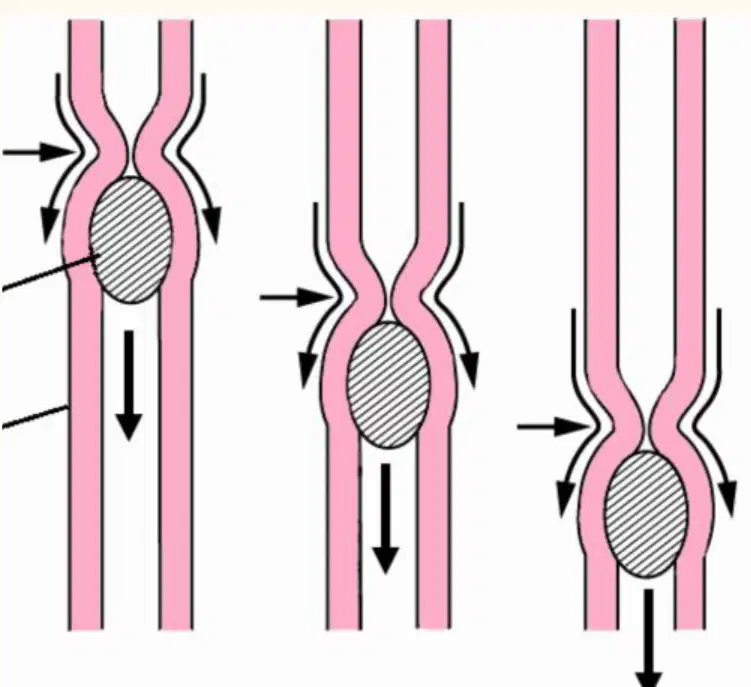
What is the name of the rhythmic contractions that push food down the esophagus to the stomach?
Peristalsis
Digestion
Respiration
Filtration

What is the main function of the stomach during mechanical breakdown?
To absorb nutrients directly into the bloodstream
To chemically digest proteins
To churn and break down large pieces of food
To produce insulin
Which of the following substances is secreted by the stomach to aid in the chemical breakdown of food?
Pepsinogen
Amylase
Bile
Insulin
What is the function of hydrochloric acid (HCl) in the stomach?
It neutralizes stomach acid
It activates pepsinogen to become pepsin
It digests carbohydrates
It absorbs nutrients
At what pH is the stomach environment maintained during chemical breakdown?
7.0
5.5
2.0
9.0
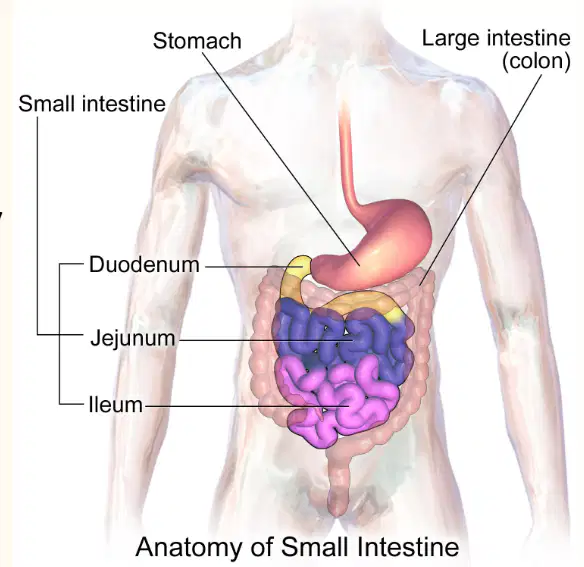
Which segment of the small intestine is the duodenum?
The first short segment
The last segment
The middle segment
The longest segment
At the point when food reaches the duodenum, which types of molecules have been partially broken down?
Carbohydrates and proteins
Lipids and proteins
Only lipids
Only carbohydrates
Which type of digestion has NOT started yet when food enters the duodenum?
Protein digestion
Carbohydrate digestion
Lipid digestion
Nucleic acid digestion
Which organs secrete substances into the duodenum to aid digestion?
Pancreas, liver, and gall bladder
Stomach, pancreas, and kidney
Liver, stomach, and spleen
Gall bladder, kidney, and pancreas
Explain why lipid digestion has not started by the time food reaches the duodenum, and describe the role of the organs that secrete into the duodenum.
Lipid digestion requires secretions from the pancreas, liver, and gall bladder, which are released into the duodenum to begin the process.
Lipid digestion starts in the stomach, and the duodenum only finishes it.
Lipid digestion is completed in the large intestine, not the duodenum.
Lipid digestion does not require any secretions from other organs.
Which of the following is a function of the pancreas?
Regulating blood sugar levels
Producing bile
Absorbing nutrients
Filtering blood
Why might it be important for the pancreas to regulate blood sugar levels?
To ensure the body has enough energy and prevent diseases like diabetes
To help the body absorb vitamins
To increase the production of red blood cells
To filter toxins from the blood
What is the role of lipases secreted by the pancreas?
Break down proteins
Break down carbohydrates
Attack lipids (fats)
Neutralize acids
Explain why it is important for the pancreas to neutralize acidic chyme before enzymes act on it.
Enzymes work best in acidic conditions
Enzymes are destroyed by neutral conditions
Enzymes require a neutral to slightly basic pH to function properly
Enzymes only work in the stomach
A patient has a deficiency in pancreatic amylase. Predict which type of nutrient digestion would be most affected and explain why.
Protein digestion, because amylase breaks down proteins
Carbohydrate digestion, because amylase breaks down carbohydrates
Fat digestion, because amylase breaks down fats
Vitamin absorption, because amylase breaks down vitamins
What substance is produced by the liver and stored in the gallbladder?
Bile
Insulin
Saliva
Gastric juice
Where is bile stored before it is added to the small intestine?
Pancreas
Gallbladder
Stomach
Large intestine
Through which tube is bile added to the small intestine?
Esophagus
Bile duct
Ureter
Trachea
In which part of the small intestine is bile added?
Jejunum
Ileum
Duodenum
Colon
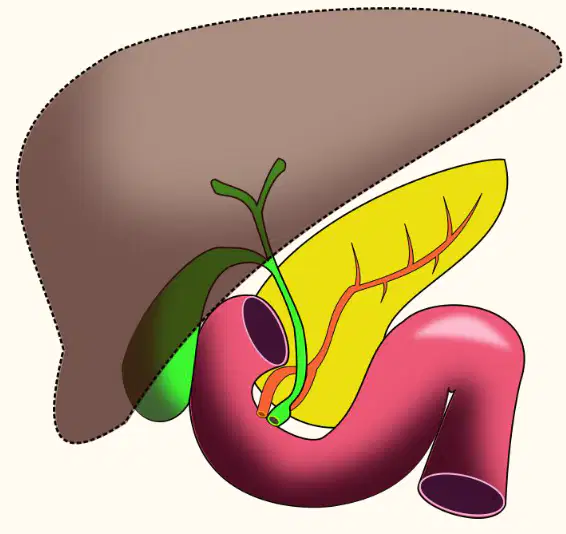
Explain the pathway of bile from its production to its addition to the small intestine.
Bile is produced in the liver, stored in the gallbladder, and added to the duodenum through the bile duct.
Bile is produced in the pancreas, stored in the stomach, and added to the colon through the ureter.
Bile is produced in the gallbladder, stored in the liver, and added to the jejunum through the esophagus.
Bile is produced in the stomach, stored in the pancreas, and added to the ileum through the trachea.
What are the main components of bile?
Bile salts, water, other salts, and cholesterol
Proteins, carbohydrates, and vitamins
Enzymes, glucose, and amino acids
Water, glucose, and fatty acids
What is the primary function of bile in fat digestion?
It digests fats completely
It breaks fats into small droplets (emulsifies them)
It absorbs fats directly into the bloodstream
It converts fats into proteins
Which organ detoxifies the blood that comes from the digestive system?
Heart
Kidney
Liver
Lungs
Why is it important for the liver to detoxify blood from the digestive system?
To help with breathing
To keep toxins from circulating to the rest of the body
To produce hormones
To digest proteins
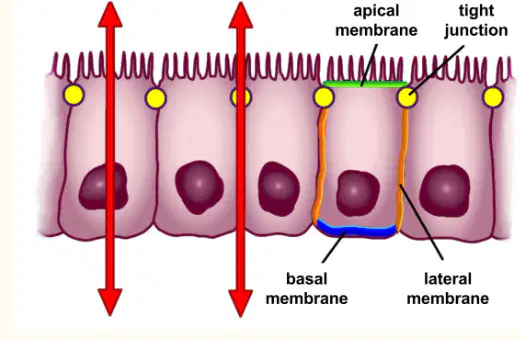
Which of the following best describes the location of the enzymes in the lining of the small intestine?
They are floating freely in the chyme.
They are imbedded in the cell walls.
They are only found in the bloodstream.
They are secreted into the stomach.
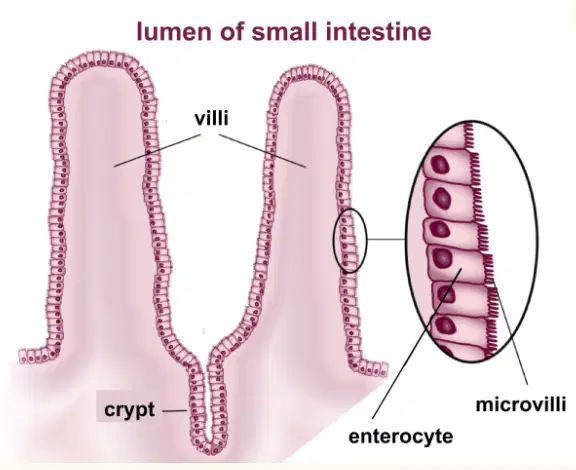
What are the finger-like projections on the lining of the small intestine called?
Villi
Cilia
Alveoli
Papillae
What is the main function of the villi and microvilli in the small intestine?
To increase the surface area for absorption
To produce digestive enzymes
To secrete hormones
To move food along the intestine
Which structure is smaller and found on the villi in the small intestine?
Microvilli
Crypts
Alveoli
Papillae
Which of the following are absorbed into villus capillaries in the small intestine?
Nutrients, vitamins, and minerals
Glycerol and fats
Water and fiber
Proteins and bile salts
What is the primary function of the large intestine?
Absorption of nutrients
Water reabsorption and formation of semi-solid feces
Protein digestion
Production of digestive enzymes
Which of the following is NOT a component of feces formed in the large intestine?
Indigestible wastes
Bacteria
Absorbed nutrients
Leftover nutrients
Why does the large intestine not absorb nutrients?
Because it lacks blood vessels
Because almost all nutrient absorption happens in the small intestine
Because it only digests proteins
Because it is too short

Which of the following vitamins is synthesized by bacteria in the large intestine?
Vitamin B12
Vitamin C
Vitamin D
Vitamin A
What is the primary function of the large intestine as described in the material?
Absorbing nutrients and water
Producing digestive enzymes
Breaking down proteins
Filtering blood
Which of the following is NOT mentioned as a vitamin synthesized by bacteria in the large intestine?
Thiamin
Riboflavin
Vitamin K
Vitamin E
Explain how the bacteria in the large intestine contribute to human nutrition.
They synthesize certain vitamins that are then absorbed by the large intestine.
They break down all carbohydrates into glucose.
They produce bile for fat digestion.
They filter toxins from the blood.
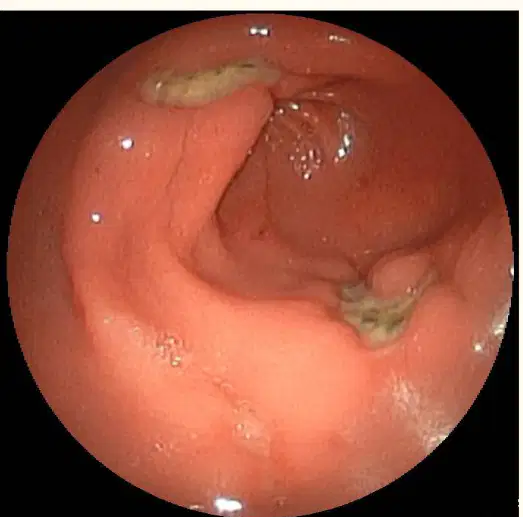
What is another name for gastrointestinal ulcers?
Peptic ulcers
Gastric reflux
Colon polyps
Gallstones
What are gastrointestinal ulcers?
Sores in the mucous lining of the GI tract
Tumors in the liver
Infections in the lungs
Blockages in the arteries
Which of the following is now known to be the main cause of gastrointestinal ulcers?
Stress
Spicy food
Bacterial infections
Lack of exercise
Previously, what factors were incorrectly believed to cause gastrointestinal ulcers?
Stress and spicy food
Viral infections and cold drinks
High sugar intake and lack of sleep
Excessive exercise and dehydration
Explain how the understanding of the cause of gastrointestinal ulcers has changed over time.
It was once thought that stress and spicy food caused ulcers, but now it is known that bacterial infections are the main cause.
It was always known that ulcers are caused by viruses.
The cause has never been in question; it is due to genetic factors.
The cause is still unknown.
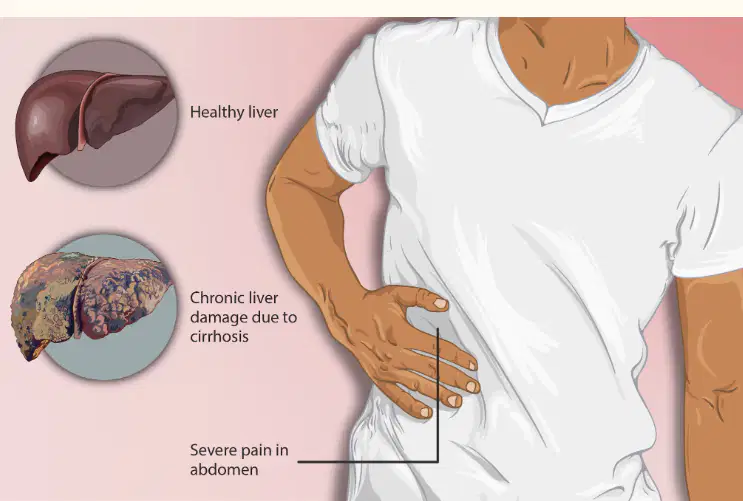
What organ is primarily affected by cirrhosis?
Heart
Kidney
Liver
Lungs
Which of the following is NOT a common cause of cirrhosis?
Poor nutrition (fatty foods)
Excessive alcohol consumption
Regular exercise
Chronic liver damage
Explain how lifestyle choices can contribute to the development of cirrhosis.
Eating fatty foods and drinking excessive alcohol can damage the liver over time, leading to cirrhosis.
Exercising regularly and eating vegetables can cause cirrhosis.
Drinking water and sleeping well can cause cirrhosis.
Taking vitamins and minerals can cause cirrhosis.
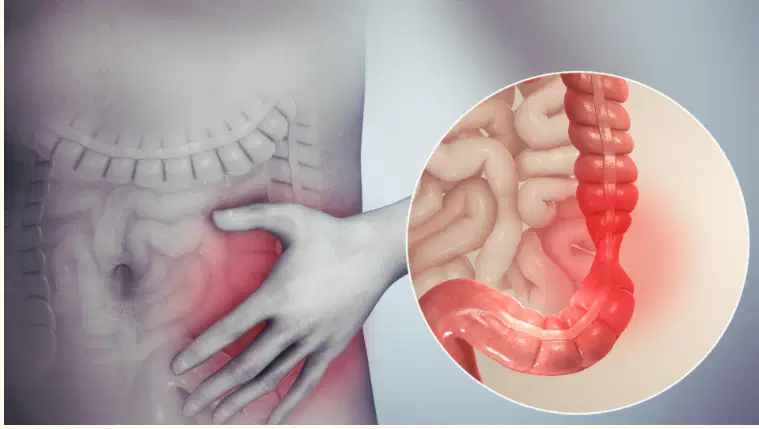
What is Inflammatory Bowel Disease (IBD)?
Any disease that causes inflammation of the bowels
A disease that only affects the stomach
A type of food allergy
A disease that only affects the liver

