
 Worksheets
Anatomy Semester 1 Final Review
Total questions: 67
Worksheet time: 38mins
The standard position of human that facing forward, arms at the side & palms facing forward, is known as ________ position.
physiological
biological
anatomical
chemical
What is anatomy?
The study of how the body works.
The change in position of an organism.
The study of the structure of the body.
The complex material changes into simpler material.
What is physiology?
The study of how the body works
The study of the structure of the body
The process of getting oxygen
The process of making a new organism

What is homeostasis?
The movement of material
An abundant substance in the body
Blood moving under the pressure of the heart
Maintaining a steady state
Sweating when you are hot, or shivering when your cold is an example of:
What is the correct order for the levels of organization in the body?
cell, tissue, organ, organ system, organism
cell, organ, tissue, organ system, organism
organism, organ system, organ, tissue, cell
tissue, cell, organ, organ system, organism

What systems allows the body to move and is made up of muscles?
Digestive
Skeletal
Muscular
Integumentary

What system covers the body and protects other body systems?
Integumentary
Sensory
Skeletal
Cardiovascular

What system directs the activities of other body systems and is made up of the brain and spinal cord?
Nervous
Integumentary
Circulatory
Endocrine
Which system provides shape and support, protects your internal organs, and is made up of bones?
The gluteal region is located on the _____ surface of the body.
Superior
Inferior
Anterior
Posterior
A gunshot wound is found to have injured the left lung. As a surgeon, you know it is located in the _____________ cavity.
thoracic
dorsal
spinal
abdominal

What type of plane is shown in this image?
midsagittal/sagittal plane
frontal plane
transverse plane
The face is on the _______ side of the body.
Posterior
Anterior
Medial
Lateral


The cavity surrounded by a box is?
Abdominal Cavity
Pelvic Cavity
Pleural Cavity
Cranial Cavity

Which cavity is this?
Cranial Cavity
Pleural Cavity
Pericardial Cavity
Vertebral Canal

Single layer of flattened cells with disc-shaped central nuclei; the simplest of the epithelium.
simple cuboidal
simple squamous
simple columnar
stratified squamous
Which type of tissue is considered a connective tissue?


Which of the following tissues sends and receives impulses throughout the body?


A group of cells that work together to perform a similar is referred to as a:
organ
tissue
organ system
organism


To what structure is #3 pointing?
Sweat gland
Which type of gland produces substances to waterproof the skin and keep the hair soft?
sebaceous
apocrine
ceruminous
eccrine

This waterproofing protein fills the cells in the upper layers of the epidermis.
Keratin
Melatonin
Melanin
Actin
Which of the following is not a function of the skin?
regulates body temperature
stores water and fat
prevents entry of bacteria
supports body movement
Structure in the dermis of the skin from which a strand of hair grows.
Follicle
dermis
vitamin D
melanin
Which structure produces goose bumps to generate heat?
sebaceous gland
sweat gland
arrestor pili muscle
touch receptor
Which layer of the skin contains collagen and elastic fibers; gives skin its durability?
epidermis
dermis
hypodermis

Which layer of the skin is composed of Stratified squamous epithelial tissue?
epidermis
dermis
hypodermis
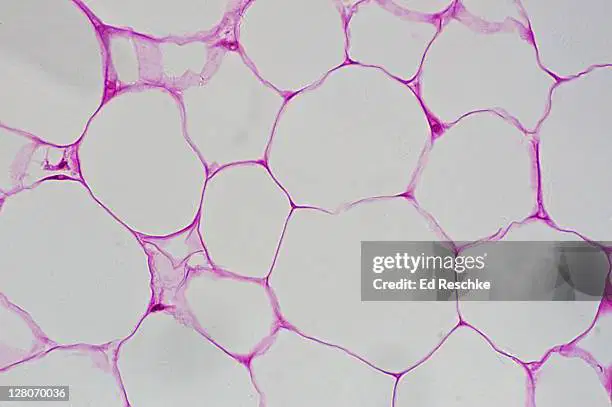
Which layer of the skin is composed of adipose tissue?
epidermis
dermis
hypodermis

List the layers of the Epidermis in order from top to bottom.
5,2,3,4,1
1,2,3,4,5
4,5,3,1,2
1,4,3,2,5
How do first-degree burns differ from second-degree burns?
First-degree burns only affect the epidermis; second-degree burns can extend into the dermis
First degree-burns are painless; second-degree burns hurt a lot
First degree-burns can extend into the dermis; second-degree burns only affect the epidermis
First degree-burns hurt a lot; second-degree burns are painless
Why can you often not feel third-degree burns?
Because they damage the nerve ending in your skin
Because they aren't very damaging
Because they cause scabs to form
Because they only affect the inner part of your skin
What type of skin cancer is the following:
- pearly or waxy bump
- flat, flesh-colored or brown scar-like lesion
Squamous cell carcinoma
Sebaceous gland carcinoma
Basal cell carcinoma
Kaposi sarcomi
Melanoma
The type of burn caused by wind, brief exposure to steam, and light sunburn is ______________.
First-degree burn
Second-degree burn
Third-degree burn
The most severe burn


What type of bone is the femur?
Long bone
Short bone
Flat bone
Irregular bone

What type of bone is the scapula and sternum?
long bone
short bone
flat bone
sesamoid bone


Red bone marrow produces...
Fat
Energy
Blood Cells
Yellow Bone Marrow stores...
Blood Cells
Fat
Calicum
A condition where your bones can become weak and break easily is called...
Old age
Osteoporosis
Arthritis
Scoliosis
If cartilage remains in this "specific" area, then growth is still occurring; it is located at the end of long bone.
Epipyseal plate
Medulary Cavity
Diaphysis
Endosteum

diaphysis
yellow bone marrow
compact bone
spongy bone

What type of fracture is this that was caused by the foot planting and the rest of the leg twisting?
Greenstick
Spiral
Transverse
Rotational

What type of fracture is this?
Greenstick
Spiral
Partial
Comminuated

what type of fracture is this?
greenstick
closed
Compound
a bad one
Structure F is
medullary cavity
yellow bone marrow
compact bone
spongy bone
Structure A is referred to as the _____.
medullary cavity
epiphysis
diaphysis
periosteum
Structure G is referred to as the _____.
periosteum
compact bone
red bone marrow
yellow bone marrow
When diagnosing melanoma, which of the following does C stand for in ABCD?
color change
cyanosis
cold to the touch
carotene present
You have arrived on scene to find a 12-year-old girl who has been burnt by chicken noodle soup from the stove. She has blisters and redness on her chest. How would you classify this burn?
It is a first-degree burn.
It is a second degree burn
It is a third degree burn
It is a fourth degree burn
Jared just burned his hand on a hot pot. A blister forms and the burn is painful. Jared's burn would best be described as
a sunburn
a first degree burn
a second degree burn
a third degree burn
Clara noticed a change in the color and size of a mole on her arm, so she goes to the doctor. What does the doctor diagnose her with?
Basal cell carcinoma
Squamous cell carcinoma
Melanoma
Impetigo

