
 Worksheets
Male Reproductive System - Testicles
Total questions: 100
Worksheet time: 50mins
The testicles are two ______-like glands inside the scrotum that produce sperm and hormones, including testosterone.
ball
bean
coin
cube
What do the testicles produce?
Blood cells
Sperm and hormones
Urine
Sweat
The testicles are also called ______.
testes
ovaries
uterus
prostate
The testicles are sensitive to the touch.
True
False
What is the function of the epididymis in the male reproductive system?
The epididymis is the tube in which sperm mature and are stored after leaving the testes.
The epididymis produces testosterone for the male body.
The epididymis is responsible for the production of seminal fluid.
The epididymis transports urine from the bladder to the outside of the body.
The epididymis leads from each testicle to each vas deferens.
True
False
Where is sperm stored before ejaculation?
In the epididymis
In the urethra
In the prostate gland
In the seminal vesicle
Where is the epididymis located in relation to the testicle?
It is tightly coiled on top of and behind each testicle.
It is located inside the scrotal wall, far from the testicle.
It is found in the abdominal cavity above the bladder.
It is attached to the head of the femur.
A vas deferens is a long, narrow tube that carries ______ from the epididymis to and out the urethra.
sperm
urine
blood
hormones
How many vas deferens are there in the male reproductive system?
One
Two
Three
Four
What is the function of the prostate gland in the male reproductive system?
It produces sperm
It produces a milky alkaline fluid that protects sperm and helps it move through the reproductive tract
It stores urine
It produces testosterone
The prostate gland is about the size of a _________?
walnut or golf ball
apple
grape
lemon
What percentage of seminal fluid is produced by the prostate gland?
5%-10%
20%-30%
50%-60%
70%-80%
What are seminal vesicles?
A) Two small organs that produce seminal fluid
B) Organs that produce urine
C) Organs that store sperm
D) Glands that produce testosterone
Where are the seminal vesicles located?
On either side of the bladder
Inside the kidneys
Below the prostate
In the testes
The seminal vesicles secrete a sugar rich fluid as part of the semen that acts as ______ for the sperm on its journey.
fuel
barrier
lubricant
inhibitor
Where is Cowper's Gland found in the male reproductive system?
Near urethra below the prostate
In the scrotum
On the head of the penis
Inside the seminal vesicle
What does Cowper's Gland secrete prior to ejaculation?
A clear fluid that protects the sperm from acid in the male urethra
A thick, milky fluid that contains enzymes
A hormone that stimulates ovulation
A fluid rich in glucose for energy
What is the function of the clear fluid secreted by Cowper's Gland?
It protects the sperm from acid in the male urethra.
It increases the motility of sperm in the female reproductive tract.
It provides nutrients to the sperm for energy.
It helps in the maturation of sperm in the testes.
The fluid secreted by Cowper's Gland is also known as:
Semen
Urine
Blood
Sweat
Fill in the blank: The opening of the urethra is located at the tip of the _____?
penis
nose
ear
tongue
Where do pre-ejaculate, semen, and urine leave the body from?
Penis
Urethra
Bladder
Testes
Fill in the blank: The penis is a man's _____ and sex organ.
reproductive
digestive
respiratory
circulatory
What does the penis carry out of the body?
Urine, pre-ejaculate, and semen
Blood and oxygen
Sweat and tears
Saliva and mucus
Fill in the blank: The scrotum is a sac of skin divided into two parts, enclosing the internal reproductive organs — the ________.
testicles
kidneys
lungs
ovaries
Fill in the blank: The scrotum keeps the testicles at a slightly lower ________, so sperm can be produced.
temperature
pressure
humidity
density
Fill in the blank: The sphincter valve is a small piece of skin, a muscle that holds back ________ or semen so that both do not come out of the body at the same time.
urine
blood
saliva
sweat
What are sperm cells?
Blood cells
Sex cells produced in the testes and used to fertilize the egg
Muscle cells
Nerve cells
Sperm swim at the rate of ______ per minute or 60-240mm per hour.
1-4mm
10-20mm
5-8mm
20-30mm
How many sperm are produced each minute in mature men?
500
5,000
50,000
500,000
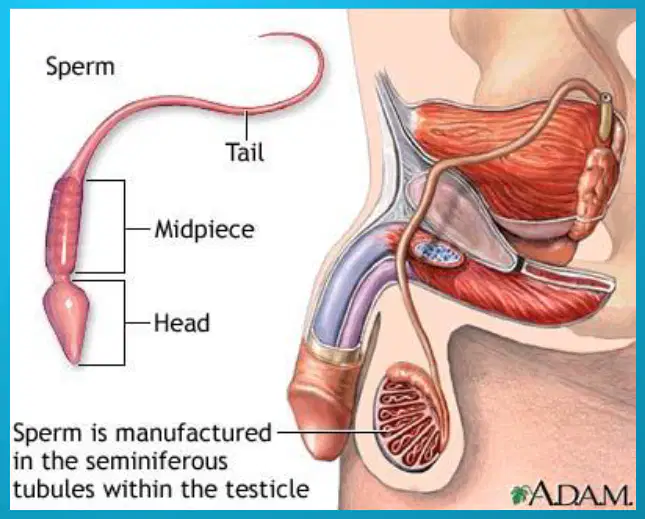
Label the parts of the sperm shown in the diagram:
Tail, Midpiece, Head
Head, Tail, Midpiece
Midpiece, Head, Tail
Head, Midpiece, Tail
What is the first step in the path of the male reproductive system?
Erection
Ejaculation
Fertilization
Ovulation
What is the second step in the path of the male reproductive system?
Testes
Seminal vesicle
Prostate gland
Urethra
What is the third step in the path of the male reproductive system?
Epididymis
Seminiferous tubules
Vas deferens
Urethra
What is the fourth step in the path of the male reproductive system?
Vas Deferens
Seminiferous Tubules
Epididymis
Urethra
What is the fifth step in the path of the male reproductive system?
Seminal Vesicle
Epididymis
Prostate Gland
Urethra
What is the sixth step in the path of the male reproductive system?
Prostate Gland
Seminiferous Tubules
Epididymis
Urethra
What is the seventh step in the path of the male reproductive system?
Cowper’s Gland
Seminiferous Tubules
Epididymis
Vas Deferens
What is the eighth step in the path of the male reproductive system?
Urethra
Epididymis
Vas deferens
Seminal vesicle
What is the ninth and final step in the path of the male reproductive system?
Ejaculation
Spermatogenesis
Seminiferous tubules
Vas deferens
Fill in the blank: During arousal/erection, blood rushes to the ______ tissue and causes the penis to stand up.
erectile
muscular
connective
nervous
Fill in the blank: Sperm are produced in the ______ (continuous).
TESTES
OVARIES
URETHRA
VAS DEFERENS
Fill in the blank: Sperm move to the ______ to mature.
EPIDIDYMIS
VAS DEFERENS
SEMINIFEROUS TUBULES
URETHRA
Fill in the blank: Sperm move to the ______ to begin traveling through the male body (the sperm highway).
VAS DEFERENS
URETHRA
SEMINAL VESICLE
EPIDIDYMIS
Fill in the blank: ______ adds a nutrient-rich fluid, high in fructose to the sperm making a mixture called semen.
SEMINAL VESICLE
PROSTATE GLAND
VAS DEFERENS
EPIDIDYMIS
Fill in the blank: The ________ gland contributes more fluid to the semen to protect it from female acids.
prostate
thyroid
pituitary
adrenal
Fill in the blank: The Cowper’s gland secretes a basic fluid that neutralizes the acidic ________ before semen arrives.
urethra
stomach
esophagus
rectum
Fill in the blank: The semen enters the ________ and moves to the tip.
urethra
esophagus
trachea
rectum
Fill in the blank: Ejaculation is when semen ejects from the ________.
penis
ear
nose
mouth

What is the anatomical name of the part labeled 1?
Testis
Epididymis
Vas deferens
Seminal vesicle
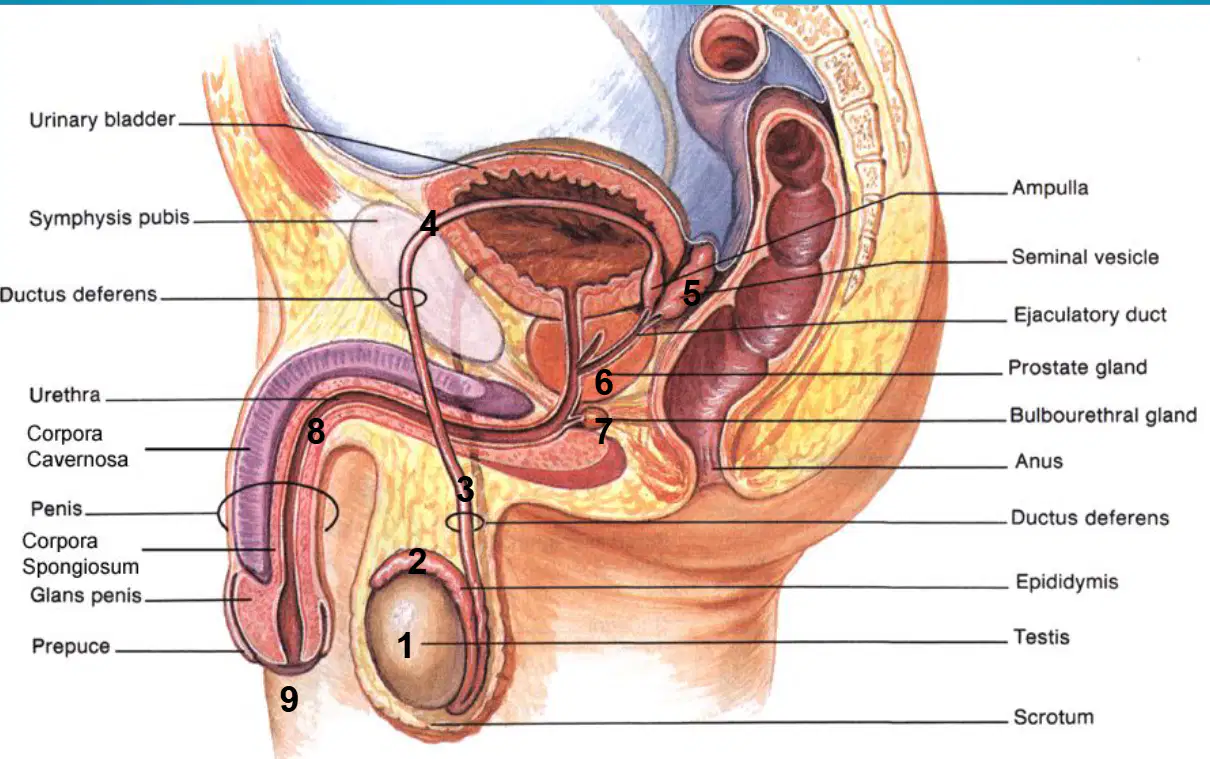
What is the anatomical name of the part labeled 2?
Epididymis
Vas deferens
Seminal vesicle
Prostate gland

What is the anatomical name of the part labeled 3?
Ductus deferens
Seminal vesicle
Epididymis
Prostate gland
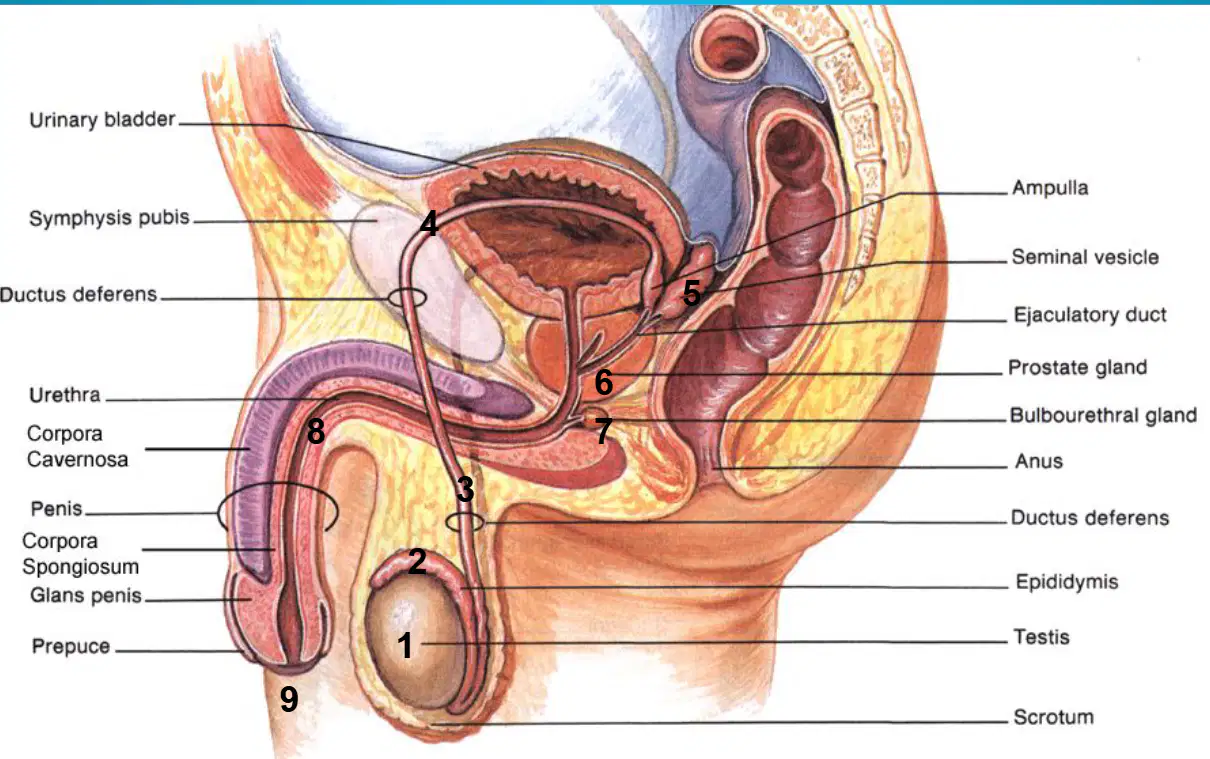
What is the anatomical name of the part labeled 4?
Ampulla
Isthmus
Infundibulum
Fimbriae

What is the anatomical name of the part labeled 5?
Seminal vesicle
Prostate gland
Vas deferens
Epididymis

What is the anatomical name of the part labeled 6?
Prostate gland
Seminal vesicle
Bulbourethral gland
Vas deferens

What is the anatomical name of the part labeled 7?
Bulbourethral gland
Seminal vesicle
Prostate gland
Vas deferens
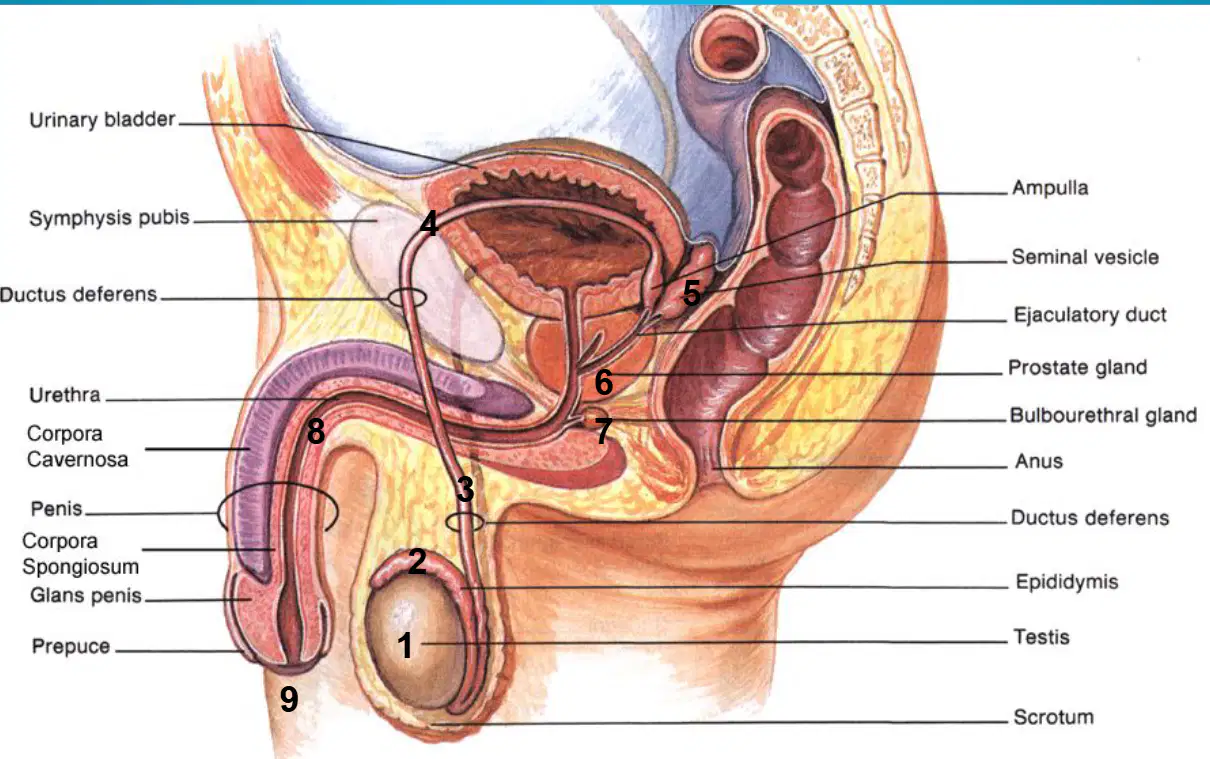
What is the anatomical name of the part labeled 8?
Urethra
Vas deferens
Seminal vesicle
Prostate gland
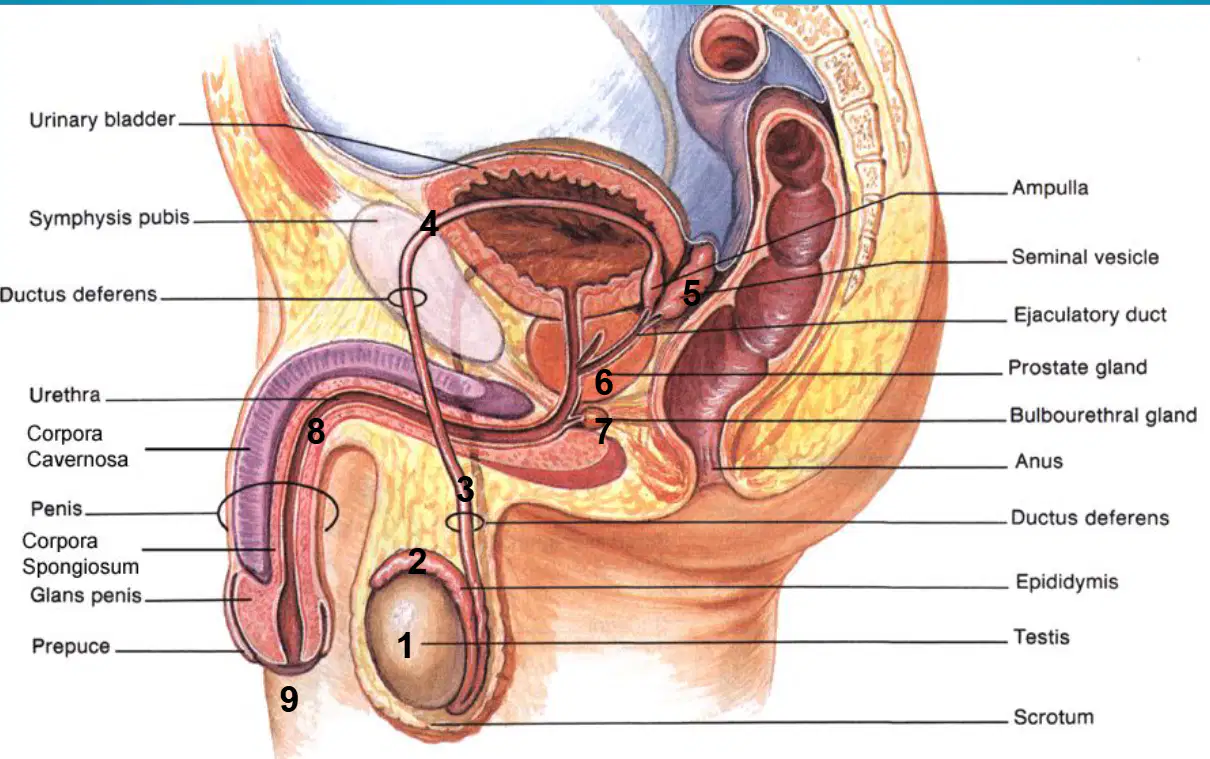
What is the anatomical name of the part labeled 9?
Penis
Urethra
Scrotum
Vas deferens
What is the purpose of a prostate exam? Fill in the blank: A prostate exam is performed to identify any ________ in the prostate.
irregularities
colors
temperatures
sounds
How do exams help in relation to prostate cancer? Fill in the blank: Exams help in early ________ of prostate cancer.
detection
treatment
prevention
complication
Prostate cancer occurs primarily in ________ males and is the ________ most common cancer in males in the U.S.
older, 2nd
younger, 1st
middle-aged, 3rd
elderly, 4th
For every 3 men diagnosed with cancer this year, how many will have prostate cancer? Fill in the blank: For every 3 men diagnosed with cancer this year, ________ will have prostate cancer.
1
2
0
3
A testicular self-exam should be performed by men once per ______ after reaching puberty to detect any lumps, swelling, pain, or discomfort in the scrotum or abdomen.
month
week
year
day
What is the main purpose of a testicular self-exam?
To detect any lumps, swelling, pain, or discomfort in the scrotum or abdomen
To check blood pressure
To measure height
To test vision
What is the name of the part indicated by the line pointing to the organ that produces sperm?
Testis
Ovary
Ureter
Bladder
What is the name of the part indicated by the line pointing to the tube that carries sperm from the testis?
Vas deferens
Ureter
Fallopian tube
Seminal vesicle
What is the name of the part indicated by the line pointing to the sac that holds the testis?
Scrotum
Epididymis
Vas deferens
Seminal vesicle
What is the name of the part indicated by the line pointing to the tube that carries urine and semen out of the body?
Urethra
Vas deferens
Ureter
Seminal vesicle
What is the name of the part indicated by the line pointing to the organ that produces seminal fluid?
Seminal Vesical
Prostate Gland
Vas Deferens
Epididymis
What is the name of the part indicated by the line pointing to the gland that produces fluid that nourishes sperm?
Prostate Gland
Seminal Vesicle
Bulbourethral Gland
Epididymis
What is the name of the part indicated by the line pointing to the external organ used for urination and reproduction?
Penis
Ureter
Bladder
Testis
What is the name of the part indicated by the line pointing to the organ where a baby develops?
Uterus
Ovary
Fallopian tube
Cervix
What is the name of the part indicated by the line pointing to the tube that carries eggs from the ovary to the uterus?
Fallopian Tube
Ureter
Vas Deferens
Large Intestine
What is the name of the part indicated by the line pointing to the organ that produces eggs?
Ovary
Uterus
Fallopian tube
Cervix
What is the name of the part indicated by the line pointing to the lower part of the uterus that opens into the vagina?
Cervix
Fallopian tube
Ovary
Endometrium
What is the name of the part indicated by the line pointing to the canal that leads from the cervix to the outside of the body?
Vagina
Uterus
Fallopian tube
Ovary
Fill in the blank: ______ is the fluid ejaculated from the male.
Semen
Saliva
Urine
Sweat
Fill in the blank: ______ is when the penis becomes engorged with blood and hardens.
Erection
Ejaculation
Ovulation
Menstruation
Fill in the blank: ______ is when semen leaves the penis.
Ejaculation
Ovulation
Menstruation
Fertilization
Fill in the blank: ______ is a piece of skin that partially covers the tip of the penis at birth.
Foreskin
Epidermis
Glans
Urethra
Fill in the blank: ______ is the removal of the foreskin from the tip of the penis.
Circumcision
Vasectomy
Appendectomy
Hysterectomy
At what age does male puberty usually start?
Male puberty usually starts at around age 9-13.
Male puberty usually starts at around age 5-8.
Male puberty usually starts at around age 14-18.
Male puberty usually starts at around age 19-22.
Which of the following is NOT a change that occurs during male puberty?
Increase in growth rate
Enlargement of the genitals
Decrease in height
Appearance of facial hair
Boys usually attain a greater adult height than girls because they begin their final growth spurt earlier than girls.
True
False
List two secondary sexual characteristics that appear in males during puberty.
Enlargement of the genitals and appearance of facial hair.
Decrease in height and loss of muscle mass.
Development of breasts and high-pitched voice.
Reduction in body hair and narrowing of shoulders.
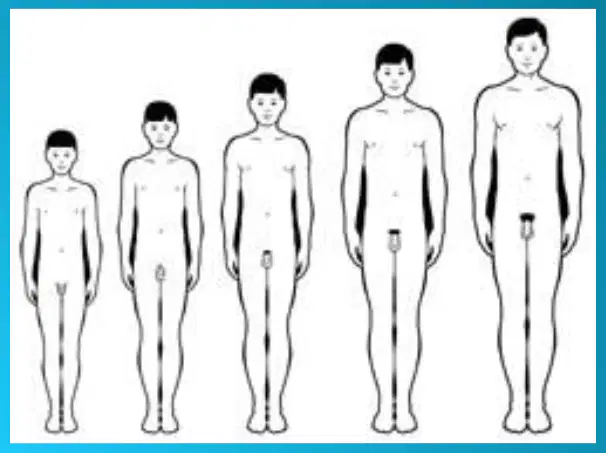
What is the term for the period when changes such as growth spurt, acne, and facial hair appear in males?
Male Puberty
Menopause
Infancy
Adulthood
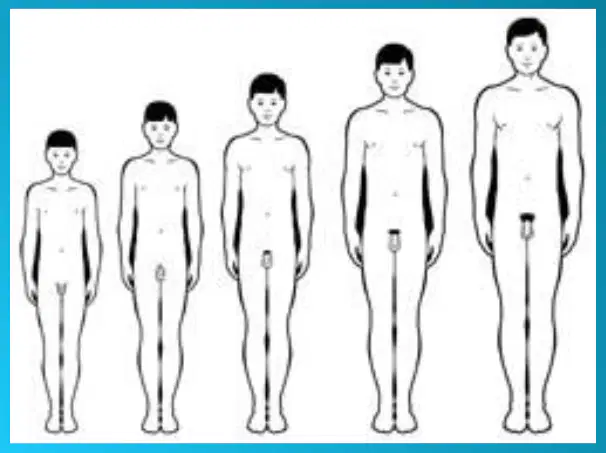
Which of the following is a change that occurs during male puberty?
Growth spurt occurs
Hair turns gray
Height decreases
Wrinkles appear
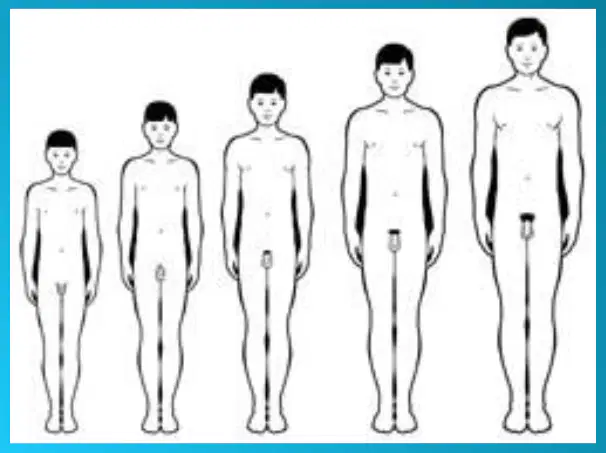
Acne may appear during male puberty.
True
False
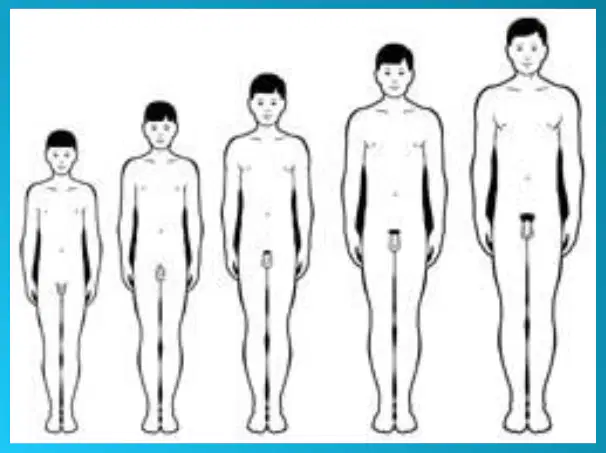
Fill in the blank: During male puberty, the larynx enlarges and the ______ deepens.
voice
skin
hair
nail
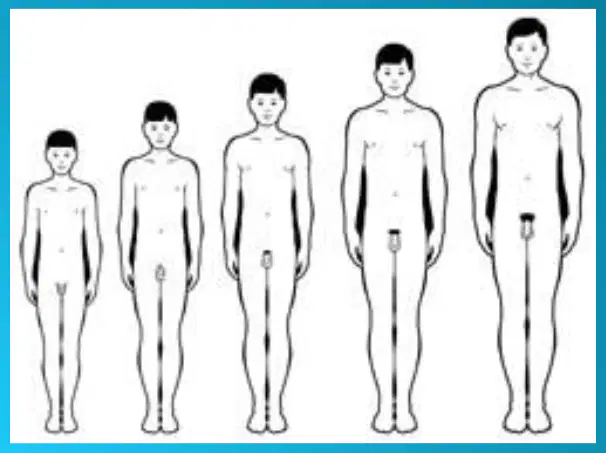
Which of the following is a sign of male puberty?
Facial hair appears
Hair falls out
Skin becomes dry
Eyes change color
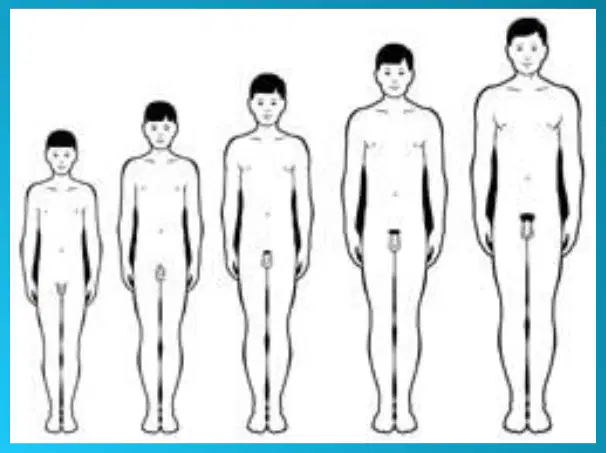
Shoulders broaden during male puberty.
True
False
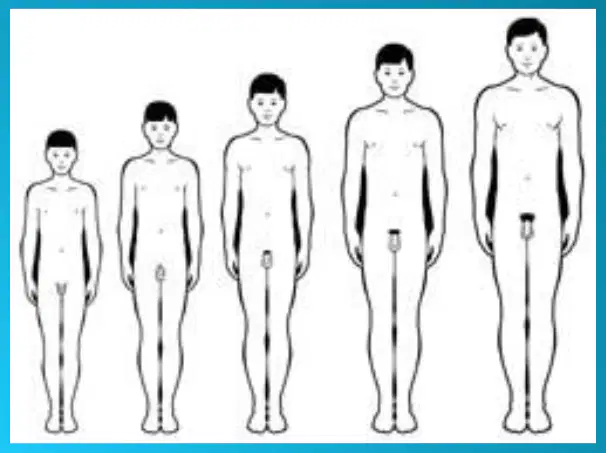
Fill in the blank: Underarm ______ appears during male puberty.
hair
teeth
wings
scales
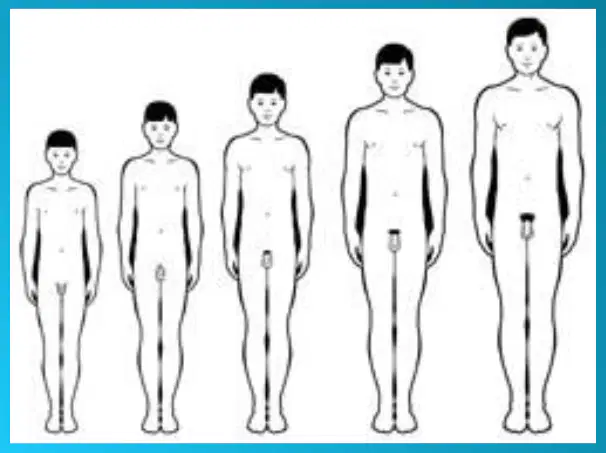
Perspiration increases during male puberty.
True
False
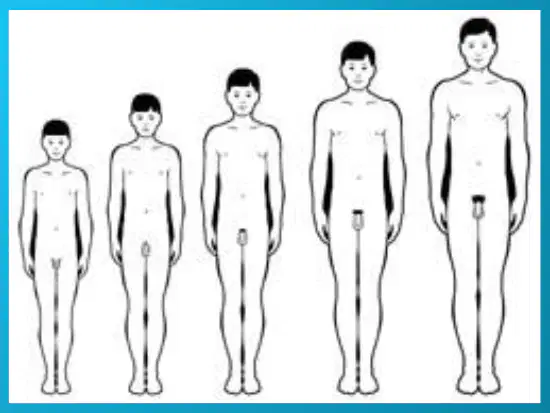
Fill in the blank: During male puberty, some _______ enlargement may occur.
breast
foot
ear
hand
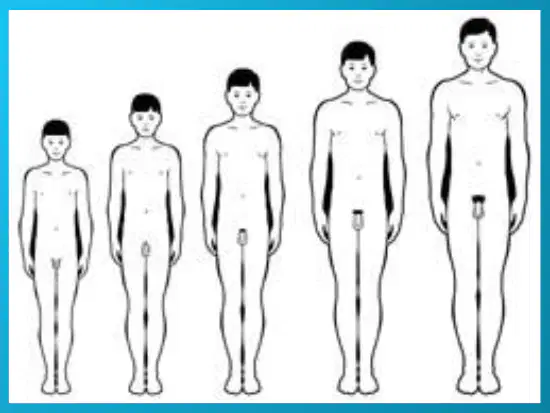
Fill in the blank: During male puberty, _______ develop.
muscles
wings
feathers
scales
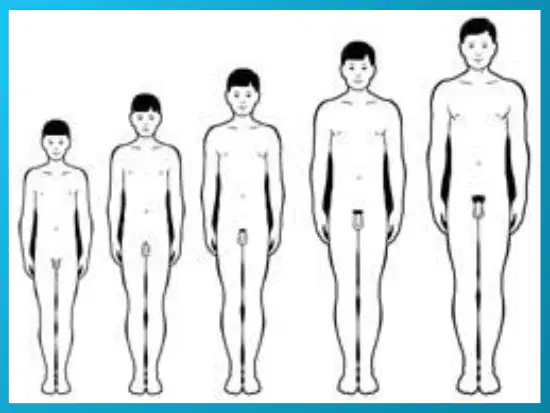
During male puberty, _______ hair appears.
pubic
facial
arm
chest
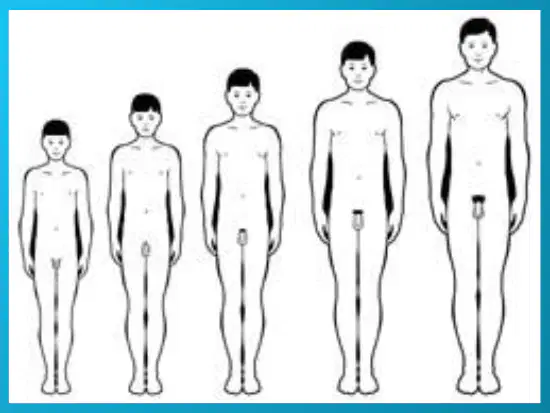
Fill in the blank: During male puberty, external _______ enlarge.
genitals
ears
fingers
eyebrows
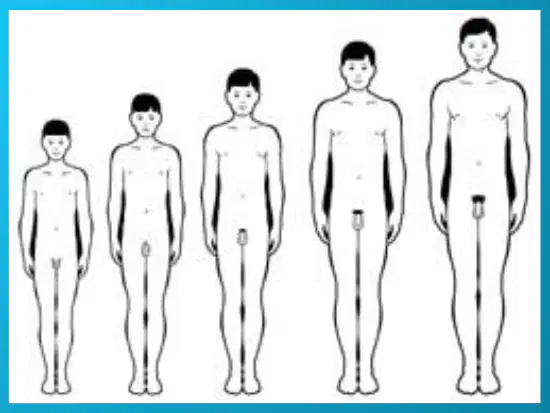
Fill in the blank: During male puberty, _______ production begins.
sperm
egg
milk
insulin
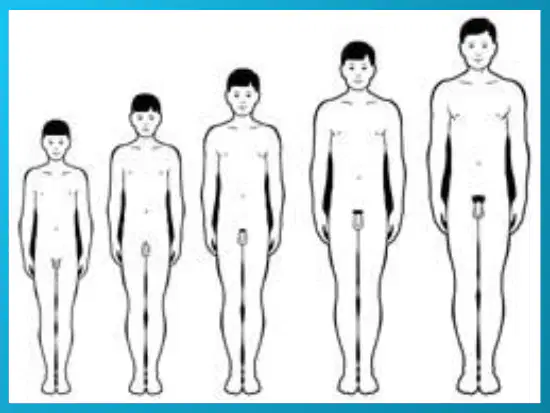
Fill in the blank: During male puberty, first _______ occurs.
ejaculation
voice deepening
facial hair growth
height spurt
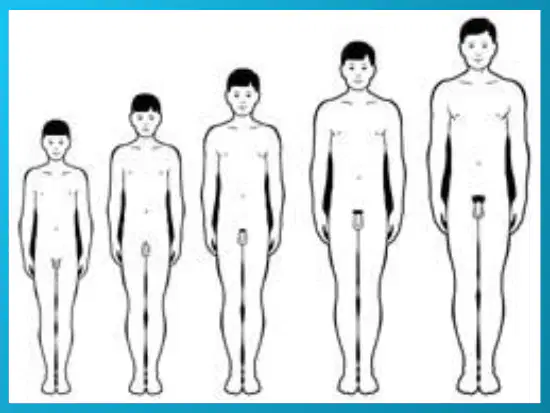
Fill in the blank: During male puberty, long bone _______ stops.
growth
calcification
flexibility
rotation

