
 Worksheets
FINAL EXAM AP&Y
Total questions: 75
Worksheet time: 2hrs 20mins
The branch of science that deals with the function of human body parts is called _________________________.
Anatomy
The branch of science that deals with the structure of human body parts is called __________________________.
Physiology
Which of the following includes all the others?
metabolism
absorption
digestion
respiration
excretion

Arrange the parts of a typical homeostatic mechanism in the correct order, using the diagram provided.
A=Effectors (muscles or glands)
B=control center (set point)
C=receptors
D=response
A=response
B=control center (set point)
C=receptors
D=Effectors (muscles or glands)
A=receptors
B=control center (set point)
C=Effectors (muscles or glands)
D=response
A=control center (set point)
B=receptors
C=Effectors (muscles or glands)
D=response

What is the level labeled F?
cell
tissue
organ
organ system
The biceps are (a) to the triceps. (anterior or posterior)
The knee is _____ to the thigh.
distal
proximal
medial
lateral
The heart is _______ to the breastbone.
lateral
ventral
anterior
posterior


dorsal/posterior
ventral/anterior
thoracic

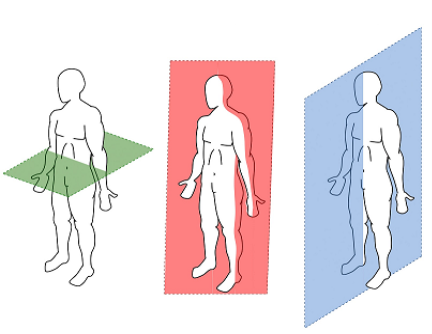
Divides the body into left and right portions.
Frontal/coronal
Transverse/horizontal
Sagittal
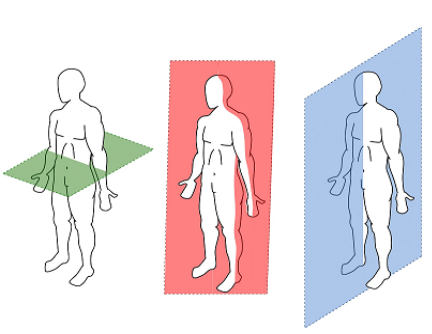
Divides the body into front and back portions.
Sagittal
Frontal/coronal
Transverse/horizontal

Toward a structure's origin or point of attachment to the trunk
Lateral
Proximal
Distal
Medial
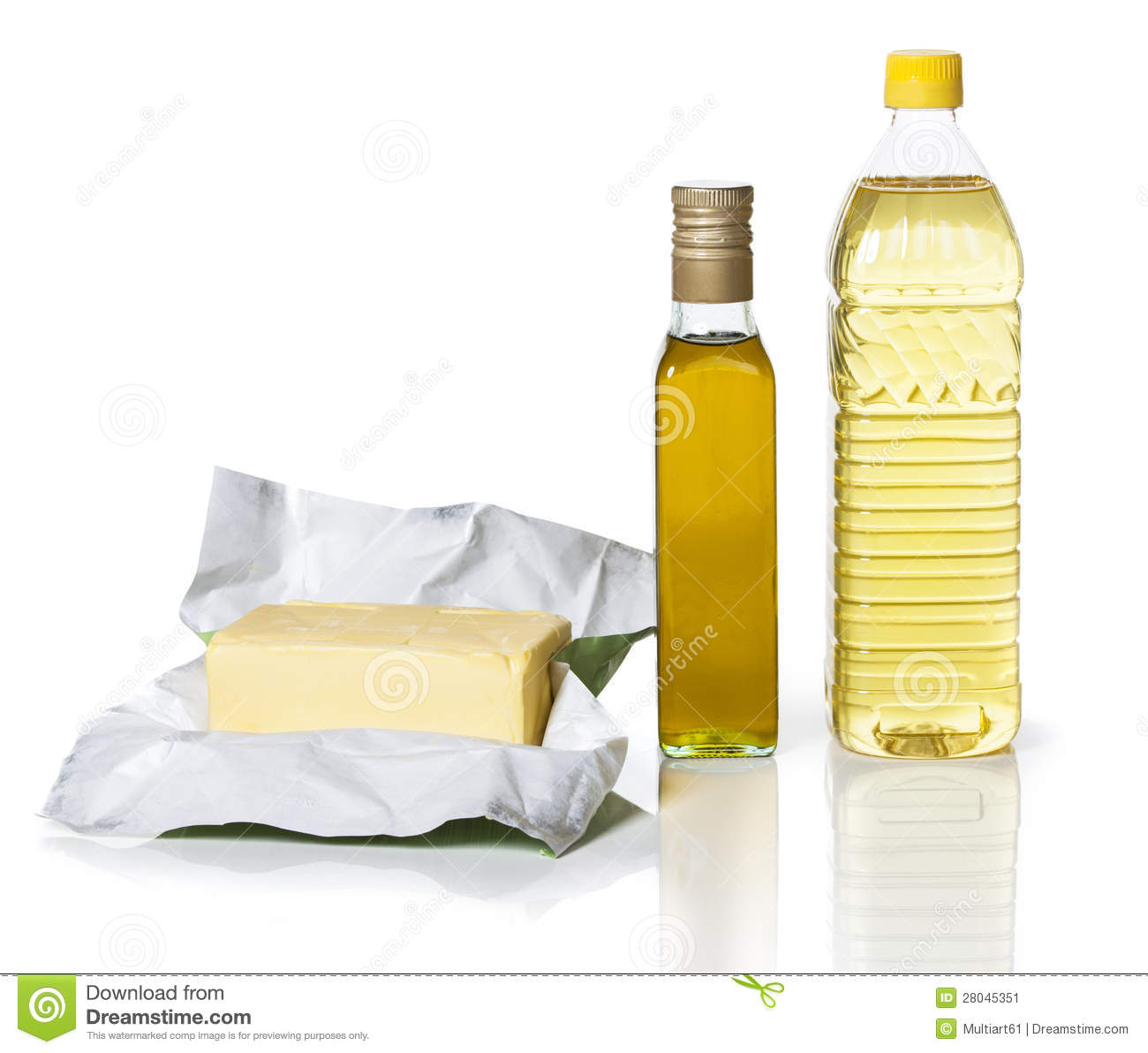
What is the monomer of a carbohydrate?
Monosaccharides
Amino acids
Triglyceride /fatty acids
Nucleotides
Electrolytes are super important in our bodies;
sodium, potassium, magnesium, calcium are examples...
What is the role of the sodium-potassium pump in nerve cells?
To transmit electrical signals
To maintain the concentration gradient of ions
To produce neurotransmitters
To break down waste products
What is HISTOLOGY the study of?
cells
tissues
organ systems
historians
With respect to Epithelial Tissue, what does "SIMPLE" mean?
lacking a nucleus
multiple layers
one layer
appearing layered
Blood is a connective tissue that has important components specialized to transport substances and maintain homeostasis, match the components of blood with the correct function:
RBC-transport oxygen / WBC-fight infection / platelets-clotting / plasma- solvent
RBC- fight infection / WBC- clotting / platelets- solvent / plasma- transport oxygen
RBC- transport oxygen / WBC- fight infection / platelets- solvent / plasma- clotting
RBC- clotting / WBC- fight infection / platelets- transport oxygen / plasma- solvent
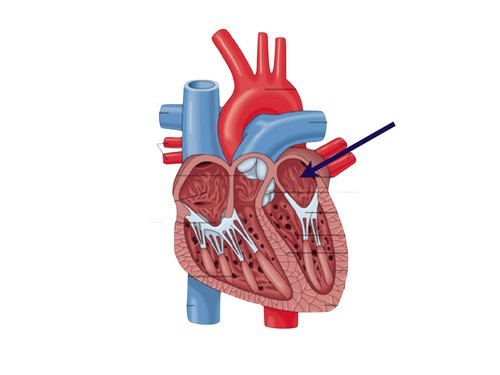
carries deoxygenated blood to the body

Skeletal muscle has an abundance of these for energy production
mitochondria
vacuole
cytoplasm
ribosomes


The vertebra is what type of bone?
Long Bone
Short Bone
Flat Bone
Irregular Bone
Sesamoid Bone
Synovial joints are?
highly moveable
partially moveable
immovable
This division of the nervous system controls the "rest and digest" response
Sympathetic
Parasympathetic

Organelle that links amino acids together to make proteins.
ribosome
endoplasmic reticulum
vacuole
nucleus
Organelle composed of a double membrane that acts as a storehouse of a cell's DNA.
nucleus
cell membrane
rough endoplasmic reticulum
vacuole
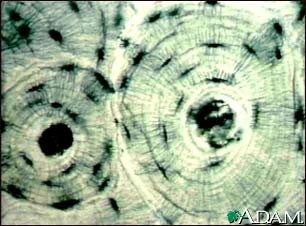

Check the type of bone indicated in the colored portion of the picture:
long
short (including sesamoid)
irregular
flat

Check the type of bone indicated in the colored (and circled) portion of the picture:
long
short (including sesamoid)
irregular
flat

Choose the correct anatomical term for the bone (yellow) indicated in the picture
hip
ilium
iscium
pubis
____________________connects muscle to bone, _____________________ connects bone to bone
tendon, ligament
ligament, tendon
muscle, skin
skin, muscle

What is the point of the sarcoplasmic reticulum? (SR is shown in teal)
store calcium
store Acetylcholine
carry an electrical impulse into the muscle fiber
carry the electrical impulse into the nerve fiber
When we learned about the homeostatic mechanism of BONE, the parathyroid glands were super important to regulating calcium in the blood. If there is not enough calcium in the blood to travel to other areas where it is needed in the body, the osteoclasts will be triggered to break down bone and release the calcium in the blood! Is this important to muscle contraction?? Choose that answer that is most correct.
Well duh, no, bones and muscles are totally unrelated...and we haven't even learned about blood yet.
YES!!! Because the bones need Calcium to be strong! Man, I totally get this stuff!
Well, muscle contraction not only needs a nerve stimulus and ATP, but the cross bridges can't form between actin and myosin if the tropomyosin is not moved off the actin binding sites and calcium makes this conformational change happen by binding to troponin.
-That really long answer is a bunch of crap.
Which layer of connective tissue is the most superficial (as opposed to deep)?
endomysium
perimysium
epimysium
sarcolemma
CARDIAC MUSCLE
*found in heart
*has striations
*involuntary
*has intercalated discs
*attached to bone, dermis,
or aponeurosis/
tendon
*voluntary
*striated
*found in hollow organs such as the bladder, stomach, intestines, blood vessels
*INVOLUNTARY
Sleep, recouperation time, and a well-balanced diet are essential to building muscle, which nutrient specifically provides the building blocks for ACTIN and MYOSIN?
carbohydrates
protein
Fats
Water

This portion of the neuron is where synoptic knobs are located...this is where neurotransmitters are released
H
F
G
A
C
What is the name of structure A?
the terminal branches
dendrites
axon
cell body (soma)
myelin sheath
The 2 MAIN divisions of the nervous system are:
central and peripheral
somatic and autonomic
brain and spinal cord
cranial and peripheral nerves
Which structure is the connection between the CNS and the endocrine system (hormones)?
It also regulates vital functions such as heart rate and BP.
Hypothalamus
Pineal gland
Thalamus
Brainstem
Which part of the brain is mainly responsible for regulating heartbeat and respiration?
(this is formed already when you are born)
pons/medulla oblongata
pituitary gland
cerebellum
cerebrum
What part of the brain plays a role with emotion and survival instincts?
Hippocampus
Amygdala
Cerebrum
Cerebellum
Meditation affects this part of the limbic system which helps us to discern information and know if and how to react by increasing its connection to the cortex and the other parts of the brain:
Hippocampus
Amygdala
Hypothalamus
Cingulate Gyrus
Choose which subdivision of the peripheral nervous system the following is associated with:
VAGAL NERVE STIMULATION
sympathetic NS
parasympathetic NS
Choose the correct function for the following hormone:
INSULIN
stimulates thyroid
stimulates uptake of glucose after a meal
stimulates production of glucose from glycogen between meals
causes "fight, flight, faint" stress response
The endocrine system works with the nervous system to maintain stable internal conditions (balance).
Hormones
Homeostasis
Hypothyroidism
Hidrosis
What nutrients are CHEMICALLY DIGESTED in the small intestine?
proteins
fats
carbohydrates
ALL THREE NUTRIENTS


What is the purpose of the VILLI of the small intestine?
Secrete enzymes to aid in digestion
protect the lining
increase the surface area
mechanical digestion
What is the MICROBIOME?
Symbiotic (they work with us) bacteria inside of the body supportive of the digestion and assimilation of nutrients
Parasitic (they harm us) bacteria that cause diarrhea and GI upset
a tiny place on Fortnite where there are lots of plants
another name for the enteric nervous system
The junction/doorway between the small and large intestine is called the _________________.
ileocecal valve
cardiac sphincter
pyloric sphincter
pulmonary valve

Which system shares the pharynx with the respiratory system?
circulatory
digestive
excretory
skeletal

1. larynx
2. nasal cavity
3. pharynx
4. trachea
Which of the following is the correct order that air would flow during inhalation.
What is the primary function of the cilia in the nostrils?
What is the primary function of nasal conchae (turbinates)?
filtration of debris and pathogens
support mucous membranes and increase surface area
Respiration
Pleura is
a cavity that contains lungs
is found in dorsal cavity
a serous membrane around lungs
is also called peritoneum
TRUE of FALSE:
One of the functions of the respiratory system is regulating blood pH.
TRUE
FALSE
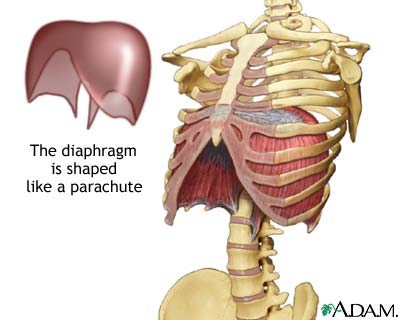
Where is the dome-shaped diaphragm?
above the lungs
below the lungs
The cavity that contains the heart is called...
Pleural
Mediastinum
Pericardial
peritoneal
Which system releases hormones into the bloodstream that travel to target tissues?
endocrine
nervous
digestive
muscular

