
 Worksheets
Year 9 Diseases Revision
Total questions: 46
Worksheet time: 31mins
What are the two parts of the nervous system?
Central nervous system and peripheral nervous system
Peripheral nervous system and Overall nervous system
Central nervous system and West nervous system
The nervous system does not have two parts.


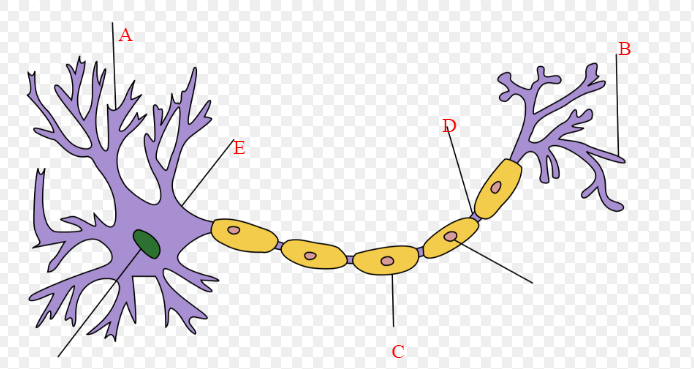
E
Synapse
Cell Body (Soma)
Axon
Dendrite
Type of neuron located only in the brain and spinal cord that pass impulses from one neuron to another.
Motor Neuron
Interneuron
Sensory Neuron
Type of neuron that perceive information about your environment.
Motor Neuron
Interneuron
Sensory Neuron
The environmental change that the body detects is know as the
Stimulus
Response
Impulse
Reaction
What detects stimuli inside and outside our bodies?
Organs
Receptors
Effectors
Neurons
Effectors carry out a ...?
Stimulus
Impulse
Response

This part of the brain helps with balance and coordination by controlling how the the muscles work together.
cerebrum
cerebellum
brain stem

Several important involuntary functions, such as breathing and heartbeat, digestion, and sleep are controlled by the
Hippocampus
cerebellum
brain stem or medulla
Cerebrum

The cerebellum is labeled as #...
1
2
3

The brain stem/medulla is labeled as #...
1
2
3

#1 is pointing to the...
cerebrum
cerebellum
medulla
Which part of the brain controls balance and coordination?
cerebrum
cerebellum
medulla
Pathoges are
disease causing microorganisms
agents that caused diseases
causes of illness
all of these
Different groups of agents that caused diseases are
bacteria
viruses
protozoans
all of these
Agents that cause infectious diseases can be transmitted in many ways like
through the air
through contaminated water
through body fluids
all of the above
The blood cells that fight pathogens.
Leukocytes
Red blood cells
Plasma
Hemoglobin
the body's response to an infection by showing redness, swelling, & pain
immunization
mobilization (stage of infection)
inflammation
Which of the following cells can become "memory" cells?
A cells
B cells
C cells
D cells
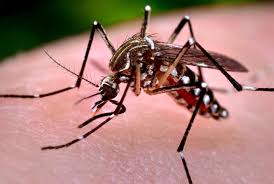
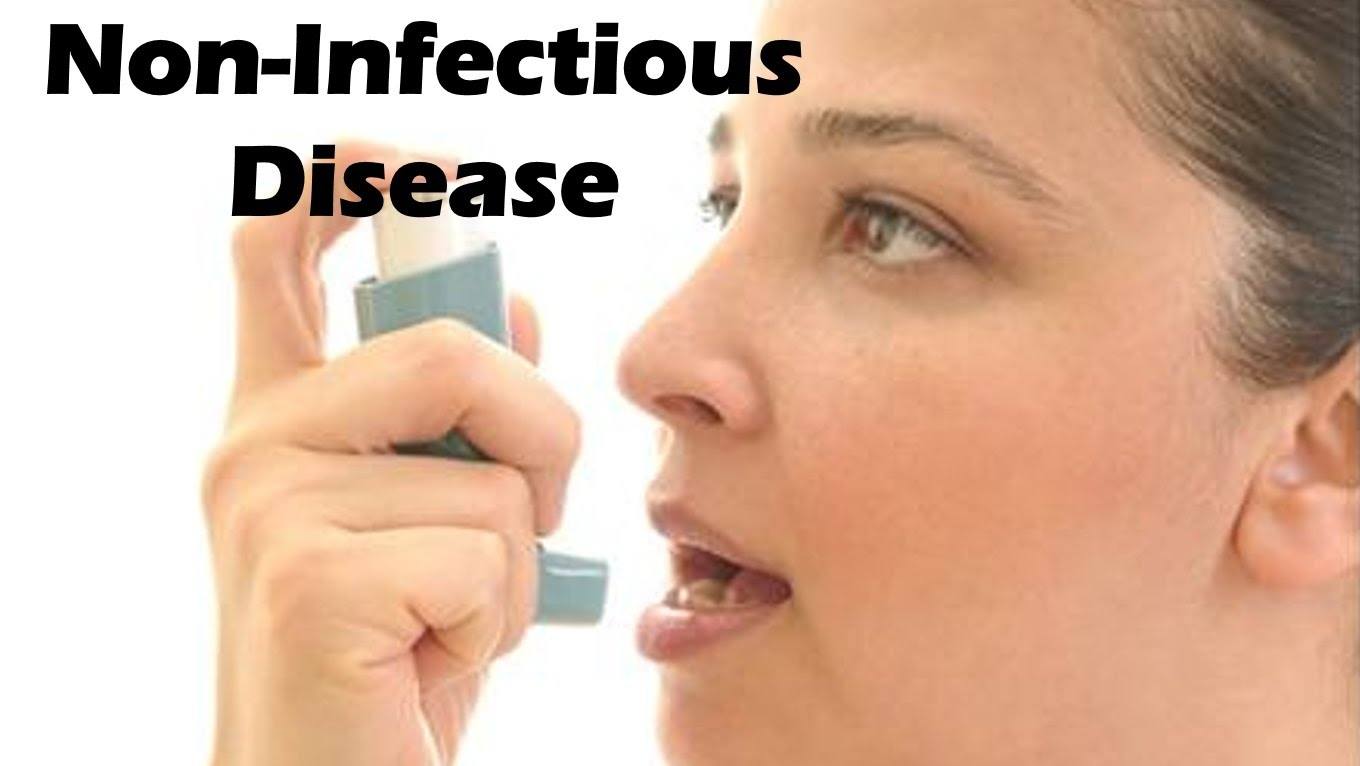
What are noninfectious diseases?
Diseases that are not caused by pathogens
The ability to destroy pathogens before they cause you to be sick
Diseases that are caused by pathogens
Diseases that can be transfered from one person to another
Homeostasis:
allows for a wildly fluctuating internal environment
is the maintenance of a relatively stable internal environment and often incorporates a form of feedback regulation
is the maintenance of a relatively stable external environment and does not incorporate a form of feedback regulation
when you stay at home
If the environment gets cold, we will often shiver in order to:
keep body temperature the same as the external temperature
decrease body temperature
increase body temperature
regulate blood pressure
An example of a negative feedback loop is ...
Blood glucose regulation
Temperature regulation
Heart rate regulation
All of the above
Maintaining body temperature is an example of a:
negative feedback loop
positive feedback loop
What hormone is produced in the pancreas that lowers blood sugar?
Insulin
Glucagon
Glucose
Eating more sugar
Which part of the feedback loop is a body part that makes a change to bring the system back to homeostasis?
Effector
control center
response
receptor
The body part that senses the change inside the organism ...
receptor
control center
effector
response
What is the general sequence followed by a reflex action?
Stimulus, Receptor, Effector, Response
Sensory Neuron, Motor Neuron, Interneuron
Spinal cord, Brain, Sensory Neuron, Motor Neuron
Decision Making, Interneuron, Effector, Response
In a reflex action, the __________ bypasses the ___________
Motor neuron, brain
Sensory neuron, brain
Sensory neuron, spinal cord
Motor neuron, spinal cord
In a reflex arc, the sensory neuron leads to the ___________ and the motor neuron leads to the __________
Spinal cord, CNS
CNS, muscle
Spinal cord, muscle
Muscle, CNS
What happens in the spinal cord during a reflex arc?
The stimulus causes a sensory neuron to generate a nerve impulse
The nerve impulse carries a signal to be directly sent to a sensory neuron
The motor neuron causes a contraction
The nerve impulse carries a signal to be directly sent to a motor neuron
Reflex actions are important because
They provide a quick, involuntary response
They prevent injury
They are essential to the survival of organisms
All of the above

