
 Worksheets
The Health Triangle
Total questions: 36
Worksheet time: 18mins
What is the measure of our body's efficiency and overall well-being called?
Fitness
Health
Strength
Endurance
The health triangle consists of which three aspects of health?
Physical, Social, and Mental Health
Physical, Emotional, and Financial Health
Mental, Emotional, and Spiritual Health
Social, Environmental, and Occupational Health
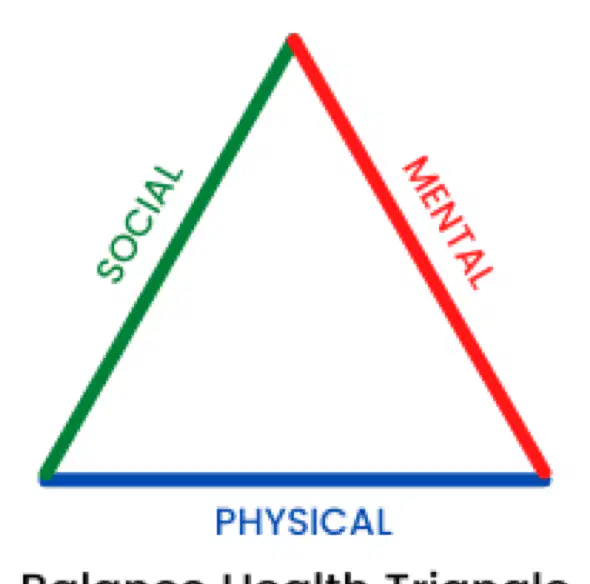
Match the sides of the health triangle to their corresponding aspects:
Physical
B
Social
C
Mental
A
What does physical health deal with?
The mind's ability to think
The body's ability to function
The ability to read
The ability to socialize
Which of the following is NOT a component of physical health?
Exercise
Nutrition
Watching TV
Sleep
Fill in the blank: Physical health has many components including exercise, nutrition, sleep, alcohol & drugs, and _________
weight management
television watching
video gaming
internet surfing

The image of a heart made of vegetables represents which component of physical health?
Exercise
Nutrition
Sleep
Weight management
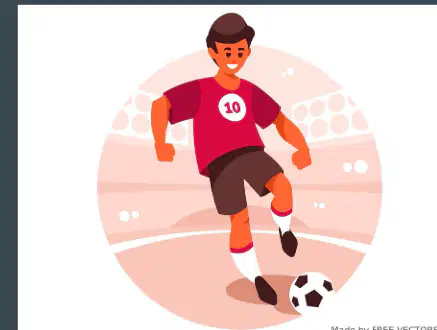
The image of a person playing soccer represents which component of physical health?
Nutrition
Sleep
Exercise
Alcohol & drugs

Mental health deals with how we think, feel and cope with _________?
daily life
physical injuries
mathematical problems
weather changes

Which of the following does mental health encompass?
Learning
Stress management
Mental illnesses or disorders
All of the above

What does social health deal with?
The way we react with people within our environment
Physical exercise
Eating habits
Sleeping patterns

Fill in the blank: Social health includes public health, family relationships, and ______ relationships.
peer
financial
spiritual
professional

Which of the following is NOT included in social health?
Public health
Family relationships
Peer relationships
Financial investments
Getting at least eight hours of sleep each night is important for physical health.
True
False
Eating a well balanced diet, including a healthy breakfast each day, is a good physical health habit.
True
False
Flossing and brushing your teeth at least twice a day is recommended for physical health.
True
False
Doing at least 60 minutes of moderate physical activity each day is beneficial for physical health.
True
False
Avoiding the use of tobacco, alcohol, and other drugs is important for physical health.
True
False
Seeing a doctor and dentist for regular checkups is a good physical health habit.
True
False
I generally feel that I am good at managing my stress and anxiety.
True
False
I express my feelings clearly and calmly, even when I am angry or sad.
True
False
I accept helpful criticism.
True
False
I have at least one activity that I enjoy doing.
True
False
I feel like I am able to advocate for myself when needed.
True
False
I like to learn new things and develop new skills.
True
False
Social Health: I get involved in different school activities such as sports, plays, clubs, spirit days, etc.
True
False
Social Health: I respect and care for the people in my life.
True
False
Social Health: I know how to disagree with others without getting angry.
True
False
Social Health: I am a good listener.
True
False
Social Health: I get support from others when I need it.
True
False
Social Health: I say no if people ask me to do something wrong or harmful.
True
False
What does each inch on your health triangle represent when drawing it using a ruler and the given scale?
One 'yes' answer to a health question
One 'no' answer to a health question
One point for each health category
One inch for every two 'yes' answers
Your Health Triangle has equal sides.
Yes
No
Sometimes
Rarely
Identify one area that you feel you are strong in.
Yes, I have a strong area.
No, I do not have a strong area.
I am unsure about my strengths.
I have strengths in all areas.
Identifying an area you need to work on is important for self-improvement.
Yes, it is important to identify areas for improvement.
No, it is not necessary to identify areas for improvement.
Only sometimes it is important to identify areas for improvement.
It depends on the situation whether to identify areas for improvement.
Some things you can do to keep your health triangle balanced or to improve your health triangle to make it more balanced include:
Eating nutritious foods, exercising regularly, and maintaining healthy relationships
Watching TV for long hours, skipping meals, and avoiding social interactions
Focusing only on physical health and ignoring mental and social health
Sleeping less to have more time for work and study

