
 Worksheets
HS20 - Final Review - Unit 8 - Skeletal System
Total questions: 51
Worksheet time: 28mins
Which of the following is NOT a purpose of the skeletal system?
Framework for the body
Internal organ protection
Production of hormones
Storage of minerals
Why is the protection of internal organs an important function of the skeletal system?
It helps in digestion
It prevents dehydration
It shields vital organs from injury
It produces red blood cells
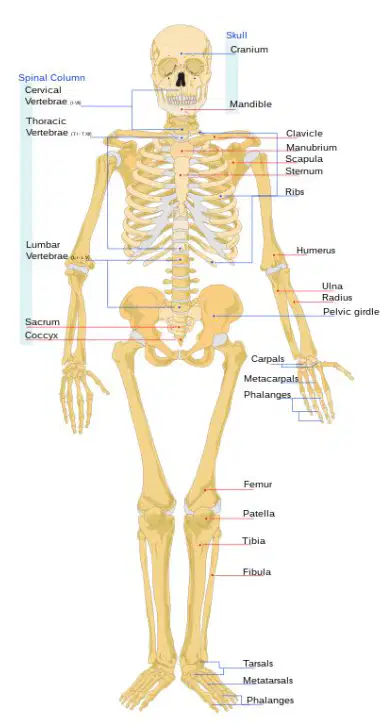
How many bones does a baby have at birth?
Over 300
206
150
100
What happens to many of the bones a baby is born with as they grow into adulthood?
They break apart
They fuse together
They disappear
They become muscles
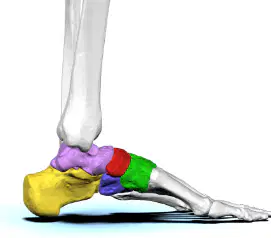
Which of the following best describes short bones?
Small cubed shaped bones found in the wrists, ankles, and toes.
Long and cylindrical bones found in the arms and legs.
Flat and thin bones found in the skull and ribs.
Irregularly shaped bones found in the spine.
Where in the human body are short bones primarily located?
Wrists, ankles, and toes
Skull and ribs
Arms and legs
Spine and pelvis
What is a fun fact about human kneecaps (patella)?
Humans are usually born without kneecaps.
Humans are born with extra kneecaps.
Humans are born with metal kneecaps.
Humans are born with kneecaps made of cartilage only.
Which section of the vertebral column contains 12 vertebrae?
Cervical
Thoracic
Lumbar
Sacrum
Which of the following bones is NOT part of the chest?
Clavicle
Scapula
Sternum
Femur
What are the main bones that make up the chest?
Clavicle, scapula, sternum, ribs
Femur, tibia, fibula, patella
Humerus, radius, ulna, carpals
Skull, mandible, maxilla, zygomatic
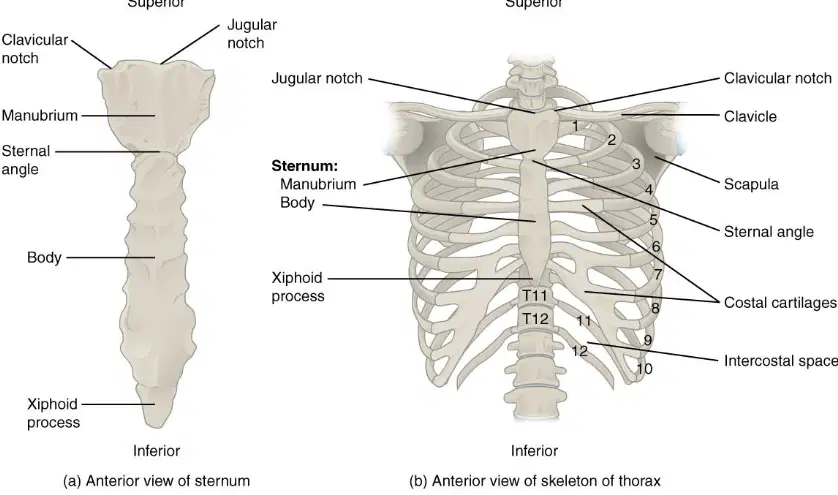
Which labeled part in the diagram is responsible for connecting the ribs at the front of the chest?
Clavicle
Sternum
Scapula
Costal cartilages
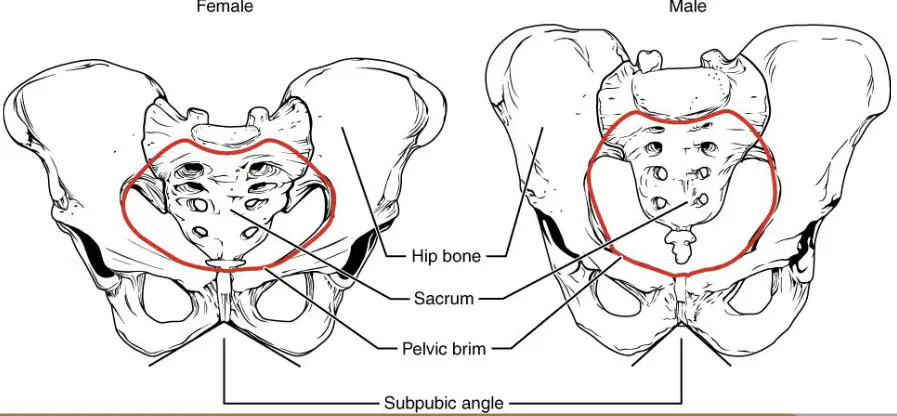
Explain why the pelvic bone is considered a single structure even though it is made up of three different bones.
Because the three bones are fused together to form one solid structure
Because they are all located in the leg
Because they are all the same size
Because they are not connected to any other bones
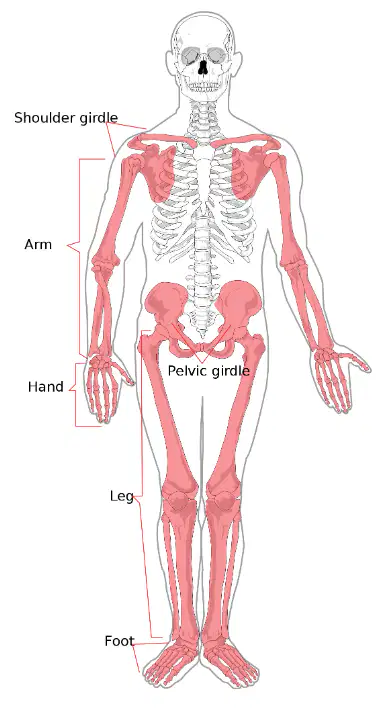
What are the main regions included in the appendages of the human skeleton as shown in the diagram?
Skull and rib cage
Arm, leg, hand, foot, shoulder girdle, pelvic girdle
Spine and pelvis only
Jaw and vertebrae
What type of tissue are bones classified as?
Non-living tissue
Living tissue
Cartilage tissue
Muscle tissue
What happens to bone density after the age of 35?
It increases rapidly
It remains the same
It starts to decrease
It doubles
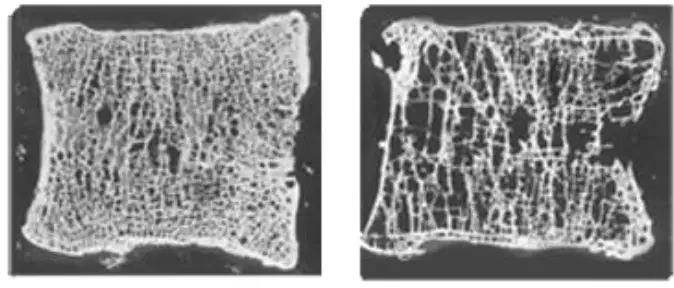
Which of the following best describes the difference between a normal bone and an osteoporotic bone?
Osteoporotic bone is denser than normal bone
Normal bone is more porous than osteoporotic bone
Osteoporotic bone is less dense and more porous than normal bone
Both bones have the same density
What are joints?
Points where bones connect
Points where muscles connect
Points where nerves connect
Points where blood vessels connect
Joints that allow very little movement are typically connected by which of the following?
Cartilage
Ligaments
Muscles
Tendons
Colles’ fracture specifically refers to a break in which part of the body?
The radius at the wrist
The femur at the hip
The vertebrae in the spine
The tibia at the ankle
Which type of fracture involves the bone being broken in a twist?
Spiral fracture
Colles’ fracture
Simple fracture
Complex fracture
What is osteomyelitis?
A condition where bacteria infect the bone.
A condition where muscles become inflamed.
A condition where nerves are damaged.
A condition where skin cells multiply rapidly.
How does osteomyelitis differ from a normal bone condition?
Osteomyelitis involves bacterial infection, while a normal bone does not.
Osteomyelitis involves viral infection, while a normal bone does not.
Osteomyelitis involves increased bone density, while a normal bone does not.
Osteomyelitis involves muscle inflammation, while a normal bone does not.
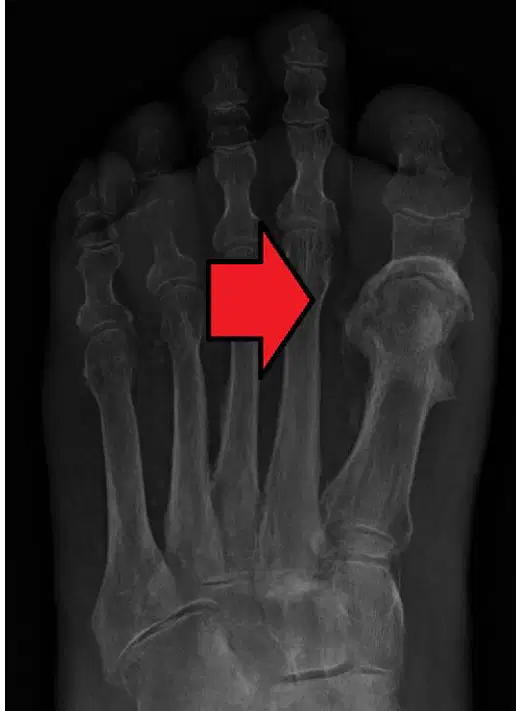
Examine the provided diagram. What does the red arrow in the X-ray image indicate?
The location of bone infection (osteomyelitis)
The site of a bone fracture
The area of muscle attachment
The location of a blood clot
How does osteoarthritis primarily affect the joints?
By causing degradation of the joints
By causing muscle spasms
By increasing bone density
By causing nerve damage
Which of the following is the correct treatment for mild sprains according to the RICE method?
Rest, Ice, Compression, Elevation
Run, Ice, Cast, Exercise
Rest, Injection, Compression, Exercise
Rest, Incision, Cast, Elevation
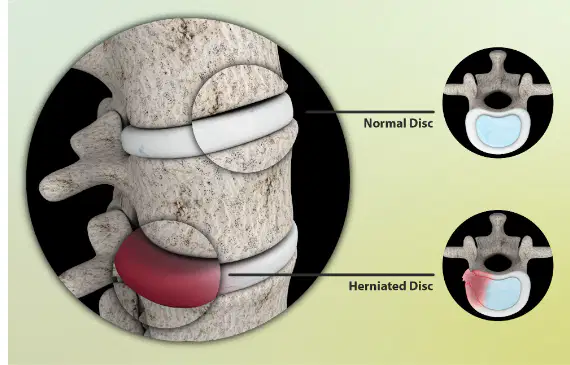
What is a herniated disc?
When the cartilage between the vertebrae balloons out from between the disks
When the bone in the spine breaks
When the muscles around the spine become inflamed
When the nerves in the spine are pinched by bone
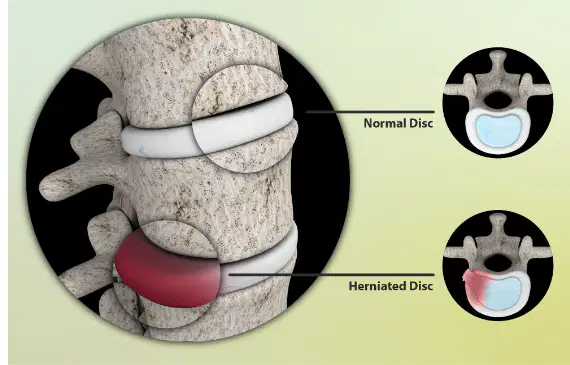
Why does a herniated disc often result in severe pain?
Because it presses on nerves
Because it increases blood flow
Because it strengthens the vertebrae
Because it reduces cartilage thickness
A student spends most of their day sitting and using electronic devices with poor posture. Based on the information provided, what posture issue are they at risk of developing?
Kyphosis
Scoliosis
Osteoporosis
Arthritis

This type of fracture has little or no movement or displacement of broken bones.
Closed Fracture
Open Fracture

Bone breaking through the surrounding tissues, including the skin, secondary to significant displacement of the bones.
Closed Fracture
Open Fracture

Incomplete break in a bone that have not completely ossified.
Greenstick Fracture
Oblique Fracture
Spiral Fracture
Transverse Fracture

S-shaped separation of the bone. Occurs when the foot is firmly planted and body is suddenly rotated.
Greenstick Fracture
Oblique Fracture
Spiral Fracture
Transverse Fracture

Commonly occurs when falling from heights. Causes the long bone to become compressed along the long axis. Requires immediate splinting and traction to ensure normal length of the injured limb.
Avulsion Fractue
Comminuted Fracture
Impacted Fracture
Longitudinal Fracture

The xray shows a fracture that has bones broken into more than two pieces. What type of fracture is this?
Simple
Compound
Impacted
Comminuted

The diagram shows a fracture that has two bones crushing into each other. What type of fracture is this?
Simple
Compound
Impacted
Comminuted

Open
Closed
Trauma
Stress
Pathologic

Open
Closed
Trauma
Stress
Pathologic
A break in the distal portion of the radius
Compression
Transverse
Colles'
Spiral
Pott's

What is another name for the cranium? 💀
Tibia
Clavicle
Sternum
Skull
Pug

What are these bones (blue) called?
Tarsals
Carpals
Metatarsals
Metacarpals

The highlighted bones of the body are the:
Thigh bones
Radius
Tibia
Femur

The bones (green) are known as the:
Metacarpals
Carpals
Phalanges
Digits

The bone (in green) is the "Adam's Apple" and is anatomically known as the:
C1 Vertebra
Mandible
Hyoid
Trachea

The bone (green) is known as the:
Ulna
Patella
Tibia
Hyoid

The bones (in green) are known as the:
Spine
Backbone
Spinal Area
Vertebral Column
What bone in the leg are babies born without but develop around 2 years old?
femur
tibia
fibula
patella
What is the first vertebrae known as ______ because it holds up the skull like the Greek Mythological character ______?
Axis
Irregular
Atlas
Transverse process

