
Font size
 Worksheets
Week 1 Steering and Suspension quiz Chapter 36
Total questions: 45
Worksheet time: 32mins
What is the primary role of wheels and tires in a vehicle?
To absorb the unevenness of the road surface
To provide a connection between the vehicle and road surface
To increase the vehicle's speed
To reduce the vehicle's weight
What happens to the inside tire during cornering due to centrifugal force?
The tire expands outward
The tire contracts inward
The tire remains unchanged
The tire deflates
What is slip angle in the context of tire distortion?
The angle between the tire and the road surface
The angle between the direction the tire is pointed and the direction the tire is going
The angle of the tire tread
The angle of the wheel rim
What occurs when the rear wheel slip angle is larger than the front slip angle?
Understeer
Oversteer
Neutral steer
No change in steering
What determines the center of gravity in a vehicle?
The size of the tires
The location of the engine and transmission
The type of fuel used
The color of the vehicle
What is the purpose of the rim flange on a wheel?
To hold the tire in place
To provide a decorative finish
To reduce the weight of the wheel
To increase the speed of the vehicle
Which type of tire construction is most common?
Radial ply
Bias-ply
Tubeless
Solid rubber
What is the function of a valve stem in a tire?
To inflate the tire and prevent air from escaping
To balance the tire
To provide traction
To reduce noise
What does the bolt pattern on a wheel refer to?
The number and spacing of lug nuts or wheel studs
The color of the wheel
The size of the tire
The material of the wheel
How are most lug nuts and studs threaded?
Right-hand threaded
Left-hand threaded
Double-threaded
Reverse-threaded
What is a characteristic of radial tires?
They have a single layer of casing.
They have flexible sidewalls.
They are less durable than bias-ply tires.
They run hotter than bias-ply tires.
What is the purpose of directional tread patterns?
To provide a uniform appearance.
To allow for any direction of rotation.
To provide a range of attributes during specific driving conditions.
To reduce manufacturing costs.
Which tread pattern has the same design on both sides of the tire?
Asymmetric tread pattern
Symmetric tread pattern
Directional tread pattern
Nondirectional tread pattern
What does the UTQG system provide information on?
Tire color and design
Tire wear, traction, and temperature
Tire size and weight
Tire manufacturing process
What does a low-profile tire typically have?
Long sidewalls
A lower speed rating
A higher aspect ratio
Very short sidewalls
What is the purpose of a tire pressure monitoring system (TPMS)?
To increase fuel consumption
To monitor air pressure in each tire and warn the driver if one or more tires is low
To reduce the weight of the vehicle
To enhance the vehicle's speed
What is a key feature of self-sealing tires?
They are designed to increase tire wear
They resist leaks and help maintain air pressure
They are heavier than conventional tires
They require frequent maintenance
What is the main function of run-flat tires?
To increase the vehicle's speed
To allow the driver to maintain vehicle control if a tire suffers a rapid pressure loss
To reduce the vehicle's weight
To improve fuel efficiency
How often should tires be replaced according to the DOT tire date manufacturing code?
Every 2 years
Every 4 years
Every 6 years
Every 8 years
What is a characteristic of EH2 rims in run-flat technology?
They are narrower than standard rims
They have a wider, more extended safety hump
They are lighter than conventional rims
They require more frequent replacement
What is the primary purpose of space-saver spare tires?
To improve fuel efficiency
For emergency use only
To enhance vehicle speed
For regular daily use
What does TPMS stand for in the context of tire technology?
Tire Pressure Monitoring System
Tire Performance Management System
Tire Protection and Maintenance System
Tire Positioning and Measurement System
What is the function of a Schrader valve in a tire?
To balance the tire
To inflate the tire
To seal the tire
To monitor tire pressure
What is the role of synthetic fabric cords in tires?
To increase tire weight
To provide tire strength and flexibility
To enhance tire color
To reduce tire cost
What is the effect of poorly maintained wheels and tires on a vehicle?
Improved fuel efficiency
Decreased handling and steering
Enhanced speed
Increased tire lifespan
What type of spare tires do some vehicles have that require a specially charged canister for inflation?
Regular spare tires
Miniature or collapsible space-saver spare tires
Large off-road spare tires
Heavy-duty spare tires
Why are some temporary spare tires inflated to a much higher pressure than normal road tires?
To improve fuel efficiency
Because of their smaller size
To enhance traction
To increase durability

What type of tread design does this tire have?
Symmetrical
Asymmetrical
Directional

This wear pattern is caused by:
Over inflation
Under inflation
Excessive Toe
Excessive Camber

What type of tread design does this tire have?
Symmetrical
Asymmetrical
Directional

What type of tread design does this tire have?
Symmetrical
Asymmetrical
Directional
Today’s newer, lightweight vehicles are more sensitive than ever to minor tire or wheel issues
True
False
Slip angle is the difference in angle between the direction the tire is pointed and the direction the tire is going.
During cornering, centrifugal force puts more weight on the:
(a)
Acceleration puts more weight on the :
(a)
Deceleration or braking puts more weight on the:
(a)
When making sharp turns, the direction of the cornering force is in _____ to the centrifugal force of the vehicle
parallel
conjunction
perpendicular
opposition

Identify component:
(a)

Identify component:
(a)
Match the following components:

Valve Stem

Valve Core
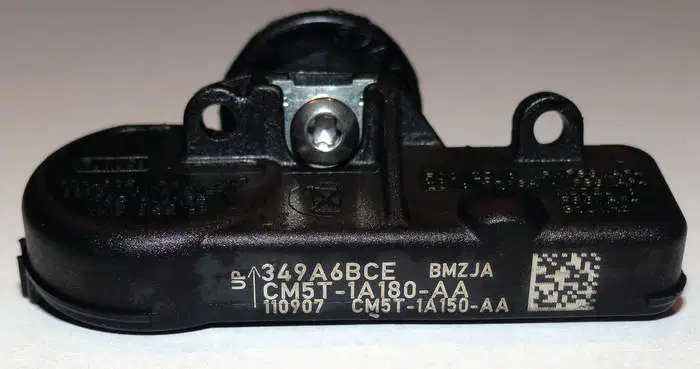
TPMS Sensor
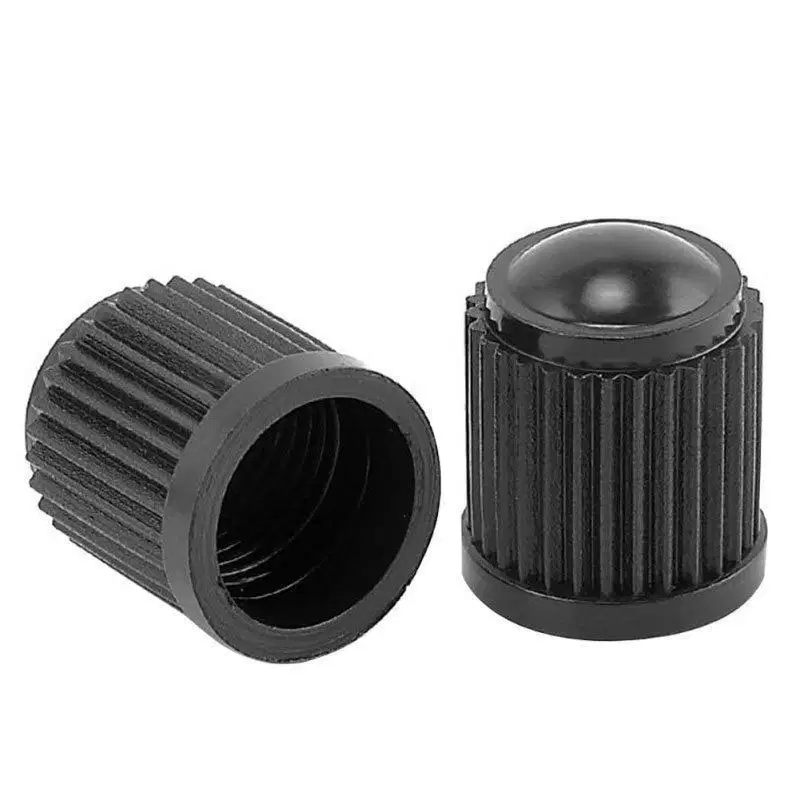
Valve Stem Cap
As part of DOT regulations, a tire manufacture (a) code must be stamped on the sidewall of every tire
(a) tire pressure monitoring systems use anti-lock braking systems to measure the difference in the rotational speed of the four wheels
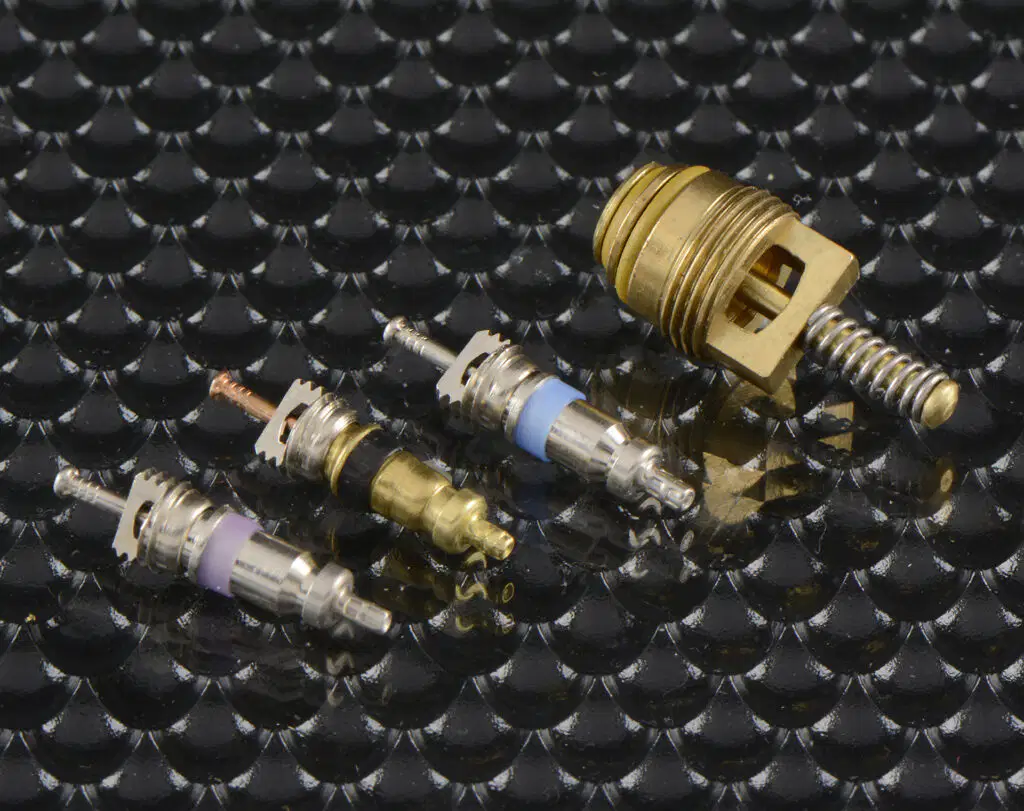
A ________ _____ is a one-way valve used in a valve stem.
(a)
What does TPMS stand for:
(a)
What does DOT stand for:
(a)

