wayground logo

Free Printable Worksheets

NEW

Font size

S
M
L
XL
Worksheets

human system grade 5

Total questions: 64

Worksheet time: 2hrs 34mins

Name
Class
Date
1.
How does the muscular system depend on the nervous system?
a)
The nervous system transports blood to the muscles.
b)
the nervous system provides support for the muscles.
c)
The nervous system supplies food and oxygen to the muscles.
d)
The nervous system send signals to the muscles to cause movement.
2.
Which system is most closely associated with the brain?
a)
nervous
b)
muscular
c)
circulatory
d)
respiratory
3.
Which of the following best describes the job of the skeletal system?
a)
Gives shape and support to the body.
b)
Sends messages from the stomach to the brain.
c)
Brings in and breaks down all nutrients for the body.
4.
Karlie accidentally touches a hot surface and then quickly pulls her hand away.  Which two systems in the human body were involved with her action and reaction?
a)
nervous and muscular
b)
skeletal and circulatory
c)
nervous and respiratory
d)
muscular and respiratory
5.
How are multi-celled organisms different from single-celled organisms?
a)
Multi-celled organisms must reproduce.
b)
Multi-celled organisms must obtain energy.
c)
Multi-celled organisms have microscopic body structures.
d)
Multi-celled organisms have specialized cells to perform life functions.
6.
A unicellular organism is best described as being
a)
a complex organism.
b)
a microorganism.
c)
an organism with specialized cells.
d)
an organism with different types of tissues.
7.
Which statement would most likely be found in an article about multi-celled organisms like plants?
a)
Plants have a simple structure.
b)
Plants contain only one cell that performs all functions.
c)
Plants do not need to ear, remove waste, or reproduce.
d)
Plants contain many specialized cells that perform different functions.
8.
Which is an example of a single-celled organism?
a)
acorn
b)
amoeba
c)
honey bee
9.

Why do multicellular organisms need transport systems?

a)

Most have cells that are not able to exchange gases with the outside environment.

b)

Most have cells that are unable to grow and survive in their environment

c)

Most have cells that need food from sources outside their environment

d)

Most have cells that require more energy to survive than single-celled organisms.

10.

Which is a function of the cardiovascular system?

a)

to move water throughout the body

b)

to provide structural support for the body

c)

to eliminate waste from the body

d)

to transport gases throughout the body

11.

Which body system sends electrical signals to all other body systems?

a)

circulatory system

b)

digestive system

c)

muscular system

d)

nervous system

12.

Which system of the human body provides protection to most of the major organs?

a)

skeletal system

b)

circulatory system

c)

respiratory system

d)

muscular system

13.

Which example best shows structures that make up the digestive system in the human body?

a)

heart, blood, vessels

b)

nose, trachea, lungs

c)

brain, spinal cord, nerves

d)

esophagus, stomach, intestines

14.

Which body system processes foods into a useable source of energy?

a)

circulatory

b)

digestive

c)

nervous

d)

skeletal

15.
Which best describes the main job of most cells in multicellular organisms?
a)
Cells work to keep themselves alive.
b)
Cells work to keep the organism alive.
c)
Cells work to release needed materials.
d)
Cells work to store unneeded materials.
16.
Which organism performs all life processes in one cell?
a)
grass
b)
bacteria
c)
mushroom
d)
butterfly
17.
Which organisms are capable of surviving as a single cell?
a)
bacteria
b)
humans
c)
plants
d)
fish
18.
Which best explains why humans are multicellular organisms?
a)
Human cells are too small to function alone.
b)
Human cells join together to form one large cell.
c)
Humans need many cells to carry out life processes.
d)
Humans have many systems that perform the same function.
19.
How are algae able to survive?
a)
The algae get energy from other algae.
b)
The algae do not require energy to survive.
c)
The single cell controls all the algae’s life processes.
d)
Other multi-celled organisms provide food for the algae.
20.
Why do humans require many different types of cells to survive?
a)
Human cells are identical and work together to perform the same function.
b)
Human cells are specialized and work together to perform the same function.
c)
Human cells are identical and work independently to perform different functions.
d)
Human cells are specialized and work independently to perform different functions.
21.
How are single-celled organisms and multi-celled organisms similar?
a)
Both need food for energy and growth.
b)
Both have a skeletal system for support.
c)
Both require the interaction of many cells to survive.
d)
Both are able to carry out all life functions in only one cell.
22.
How are multi-celled and single-celled organisms different?
a)
Multi-celled organisms need energy to survive, while single-celled organisms need no energy to survive.
b)
Single-celled organisms can be seen without using a microscope, while multi-celled organisms are microscopic.
c)
Multi-celled organisms have large numbers of specialized cells to perform a variety of life functions, while single-celled organisms complete life functions with one cell.
d)
Single-celled organisms have large numbers of identical cells that all perform the same function, while multi-celled organisms have cells that are all different and perform different life functions.
23.
Fungi and bacteria are both single-celled organisms. What do they most likely have in common?
a)
Both fungi and bacteria are large organisms.
b)
Both fungi and bacteria can carry out all life functions in their one cell.
c)
Both fungi and bacteria need sunlight and nutrients from the soil to be able to grow.
d)
Both fungi and bacteria are highly specialized to do only one job so they must work with other cells to obtain food.
24.
Which organ belongs to the digestive system?
a)
heart
b)
stomach
c)
femur
d)
brain
25.

What is the term for the smallest unit of life?

a)

cell

b)

tissue

c)

organ

d)

organ system

26.
What is the function of the respiratory system
a)
Take in O2 only
b)
Remove CO2 only
c)
Take in O2 ad remove CO2
d)
Make sugar
27.

What is the main organ of the circulatory system?

a)

small intestine

b)

bone

c)

lungs

d)

heart

28.
The heart has ___ chambers.
a)
1
b)
2
c)
3
d)
4
29.

Your heart is about the size of your __________.

a)

mouth

b)

fist

c)

show

30.

Which organ controls our senses?

a)

heart

b)

brain

c)

lungs

d)

stomach

31.

Which organ helps break down food?

a)

heart

b)

stomach

c)

lungs

d)

brain

32.

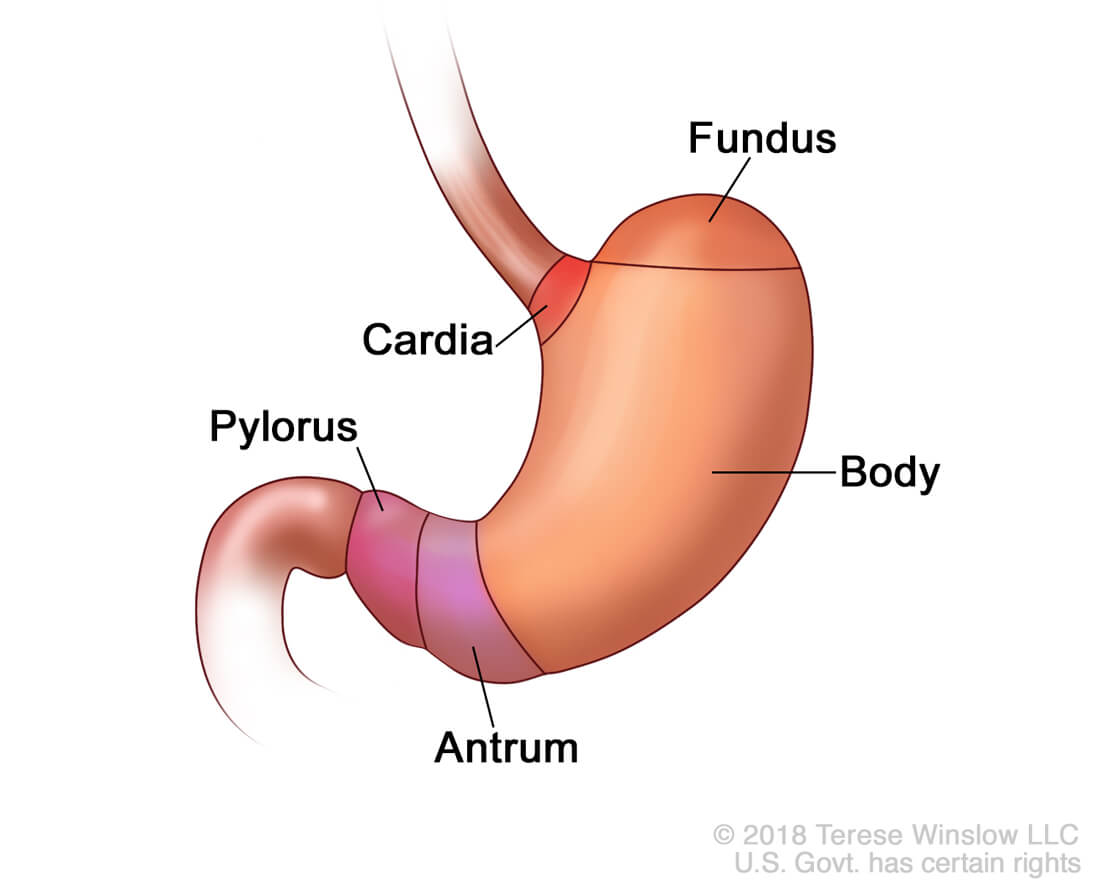
What organ is this?

a)

heart

b)

stomach

c)

lungs

d)

brain

33.

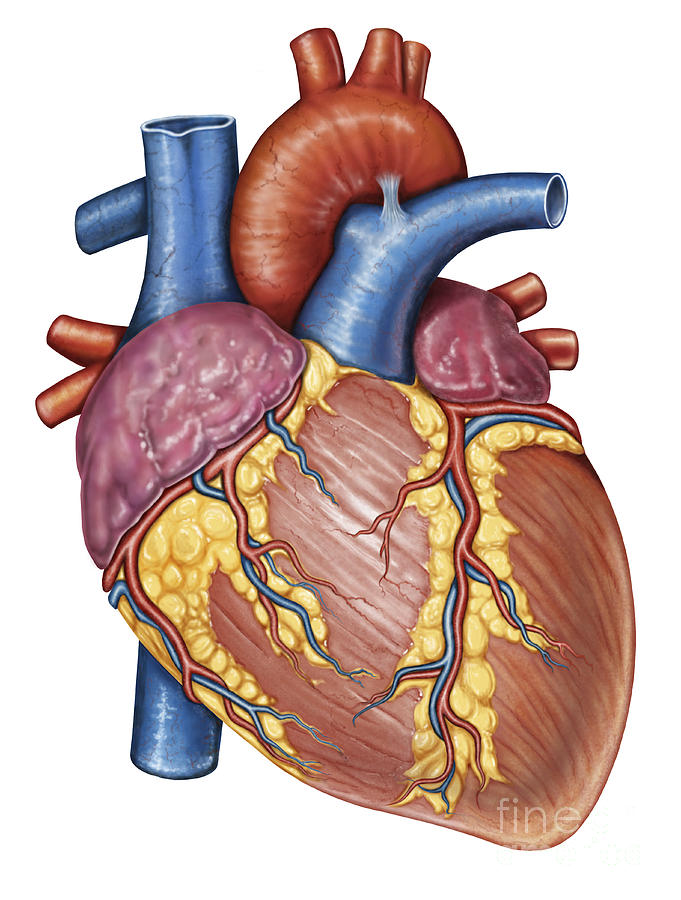
What organ is this?

a)

heart

b)

stomach

c)

liver

d)

lungs

34.

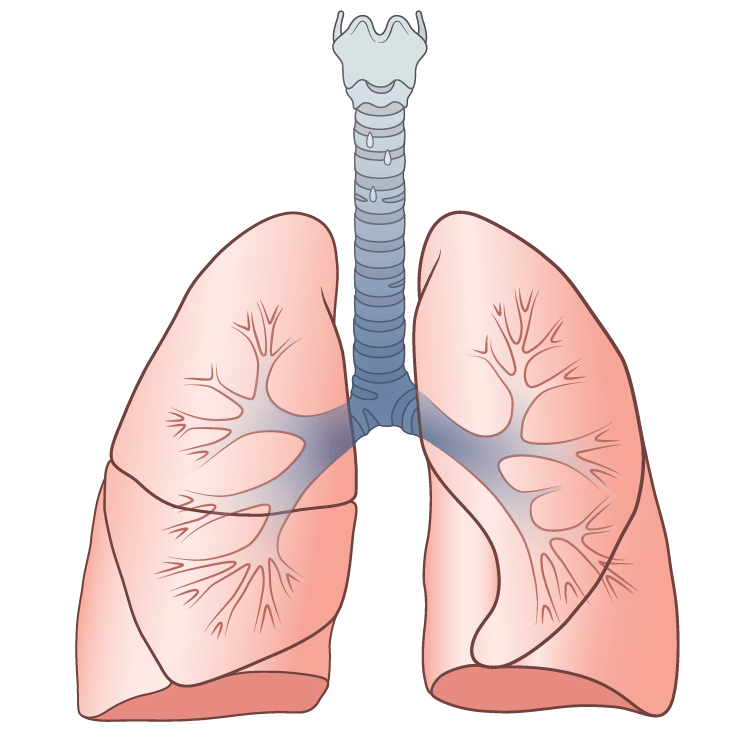
What organ is this?

a)

heart

b)

lungs

c)

liver

d)

stomach

35.

Which organ system includes the heart, blood vessels, and blood?

a)

Digestive system

b)

Circulatory system

c)

Respiratory system

d)

Muscular system

36.
Which organ system includes the esophagus, stomach, small intestines, and large intestines?
a)
Digestive system
b)
Circulatory system
c)
Respiratory system
d)
Endocrine system
37.
Which organ system includes the brain, spinal cord, and nerves?
a)
Nervous system
b)
Muscular system
c)
Skeletal system
d)
Excretory system
38.
Which organ system delivers oxygen and nutrients to all of the body's cells?
a)
Nervous system
b)
Integumentary system
c)
Respiratory system
d)
Circulatory system
39.
Which organ system controls major body functions, muscular movements, and responses?
a)
Nervous system
b)
Integumentary system
c)
Respiratory system
d)
Circulatory system
40.
Which organ system gets oxygen into the bloodstream and removes carbon dioxide?
a)
Respiratory system
b)
Muscular system
c)
Digestive system
d)
Circulatory system
41.
Major organs of the digestive system
a)
Kidneys, nephrons
b)
Stomach, intestines, mouth
c)
Heart, blood vessels, blood
d)
Liver, kidneys, heart
42.
Major organs of the nervous system
a)
Kidneys, nephrons
b)
Stomach, intestines, mouth
c)
Heart, blood vessels, blood
d)
Brain, spinal cord, nerve
43.

Major organs of the skeletal system

a)

Muscles, tendons

b)

Bones, joints

c)

Marrow, periostium, nerves

d)

Ribs, quadriceps, femur

44.
Heart, blood vessels, blood
a)
Digestive system
b)
Excretory system
c)
Circulatory system
d)
Immune system
45.

Nose, trachea, lungs

a)

Respiratory system

b)

Endocrine system

c)

Muscular system

d)

Skeletal system

46.

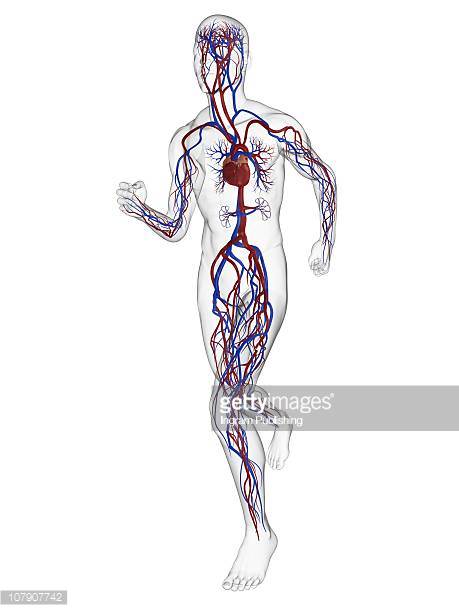
What is the function of this system?

a)

The protection of vital organs from injury

b)

The production of hormones that regulate growth and metabolism.

c)

The chemical breakdown of food into smaller pieces

d)

The transport of nutrients, water, and oxygen to body cells.

47.

What is the function of this system?

a)

The protection of vital organs from injury

b)

The production of hormones that regulate growth and metabolism.

c)

The chemical breakdown of food into smaller pieces

d)

The transport of nutrients, water, and oxygen to body cells.

48.

What is the function of this system?

a)

The protection of vital organs from injury

b)

The production of hormones that regulate growth and metabolism.

c)

The chemical breakdown of food into smaller pieces

d)

The transport of nutrients, water, and oxygen to body cells.

49.

What is the function of this system?

a)

exchange gases with the air

b)

breakdown molecules and absorb nutrients.

c)

Provide support and movement for the body

d)

Produce and secretes hormones which regulate metabolism, growth, and development.

50.

Which body system protects the organs of the body?

a)

digestive

b)

respiratory

c)

skeletal

d)

muscular

51.

This organ is part of the digestive system.

a)

lung

b)

heart

c)

brain

d)

stomach

52.

What is the function of the respiratory system?

a)

To digest your food

b)

To remove waste from the body

c)

To take in oxygen and remove carbon dioxide

d)

To fight disease

53.

What is the function of the digestive system?

a)

It transports blood and oxygen to your cells

b)

It breaks down food so the nutrients can be absorbed by your body

c)

It helps you breathe by taking in oxygen and transporting carbon dioxide out of your body

d)

It helps you move

54.

Which system in the human body includes the heart, blood, arteries, and veins?

a)

cardiovascular

b)

muscular

c)

digestive

d)

respiratory

55.

Which statement best describes the relationship between the nervous system and the muscular system?

a)

The nervous system controls the muscular system.

b)

The muscular system controls the nervous system.

c)

The nervous system provides nutrients for the muscular system.

d)

The muscular system provides nutrients for the nervous system.

56.

Which body system includes the brain and spinal cord?

a)

digestive

b)

respiratory

c)

skeletal

d)

nervous

57.

In what way are the digestive and circulatory systems alike?

a)

Both protect organs in the body.

b)

Both control movement of the body.

c)

Both absorb gases or nutrients into the body.

d)

Both provide structural support for the body.

58.

Which two body systems work together to support the body and allow the body to move?

a)

circulatory and respiratory

b)

digestive and nervous

c)

skeletal and muscular

d)

circulatory and digestive

59.
Which body system sends electrical signals to all other body systems?
a)
circulatory system
b)
nervous system
c)
digestive system
d)
skeletal system
60.
Bone cells need nutrients. Which two systems get nutrients to bone cells?
a)
the digestive system and the circulatory system
b)
the circulatory system and the respiratory system
c)
the respiratory system and the skeletal system
d)
the skeletal system and the digestive system
61.
Which two human body systems are most responsible for getting oxygen to cells?
a)
digestive and skeletal
b)
skeletal and circulatory
c)
circulatory and respiratory
d)
respiratory and digestive
62.
Which best explains how the muscular system relies on the respiratory system?
a)
The respiratory system cools the muscular system.
b)
The respiratory system acts as the support system for the muscular system.
c)
The respiratory system brings oxygen into the body for the muscular system to use.
d)
The respiratory system provides nutrients for the body to use as fuel.
63.
Which best describes the relationship between the cardiovascular system and the muscular system?
a)
The cardiovascular system captures carbon dioxide from the air for muscle energy.
b)
The cardiovascular system produces red blood cells to bring oxygen to muscles.
c)
The cardiovascular system provides a framework for muscle movement.
d)
The cardiovascular system delivers oxygen for muscle energy.
64.
Which system is responsible for creating red blood cells?
a)
Skeletal
b)
nervous
c)
digestive
d)
circulatory