
 Worksheets
Casting
Total questions: 37
Worksheet time: 51mins
What is the purpose of a pattern in sand casting?
To create a hollow space in the sand that matches the shape of the desired metal object.
To provide a base for the sand mould.
To cool down the molten metal after it is poured.
To remove the sand from the mould after casting.
Why should the pattern be tapered in sand casting?
To make it easier to remove the pattern from the sand without dislodging any sand grains.
To ensure the molten metal cools down faster.
To make the sand mould stronger.
To prevent the molten metal from leaking out.
What is the purpose of a fillet in sand casting?
To make the pattern more aesthetically pleasing.
To stop cracks from appearing during cooling.
To hold the sand in place.
To create a sharper edge on the metal casting.
What is a sprue pin used for in sand casting?
To create holes in the sand that allow molten metal to be poured into the mould.
To hold the cope and drag together.
To shape the internal corners of the casting.
To remove the pattern from the sand mould.
What is the reason for splitting a pattern into two or more sections?
To make it easier to store the pattern.
To allow for the creation of more complex shapes.
Because of the pattern's shape that would dislodge sand when it is removed.
To reduce the cost of making the pattern.
Explain why 'draft' is required on the sides of a pattern.
To allow the pattern to be easily removed from the sand mould.
To prevent the metal from cooling too quickly.
To create a smoother surface on the casting.
To hold the core in place within the mould.
What is a 'fillet' in casting and why should it be used?
A type of finishing tool used to smooth the casting's surface
A curved junction added to reduce sharp corners and stress concentration in castings
A method of heating the casting to improve its strength
A decorative element added to the casting for aesthetic purposes
Why are some patterns split and how are the two halves held in place?
To allow for easier removal from the mold; using alignment pins
To reduce the cost of production; using adhesive
To improve the precision of the pattern; using magnetic forces
To increase the durability of the pattern; using screws
Which of the following best describes the mould making process?
Pouring molten material into a shaped cavity
Cutting solid materials into desired shapes
Joining two materials with a binder
Heating materials to change their properties
What is the purpose of the vents in a mould?
To allow air to escape during the casting process
To cool down the mould faster
To increase the pressure inside the mould
To add decorative patterns to the casting
What has to be done to the casting after its removal from the mould before it can be used?
It needs to be cooled down
It requires cleaning and surface finishing
It should be immediately used
No further action is required
What is a core used for when casting?
To shape the casting's external surface
To create a cavity or void in the casting
To increase the strength of the casting
To reduce the casting's weight without compromising its strength
How does the pattern have to be altered if a core is required?
The pattern does not need to be altered.
Alter the pattern to include allowances for core setting.
Reduce the pattern size to compensate for core addition.
No alteration is necessary; adjust the molding process instead.
How is a core held in place in the mould cavity?
By gravity alone
Using core prints
With the use of adhesives
By mechanical means
Name five items or parts, that can be found at home or on a car or cycle, that would be made by casting.
Engine block, Brake discs, Cookware, Door handles, Manhole covers
Windshield, Tires, Light bulbs, Curtains, Carpets
Air filters, Spark plugs, Window glass, Batteries, Seatbelts
Speakers, Computer monitors, Printers, Keyboards, Mice
16-25.
Answer the questions below after watching the video
Why are modern engine blocks made from aluminum alloy instead of iron?
For fuel efficiency
For increased strength
For better heat resistance
For easier machining
What is the primary material used in modern engine blocks?
Steel
Iron
Plastic
Aluminum alloy
What purpose do the iron liners inserted into the core serve?
To enhance the engine's power
To prevent wear from abrasion
To increase fuel efficiency
To reduce weight
Why is talcum powder used in some engine block cores?
To make the mold waterproof
To improve the mold's heat resistance
To increase the strength of the mold
To prevent sand particles from contaminating the oil
What is the purpose of heating the cylinder bore liners before casting?
To ensure better bonding with aluminum
To shrink them for a better fit
To make them easier to remove after casting
To clean them
Why is the aluminum poured from the bottom of the mold?
To make the casting process quicker
To cool it down faster
To reduce the amount of aluminum used
To prevent oxidation
What happens to the mold after casting?
Both B and C
It's broken down to recycle the sand
It undergoes a thermal process to strengthen the metal
It's reused for another casting
What is the purpose of the risers in the casting process?
To support the mold structure
To create pathways for gas escape
To compensate for aluminum shrinkage
To add extra metal for machining
What is the final step before the engine blocks are sent to engine plants?
Quality inspection
Assembly of engine parts
Final machining
Painting
How is the quality of each engine block ensured?
Manual inspection
Automated vision system
Pressure testing
Chemical analysis
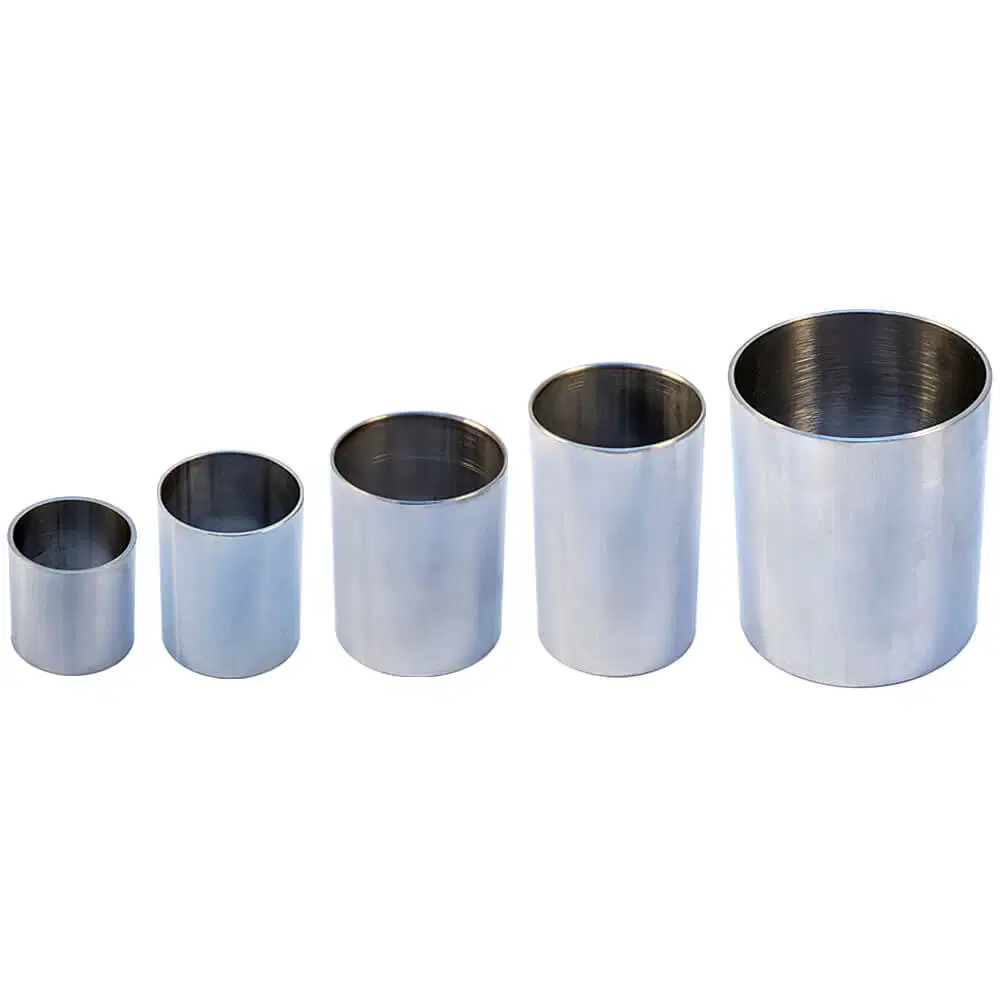
What is this piece of equipment called?
Flask
Crusible
Sprue
Sprue base
Which of our metals will give you a silver, high Chrome, very hard ring?
White bronze
Sterling silver
Yellow brass
Bronze
Why do you multiply the mass of your ring and sprue by 1.3?
To account for the button
To account for the sprue
To account for oxidation
For human error
Where should a sprue be attached to your ring?
The thickest portion
The finished portion
The back
The front
What is the purpose of a sprue?
A channel that allows metal to flow to the mold
A channel that allows gases to escape the mold
A decorative element on your ring
A way to attach more than one ring together
What was the equipment called that drilled the hole in our wax tube?
Lathe
Drill
Caster
Crusible
Why do you debubble your ring before investing?
To prevent air pockets from attaching to your ring
To prevent air pockets from cracking your investment
To add air pockets to your investment
To be sure the wax is rough so the investment will stick
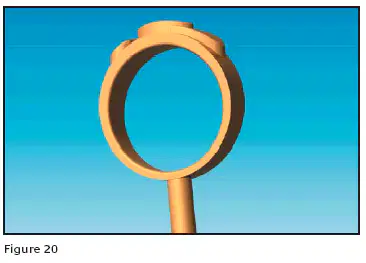
The "stick" structure attached to the bottom of this ring is called a
Sprue
Button
Flask
Crusible

The bump in the middle of this equipment creates space for what piece of metal when you cast?
Button
Sprue
Vent
Flask

What is this piece of equipment called?
Sprue base
Sprue
Crusible
Flask
Which of our metals will give you a gold appearance with high shine?
White bronze
Sterling silver
Yellow brass
Bronze
Which of our metals will give you a coppery colored ring?
White bronze
Sterling silver
Yellow brass
Bronze
Which of our metals are melted using the oxy acetylene torch?
White bronze
Yellow brass
Bronze
Sterling silver
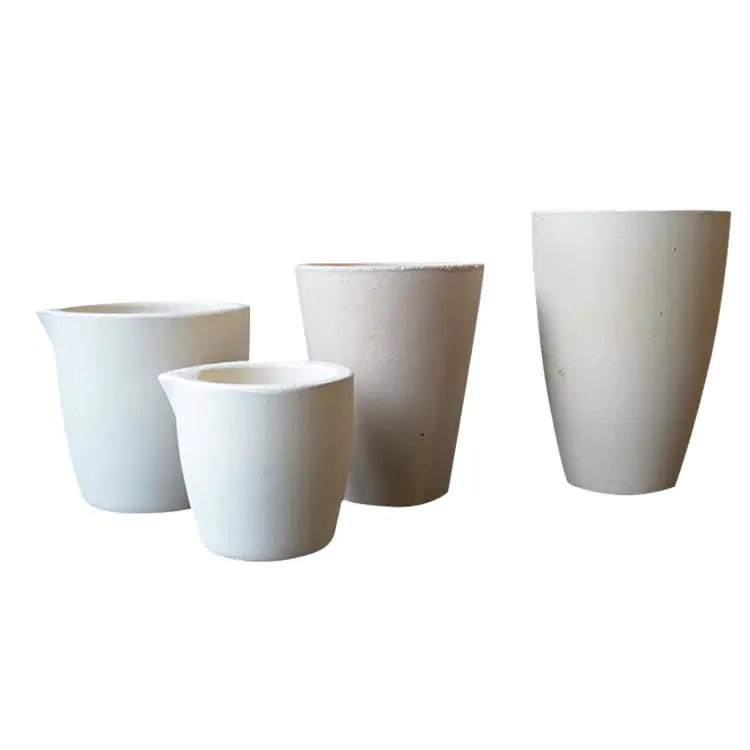
What is this piece of equipment, which your metal goes in in the furnace, called?
Flask
Crusible
Sprue
Sprue base
What is the process of putting your ring into the plaster called?
Investing
Casting
Spruing
Carving
What is the process of pouring your metal into your mold called?
Casting
Investing
Spruing
Carving
What are fillets?
A part of our sprue which helps to reduce 90 degree angles
A part of our sprue that held the rings together
A part of the screw that serves as an area for extra metal
What property of the investment do we take advantage of to remove the metal rings from our mold after we've poured the metal?
Thermal shock
Low melt point
Flexibility
Hardness
Why do we stir the metal when it comes out of the furnace before we pour it?
To move the oxidation
To mix the alloy
To check the color
To see if it's melted
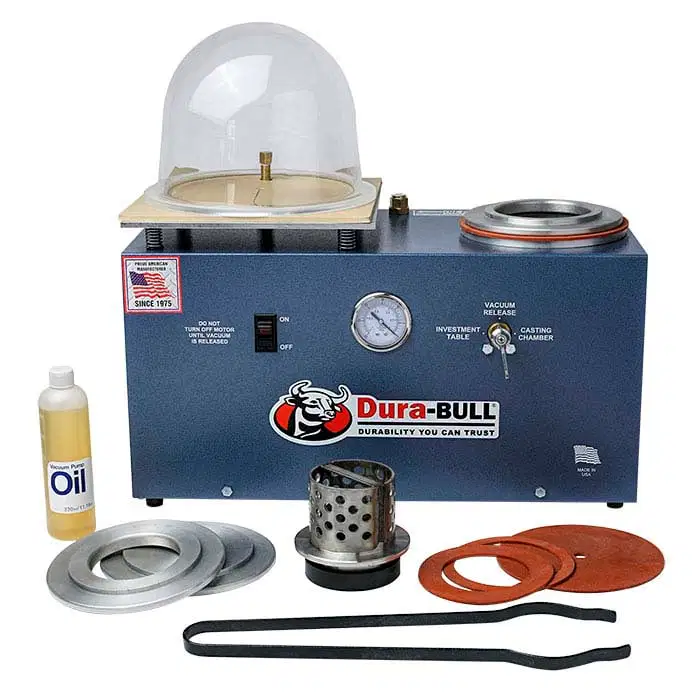
What is the piece of equipment called?
Vacuum caster
Ring chamber
Investment caster
Vacuum spruer
If my wax ring and model had a mass of 1.16g, how many grams of white bronze would I need to create the project?
12.2 g
9.4 g
13.3g
1.16g

