
 Worksheets
Common Materials for Bearings
Total questions: 71
Worksheet time: 36mins
Which material is known for excellent corrosion resistance and load-bearing capacity, and is commonly used in marine applications?
Bronze alloy
Mild steel
Cast iron
Plastic
Babbitt metal is a soft, lead-based alloy with good anti-friction properties, often used as a bearing lining. What is it more commonly known as?
White Metal Bearings
Red Brass
Gun Metal
Phosphor Bronze
Which material is a durable, self-lubricating polymer that is lightweight and resistant to corrosion?
Nylon
Steel
Copper
Glass
Graphite-impregnated materials provide natural lubrication and can operate in which type of conditions?
Dry conditions
Wet conditions
High-pressure underwater conditions
Vacuum only
Acetol is a thermoplastic material commonly used in ______ applications.
marine
aerospace
medical
textile
Which of the following is NOT a property of Acetol?
Excellent resistance to chemicals
High friction
Self-lubricating properties
Resistance to corrosion
Acetol is well-suited for which of the following components?
Bearings
Gears
Components exposed to harsh marine environments
All of the above
Acetol is commonly used in rudder bearings due to its low friction and self-lubricating properties.
True
False

What is Brass?
A) A copper-zinc alloy with excellent corrosion resistance, used in marine fittings, valves, hose tails etc.
B) A copper-tin alloy with high strength and wear resistance, commonly used in bearings and propellers and under water fittings.
C) Highly corrosion-resistant, used in marine hardware, fasteners, and equipment housings.

Fill in the blank: Bronze is a copper-tin alloy with high strength and ________, commonly used in bearings and propellers and under water fittings.
wear resistance
electrical conductivity
magnetic properties
thermal expansion

Which alloy is highly corrosion-resistant and used in marine hardware, fasteners, and equipment housings?
Brass
Bronze
Stainless Steel
What is Tufnol primarily used in?
The marine industry
The food industry
The fashion industry
The entertainment industry
Tufnol is composed of woven fabric layers bonded together with a thermosetting resin. What types of resin are typically used?
Phenolic or epoxy
Polyethylene or nylon
Polycarbonate or acrylic
Silicone or rubber
The tightly-woven fabric in Tufnol provides exceptional ______ and rigidity.
strength
color
softness
transparency
Tufnol has excellent resistance to chemicals, moisture, and wear.
True
False
Name two marine applications for which Tufnol is an ideal choice.
Structural components and bearing housings (also impellers)
Electrical wiring and insulation
Decorative panels and flooring
Food packaging and storage
What is white metal primarily composed of?
Tin
Copper
Aluminum
Lead
White metal alloys are commonly used in which type of applications? Choose the correct option.
A) Aerospace
B) Marine
C) Automotive
D) Construction
Name two critical marine components that use white metal for smooth, reliable operation.
Main Bearings and Big end bearings
Propeller blades and Rudder stock
Fuel injectors and Cylinder head covers
Turbocharger casings and Exhaust valves
White metals have excellent anti-friction and load-bearing capabilities.
True
False
List two elements, other than tin, that are present in white metal alloys to improve their properties.
Antimony and copper
Iron and zinc
Lead and mercury
Nickel and silver
What is another name for Nitrile Rubber?
SBR
NBR
EPDM
NR
Nitrile rubber is widely used in marine applications due to its exceptional resistance to ________, fuels, and chemicals.
oils
water
sunlight
salt
Which of the following is NOT mentioned as a use for Nitrile Rubber?
Seals
O-rings
Tires
Gaskets
Nitrile's ability to withstand abrasion and maintain its integrity is highly valued in which industry?
Automotive
Marine
Textile
Food
These days, disposable protective gloves are also made of ________.
Nitrile rubber
Cotton
Wool
Silk

Marine vessels require a variety of specialized bedding and joint materials to ensure which of the following?
Watertight seals
Vibration dampening
Thermal insulation
All of the above
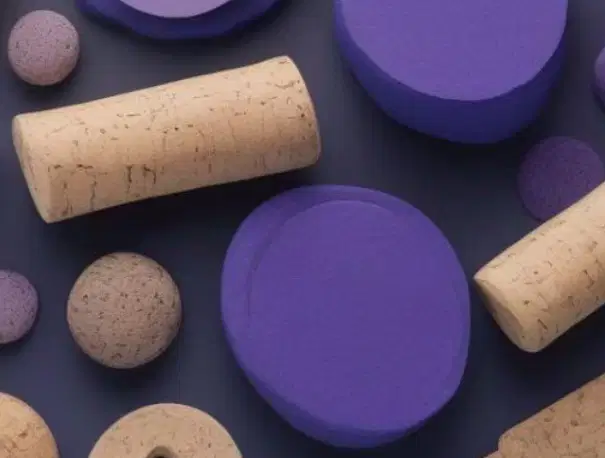
Which of the following is NOT mentioned as a bedding or joint material for marine vessels?
Cork
Gland packing
Paper joints
Steel

Fill in the blank: Flexible polymers like ________ are used as bedding and joint materials in marine vessels.
polyurethane
polyethylene
polyvinyl chloride
polystyrene
Fill in the blank: ______ is a natural, resilient material used for bedding and gaskets, providing excellent vibration dampening and thermal insulation in marine applications.
Cork
Rubber
Plastic
Fiberglass
Fill in the blank: ______ are specialized compression fittings made from materials like PTFE, graphite is used to create tight, flexible seals around shafts and fittings.
Gland Packing
Pipe Couplings
Threaded Nipples
Union Joints
Fill in the blank: ______ are thin, fibrous sheets used to form watertight seals between flanged pipe connections and other marine equipment.
Paper Joints
Gland Packing
O-rings
Stud Bolts
Fill in the blank: ______ is a versatile synthetic polymer used for flexible gaskets, seals, and shock-absorbing bedding materials in marine environments.
Polyurethane
Polyvinyl chloride
Polystyrene
Polyethylene
Which material is described as a versatile, low-friction polymer used for gaskets, seals, and bushings in marine applications due to its excellent chemical and temperature resistance, and is commonly used as a tape on water or gas joints?
PTFE (Polytetrafluoroethylene)
PVC (Polyvinyl Chloride)
Nylon
Polycarbonate
Which material is a synthetic rubber known for its resistance to oil, fuel, and chemicals, making it ideal for seals, O-rings, and other components in marine engines and machinery?
Nitrile Rubber (NBR)
Natural Rubber (NR)
Silicone Rubber (VMQ)
Neoprene Rubber (CR)
Which synthetic rubber has excellent waterproofing and insulating properties, and is commonly used for wetsuit materials, gaskets, and other marine equipment?
Neoprene
Buna-N
Polybutadiene
Styrene-butadiene rubber
Which synthetic rubber is known for outstanding weathering and ozone resistance, often used for hoses, seals, and other marine components exposed to the elements and particularly resistant to UV light?
EPDM (Ethylene Propylene Diene Monomer)
Nitrile Rubber (NBR)
Styrene-Butadiene Rubber (SBR)
Neoprene (Polychloroprene)
Which material is a flexible, temperature-resistant polymer used for gaskets, sealants, and insulation in marine environments due to its high performance and longevity?
Silicone
Polyethylene
PVC
Neoprene

According to the passage, what types of materials do marine engineers use for various applications?
Marine engineers use technical textiles, composite reinforcements, and pre-impregnated materials for various applications.
Marine engineers use only metals and plastics for all applications.
Marine engineers use natural fibers and wood exclusively for marine applications.
Marine engineers use ceramics and glass for most marine applications.
Fibre Reinforcement: ________ fibers like glass, carbon, and aramid are used to reinforce composite materials, providing exceptional tensile strength and impact resistance for marine applications.
High-strength
Low-density
Conductive
Flexible
Pre-impregnated: Fabrics and mats pre-coated with ________ enable faster, more controlled composite lay-up and curing processes for complex marine components.
resin
fiberglass
carbon fiber
epoxy hardener
Reinforcing Fibres: Specialized engineered fibers, including unidirectional tapes and woven fabrics, can be precisely tailored to optimize the ________ and stiffness of composite structures for marine use.
strength
color
weight
cost
The marine industry utilizes a diverse range of composite materials, each tailored to specific applications and performance requirements. These advanced materials combine high-strength reinforcements with durable _______ matrices to create lightweight, corrosion-resistant structures and components. Fill in the blank.
polymer
metal
ceramic
glass
Fill in the blank: FRP (Fiber-Reinforced Plastics) are advanced composites that combine high-strength fibers, such as glass or carbon, with a durable polymer matrix to create lightweight, corrosion-resistant marine components with exceptional ________ ratios.
strength-to-weight
cost-to-durability
flexibility-to-density
thermal-to-electrical
Which of the following best describes GRP (Glass-Reinforced Plastics)?
A type of plastic used for packaging
A common type of FRP that utilizes woven glass fibers embedded in a resin matrix, offering excellent mechanical properties, chemical resistance, and cost-effectiveness for marine applications
A metal alloy used in shipbuilding
A type of wood used in construction
Fill in the blank: Marine-grade plastics, including engineering thermoplastics and thermosets, provide versatile, corrosion-resistant solutions for a variety of components, from structural members to ________ and enclosures.
fittings
wires
paints
cables
Marine engineering uses a variety of filler compounds to enhance the strength, durability, and performance of composite materials. Which of the following is a type of filler compound used in marine engineering?
Colloidal silica
Sodium chloride
Iron oxide
Copper sulfate
Marine engineering uses a variety of filler compounds to enhance the strength, durability, and performance of composite materials. Which of the following is NOT mentioned as a filler compound in the passage?
Glass microfibers
Talc
Calcium carbonate
Sodium chloride
Marine engineering uses a variety of filler compounds to enhance the strength, durability, and performance of composite materials. Fill in the blank: ________ is a filler compound used in marine engineering that is mentioned in the passage.
Colloidal silica, glass microfibers, talc, or calcium carbonate
Polyethylene, nylon, copper, or brass
Epoxy resin, polyester resin, vinyl ester, or phenolic resin
Stainless steel, titanium, bronze, or aluminum
Marine engineering uses a variety of filler compounds to enhance the strength, durability, and performance of composite materials. Name two filler compounds mentioned in the passage.
Colloidal silica, glass microfibers, talc, calcium carbonate (any two)
Copper and zinc
Polyethylene and nylon
Iron oxide and lead
Fill in the blank: __________ are microscopic silica particles suspended in a liquid, used as a thickening and reinforcing agent in marine composites, enhancing strength, abrasion resistance, and thermal stability. Often referred to in the Trade as Cabosil which is just a trade name.
Colloidal Silica
Calcium Carbonate
Epoxy Resin
Fiberglass Strands
Fill in the blank: __________ are extremely fine glass fibers, often used as a filler in marine-grade plastics and resins, improving tensile strength, dimensional stability, and thermal insulation properties.
Glass Microfibers
Carbon Nanotubes
Polyester Threads
Kevlar Strands
Fill in the blank: __________ is a natural mineral with a soft, platy structure, used as a filler to improve stiffness, lubrication, and fire resistance in marine materials like gaskets and sealants.
Talc
Quartz
Gypsum
Mica
Fill in the blank: __________ is a versatile mineral filler that can improve hardness, stiffness, and dimensional stability in a variety of marine composites and coatings, while also reducing costs.
Calcium Carbonate
Silica Gel
Talcum Powder
Graphite
Marine engines and machinery rely on a variety of specialized ______ to maintain lubrication, reduce friction, and prevent wear. These include engine oils, gear oils, hydraulic oils, and lubricating greases formulated to withstand the harsh marine environment.
oils
paints
filters
valves
Effective cooling systems in marine applications utilize specialized ______ that provide efficient heat transfer, corrosion resistance, and freeze protection to ensure optimal performance and engine longevity.
coolants
lubricants
insulators
adhesives
Marine-grade fuel additives help maintain engine cleanliness, improve combustion efficiency, and prevent the formation of deposits and corrosion in the fuel system, ensuring reliable operation in saltwater and other challenging conditions.
True
False
Hydraulic systems on marine vessels and equipment require specialized fluids that can withstand high pressures, resist foaming, and maintain their viscosity across a wide range of temperatures to ensure smooth, responsive operation.
True
False

Which of the following are examples of copper-based alloys with the addition of other metals like zinc and tin?
A) Brass and Bronze
B) Steel and Cast Iron
C) Lead and Aluminum
D) Copper and Zinc

Ferrous metals like ______ and ______ are widely used in marine applications for their durability, strength, and resistance to wear and tear.
steel, cast iron
aluminum, copper
bronze, brass
titanium, magnesium

Non-ferrous metals such as lead, aluminum, and copper are valued in marine engineering for their:
Corrosion resistance
Thermal/electrical conductivity
Both A and B
None of the above

Lead is used in marine engineering where ballast is required on the vessel due to its size to weight ratio.
True
False

Alloys such as brass and bronze offer increased strength, corrosion resistance, and decorative properties for a variety of marine hardware and fittings.
True
False
Marine composites often utilize organic peroxide catalysts like MEKP (methyl ethyl ketone peroxide) and Butanox M50 to initiate the curing process. What is the main purpose of using these catalysts in marine composites?
To color the composites
To initiate the curing process
To clean the composites
To increase weight
Marine composites often utilize organic peroxide catalysts like MEKP and Butanox M50 to initiate the curing process. Name one organic peroxide catalyst mentioned in the passage.
MEKP (methyl ethyl ketone peroxide) or Butanox M50
Benzoyl chloride
Acetone peroxide
Tert-butyl hydroperoxide

Why is it important to follow strict safety protocols when handling organic peroxide catalysts?
To prevent accidents and ensure the long-term integrity of the finished components.
To increase the speed of chemical reactions.
To reduce the cost of raw materials.
To improve the color of the final product.

The role of safety protocols when working with organic peroxide catalysts in marine composites is to:
Minimize the risk of accidents and ensure safe handling.
Increase the reactivity of the catalysts.
Reduce the cost of composite production.
Enhance the color of the composites.
Which type of resin is described as a versatile, cost-effective resin widely used in marine composites, offering good mechanical properties, chemical resistance, and ease of processing?
Polyester
Epoxy
Vinylester
Which type of resin is prized for its superior adhesion, strength, and environmental resistance, often specified for critical marine applications?
Polyester
Epoxy
Vinylester
Which type of resin is a hybrid that combines the benefits of polyester and epoxy, providing enhanced corrosion resistance, toughness, water resistance and fatigue life for demanding marine environments?
Polyester
Epoxy
Vinylester
Match the following types of resins to their correct descriptions:
A hybrid resin that combines the benefits of polyester and epoxy, providing enhanced corrosion resistance, toughness, water resistance and fatigue life for demanding marine environments.
Vinylester
A high-performance resin prized for its superior adhesion, strength, and environmental resistance, often specified for critical marine applications.
Epoxy
A versatile, cost-effective resin widely used in marine composites, offering good mechanical properties, chemical resistance, and ease of processing.
Polyester

