
 Worksheets
HAP-ll quiz TL method
Total questions: 50
Worksheet time: 33mins
Which of the following is not digestive system part.
Trachea
Liver
Esolhagad
Deodenum
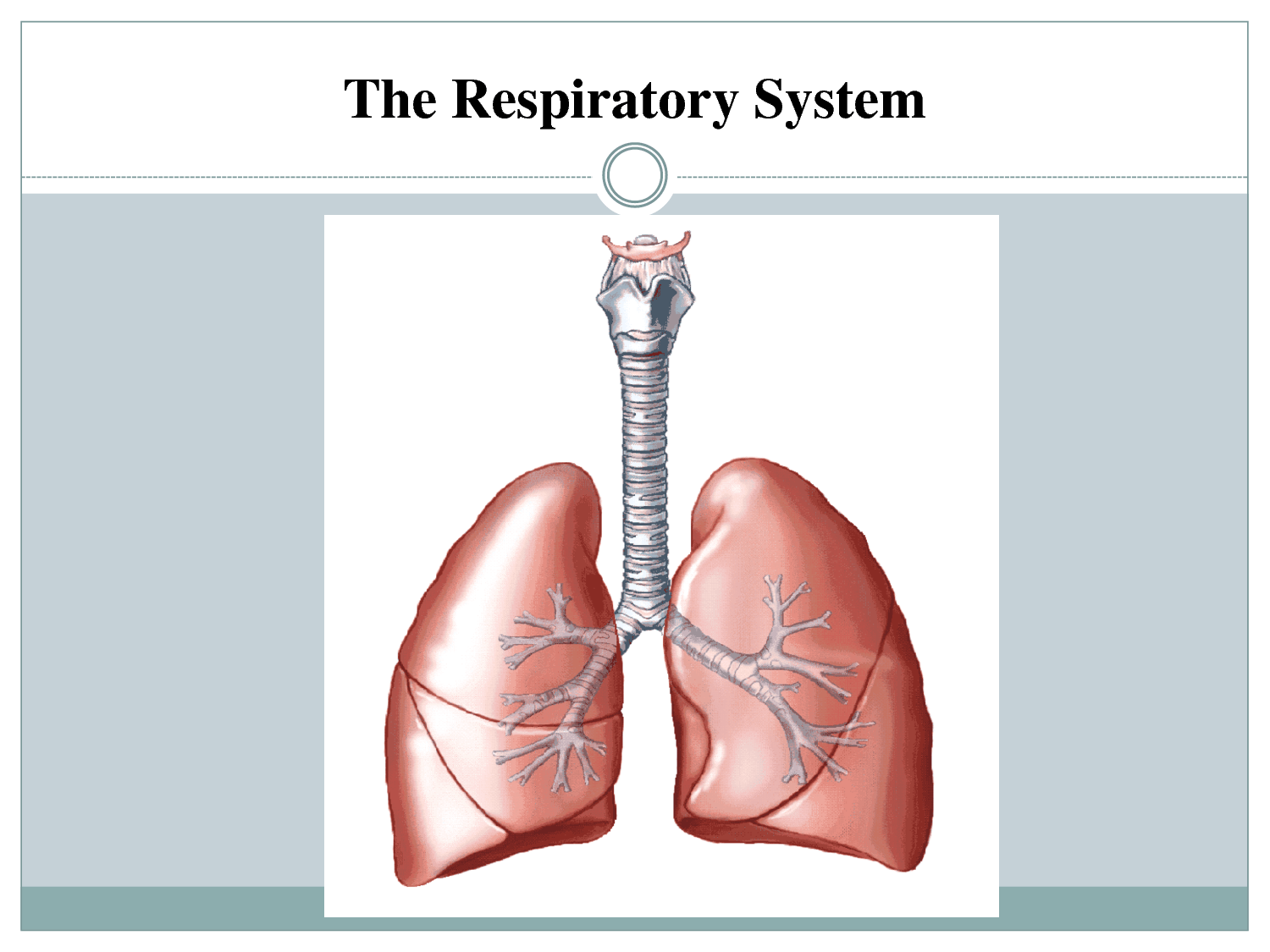
What is the main bone structure that protects the lungs?
Vertebrae
Rib cage
Skull
Pelvis
_______ is known as the voice box
windpipe
larynx
pharynx
epiglottis
A flap of tissue that closes when we eat so food doesn't not go down the trachea
larynx
pharynx
trachea
epiglottis
The tubes that go from the trachea into the lungs
alveoli
diaphragm
epiglottis
bronchial tubes
A dome shaped sheet of muscle, the _________, separates the chest from the abdomen
diaphragm
epiglottis
alveoli
bronchial tubes
Wounds caused by acidic secretion in stomach
Ulcer
Saliva
Roughage
Wounds caused by acidic secretion in stomach
Ulcer
Saliva
Roughage
Mouth, oesophagus,_________, small intestine, large intestine,anus
Food pipe
Stomach
Liver
There are____pairs of salivary glands
2
3
4
Other name of oesophagus
Food pipe
Stomach
Liver
Juice secreted by the walls of stomach
Bile
Gastric
Intestinal
_____________ fluid protects the brain shocks and jerks.
Meninges
Motor
Sensory
Cerebrospinal
The spinal cord is protected by the _______________
Vertebral Column
Cyton
Axon
Nerve fibres
The involuntary actions of our body is controlled by the ________ part of the brain.
Cerebrum
Cerebellum
Medulla Oblongata
Nerves
Motor nerves are important part of nervous system as they help in __________.
Receiving the information from the sense organs.
Passing the information to the brain from the other part of the body.
Giving messages or commands from brain to the other part of the brain.
These nerves are function-less.
What will happen if all the sensory nerves stop working in any human's body?
Messages will not reach to the brain or spinal cord.
Brain is not able to process the received information.
Nothing will happen as motor nerves will perform the functions.
Our breathing system is control and coordinated by this part of the brain.
Spinal cord
Cerebellum
Medulla
Cerebrum
Reflex actions are controlled by which part of the nervous system?
Brain
Cerebellum
Spinal Cord
None of these
How intelligent you are that depends on which part of the brain?
Spinal Cord
Cerebellum
Cerebrum
Medulla

Identify the upper part of the brain.
Cerebrum
Cerebellum
Medulla
None of these
The process of breaking down of food in the cell with release of energy is called
Digestion
Cellular respiration
Circulation
Excretion

identify the respiratory organ
(a)

what is the function of trachea
Transport air
Gaseous exchange
Regulates temperature of air coming to lungs
It is windpipe
What is the basic function of alveoli?
Increasing area of the lungs
Gaseous exchange
Turning oxygen into carbon diaoxide
No specific function
What for of energy is produced as a result of cellular respiration?
sunlight
ATP
glucose
lipids

what is shown in the image
Lungs
Bronchioles
Alveoli
Ballons
In which of the following situations, would sympathetic arm of ANS be predominant?
Attending an 8 am lecture
Sitting for a Physiology exam
Eating KFC for lunch
Jogging around campus
Which of the following is the effect of sympathetic activation in a target organ?
Dilation of the blood vessels in skeletal muscle
Decreased heart rate
Increased gastrointestinal secretions
Contraction of the bladder wall
What part of your brain controls involuntary muscle movements?
olfactory
Cerebrum
Brain Stem
cerebellum
What part of your brain controls involuntary muscle movements?
olfactory
Cerebrum
Brain Stem
cerebellum

TRUE or FALSE: All nerves have the same job. For example, they all carry messages to the brain
TRUE
FALSE

This part of the brain helps with balance and coordination by controlling how the the muscles work together.
cerebrum
cerebellum
brain stem
Select all of the organs of the nervous system:
Brain
Heart
Spinal Cord
Nerves
Stomach
What is the function of the nervous system?
to control and coordinate body functions and systems.
to protect the body from harm.
to identify pain and begin healing.
to break down food.
Function of nervous system is ____________.
Digestion only
Circulation only
Control and Coordination of the body
Breathing only
Which part of the brain is responsible for thermoregulation?
Cerebrum
Hypothalamus
Corpus callosum
Medulla oblongata
CNS or PNS?
Brain and Spinal Chord
CNS
PNS

What cells help support the nervous system and help the neurons?
Glial Cells
Axon
Dendrite

What is the space between neurons called where messages transfer?
open space
Synapse
message transfer area

What are the three parts of the Neuron (nerve cell
Axon, Dendrite, Cell Body
Outer cell, inner cell, cell wall
Dangly bit, solid bit, long bit
What are the parts of your Peripheral nervous system?
Brain and Spinal chord
All the nerves but NOT brain and spine
Heart and Lungs

What is the special cell called in the nervous system?
Brain
Spinal Chord
Nuron

