
 Worksheets
Working at Height Safety Quiz
Total questions: 16
Worksheet time: 8mins
What is one of the dangers that the module aims to help identify?
Dangers of working with chemicals
Dangers of working at height
Dangers of working in confined spaces
Dangers of working with electricity

What is a "falling object" according to the learning material?
An object rolling on the ground
An unsecured object falling from height
A stationary object on a shelf
An object being thrown by a person
What is the main legislation relating to work at height?
The Work at Height Regulations
The Safety at Work Act
The Building Regulations
The Health and Safety Act
What is considered a "short duration" for using step ladders?
5 to 10 minutes
10 to 15 minutes
15 to 30 minutes
30 to 45 minutes
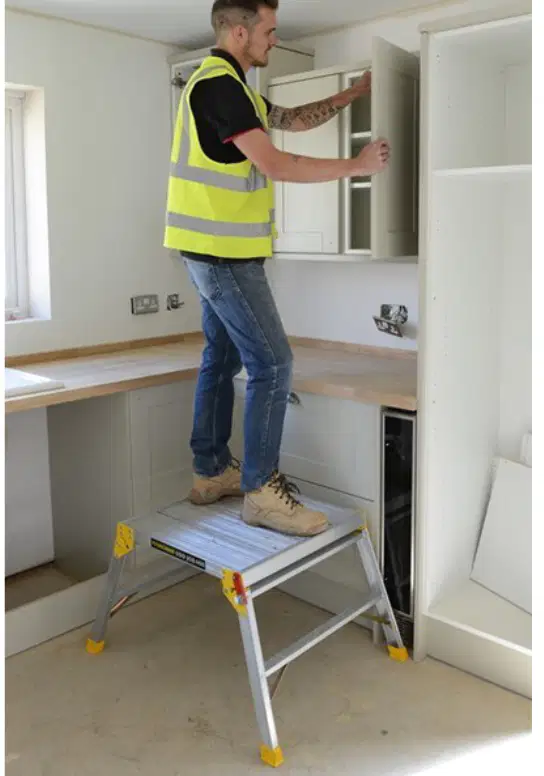
What is a hop-up?
A type of ladder used for climbing tall buildings
A small platform used to reach slightly higher areas
A tool for digging holes in the ground
A device for measuring distances

What is another name for scaffold towers?
Access towers
Ladder towers
Climbing towers
Support towers
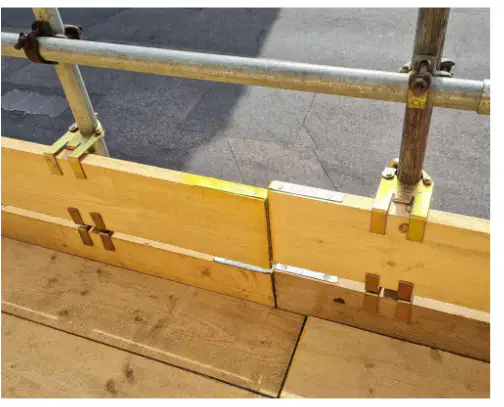
What is the main purpose of toe-boards on a scaffold?
To prevent tools and materials from being knocked off
To provide additional support to the scaffold
To enhance the aesthetic appearance of the scaffold
To increase the height of the scaffold
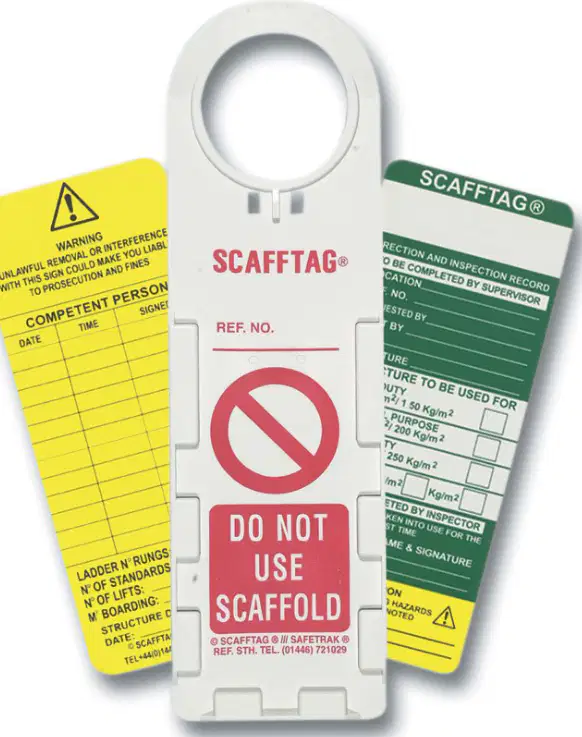
How often should a scaffold be inspected after its first use?
Every 3 days
Every 5 days
Every 7 days
Every 10 days

Who should carry out a scaffolding inspection?
Any construction worker
A competent person
A site visitor
A safety officer
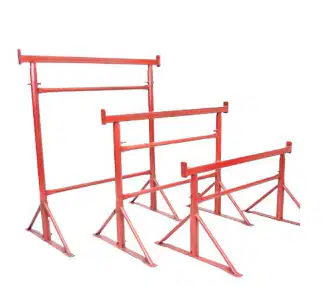
What additional components can be fitted to trestles?
Handrails and toe boards
Wheels and pulleys
Lights and mirrors
Springs and levers
Which of the following is a key safety feature of a properly constructed scaffold?
Extra planks stacked on top
Painted surfaces for visibility
Guardrails installed on all open sides
Decorative banners attached
What should you do before using a scaffold each day?
Paint the scaffold
Remove all toe-boards
Increase the load beyond its limit
Check for loose or damaged components
Why is it important to keep the area around the base of a scaffold clear?
To store extra materials
To provide shade for workers
To display warning signs only
To prevent tripping hazards and allow safe access
Which of the following should be avoided when using a step ladder?
Maintaining three points of contact
Standing on the top step
Inspecting the ladder before use
Placing the ladder on a level surface
What is the primary reason for using guardrails on scaffolds?
To mark the scaffold as complete
To prevent workers from falling
To provide a place to hang tools
To support the scaffold structure
When working at height, what should you do if you notice damaged equipment?
Stop work and report it immediately
Attempt to repair it yourself
Continue working and report it later
Ignore it if the damage seems minor

