
NEW
Font size
 Worksheets
Law Enforcement Paramilitary Hierarchy Quiz
Total questions: 44
Worksheet time: 22mins
Which of the following is the highest rank in the law enforcement paramilitary style hierarchy?
Chief
Sergeant
Patrol Officer
Lieutenant
According to the paramilitary style hierarchy in law enforcement, which position comes directly after Captain?
Lieutenant
Sergeant
Assistant Chief
Dispatch
Arrange the following law enforcement positions in order from highest to lowest rank: Captain, Patrol Officer, Sergeant, Chief.
Chief, Captain, Sergeant, Patrol Officer
Captain, Chief, Sergeant, Patrol Officer
Sergeant, Captain, Chief, Patrol Officer
Patrol Officer, Sergeant, Captain, Chief
Which of the following best describes the structure of the law enforcement workplace as mentioned in the material?
Paramilitary style hierarchy
Flat organizational structure
Matrix management system
Democratic leadership model
If a Patrol Officer needs to report an issue up the chain of command, which position would they most likely contact first?
Sergeant
Chief
Dispatch
Captain
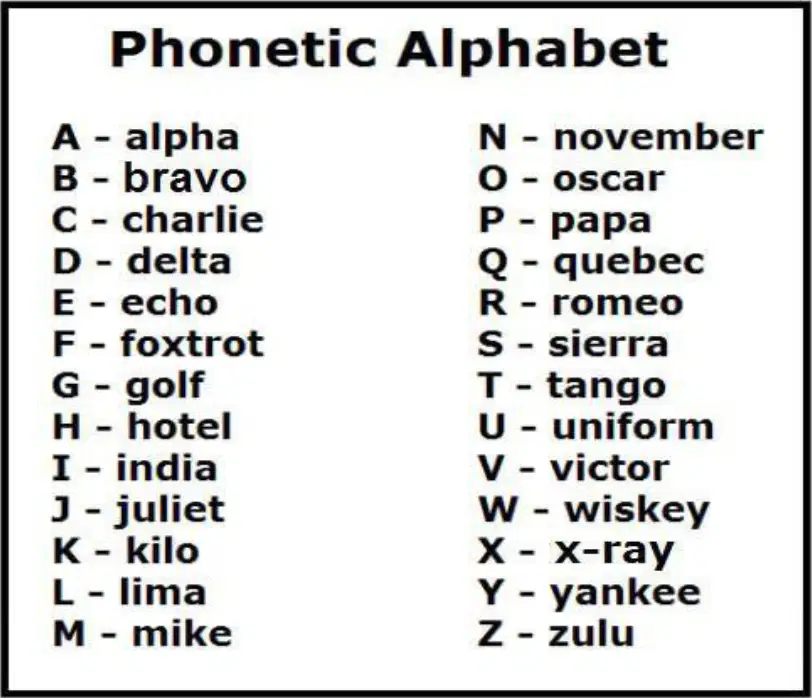
What is the phonetic word for the letter "B" in the common phonetic alphabet used by law enforcement agencies?
Bravo
Beta
Baker
Boston
Which of the following is the correct phonetic word for the letter "Q"?
Quebec
Queen
Quasar
Quick
If a police officer says "Foxtrot Romeo," which letters are they referring to?
F and R
F and O
R and F
F and T
Why do law enforcement agencies use a phonetic alphabet when communicating?
To ensure clarity and avoid confusion over radio or phone
To make communication faster
To use secret codes
To sound more professional
Which of the following pairs is correctly matched according to the phonetic alphabet key?
L - Lima
M - Mango
S - Sun
W - Water
A message is spelled out as "Alpha Mike Oscar." What word is being communicated?
AMO
AMQ
AMR
AMX
Which of the following is a benefit of using 10-codes in radio communication?
They make communication longer and more detailed.
They keep radio communication brief.
They eliminate the need for radios.
They are standardized across all agencies.
Why can the use of 10-codes be problematic during emergencies?
They are too simple to use.
There is no standardized set of 10-codes.
They are only used by the federal government.
They are always translated into plain language.
What did the federal government recommend in 2006 regarding radio communication?
To use more 10-codes.
To use only written communication.
To use Plain Language instead of 10-codes.
To stop using radios altogether.
How can communication between agencies become confusing during a large incident?
Because everyone uses the same 10-codes.
Because agencies may use different 10-codes, causing overlap.
Because radios do not work in emergencies.
Because plain language is too complex.
Evaluate the impact of not having a standardized set of 10-codes during a multi-agency emergency response. What could be a potential consequence?
Improved communication and faster response times.
Confusion and miscommunication between agencies.
Reduced need for training among responders.
Increased use of plain language automatically.
What is the main topic introduced on this page?
The 3 C's of Proper Radio Communication
The 3 R's of Recycling
The 3 P's of Public Speaking
The 3 S's of Safety
Which organization is associated with the learning material shown on this page?
Arizona CTE
National Science Foundation
American Red Cross
NASA

Which of the following is recommended for clear communication?
Use a confident voice.
Speak as quickly as possible.
Yell to be heard.
Use complex language to impress others.
Why is it important to use plain language when communicating?
To reduce ambiguity.
To sound more intelligent.
To impress the audience.
To make the conversation longer.
What should you avoid doing when trying to speak clearly?
Yelling.
Speaking clearly and enunciating.
Using a confident voice.
Using plain language.
If someone is under stress, what might happen to their speech?
The volume and speed of their voice may change.
They will always speak more clearly.
Their voice will become monotone.
They will use more complex words.
Which of the following is NOT a tip for being clear in communication?
Speak clearly and enunciate.
Do not run your words together.
Speak too quickly.
Use a confident voice.

What is the recommended maximum length for a radio transmission to avoid preventing other officers from calling in emergencies?
15 seconds or less
30 seconds or less
1 minute or less
5 seconds or less
Why should you keep your radio transmission short?
To prevent other officers from calling in emergencies
To save battery life
To avoid static noise
To improve signal strength
If your radio transmission must be longer than 15 seconds, what should you do?
Break for 15 seconds, then continue your conversation
Speak faster to finish quickly
Ignore the time limit
Lower your voice
Which of the following is a benefit of brevity in radio transmissions?
It allows you to focus on your scene by freeing your hands
It increases the amount of information sent
It makes the conversation more entertaining
It reduces the need for emergency calls
How does brevity in radio transmissions help the message receiver?
It gives them less information to process, allowing them to respond quickly
It confuses them with fewer details
It makes them ask more questions
It delays their response
Which of the following is recommended for spelling names and license plates correctly during communication?
Use abbreviations
Use phonetic alphabet
Use slang terms
Use only initials
Why is it important to use plain language during communication?
To sound more professional
To reduce ambiguity
To impress the listener
To use technical jargon
What should you do to ensure backup can find you if needed?
Give vague information
Give specific, accurate information, especially your location
Speak quickly and quietly
Only mention your name
What is the benefit of pausing to compose your thoughts before broadcasting a message?
It makes you sound more relaxed
It helps you avoid mistakes and communicate more clearly
It allows others to interrupt you
It shortens the message
Which of the following best demonstrates the application of the concept "Be Correct" in a real-life emergency communication scenario?
Using technical jargon to impress the listener
Giving a detailed and accurate location when requesting backup
Speaking as quickly as possible to save time
Using abbreviations that only you understand
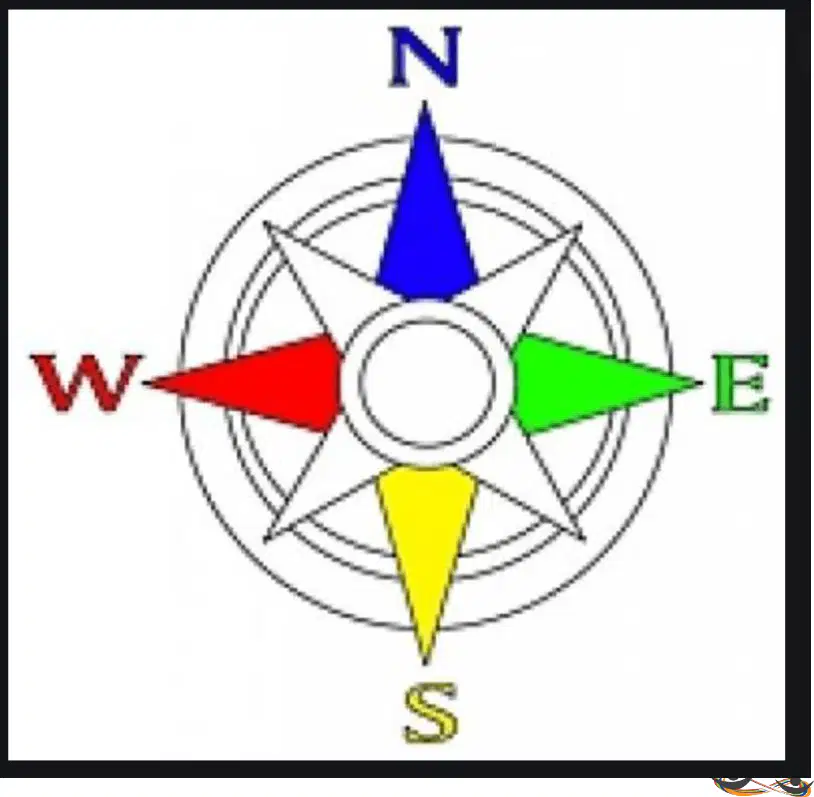
Which of the following is NOT one of the four cardinal directions?
North
South
Up
East
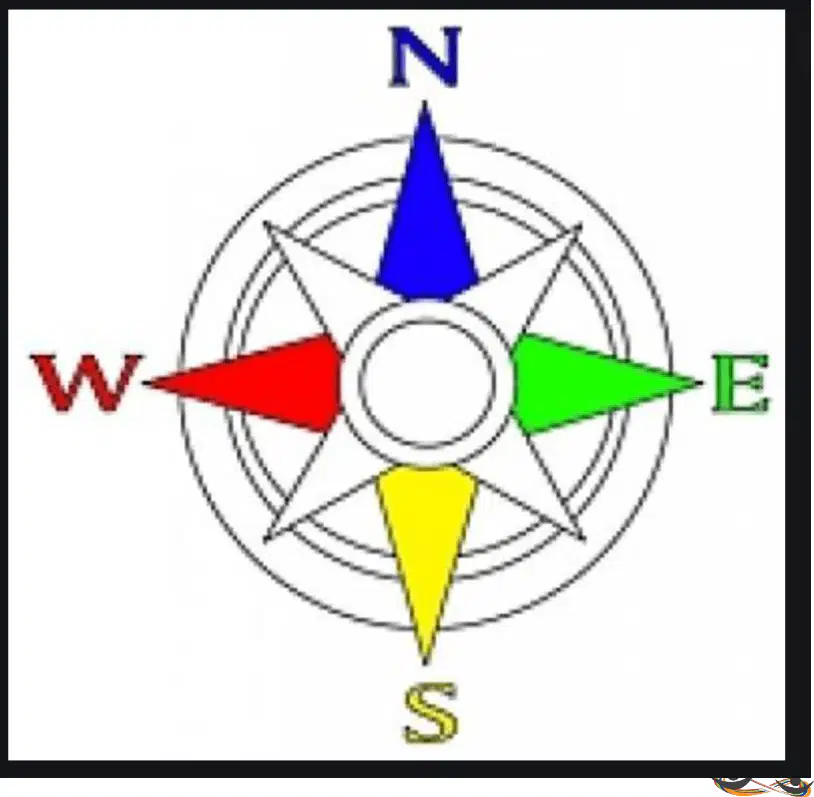
What are the four cardinal directions?
North, South, East, West
North, South, Left, Right
Up, Down, Left, Right
North, South, Up, Down
If you are facing North and turn 90 degrees to your right, which cardinal direction are you now facing?
South
East
West
North
Which of the following pieces of information is most important to determine the "Where" of an incident?
The physical address or location of the incident
The type of crime being committed
The names of all witnesses
The color of the suspect's vehicle
What should you determine to assess if police or other agencies are needed at an incident?
What is occurring at the scene
The specific time the incident occurred
The number of vehicles involved
The weather conditions
When establishing the urgency and timeline of an incident, which question is most relevant?
When did the incident occur?
Who is the reporting officer?
What is the nearest hospital?
Where is the nearest exit?
Which details are important to collect about persons involved in an incident?
Name, DOB, race, gender, age, height, hair, weight, eyes, clothing, other features
The weather, time of day, and temperature
The type of building and its color
The number of police officers on duty
If a vehicle is involved in an incident, which information should be collected?
Color, year, make, body, license state/number, direction, occupants
The price of the vehicle
The owner's favorite color
The nearest gas station
Why is it important to ask about weapons being involved in an incident?
To assess potential safety risks and determine the appropriate response
To find out the value of the weapons
To report the weapons to the insurance company
To collect weapons for evidence
A dispatcher receives a call about a suspicious person. Which of the following questions would best help identify "Who" is involved?
What is the person's name and physical description?
What time did the person arrive?
Where is the person located?
What is the weather like?
A report mentions a dog on the scene that may pose a hazard. Under which category should this information be recorded?
Weapons
Where
When
What

