
 Worksheets
Basic Electronics Quiz
Total questions: 50
Worksheet time: 25mins
It is a fundamental principle in electronics and electrical engineering that explains the relationship between voltage (V), current (I), and resistance (R) in an electrical circuit.
A. Electron Theory
B. Law of Inertia
C. Ohms Law
D. Law of Motion
What happens to the current if the resistance increases, while the voltage stays the same?
A. Current increases
B. Current stays the same
C. Current decreases
D. Current becomes zero
What happens to the current if the resistance increases, while the voltage stays the same?
A. Current increases
B. Current stays the same
C. Current decreases
D. Current becomes zero
What happens to the current if the voltage increases, while the resistance stays the same?
Current increases
Current decreases
Current stays the same
Current becomes zero
Who is the French physicist who undertook lots of experiments involved in varying the amount of electrical current called the intensite du courant or the intensity of current?
If a light bulb has a resistance of 30 Ω and is connected to a 120 V supply, the current flowing through it is:
A. 7200 A
B. 0.5 A
C. 2 A
D. 4 A
If a circuit has a 12 V supply and a current of 0.5 A, what is the resistance?
A. 0.1 Ω
B. 24 Ω
C. 6 Ω
D. 40 Ω
Which of the following is an example of an electronic component?
Gear
Resistor
Pulley
Bearing
Which unit is used to measure electric Voltage
Volt (V)
Ampere (A)
Ohm (Ω)
Watt (W)
Which of the following devices converts electrical energy into heat?
Heater
Motor
Transformer
Battery
In electronics, a diode is mainly used to:
Store energy
Allow current to flow in one direction only
Increase voltage
Measure resistance
When working with high voltage circuits, the safest action before starting work is to:
Wear rubber-soled shoes and continue working while power is on
Disconnect power and verify with a meter before touching components
Use only one hand to touch wires while power is on
Stand on a wooden stool and work quickly
What is the flow of electrons or the flow of free electrons?
Electrons
Resistors
Current
Diode
In case of electric shock, the first step is to:
Pull the victim away with your bare hands
Turn off the power source before approaching
Pour water on the victim to revive them
Shake the victim to wake them up
When handling hazardous chemicals in electronics work, you should:
Avoid reading labels and rely on experience
Work in a well-ventilated area and wear protective gear
Store them near heat sources to prevent freezing
Mix them to save storage space
To prevent Electrostatic Discharge (ESD) damage when handling sensitive components, you should:
Keep components in plastic bags without shielding
Ground yourself using an anti-static wrist strap
Rub your hands on clothing before touching components
Work on a carpeted floor for comfort
What type of switch that allows current to flow only when the button is pressed?
Single pole, Single Throw
Push Switch
Push to Break
Single Pole Double Throw
What does the abbreviation "LED" stand for?
Light Emitting Diode
Low Energy Device
Light Energy Distributor
Linear Electric Device
The term "AC" in electronics refers to:
Active Current
Alternating Current
Absolute Current
Automatic Control
In electronics, "PCB" stands for:
Printed Circuit Board
Power Control Box
Primary Circuit Breaker
Pulse Control Board
What does "IC" stand for?
Internal Circuit
Integrated Circuit
Input Control
Induction Coil
Which of the following is a renewable source of electrical energy?
Coal
Natural Gas
Solar Energy
Nuclear Energy
What is the primary source of energy in a hydroelectric power plant?
Wind
Moving water
Sunlight
Heat from the Earth
Geothermal energy comes from:
The sun's heat
The Earth's internal heat
Wind currents
Burning fossil fuels
Which of the following is a disadvantage of using fossil fuels for energy?
They are renewable
They cause air pollution
They are always available
They produce no waste
It is the branch of science and technology that deals with the study, design, and use of electrical circuits, devices, and systems that control the flow of electrons or other charge carriers.?
Biology
Electronics
Physics
Chemistry
If the voltage is 12V and the resistance is 4Ω, what is the current?
3A
8A
48A
16A
In Ohm's Law, the unit of current is:
Volts
Ohms
Amperes
Watts
If the current is 2A and the resistance is 10Ω, what is the voltage?
5V
20V
12V
8V
What happens to the current if the resistance increases and voltage remains the same?
Current increases
Current stays the same
Current decreases
Current becomes zero
In a series circuit, how are the components connected?
In branches
One after another
In opposite directions
In a loop
In a parallel circuit, what happens if one component fails?
All components stop working
The voltage increases
The other components continue to work
The circuit short-circuits
Which type of circuit is commonly used in household wiring?
Series circuit
Parallel circuit
Short circuit
Closed circuit
In a series circuit, if more bulbs are added, the brightness of each bulb will:
Increase
Stay the same
Decrease
Explode
What is a main advantage of a parallel circuit over a series circuit?
It is cheaper to build
Each component gets full voltage
It uses more wires
Components must share current
These are consumable items used during electrical installation or maintenance. They are often used up or replaced over time.
Electrical Supplies
Electrical Materials
Electrical Tools
Electrical Equipment
These are the parts or components installed to make an electrical system work. They become part of the permanent system.
Electrical Supplies
Electrical Materials
Electrical Tools
Electrical Equipment
These are the instruments or devices used to perform electrical work (e.g., installation, repair, or testing). They are not part of the circuit and are reusable.
Electrical Supplies
Electrical Materials
Electrical Tools
Electrical Equipment
What type of diagram that uses standardized symbols to represent electrical components and their connections?
Schematic
Pictorial
Block
Wiring
What type of diagram that shows components as they actually appear, making it easy for beginners to identify and understand the physical layout of a circuit?
Schematic
Pictorial
Block
Wiring
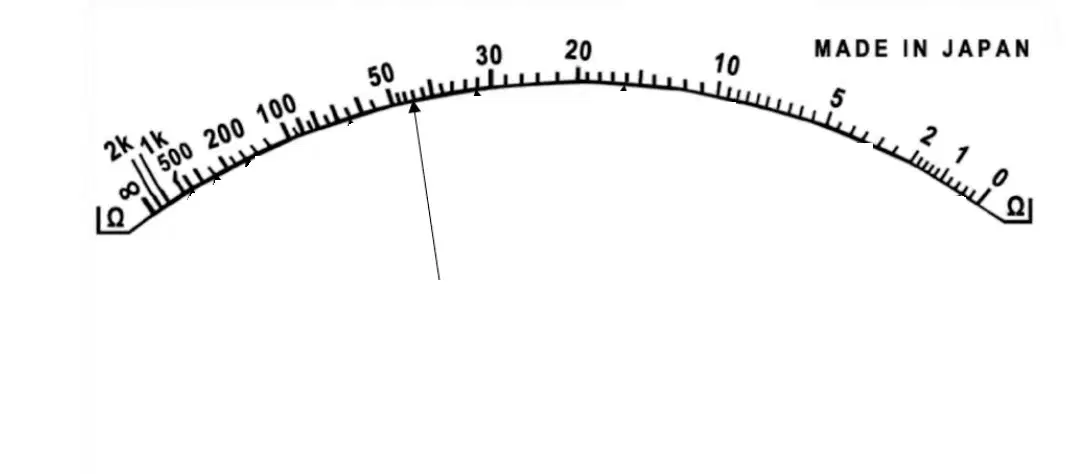
Identify the pointer reading and copute for the resistance with the range multiplier of X10.
44 Ω
440 Ω
4400 Ω
44,000 Ω
Which of the following that shows a pictorial diagram of two incandescent lamp connected in parallel circuit controlled by a single pole switch and powered by a battery?
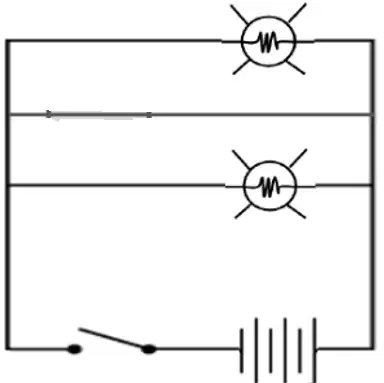
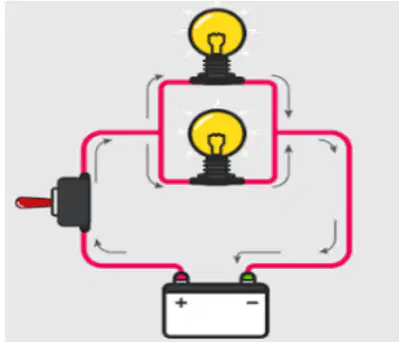
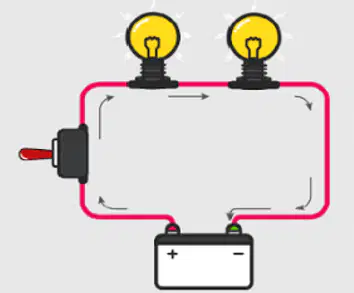
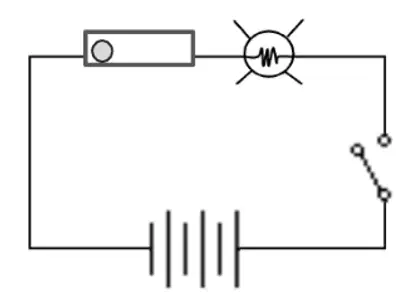
Which of the following that shows a schematic diagram of one incandescent lamp and one flourescent lamp connected in series circuit controlled by a single pole switch and powered by a battery?
They are described as on off on switch.
Single pole, double throw
Single pole, single throw
Double pole, double throw
Push to break

What is this symbol stands for?
Battery
Diode
Capacitor
Resistor
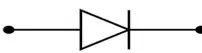
What is this symbol represents?
A. Capacitor
B. Diode
C. Battery
D. Transformer
It is a closed path where electrons flow in a wire.
A. Current
B. Resistors
C. Circuit
D. Diode
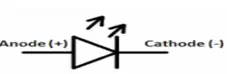
What is this symbol represent?
Diode
Thyresistor
Ground
LED
Which symbol represents a ground connection?
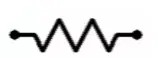
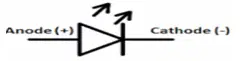

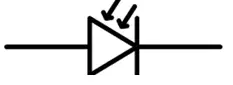
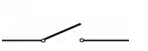
What is this symbol represent?
Double throw, double throw switch
Double pole, single throw switch
Single pole, double throw switch
Single pole switch

