
 Worksheets
Modern Taxonomy and the Five Kingdoms
Total questions: 50
Worksheet time: 25mins
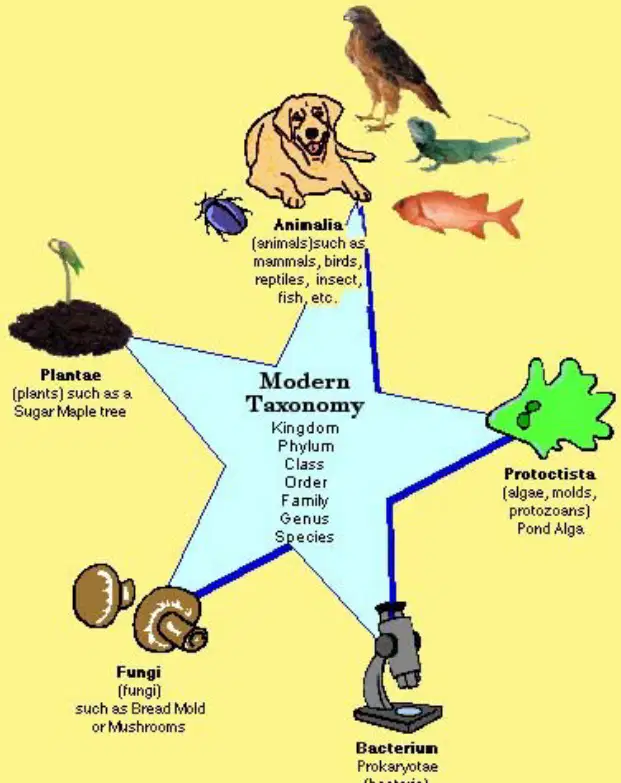
Explain how the modern taxonomy system helps scientists classify living organisms. Use evidence from the diagram to support your answer.
It groups organisms based on shared characteristics, such as being animals, plants, fungi, protists, or bacteria, making it easier to study and understand their relationships.
It only classifies animals and plants, ignoring other forms of life.
It groups organisms randomly without considering their characteristics.
It is based solely on the color of the organisms.
What is the main purpose of classification in biology?
To arrange organisms into orderly groups based on their similarities
To randomly assign names to organisms
To separate organisms by their color
To group organisms by their size only
Which term is also used to refer to classification in biology?
Ecology
Taxonomy
Genetics
Anatomy
Who are taxonomists?
Scientists who study animal behavior
Scientists who identify and name organisms
Scientists who research plant growth
Scientists who analyze weather patterns
Explain why classification is important in the study of organisms, using reasoning and evidence.
It helps scientists identify and name organisms, making it easier to study their similarities and differences.
It allows scientists to ignore the differences between organisms.
It is only used for naming plants.
It is not important in biology.

Which of the following is a benefit of classifying organisms?
It increases confusion about names
It prevents duplication
It encourages the use of different languages for names
It promotes misnomers
Why is using the same language (such as Latin or Greek) important in classifying organisms?
It makes names more confusing
It ensures uniformity and accuracy in naming
It allows for more misnomers
It prevents scientists from communicating
A student claims that a starfish is a type of fish because of its name. Using your understanding of classification, how would you respond?
Agree, because names always reflect true classification
Disagree, because classification helps prevent misnomers like this
Agree, because common names are always accurate
Disagree, because duplication of names is encouraged
How does classification help in preventing confusion among scientists?
By allowing multiple names for the same organism
By using a standardized language for naming
By encouraging the use of local names
By ignoring scientific naming conventions
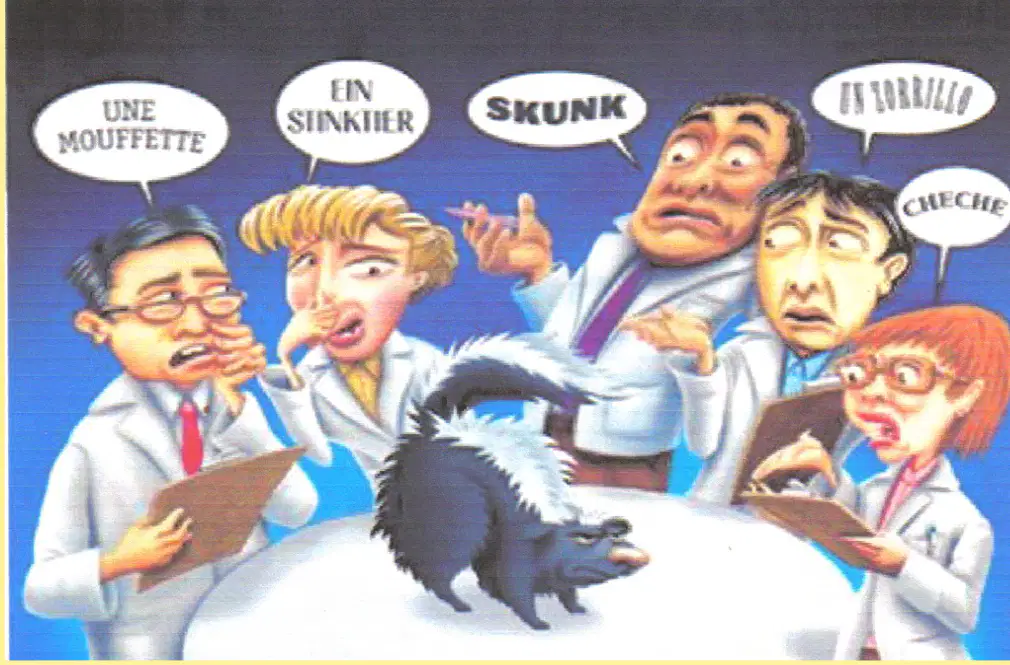
Based on the image, what is a possible consequence of not having a standardized naming system in science?
Scientists may misunderstand each other when referring to the same organism.
Scientists will always agree on the name of an organism.
There will be no confusion in scientific discussions.
All scientists will use only Latin names.
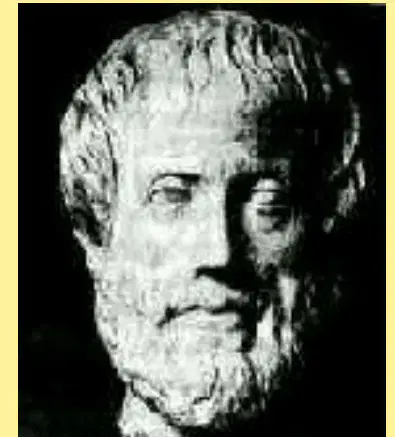
Who was the first taxonomist, according to historical records from 2000 years ago?
Aristotle
Darwin
Linnaeus
Mendel
Explain how Aristotle’s method of classifying organisms by habitat (land, sea, or air) demonstrates an early attempt at organizing biological diversity. What are some potential limitations of this approach?
It groups organisms by where they live, which helps in understanding their environment, but it may ignore other important differences such as anatomy or genetics.
It is based on genetic similarities, which is the most accurate method.
It only considers the size of organisms, which is not useful.
It uses modern technology to classify organisms.
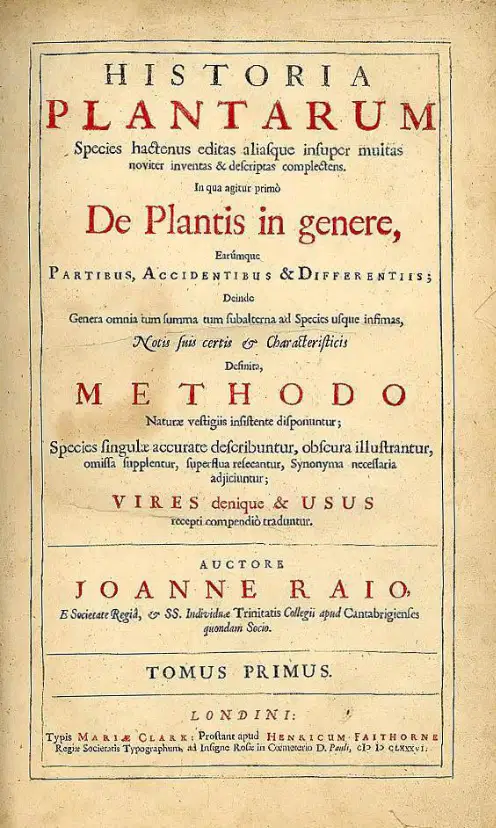
Why was John Ray significant in the history of taxonomy?
He was the first to use Latin for naming plants.
He discovered the process of photosynthesis.
He invented the microscope.
He classified animals for the first time.
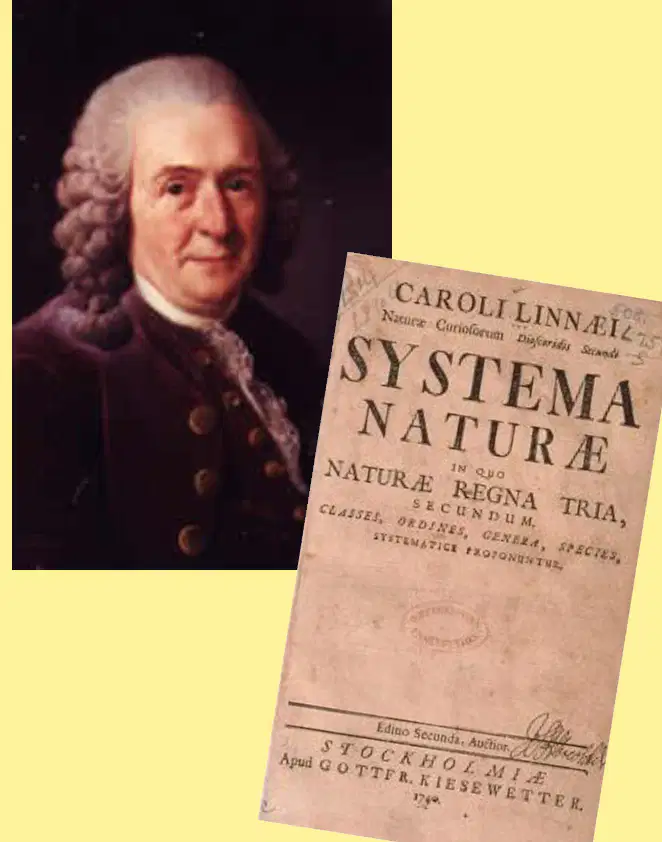
How did Carolus Linnaeus classify organisms in the 18th century?
By their structure
By their color
By their habitat
By their diet
Suppose you discover a new species. Using Linnaeus's approach, what would be the most logical first step in classifying it?
Examine its structure to determine its classification
Name it after yourself
Classify it by its color
Ask for public opinion on its name
Why is Carolus Linnaeus referred to as the "Father of Taxonomy"?
He developed the modern system of naming organisms known as binomial nomenclature.
He discovered the cell.
He invented the microscope.
He classified planets in the solar system.
Explain how the binomial nomenclature system developed by Linnaeus helps scientists communicate more effectively about organisms.
It provides a universal, standardized two-word name for each organism, reducing confusion caused by local or common names.
It allows scientists to use any name they prefer for an organism.
It only uses the organism's color and size for naming.
It requires names to be written in the scientist's native language.
Which of the following best describes the format used in binomial nomenclature for naming organisms?
Species genus, both capitalized
Genus species, both italicized, genus capitalized
Genus species, both underlined, species capitalized
Species genus, both in bold, genus not capitalized
When writing the scientific name of an organism by hand, what should you do to the name?
Write it in all capital letters
Underline it
Put it in quotation marks
Write it in bold
Using the concept of binomial nomenclature, what does it indicate if two animals share the same first part of their scientific name?
They are in the same genus and are more closely related.
They live in the same habitat.
They have the same diet.
They are the same species.
Which organization contains the rules for naming organisms?
International Code for Binomial Nomenclature
World Health Organization
United Nations
International Code for Plant Protection
Why must all names for organisms be approved by International Naming Congresses?
To prevent duplicated names
To increase the number of species
To make names longer
To allow anyone to name organisms
Explain how the process of approving names by International Naming Congresses helps maintain order in scientific naming.
It ensures each organism has a unique name, avoiding confusion.
It allows for multiple names for the same organism.
It encourages the use of local names only.
It makes naming organisms optional.
Which of the following best describes a "taxon" in biological classification?
A specific organism
A category into which related organisms are placed
A type of cell
A method of reproduction
Arrange the following classification groups in order from the broadest to the most specific: Family, Domain, Species, Order.
Domain, Order, Family, Species
Species, Family, Order, Domain
Family, Domain, Order, Species
Domain, Family, Order, Species
What is the main purpose of dichotomous keying?
To identify organisms
To classify rocks
To measure temperature
To record weather patterns
When using a dichotomous key, how are characteristics typically presented?
In a single list
In random order
In pairs
In alphabetical order
Which of the following best describes the process of using a dichotomous key?
Read both characteristics, then either move to another set or identify the organism
Guess the organism based on appearance
List all possible organisms first
Use only one characteristic at a time
What is the main basis for classification in taxonomy?
Evolutionary relationships
Physical size
Geographic location
Color of organisms
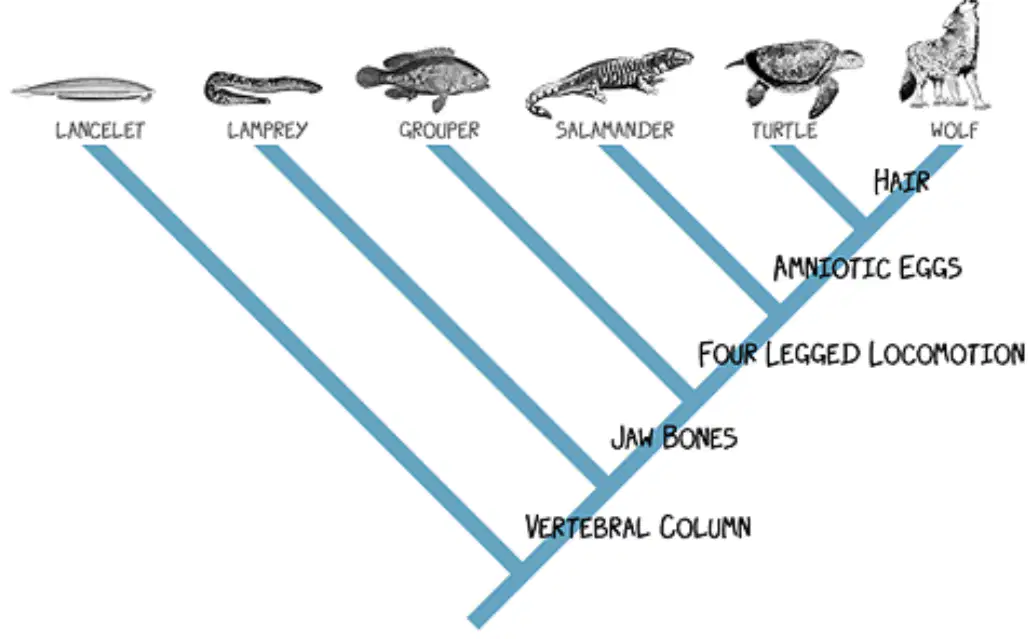
What is a cladogram used to show?
The physical size of different organisms
The evolutionary relationships among organisms based on shared, derived characteristics
The food chain in an ecosystem
The population growth of species over time
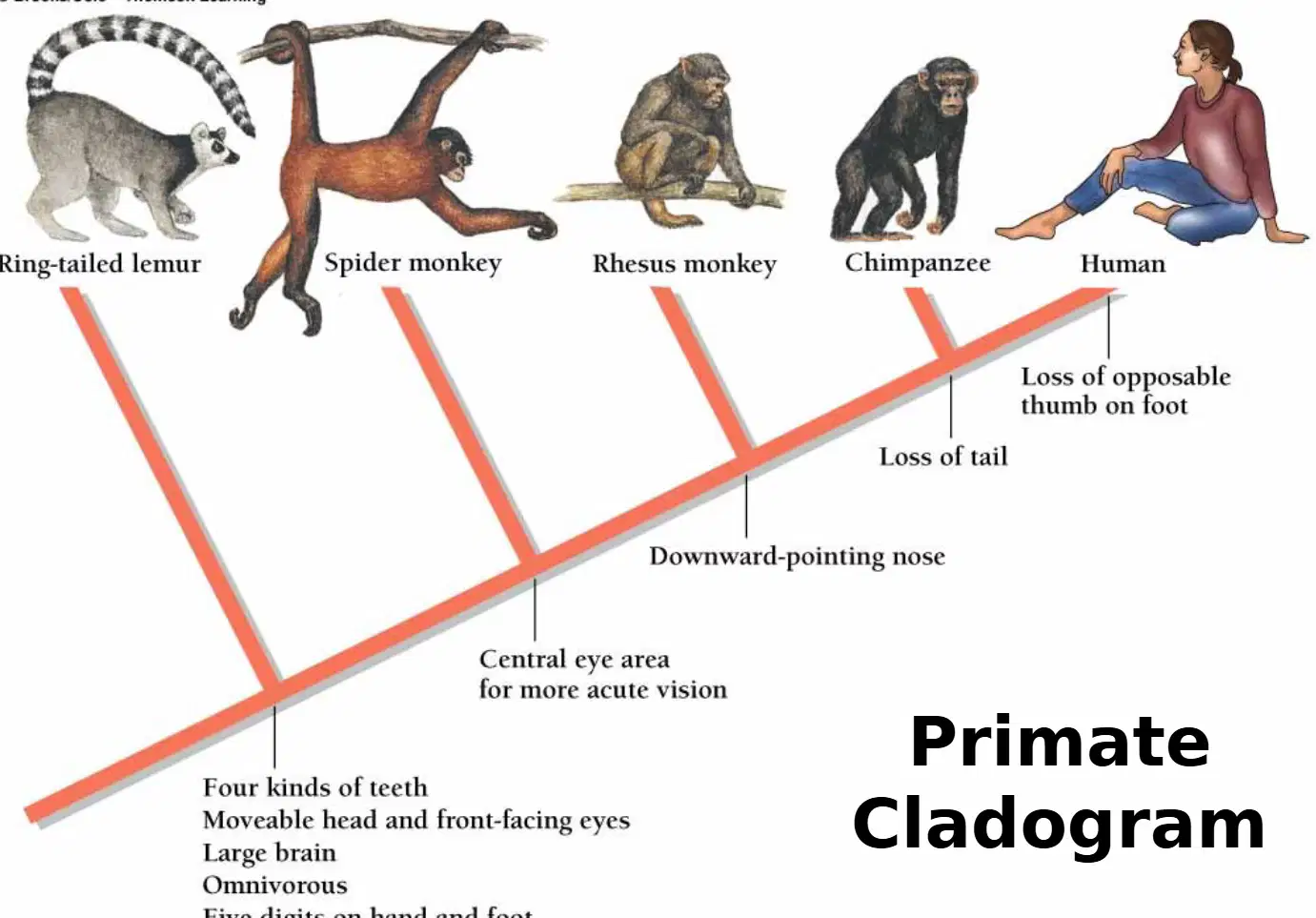
Which of the following evolutionary traits is shared by all the primates shown in the cladogram?
Loss of tail
Downward-pointing nose
Four kinds of teeth
Loss of opposable thumb on foot
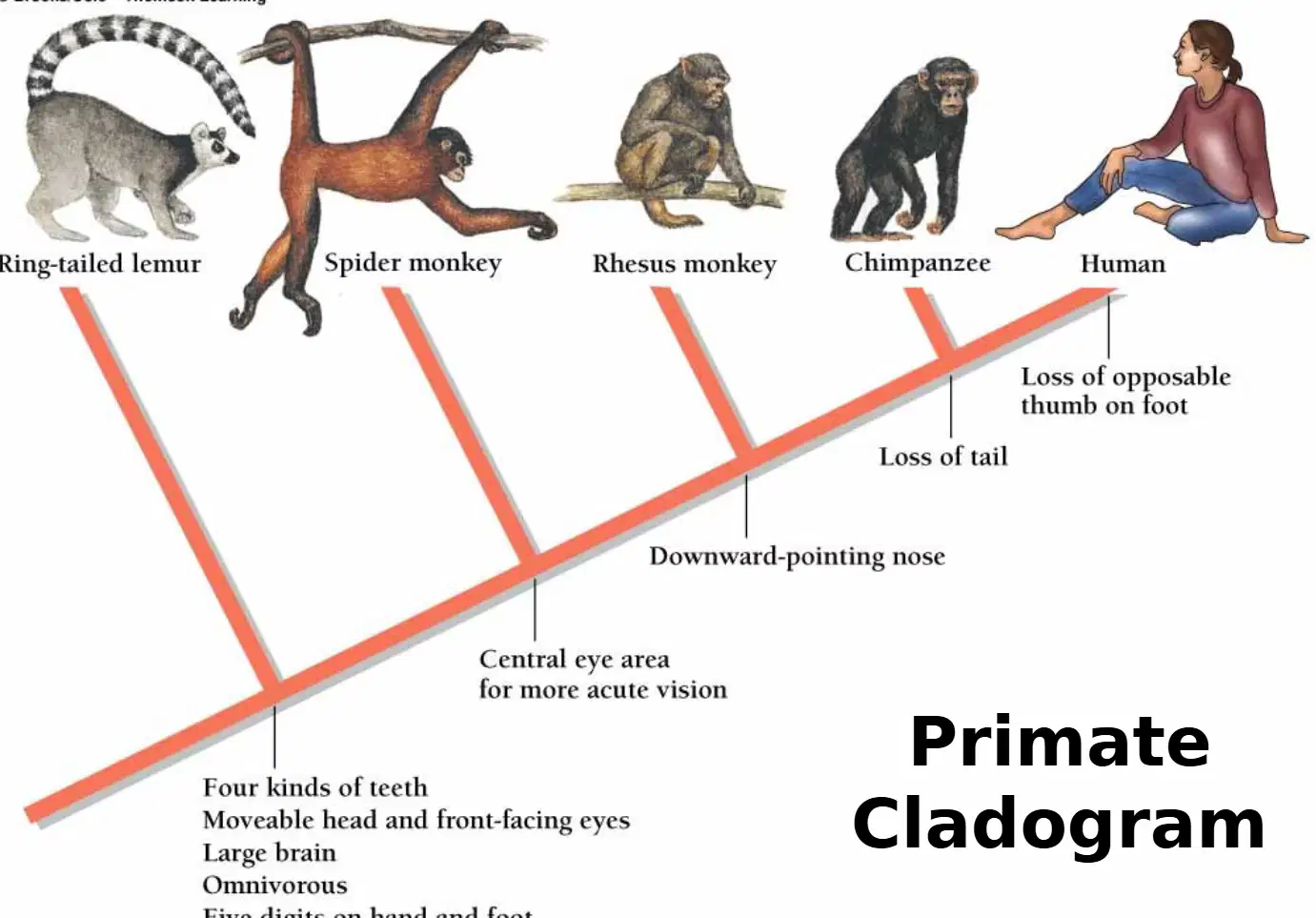
According to the primate cladogram, which evolutionary change occurred just before the branch leading to humans?
Loss of tail
Loss of opposable thumb on foot
Central eye area for more acute vision
Moveable head and front-facing eyes

Based on the cladogram, which primate is most closely related to humans?
Ring-tailed lemur
Spider monkey
Rhesus monkey
Chimpanzee
Which of the following correctly represents the order of taxonomic classification from the broadest to the most specific?
Kingdom, Phylum, Class, Order, Family, Genus, Species
Species, Genus, Family, Order, Class, Phylum, Kingdom
Family, Order, Class, Phylum, Kingdom, Genus, Species
Kingdom, Class, Phylum, Order, Family, Genus, Species

Based on the diagram, which animals share the same Family but belong to different Species?
Grizzly bear and Black bear
Red fox and Coral snake
Giant panda and Sea star
Grizzly bear and Red fox

If a new animal is discovered that fits into the Genus Ursus but is not Ursus arctos, what does this imply about its classification?
It shares the same Family, Order, Class, Phylum, and Kingdom as Ursus arctos, but is a different species.
It is in a different Family but the same Genus as Ursus arctos.
It is in the same Species as Ursus arctos.
It is in a different Kingdom than Ursus arctos.

Students collected leaf samples. The students used the leaf identification key below to identify a leaf sample.
Based on the identification key, which type of tree is this sample from?
Ginkgo
Honey locust
Horse Chestnut
Black Maple
What would the scientific name of this organism be?
Kingdom: Animalia
Phylum: Chordata
Class: Mammalia
Order: Carnivora
Family:Canidae
Genus: Canis
species: mesomelas
Mammalia carnivora
Canidae mesomelas
Canis mesomelas
Animalia chordata

What type of speciation is this?
Geographical
Temporal
Behavioral
I am prokaryotic
I am found in extreme ecosystems
What kingdom do I belong to?
A cell that does not have a nucleus is a
Multicelular
Prokaryotic
Eukaryotic
Unicellular

Amanita phalloides is the most poisonous mushrooms and can be deadly if consumed. Which kingdom is this organism found?
animalia
plantae
fungi
protista


A new river forms and splits two populations, causing ______________ speciation
Sympatric
Allopatric
Extreme
Convergent

The emergence of a mountain range is an event that would lead to _______________ speciation
Allopatric
Sympatric
Temporal
Behavioral

What do both the squirrel and lion have in common that the other animals do not?
They are both vertebrates
They both have lungs
They are both mammals
They both lose their canine teeth.

Which letter represents the most recent common ancestor of sponges and mushrooms?
A
B
C
D
E

