
 Worksheets
109 1 worksheet
Total questions: 18
Worksheet time: 9mins
Who is responsible for supplying PPE when working with copper pipe?
Your employer
Your coworker
The government
Yourself
How can the risk of injury be minimized when working with copper pipe?
By choosing and using the correct PPE
By working faster
By using less equipment
By working alone
Which of the following is NOT a reason to wear a hard hat or bump cap?
To protect the head in restricted areas
To keep hair tidy
To comply with safety regulations
To prevent head injuries
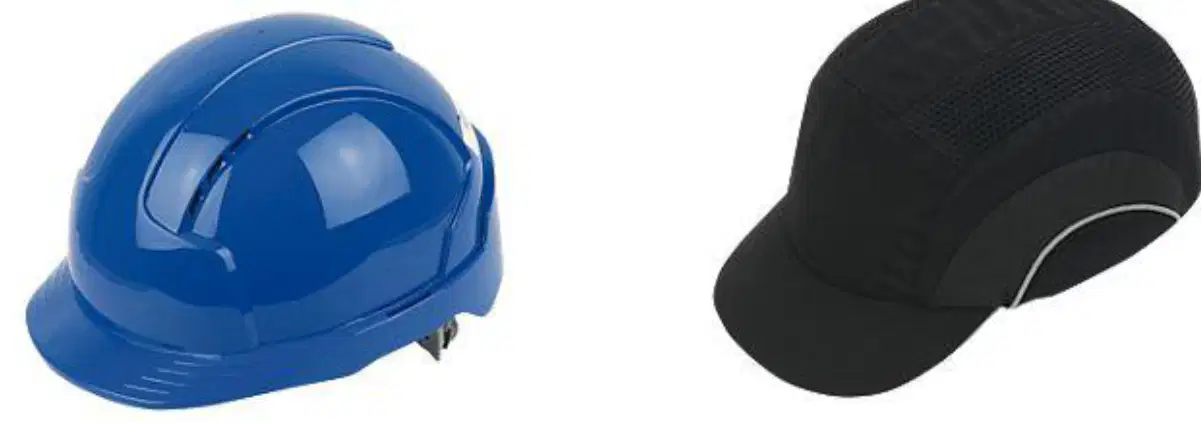
Which items are shown in the image above?
Hard hat and bump cap
Safety goggles and gloves
Ear plugs and face mask
Work boots and knee pads
Which of the following tools might require you to use ear protection?
Circular Saws
Paintbrushes
Screwdrivers
Measuring tape
What should you do if saws, drills, or chasers are being used in your work area?
Ignore the noise
Protect your ears
Leave the area
Use your phone
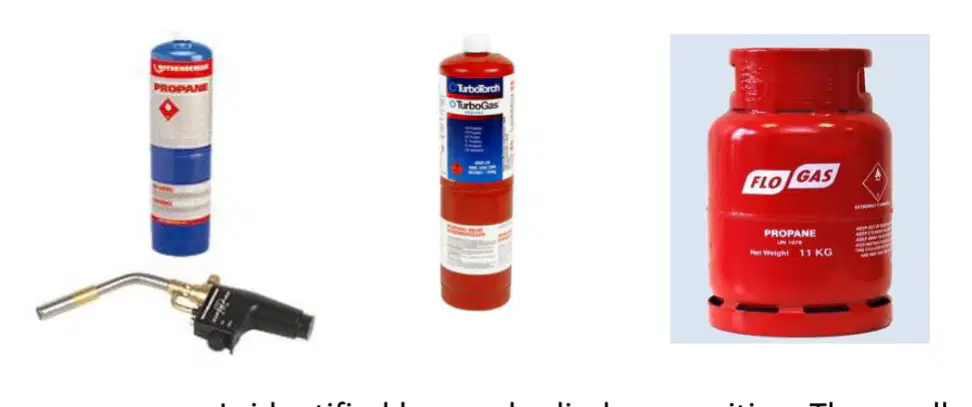
How can propane cylinders be identified?
By a red cylinder or writing
By a blue cylinder or writing
By a green cylinder or writing
By a yellow cylinder or writing
According to the training guidelines, when should LPG equipment be used?
Only after receiving adequate training
Whenever it is available
Only during emergencies
Without any restrictions
Which of the following should be included in training for using LPG equipment?
Emergency procedures for serious accidents
How to cook with LPG
How to decorate the equipment
How to transport LPG internationally
Why should LPG cylinders be stored in a well-ventilated area?
To prevent the buildup of dangerous gases
To keep them warm
To make them easier to find
To save space
Which of the following is NOT a recommended practice for storing LPG cylinders?
Store cylinders outside
Store cylinders away from combustible material
Store cylinders in a locked, secure area
Store cylinders next to flammable liquids
What is the purpose of using a left-hand thread on LPG cylinders?
To ensure only the correct equipment can be connected
To make it easier to open
To reduce the weight
To increase the pressure
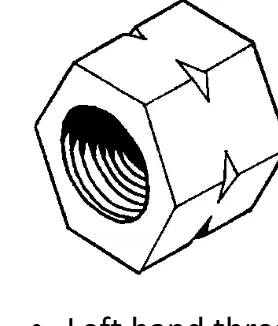
What is shown in the diagram labeled "Left hand threaded nut with kerfs (notches on corners)"?
A left hand threaded nut with notches on the corners
A right hand threaded bolt
A regular hex nut
A washer
Why is it important to check for damage to valves during equipment inspection?
To ensure safe operation and prevent leaks
To make the equipment look new
To change the color of the equipment
To increase the equipment's weight
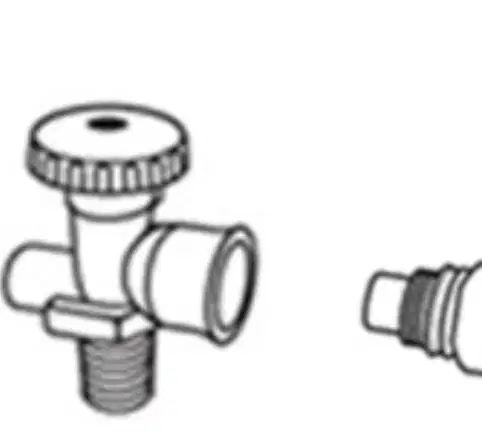
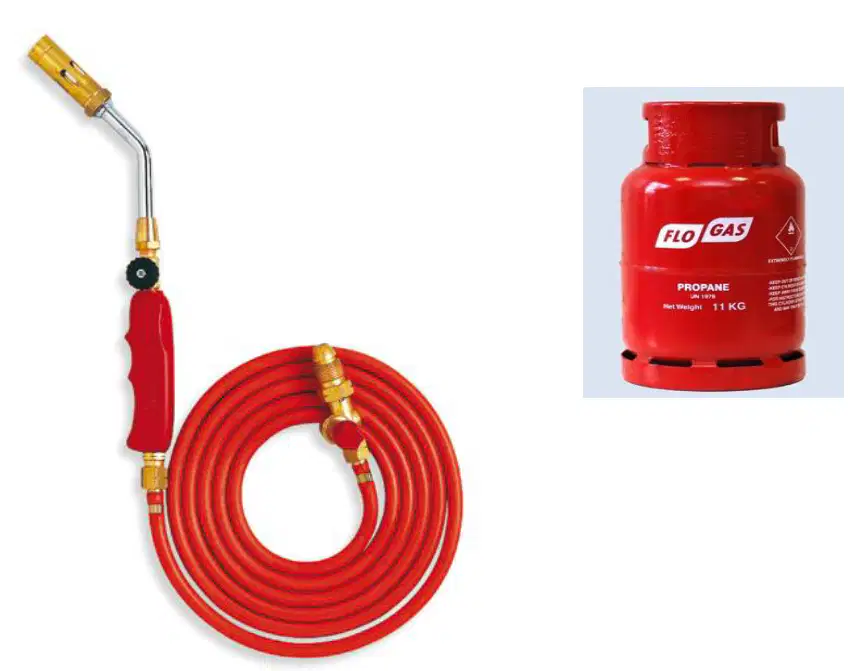
What is the first step when assembling the equipment shown in the image?
Connect the hose to the cylinder
Remove dust cap and make visual inspection of the main on/off valve on the cylinder
Turn on the gas supply
Light the torch
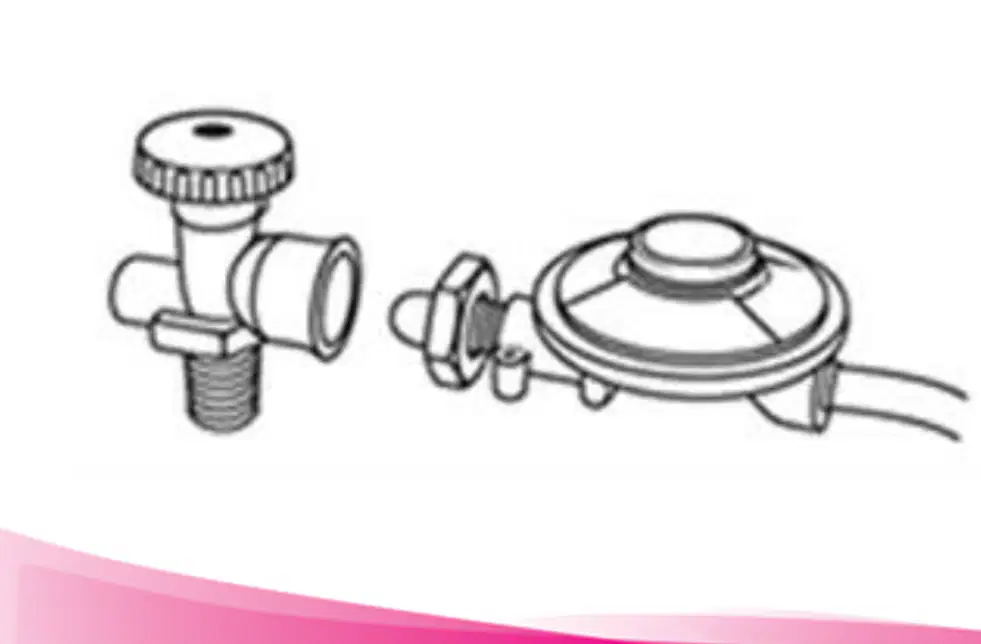
When assembling the equipment, what should you do after inserting the regulator into the on/off valve?
Hand tighten the regulator and note that it is a left-handed thread
Use a wrench to tighten the regulator and note that it is a right-handed thread
Leave the regulator loose for easy removal
Insert the regulator and immediately turn on the gas
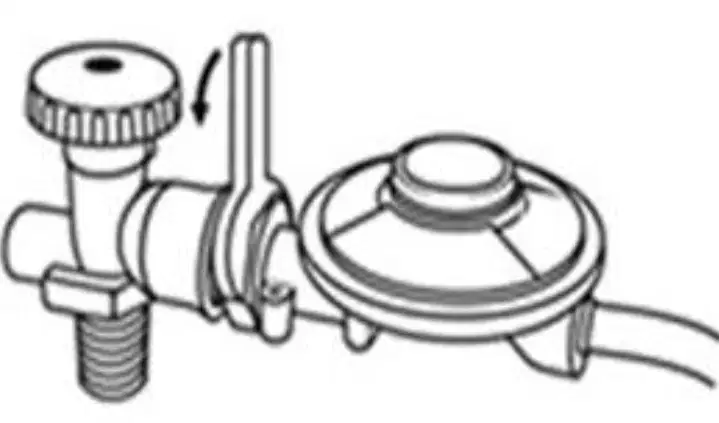
Which tool is recommended to use when tightening the gas connection during assembly?
Hammer
Spanner
Screwdriver
Pliers
What should you do after connecting your LPG equipment, before using?
Set a fire
Test for leaks
Test for Leeks
Have a brew

