
 Worksheets
HES 1.03 Exam Review
Total questions: 99
Worksheet time: 50mins
The initial steps in responding to an emergency are:
Assess the situation, call for help, and provide first aid if necessary.
Panic and run away from the scene.
Ignore the situation and wait for someone else to respond.
Immediately move the victim without checking for injuries.
Emergencies that should be recognized by a first responder include:
Heart attack, stroke, severe bleeding, and choking
Minor cuts and bruises only
Mild headaches and fatigue
Seasonal allergies and mild cough
The Emergency Management System should be activated for which of the following reasons?
When there is a significant threat to public safety or health
For routine daily operations
To conduct regular staff meetings
For minor, non-urgent issues
What type of vehicle is shown in the top right image, often used for emergency medical transport?
Fire truck
Police car
Helicopter
Bus
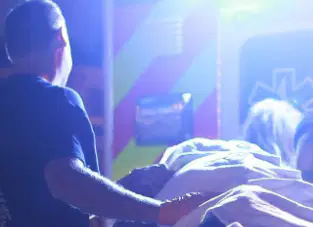
Who are the people most likely providing medical assistance in the bottom left image?
Teachers
Paramedics
Chefs
Pilots
Fill in the blank: The person in the bottom right image is wearing a _______ uniform, typically worn by firefighters.
firefighter's
police officer's
doctor's
chef's
Fill in the blank: One reason why early recognition and response is important is that it _________
saves lives
delays treatment
increases confusion
wastes time
Fill in the blank: Early recognition and response helps to shorten ________ time.
recovery
reaction
delay
treatment
Fill in the blank: Early recognition and response helps prevent long term _________.
disabilities
illnesses
expenses
medications
Fill in the blank: Early recognition and response allows you to provide for the victim’s _________.
comfort
diagnosis
transport
medication
Fill in the blank: Early recognition and response helps to prevent the situation from _________
worsening
improving
stabilizing
repeating

Before attempting to render any first aid, you MUST ensure the scene is _______.
safe
crowded
noisy
dark

Always look around and check for safety—safety for yourself and safety for the victim!
True
False
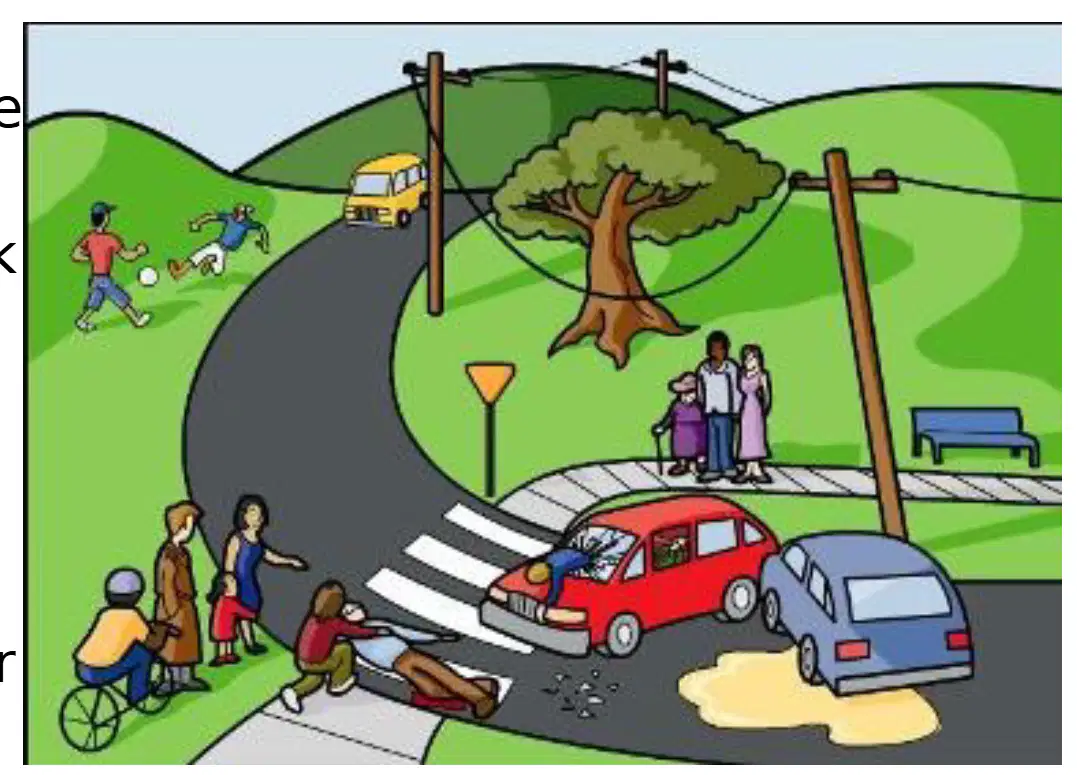
You cannot help anyone if you become a victim yourself.
True
False
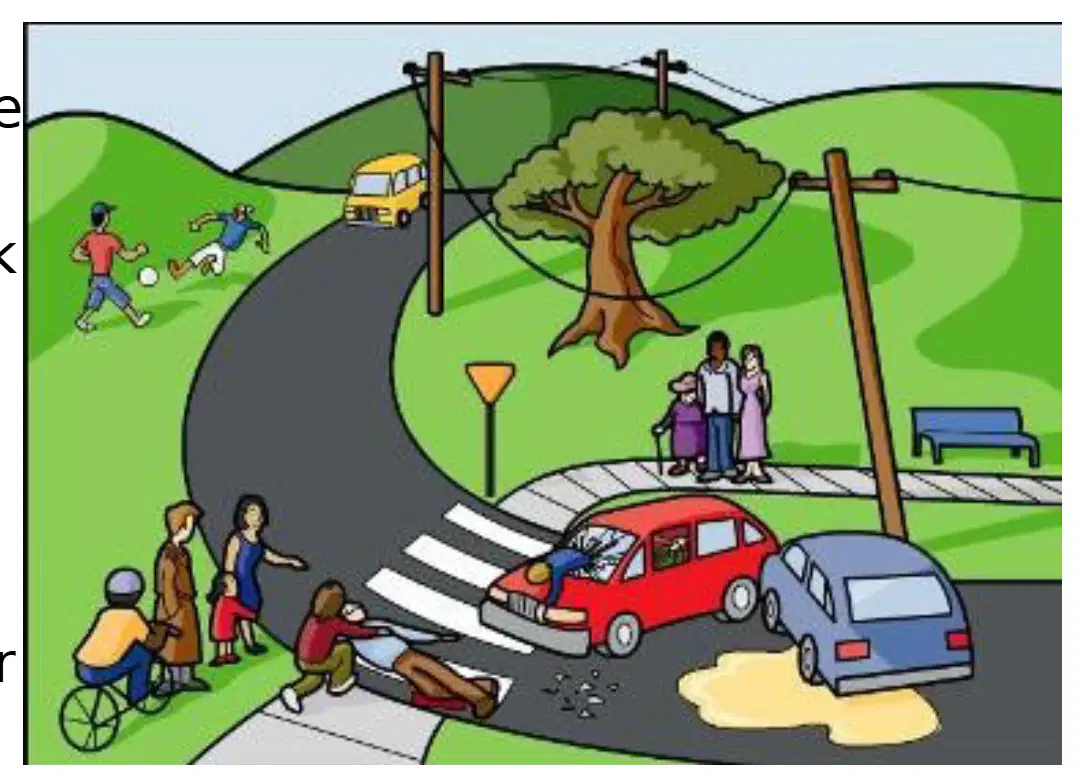
NEVER put yourself in danger when trying to help others.
True
False
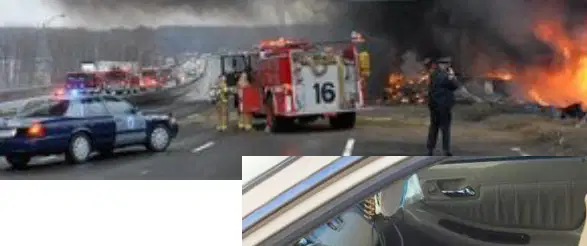
According to the 'Assess the Scene' checklist, what should you observe for to ensure your safety and the safety of others?
Possible dangers to you and the victim.
The color of the victim's clothes.
The time of day.
The number of people watching.
Which of the following is NOT listed as a danger to observe for in the 'Assess the Scene' checklist?
Traffic
Fire/Smoke
Loud music
Hazardous liquids or gases
True or False: The 'Assess the Scene' checklist includes checking for loose wires or dangling power lines.
True
False
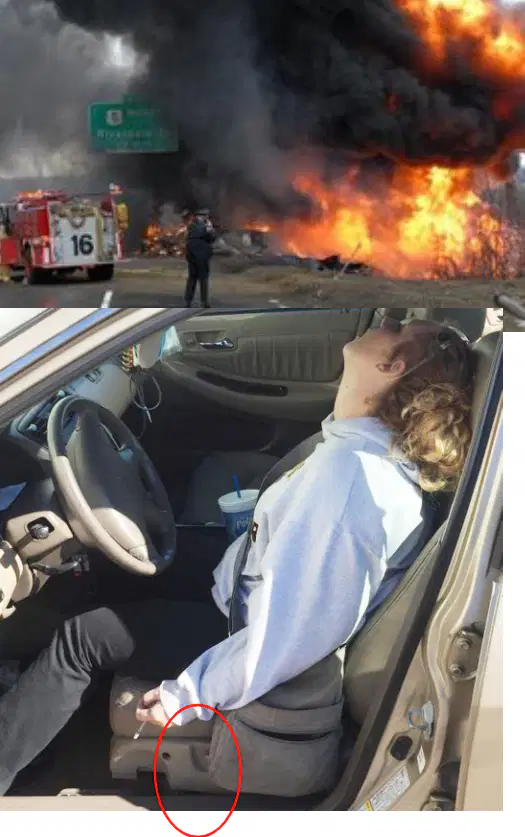
According to the 'Assess the Scene' checklist, what should you look for regarding drugs at the scene?
Are drugs or alcohol involved? Used needles?
Are there any pets present?
Is the weather sunny?
Are there any locked doors?
Which of the following should you check for around the victim according to the 'Assess the Scene' checklist?
Broken glass
Food wrappers
Cell phones
Shoes
The 'Assess the Scene' checklist suggests checking for angry or aggressive people involved in violent situations.
True
False
According to the 'Assess the Scene' checklist, what type of hazardous materials should you observe for?
Hazardous liquids or gases
Non-hazardous solids
Edible materials
Medical supplies
Which of the following is a biohazard you should look for according to the 'Assess the Scene' checklist?
Blood
Water
Dirt
Leaves

True or False: The 'Assess the Scene' checklist includes checking for traffic as a possible danger.
True
False
What is the purpose of the initial assessment in first aid?
To detect life threats which must be dealt with immediately.
To provide medication for minor injuries.
To diagnose chronic illnesses.
To clean and dress all wounds.
During the initial assessment, how do you assess the general condition and level of consciousness of a victim?
By checking if the victim is alert, responsive, responsive to verbal or painful stimuli, or unresponsive.
By measuring the victim's blood pressure and heart rate only.
By asking the victim to walk around the scene.
By checking the victim's temperature and pulse oximetry.
What should you do if any liquid or debris is found in the airway during the initial assessment?
Roll the victim onto their side and clear the airway.
Begin chest compressions immediately.
Ignore it and continue with the assessment.
Give the victim water to drink.
How do you check for breathing during the initial assessment?
Place ear next to victim’s nose and mouth; look for chest rise; listen for breaths; feel for breaths on your cheek.
Check the victim's pulse only and wait for a response.
Shake the victim vigorously and shout their name repeatedly.
Look for any movement in the victim's fingers or toes.
Circulation: Which pulse should you check if the victim is not breathing during the initial assessment?
Carotid pulse.
Radial pulse.
Femoral pulse.
Brachial pulse.
What does the Good Samaritan Law provide?
Legal protection to people who give reasonable assistance to those who are injured, ill, in danger, or incapacitated
Financial compensation to bystanders
Medical training to everyone
None of the above
The Good Samaritan Law is written to encourage bystanders to get involved in emergency situations without fear that they will be sued if their actions inadvertently contribute to a person’s injury or death.
True
False
If someone is conscious, you should always ask ________ to help.
permission
money
advice
directions
If someone is unconscious or cannot respond, consent is ________.
implied
explicit
written
verbal
You will need to be able to recognize certain types of emergencies: Name one type of emergency you need to recognize.
Anaphylaxis
Mild headache
Paper cut
Slight thirst
You will need to be able to recognize certain types of emergencies: Name one type of emergency you need to recognize.
Burns
Paper cuts
Mild headaches
Sneezing
You will need to be able to recognize certain types of emergencies: Name one type of emergency you need to recognize.
Choking
Sunbathing
Jogging
Sleeping
You will need to be able to recognize certain types of emergencies: Name one type of emergency you need to recognize.
Drowning
Reading
Sleeping
Cooking

You will need to be able to recognize certain types of emergencies: Name one type of emergency you need to recognize.
Fainting
Reading a book
Watching TV
Eating lunch
You will need to be able to recognize certain types of emergencies: Name one type of emergency you need to recognize.
Hemorrhage
Mild headache
Paper cut
Slight cough
You will need to be able to recognize certain types of emergencies: Name one type of emergency you need to recognize.
Poisoning
Sunbathing
Reading a book
Taking a nap

You will need to be able to recognize certain types of emergencies: Name one type of emergency you need to recognize.
Seizures
Mild headache
Feeling hungry
Yawning
What is anaphylaxis or anaphylactic shock?
A) A mild allergic reaction
B) An extreme, life-threatening allergic reaction that causes airway constriction and low blood pressure
C) A type of infection
D) A digestive disorder
Which of the following is NOT a common cause of anaphylaxis?
Insect bites or stings
Medications
Foods such as nuts, spices, and shellfish
Exercise
Fill in the blank: Anaphylaxis is an extreme, ________ allergic reaction that causes airway constriction and low blood pressure.
life-threatening
mild
temporary
harmless
Which of the following is a symptom of anaphylaxis?
Hives or skin rash
Breathing difficulty
Restlessness and anxiety
All of the above
Anaphylaxis can be caused by chemicals.
True
False
Fill in the blank: Common causes of anaphylaxis include insect bites or stings, medications, foods (nuts, spices and shellfish), and ________.
chemicals
sunlight
exercise
cold weather
If an allergic reaction is suspected, what should you ask the patient?
Ask if the patient is allergic to anything and if they have been in contact with that substance.
Ask if the patient has eaten recently.
Ask if the patient has traveled abroad.
Ask if the patient has a family history of heart disease.
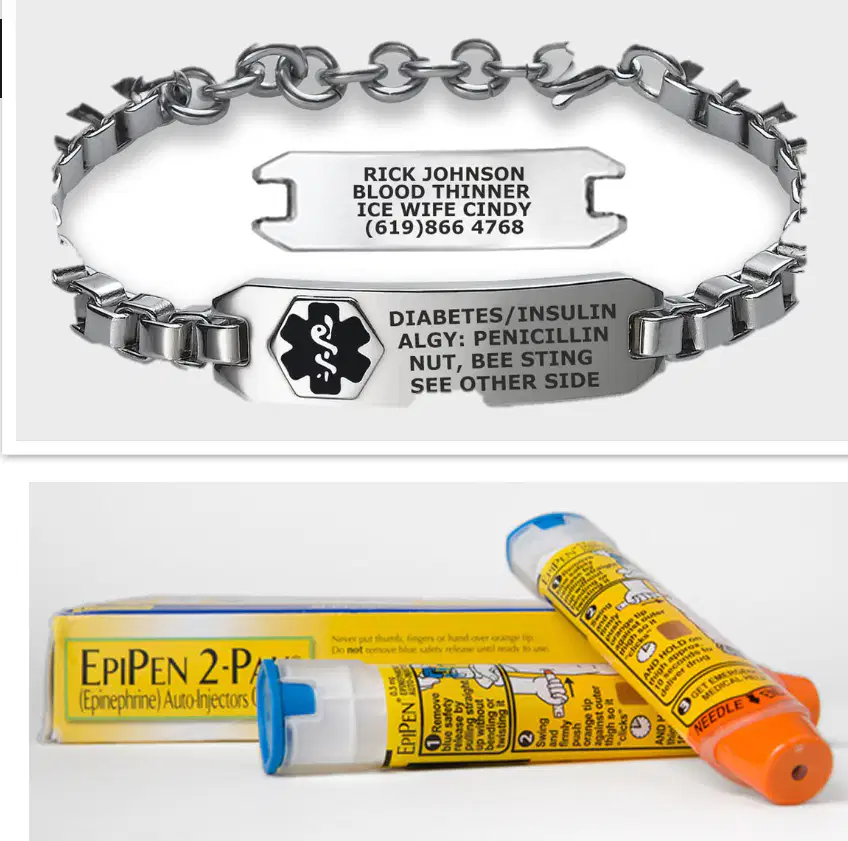
If a patient is unresponsive, what should you check for to identify allergies?
Check for medical identification jewelry.
Check for a pulse.
Check for a wallet.
Check for a driver's license.

People with known allergies may carry which device for emergency treatment?
An epi-pen.
A thermometer.
A blood pressure cuff.
A stethoscope.
You should be prepared to assist the patient with administration of the epi-pen if needed.
True
False
What are some common causes of burns?
All of the above
Chemicals
Sun
Boiling water
Radiation
The Rule of Nines is used to measure the percent of body burned. According to this rule, the body is divided into how many areas, each representing 9% of the body surface?
11 areas
9 areas
10 areas
12 areas

According to the Rule of Nines, what percentage of the body surface does each arm represent?
9%
18%
4.5%
12%
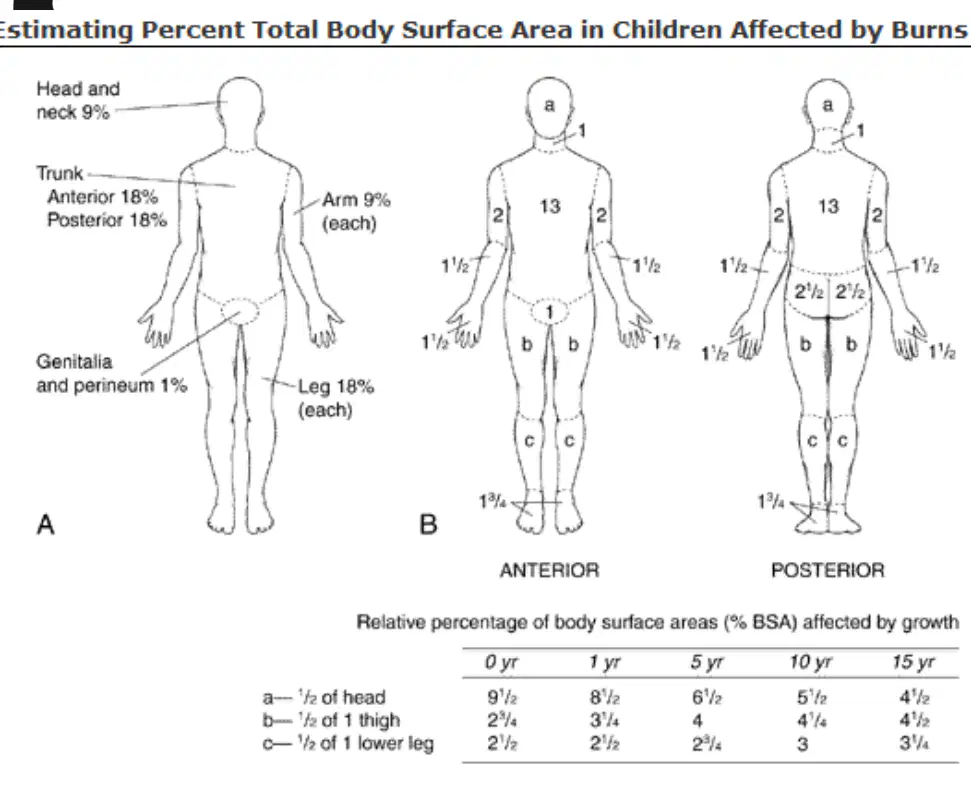
According to the Rule of Nines, what percentage of the body surface does the trunk (anterior and posterior combined) represent?
36% (18% anterior + 18% posterior)
45% (22.5% anterior + 22.5% posterior)
27% (13.5% anterior + 13.5% posterior)
18% (9% anterior + 9% posterior)
The Rule of Nines divides the body into 11 areas, each representing 9% of the total body surface area.
True
False

According to the diagram, what percentage of body surface area does the head and neck represent in the Rule of Nines?
9%
12%
15%
18%

Which degree of burn is described as: Skin is pink to red, no blisters and moderately painful?
1st degree
2nd degree
3rd degree
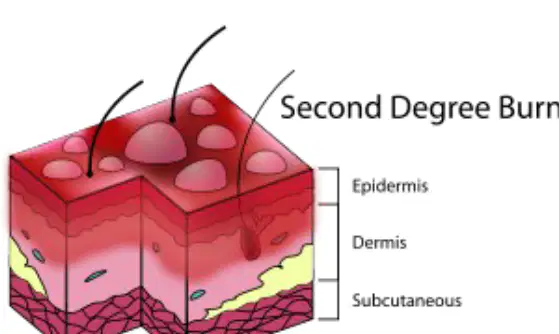
Which degree of burn involves lower layers of skin, redness with blisters?
1st degree
2nd degree
3rd degree

Which degree of burn involves the epidermis, dermis, and subcutaneous layers, loss of skin, blackened skin, and may be life threatening?
1st degree
2nd degree
3rd degree
Which of the following is a recommended first aid step for minor burns?
Apply ice directly to the burn
Cool the burn under cool running water
Break any blisters
Cover with butter
What should you remove from the burned area in case of a minor burn?
Clothing
Rings and other tight items
Bandages
Shoes
You should break blisters that form on a minor burn.
True
False
If skin is blistered from a minor burn, what should you apply to protect the blisters?
Ice pack
Loose gauze dressing
Ointment
Plastic wrap
What is the first step you should take for a major burn?
Apply ointment
Call 911
Put the burn under cold water
Remove clothing
When helping someone with a major burn caused by electricity, what should you do before approaching?
Pour water on the burn
Make sure the power source is off
Apply ice
Remove clothing
You should make sure the person is breathing if they have a major burn.
True
False
Why should you not place large burns in water?
It may cause infection
It may cause hypothermia
It may cause pain
It may cause swelling

Which degree of burn is characterized by deep tissue damage and a leathery appearance?
3rd degree burn
1st degree burn
2nd degree burn
Superficial burn

What occurs when an object lodges in the throat blocking air flow?
Sneezing
Choking
Coughing
Hiccuping

The universal sign for choking is hands grasping the throat, but not all people will do this.
True
False
If a person is choking, what might they only be able to do?
Scream
Shake their head Yes or No
Jump up and down
Laugh
If the person is able to speak or is coughing forcefully, what should you do?
Stay with them until they clear their airway or become worse. Encourage coughing.
Give them water to drink immediately.
Perform abdominal thrusts right away.
Leave them alone and walk away.
List two other indications of choking mentioned in the passage.
Inability to talk; Difficulty breathing or noisy breathing; Skin, lips and nails turning blue or dusky; Skin that is flushed and then turns pale or bluish in color; Loss of consciousness.
Coughing loudly; Drinking water; Smiling; Walking quickly.
Sneezing; Laughing; Clapping hands; Jumping up and down.
Yawning; Stretching arms; Tapping feet; Whistling.
What maneuver should you assist with if the person is choked?
Heimlich maneuver (AKA Abdominal Thrust)
Cardiopulmonary Resuscitation (CPR)
Recovery Position
Back Blow Maneuver
What is the Heimlich maneuver also known as?
Chest compression
Abdominal thrust
Cardiac massage
Rescue breathing

Who is the Heimlich maneuver performed on in this diagram?
Infant
Child
Adult
Elderly person
What does 'near drowning' mean?
It means someone almost died from being unable to breathe due to submersion under water.
It means someone drank a lot of water quickly.
It means someone was afraid of swimming.
It means someone got lost at sea but was found.
Thousands of people drown in the U.S. each year.
True
False
Quick medical attention is necessary in cases of drowning.
True
False
Where do most drownings in children under 1 year old occur?
In the bathtub
In swimming pools
At the beach
In lakes
It may be possible to revive a drowning person, even after a long time under water, especially if the person is young and was in very cold water.
True
False
When looking for signs of a swimmer struggling, what might they NOT be able to do?
Shout out
Wave for help
Swim to the edge
Call for a lifeguard
Fainting (or syncope) occurs due to temporary loss of ______ to the brain. Fill in the blank.
blood flow
oxygen
nerve signals
glucose
Fainting should be considered an emergency until symptoms are relieved and the cause is determined.
True
False
When a person faints, if there are no injuries and the person is breathing, you should raise their feet above heart level.
True
False
What should you do with constrictive clothing if someone faints?
Loosen any constrictive clothing.
Tighten the clothing further.
Ignore the clothing and wait.
Remove all clothing immediately.
To reduce the chance of fainting again, you should avoid getting the person up too quickly.
True
False
A person who is bleeding heavily can die from blood loss within ____ minutes.
5
15
30
60
Why is it important to stop the bleeding in a hemorrhage situation?
To prevent death from blood loss.
To increase blood pressure.
To improve digestion.
To reduce body temperature.

What should you do before applying firm direct pressure to a bleeding wound? (Fill in the blank)
Put on gloves.
Wash the wound with soap.
Apply ice to the wound.
Elevate the injured limb.
Which of the following materials can be used to apply pressure to a bleeding wound?
Bandages
Towels
Other absorbent material
All of the above
If blood soaks through the dressing, what should you do? (Fill in the blank)
Apply more on top and do not remove the dressing.
Remove the dressing immediately and wash the wound.
Ignore it and wait for the bleeding to stop on its own.
Apply ice directly to the wound and remove the dressing.
If bleeding does not stop, what should you apply? (Fill in the blank)
A tourniquet.
A bandage.
Ice pack.
Antibiotic ointment.
A victim losing too much blood may go into _____.
shock
coma
paralysis
fever
What is poisoning?
Injury or death due to swallowing, inhaling, touching or injecting various drugs, chemicals, venoms or gases
A type of allergy
A type of infection
A type of burn
Which of the following is NOT a symptom of possible poisoning?
A) Burns around mouth
B) Chemical odor to breath
C) Vomiting
D) Sneezing
Fill in the blank: If a person is drowsy or unconscious, having trouble breathing, having seizures, or has taken medications or other substances intentionally or accidentally overdosed, you should _________
Call 911
Give them water to drink
Wait and see if they get better
Let them sleep it off
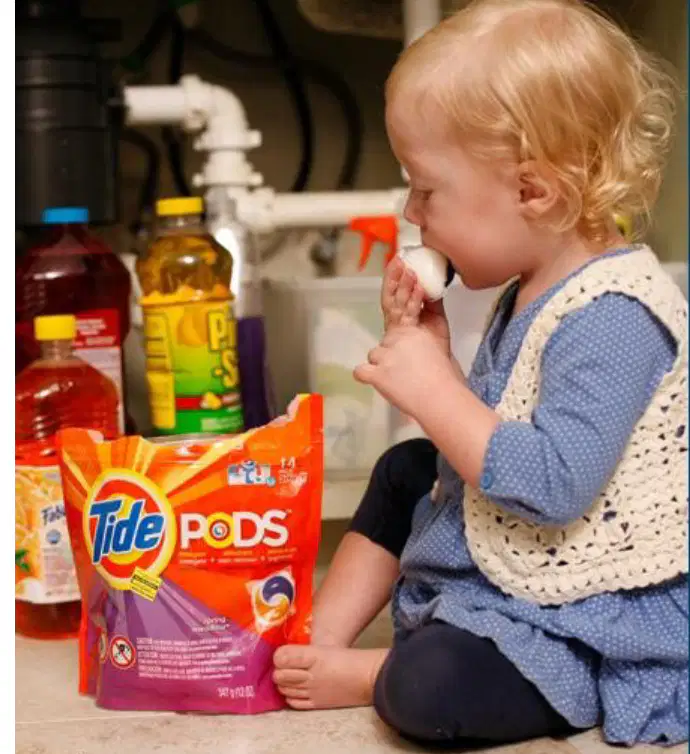
Look at the image of the child with cleaning products. What is the main safety concern shown in this image?
The child is playing safely
The child is at risk of accidental poisoning
The child is cleaning up
The child is eating food

